 A BPS Knives guide
The Buyer’s Guide to Choosing the Right Tactical Knife for Your Needs
Our buyer's guide walks you through blade types, steel, and carry style so you can choose the right knife weapon for your specific needs.
Choosing the right knife weapon for your needs comes down to understanding blade design, steel composition, lock type, and how you plan to carry it.
What Makes a Knife Weapon Different from a Utility Knife
A knife weapon is purpose-built for defensive, survival, or tactical use rather than light everyday slicing. These knives prioritize edge retention, tip strength, handle ergonomics, and reliability under stress. While a utility knife works for opening boxes, a tactical blade is designed to handle harder materials and more demanding environments.
Key differences include:
- Blade thickness: tactical knives typically run 3/16-inch to 1/4-inch thick for durability
- Full tang construction: the steel runs the full length of the handle for maximum strength
- Aggressive tip geometry: often a reinforced drop-point or tanto profile that resists breakage
- Textured handle scales: G10, Micarta, or textured polymer for a secure grip with wet or gloved hands
If you need a blade that can handle prying, scraping, and hard cutting without failing, you are looking for a purpose-designed knife weapon rather than a general-purpose folder. Brands like Cold Steel have long defined this category with knives built for extreme abuse.
Fixed Blade vs Folding: Choosing Your Knife Weapon Platform
The first big decision is whether you want a fixed blade or a folding knife. Each has distinct strengths depending on your carry method and intended use.
Fixed Blade Tactical Knives
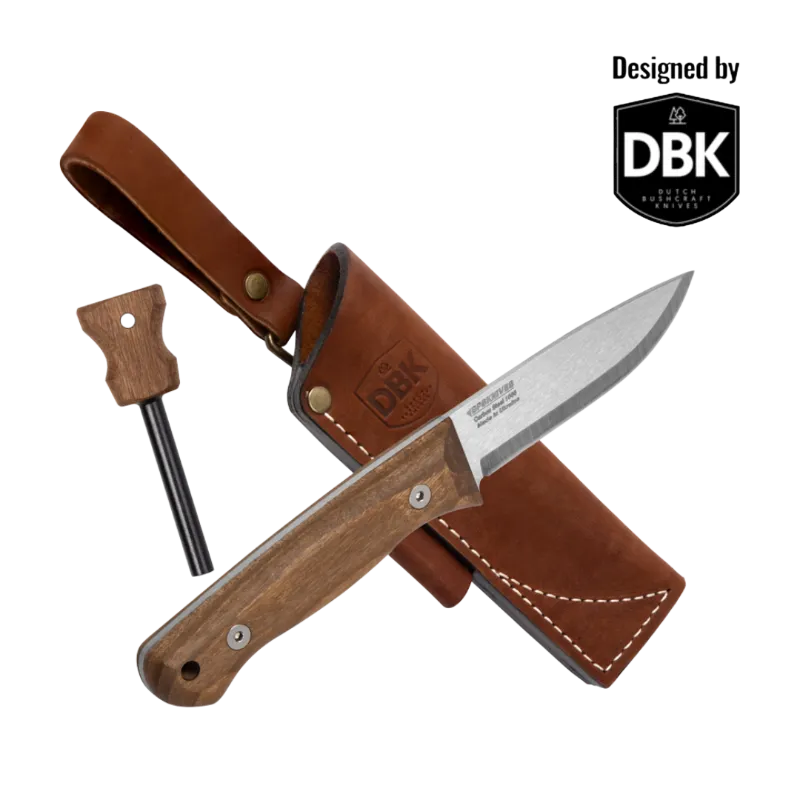
A fixed blade is the most reliable knife weapon platform because there is no hinge or lock to fail. The dbk knife is a strong example, full tang, exposed pommel for impact strikes, and a secure sheath system for belt or MOLLE carry.
Pros:
- Zero mechanical failure points
- Easier to clean and maintain
- Better for heavy prying and batoning
- Quicker to deploy from a sheath
Cons:
- Harder to conceal
- Requires a belt or vest-mounted sheath
- Heavier overall carry weight
Folding Tactical Knives
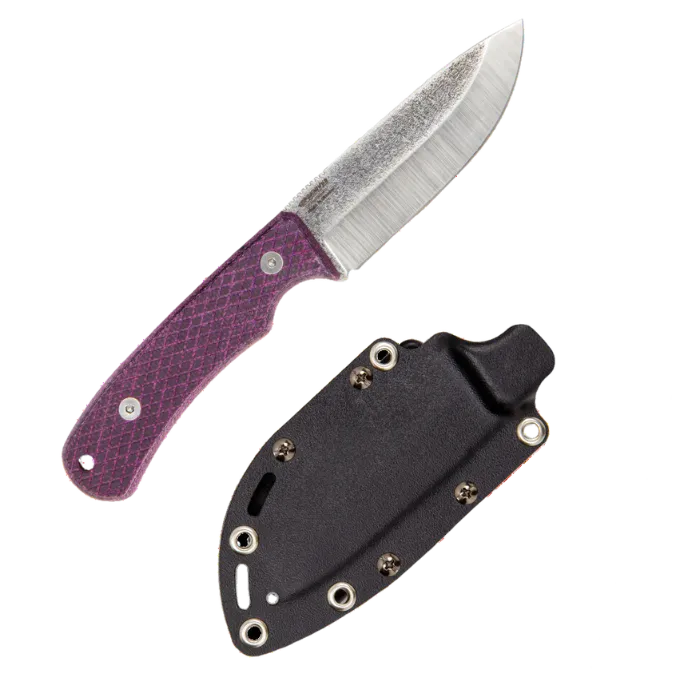
Modern folders like the beta knife close the gap on fixed blades with strong locking mechanisms (liner lock, frame lock, or button lock) and slim pocket profiles. A good folder is easier to carry every day and can still handle serious cutting tasks.
Pros:
- Compact and pocket-friendly
- Legal to carry in more jurisdictions
- One-handed opening and closing
- Lighter on the belt or in the pocket
Cons:
- Lock can fail under extreme sideways pressure
- More parts that need cleaning
- Not suited for heavy prying
If you plan to carry a knife weapon as part of a full kit, say with a bps tactical vest or plate carrier, a fixed blade on the vest is hard to beat. For daily pocket carry, a quality folder is usually the better fit.
Pry Bar Knife Features: When One Tool Does Double Duty
A pry bar knife combines the cutting ability of a blade with the prying strength of a small pry tool. These are not standard knives, they use thicker stock, a blunt or flat tip, and a reinforced spine that can take lateral stress without snapping.
What to look for in a pry bar knife:
- Blade thickness of at least 1/4-inch to handle prying without bending
- Flat grind or saber grind for strength over slicing thinness
- Integrated pry tip or chisel grind on the spine
- Full tang with no weak points near the handle junction
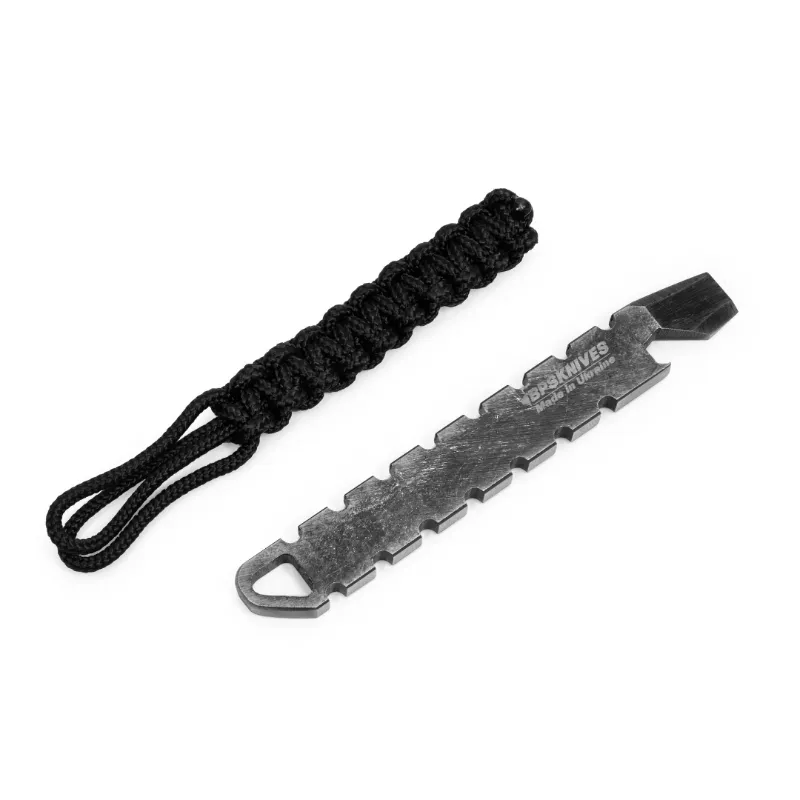
The pry bar knife from BPS Knives checks all of these boxes. It is designed as a survival tool first, able to pry open crates, scrape ferro rods, and still slice through rope and webbing. If you are building a bug-out bag or vehicle kit, this type of blade replaces two separate tools with one.
Steel Types and Heat Treat in Tactical Blades
Steel choice defines how your knife weapon performs in the field.
| Steel Type | Edge Retention | Toughness | Corrosion Resistance | Best Use |
|---|---|---|---|---|
| 1095 Carbon | Good | Excellent | Low | Survival, hard-use fixed blades |
| D2 Tool Steel | Very Good | Good | Moderate | Tactical folders, edge-holding |
| 440C Stainless | Moderate | Moderate | Excellent | EDC, humid environments |
| 3V / CPM Tool Steels | Excellent | Excellent | Moderate | Premium tactical knives |
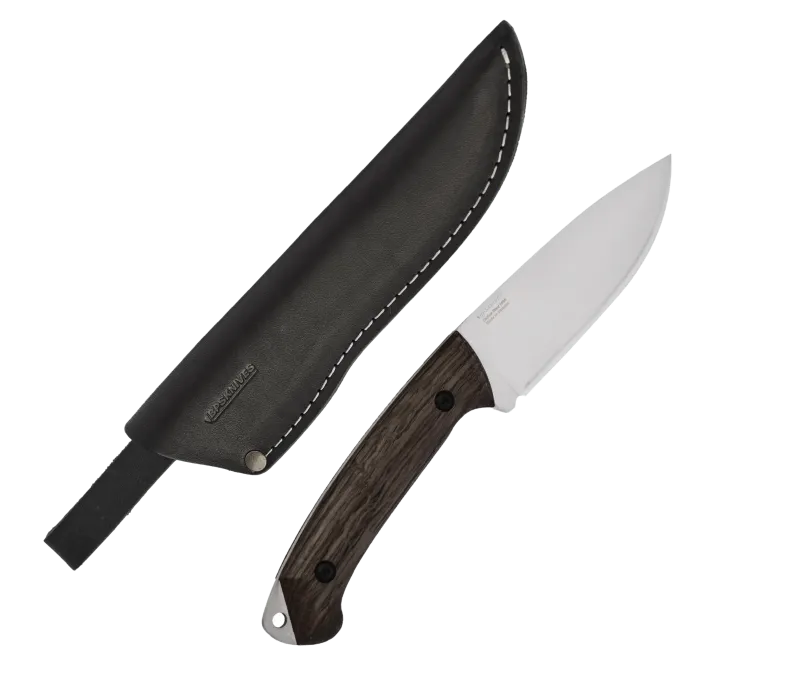
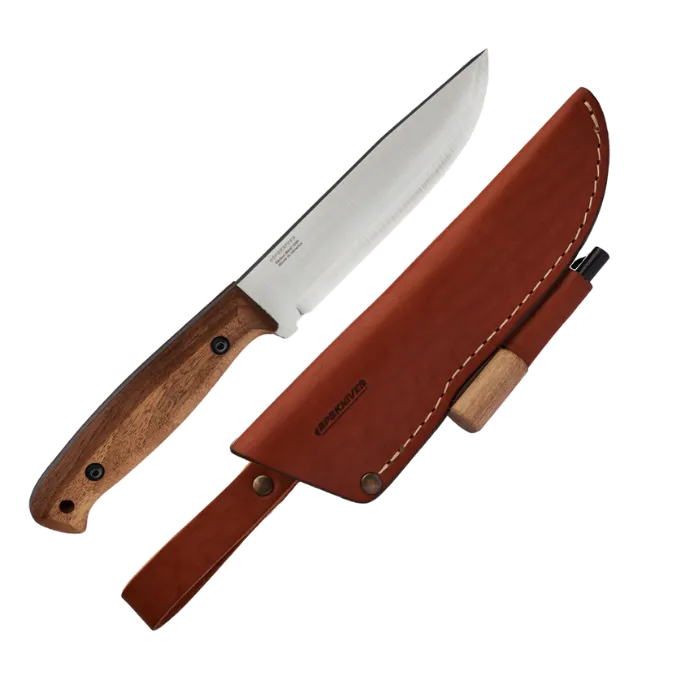
The cgb savage uses a high-carbon steel with a differential heat treat, the spine stays soft and tough while the edge hardens for better wear resistance. That kind of engineering matters more than the steel name alone. A cheap blade with a good name can still fail if the heat treat is inconsistent.
Protect Your Investment with the Right Knife Maintenance Kit
Even the best knife weapon will degrade without proper care. Edge dulling, hinge grit, and surface rust are the three most common issues we see, and all of them are preventable with a basic knife maintenance kit.
What a proper maintenance kit should include:
- Ceramic or diamond sharpening stones in fine and coarse grit
- Lubricating oil for pivot points on folding knives
- Cleaning cloth and rust inhibitor to protect carbon steel blades
- T-handle wrench or bit driver to tighten handle screws
- Strop or honing compound for daily edge touch-ups
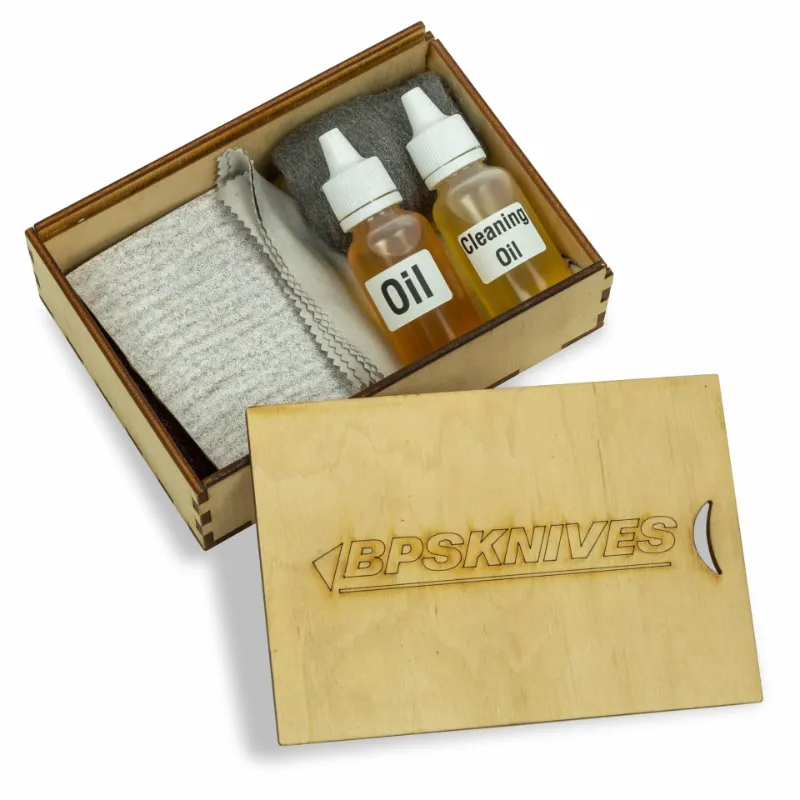
A knife care kit simplifies all of this into one package. We recommend picking one up alongside your first tactical blade so you start with good habits. A well-maintained knife will outlast three neglected ones by a wide margin, and you will actually enjoy using it more when the edge is sharp and the action is smooth.
For the best price on any of these knives and kits, grab the code at our BPS Knives coupon page before you check out.
Complete Your Loadout with the BPS Tactical Vest and Accessories
Carrying a knife weapon effectively means having the right platform to mount it. A bps tactical vest gives you MOLLE webbing for a sheath, plus pockets for a sharpening stone, multi-tool, and spare gear.
Key considerations for pairing a vest with a blade:
- Sheath retention: look for a locking or tension-fit sheath that will not release the knife during movement
- Mounting position: cross-draw or shoulder mount on the support side
- Quick-release options: some sheaths use a snap or button for one-handed draw
- Weight balance: keep heavier items centered or high on the vest
Whether you are building a work rig, a hunting loadout, or a preparedness kit, integrating a dedicated knife weapon into your vest setup keeps it secured and instantly available. Check the latest price on the BPS Tactical Vest before you add it to your cart.
Understanding the working parts of an edged and bladed weapon: tang type, steel treatment, grind profile, and lock mechanism, is the foundation of a smart purchase. Stick with these criteria, match the knife to your real-world carries, and you will end up with a blade that performs when it counts.
Questions
What is the main difference between a knife weapon and a standard pocket knife?
A knife weapon is built for defensive, survival, or tactical use with thicker blade stock (3/16 in or more), full tang construction, stronger tip geometry, and textured handle scales for wet or gloved hands. Standard pocket knives prioritize light slicing and compact carry over extreme durability.
Can I carry a tactical fixed blade like the dbk knife every day?
Yes, but you will need a good belt sheath or a vest-mounted system. The dbk knife is full tang and heavier than a folder, so it works best as part of a prepared loadout rather than loose in a pocket. Check your local carry laws first.
What steel type is best for a hard-use pry bar knife?
1095 carbon steel or a tool steel like D2 offers the best balance of toughness and edge retention for a pry bar knife. Stainless steels like 440C are easier to maintain in wet conditions but do not hold up as well under prying stress.
How often should I use a knife maintenance kit on my tactical blade?
Light maintenance such as wiping the blade and oiling the pivot should happen after every outing. Full sharpening depends on use, but we recommend a touch-up on a ceramic stone every 2-4 weeks of regular carry and a full re-profile every few months.
Is the cgb savage a good choice for someone new to tactical knives?
Yes. The cgb savage uses a proven high-carbon steel with a differential heat treat that gives it a sharp edge and a tough spine. The handle ergonomics and full tang design make it a reliable first knife weapon for anyone transitioning from basic utility knives.
Products in this guide
Shopping at BPS Knives? See the coupon code
10% OFF Sitewide
More in this series
 Why Your Folding Knife Won’t Lock and How to Fix It with the BPS Maintenance Kit9 Sep 20266 min5 Ways to Extend the Life of Your BPS Knife Collection with Proper Maintenance9 Sep 20264 minHow to Use a Pry Bar Knife Safely for Camping and Survival Tasks9 Sep 20265 minBPS Fixed Blade vs Folding Knife: Which EDC Is Right for You?9 Sep 20265 minHow to Clean and Oil Your BPS Knives Using the Knife Care Kit9 Sep 20265 min