 A MedAlert guide
Fall Detection Watch Battery: How Long MedAlert Says It Lasts
MedAlert lists up to 72 hours of standard use for its Lite 4G watch. Here is what that means and a charging routine that keeps you covered.
A fall detection watch battery lasts as long as its maker’s figures and your usage allow, and for the MedAlert Lite 4G medical alert watch the product page’s headline figure is up to 72 hours based on standard usage. The same page also quotes longer figures for other conditions, so the safe plan is to treat 72 hours as a ceiling, charge on a daily routine, and use the watch’s low battery alarm as a backstop. For the current code, see our MedAlert codes and deals.
What MedAlert Says About Battery Life
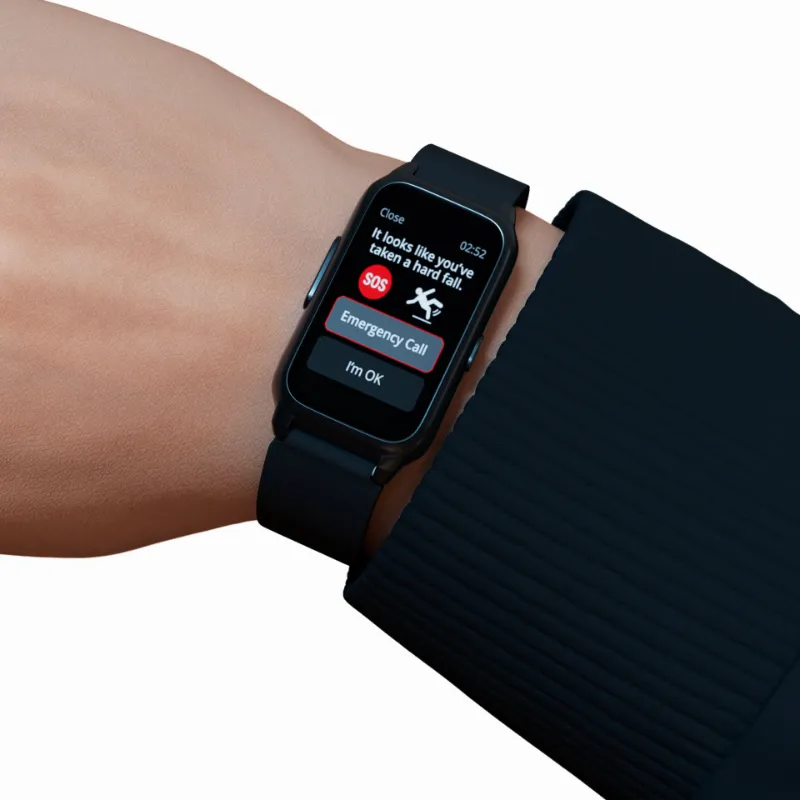
The MedAlert Lite 4G medical alert watch page gives several battery figures in different places:
- Up to 72 hours of battery life, based on standard usage (the summary at the top of the page).
- Up to 80 hours with regular use, or 3 to 4 days in standby mode (the specifications list).
- A 100 hour battery, and longer in standby (the features section).
- Up to 7 days in standby mode, meaning the watch is on but not being used (the FAQ).
These figures do not all agree, and standby numbers describe a watch that is barely being used. For a watch someone relies on for SOS calls and fall alerts, plan around the lowest figure for normal use, which is the 72 hours on the page summary, and ask MedAlert if you need clarity before buying.
What Uses More Battery
MedAlert does not break its figures down by feature, but the watch is doing several jobs that need power:
- 4G connection. The watch works without a phone, using its own connection on the Telstra network, which MedAlert says covers 99% of populated areas in Australia. A weak signal can make any mobile device work harder.
- GPS tracking. Family members can see the wearer’s location in the MedAlert app, and the watch warns when it enters an area without GPS signal.
- Two-way calls. Calls to the wearer’s emergency contacts run through the watch’s speaker and microphone.
- Sensors. Fall detection, heart rate and a contact sensor that checks whether the watch is being worn all run in the background.
- Age. Like any rechargeable battery, it will hold less charge as it gets older, so the time between charges can shrink over the years.
Only change settings MedAlert’s manual says you can change. Turning off a safety feature to save battery defeats the purpose of the watch.
A Charging Routine That Keeps You Covered
- Pick a daily time. A fixed routine is easier to remember than waiting for a low battery.
- Use the quick charge. MedAlert lists a rapid recharge of 30 to 60 minutes to give a full day’s charge.
- Charge when someone is around. While the watch sits on its charger it is off the wrist and cannot sense a fall on the wearer, so choose a time when the wearer is sitting down or with family.
- Set up the low battery alarm. MedAlert says a warning goes to the chosen alarm receivers when the battery falls below a set level, so family can prompt a charge.
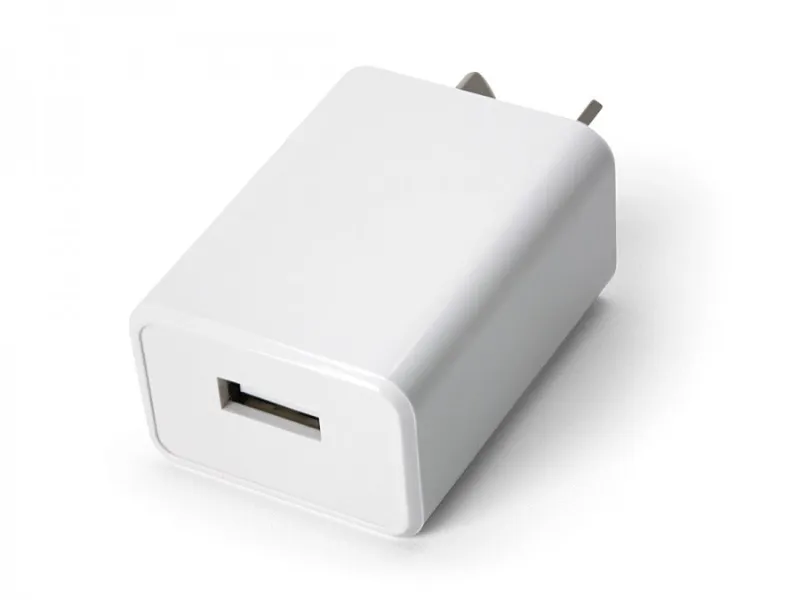
- Keep a spare charger handy. The USB wall charger and spare cable is sold separately and makes it easy to keep one charger by the bed and another in a living area.
Other Things to Know Before You Buy
- SIM plan. The watch comes with 12 months of a Telstra SIM data and voice plan. MedAlert lists the renewal price after the first year on its page.
- Emergency contacts. Fall detection and the SOS button alert up to three pre-set numbers, and ‘000’ can be included in the contact list.
- Response centre. The optional 24/7 Emergency Response Centre plan sends emergency events to MedAlert’s call centre, where staff assess each situation and notify contacts or emergency services.
- Water. MedAlert says the watch can handle occasional water exposure, such as in the shower, but should not be fully submerged for long periods.
- Warranty and returns. The page lists a 12 month warranty, extendable to 3 years, and a 30 day return policy.
A medical alert watch is a support, not a replacement for medical care. If the wearer has health concerns or a history of falls, talk to their doctor about the right level of support.
Questions
How long does a fall detection watch battery last?
It depends on the watch and how it is used. MedAlert's product page gives up to 72 hours for its Lite 4G watch based on standard usage, with longer figures quoted for standby.
Why does MedAlert list different battery figures?
The page quotes figures for different conditions, from 72 hours of standard use to 7 days in standby. Plan around the lowest normal-use figure and charge daily.
How fast does the MedAlert watch charge?
MedAlert lists a rapid recharge of 30 to 60 minutes to give a full day's charge.
Does the watch detect falls while charging?
While it is on the charger it is not on the wrist, so it cannot sense a fall on the wearer. Charge it at a time when the wearer is safe or with someone.
Will family know if the battery is low?
MedAlert says a low battery warning goes to the chosen alarm receivers when the battery drops below a set level.
Products in this guide
 Shopping at MedAlert? See the discount code
10% OFF All Orders
More in this series
Can You Use Any USB Wall Charger With a MedAlert Watch?16 Sep 20264 minWhat to Look for When Choosing an SOS Watch for Elderly Parents16 Sep 20265 minMedAlert 24/7 Emergency Response Centre Plan: What It Adds to the Watch16 Sep 20263 minFall Detection Watch vs Traditional Medical Alert: What Automatic Detection Adds16 Sep 20263 minHow to Set Up Your MedAlert Medical Alert Smartwatch for the First Time16 Sep 20264 min