 A HappyRunSports guide
How to Convert Your Regular Bike with an E Bike Conversion Kit
An e bike conversion kit transforms your standard bicycle into an electric-powered ride by adding a motor, battery, and controller to your existing frame.
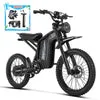
An e bike conversion kit transforms your standard bicycle into an electric-powered ride by adding a motor, battery, and controller to your existing frame. Converting your bike costs less than buying a dedicated electric dirt bike or fast electric cycle, and lets you keep the frame you already trust.
What Components Come in an E Bike Conversion Kit
Every conversion kit includes three core pieces: a motor (hub or mid-drive), a battery pack, and a controller that manages power delivery. Most kits also bundle a throttle, pedal-assist sensor, display screen, wiring harness, and mounting hardware.
Hub motor kits mount the motor inside your front or rear wheel hub. They’re simpler to install because you swap the wheel and connect a few cables. Rear hub kits offer better traction and hill climbing, while front hub kits balance the bike’s weight but can slip on steep climbs.
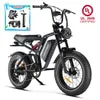
Mid-drive kits position the motor at your bike’s bottom bracket, transferring power through your existing chain and gears. They’re more efficient on hills and feel closer to a purpose-built 750 watt ebike, but installation requires removing your crankset and sometimes filing the frame. Brands like Bafang offer both BBS02 and BBSHD mid-drive systems that fit most mountain and hybrid frames.
Battery options range from 36V systems for flat commutes to 72V packs for high-speed setups. An e bike conversion kit with battery simplifies shopping, though separate battery purchases let you match capacity to your range needs. We recommend at least 10Ah for daily rides and 15Ah or more for weekend trail use.
Choosing the Right Motor Power for Your Riding Style
Motor wattage dictates speed, torque, and legality. A 250W kit keeps you street-legal in most regions and suits flat city commutes. A 500W to 750W system handles moderate hills and gravel without breaking a sweat. If you want off road electric bike performance or need to haul cargo, look at 1000W to 2000W kits, though these often require registration depending on local laws.
We’ve seen riders pair an e bike conversion kit 2000w with a hardtail mountain bike for aggressive trail riding, and others install a quieter 500W hub motor on a road bike for silent commutes. Match the motor to your frame’s dropout spacing (most modern bikes use 135mm rear, 100mm front) and check that your fork or rear triangle can handle the added torque.
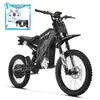
High-power kits labeled as electric bike conversion kit 5000w or e bike conversion kit 72v 5000w deliver motorcycle-level acceleration but demand reinforced frames, hydraulic brakes, and thick spokes. These setups edge into electric pit bike territory and aren’t practical for casual riders.
Step-by-Step Installation Process
1. Prepare your bike and workspace. Remove the existing wheel (front or rear, depending on your kit). Clean the dropout slots and inspect the frame for cracks. Gather a set of hex keys, an adjustable wrench, zip ties, and electrical tape.
2. Install the motorized wheel. Slide the hub motor wheel into the dropout, routing the cable carefully so it doesn’t snag the fork or chainstay. Tighten the axle nuts or quick-release skewer to the torque spec in your manual (usually 30 to 40 Nm). If you chose a mid-drive kit, remove the bottom bracket with a crank puller and thread the motor unit into the frame shell.
3. Mount the battery. Most e bike conversion kit with battery 72v packs use a downtube or rear-rack mount. Secure the cradle with the supplied bolts, slide the battery in, and confirm it locks with an audible click. Route the battery cable along the frame tubes and secure with zip ties every 15 cm to prevent rattling.
4. Connect the controller and sensors. The controller box usually mounts under the top tube or inside a frame bag. Plug the motor cable, battery cable, throttle, brake sensors, and display into the matching ports (most systems use color-coded connectors). Attach the pedal-assist sensor to the bottom bracket or crank arm, aligning the magnet disc so it clears the sensor head by 2 to 5 mm.
5. Test and calibrate. Power on the display, check error codes, and spin the wheel by hand to confirm the motor engages. Set your pedal-assist levels (usually 1 to 5) and test-ride in a safe area. Adjust brake sensor sensitivity and throttle response through the display menu.
For visual step-by-step guidance, Swytch offers detailed installation tutorials for their lightweight front-hub kits, and BikeRadar rounds up best practices across dozens of models.
Which Bikes Work Best for Conversion
Steel and aluminum hardtail mountain bikes accept most kits without issue. Their sturdy dropouts, wide tire clearance, and strong brakes handle the extra weight and speed. An e bike conversion kit for mountain bike setups pairs especially well with 27.5″ or 29″ wheels that smooth out trail chatter.
Road bikes with carbon frames or tight rear triangles often can’t fit a hub motor or battery pack. If you’re converting a road bike, choose a compact front hub kit and a small downtube battery, then verify your fork has steel or aluminum dropouts (carbon dropouts can crack under motor torque).
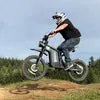
Folding bikes and cruisers work with lower-power kits (250W to 500W), but check that your frame has mounting bosses for a battery rack and that your brakes can stop the added weight. We’ve successfully converted beach cruisers into relaxed happy run ebike alternatives for neighborhood errands.
Full-suspension mountain bikes require extra care with mid-drive kits because the motor adds unsprung weight that affects suspension kinematics. Hub motor kits avoid this problem but limit your gear range benefits.
If your current bike has rim brakes, upgrade to mechanical or hydraulic disc brakes before adding a motor. The extra speed and weight will overpower rim pads on descents.
Comparing Conversion Kits to Pre-Built E-Bikes
| Feature | E Bike Conversion Kit | Pre-Built Electric Bike |
|---|---|---|
| Cost | $400 to $1,500 plus your bike | $1,200 to $5,000+ |
| Customization | High (choose motor, battery, frame) | Low (factory spec) |
| Warranty | Kit-only (6 to 12 months) | Full bike (1 to 2 years) |
| Installation | DIY (2 to 4 hours) | Ready to ride |
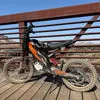
Conversion makes sense when you own a quality frame and want to control every spec. Buying a complete happyrun g300 pro or happyrun g300 makes more sense if you value integrated design, full support, and the confidence that every component was engineered to work together. The happyrun g300 pro electric dirt bike delivers 1200W peak power and a purpose-built suspension that a DIY kit can’t easily replicate.
Before you decide, grab our code to see current pricing on both conversion kits and complete e-bikes. HappyRunSports runs a $50 off sitewide offer that can shift the math in favor of a ready-to-ride option.
Maintenance Tips After Your Conversion
Check spoke tension every two weeks for the first month, especially if you installed a rear hub motor. The added torque can loosen spokes and cause wheel wobble. Re-torque axle nuts and battery mounts after your first 50 km.
Battery care extends your range and lifespan. Charge your pack to 80 percent for daily storage and avoid draining below 20 percent. Store the battery indoors in winter, and if you won’t ride for a month, top it to 60 percent. Most e bike conversion kit with battery systems use Samsung or LG cells that last 500 to 800 charge cycles with proper care.
Drivetrain wear accelerates with mid-drive kits because the motor multiplies chain tension. Lube your chain every 150 km, replace it at 2,000 km, and inspect your cassette for shark-tooth wear. Hub motor kits spare your drivetrain but may need new wheel bearings after 3,000 km of hard use.
Keep your controller and connectors dry. If you ride in rain, wrap the controller box in a waterproof pouch and apply dielectric grease to cable connections. Most kits rate IP54 or IP65, meaning they resist splashes but not submersion.
Who Should Convert vs. Buy New
Convert your bike if you already own a solid frame you trust, enjoy DIY projects, and want to dial in a custom power and range setup. Kits shine for riders who need an e bike conversion kit mid drive on a specific mountain bike geometry or who want to experiment with different wattages.
Buy a new happy run or similar complete electric bike if you value warranty coverage, integrated cable routing, and the assurance that the motor, battery, and frame were tested together. First-time e-bike riders often find complete bikes less intimidating and safer.
Budget also matters. A quality e bike conversion kit starts around $600 once you add a battery, but labor-intensive installation and potential frame modifications can push total costs close to entry-level pre-builts. On the other hand, converting a $800 hardtail with a $700 kit still undercuts most $2,000+ factory e-bikes.
Finally, check the latest price and discount code before committing. We update codes weekly, and a well-timed promotion can make a complete electric bike the smarter financial move.
Questions
Can I install an e bike conversion kit on any bicycle?
Most steel and aluminum mountain, hybrid, and cruiser bikes accept conversion kits without issue. Carbon frames, folding bikes with narrow dropouts, and bikes with rim brakes may require upgrades or aren't compatible with certain motor types.
How long does it take to install a conversion kit?
Hub motor kits typically take 2 to 3 hours for a first-time installer. Mid-drive kits require 3 to 4 hours because you must remove the bottom bracket and route cables through the frame.
What is the difference between a hub motor and a mid-drive motor?
Hub motors mount in the wheel and are easier to install but don't use your bike's gears. Mid-drive motors sit at the bottom bracket, leverage your gears for efficiency, and feel more natural but cost more and stress your drivetrain.
Do I need special tools to convert my bike?
Basic hex keys, an adjustable wrench, and zip ties handle most hub motor installs. Mid-drive kits require a bottom bracket removal tool and sometimes a crank puller.
How much does an e bike conversion kit with battery cost?
Entry-level hub motor kits with battery start around $400, while high-power mid-drive systems with large-capacity batteries range from $1,200 to $1,800. Check current pricing and discount codes to find the best deal.
Will a conversion kit void my bike's warranty?
Most bicycle manufacturers void frame warranties if you add a motor or modify the bottom bracket. Always check your warranty terms before installing a kit.
Products in this guide
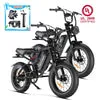
 Shopping at HappyRunSports? See the discount code
$50 OFF Sitewide
Shopping at HappyRunSports? See the discount code
$50 OFF Sitewide
More in this series
Are Off Road Electric Bikes Street Legal? What You Need to Know10 Aug 20265 minElectric Pit Bike Maintenance: Essential Care Tips for Longevity10 Aug 20264 minHow Long Do 750 Watt Ebike Batteries Last on Off Road Trails?10 Aug 20265 min Happyrun G300 vs G300 Pro: Which Electric Dirt Bike Is Right for You?10 Aug 20264 min