 A ANKOMN guide
Coffee Canister Maintenance: Cleaning and Replacing Vacuum Seals
Keeping your vacuum coffee canister clean and its seal functioning properly ensures your beans stay fresh longer and your canister lasts years.
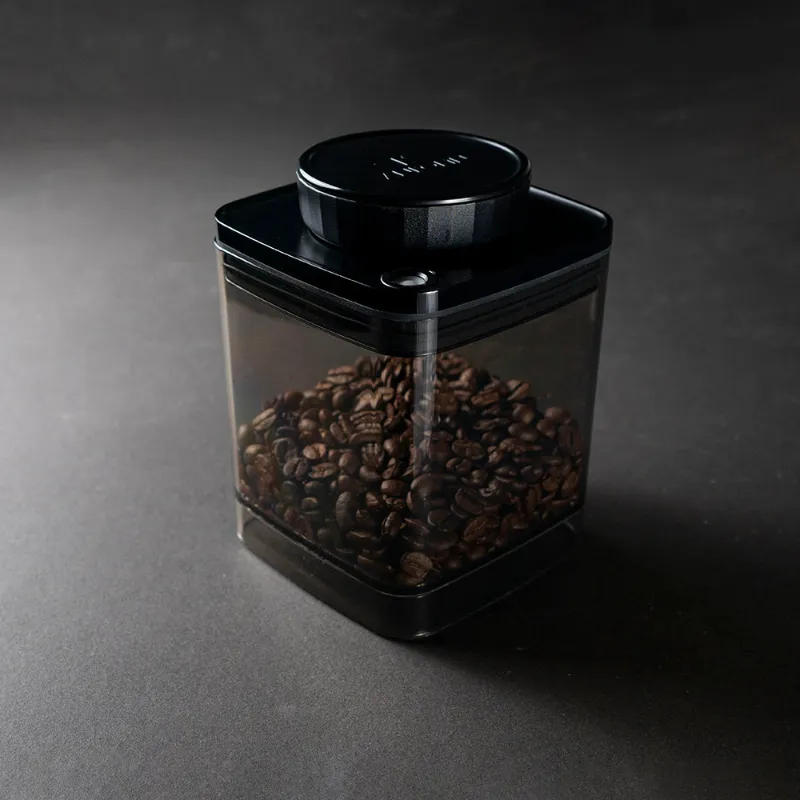
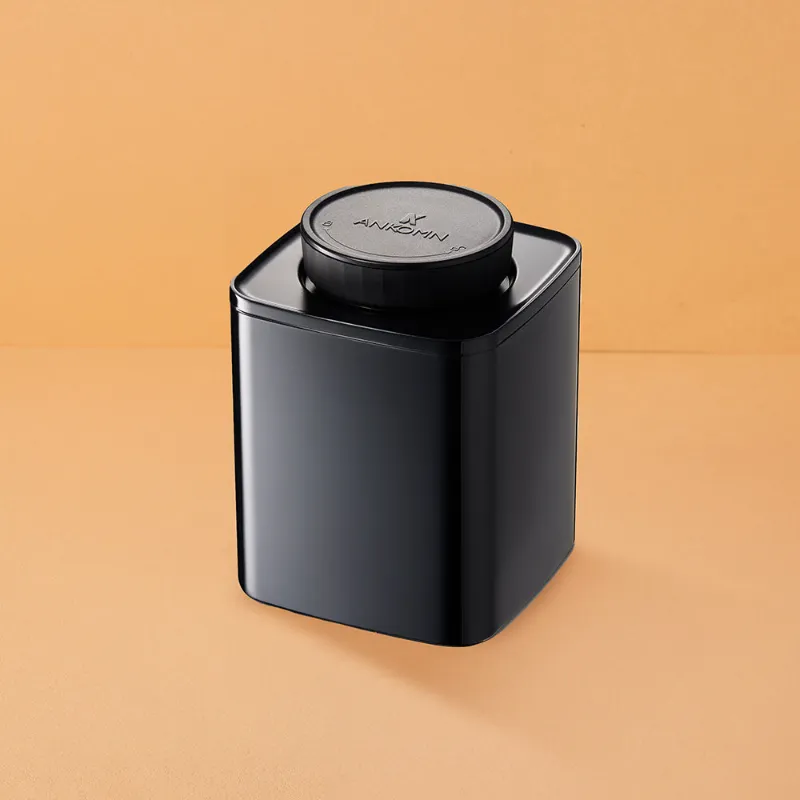
Keeping your vacuum coffee canister clean and its seal functioning properly ensures your beans stay fresh longer and your canister lasts years. Like any airtight storage solution, these containers need regular maintenance to perform at their best. Whether you own an ANKOMN coffee vacuum canister or a similar model, a few simple care habits will maximize freshness retention and prevent seal degradation over time.
Why Vacuum Seal Maintenance Matters
A vacuum coffee canister works by removing oxygen from the container, slowing staleness and flavor loss. When the seal degrades, air seeps back in and defeats that core benefit. Over months of daily use, residual coffee oils, dust, and moisture can build up on the sealing surfaces, weakening the airtight performance. Replacing worn seals and cleaning the container regularly keeps your storage working as designed and protects your coffee investment.
According to vacuum canister research, regular maintenance is one of the easiest ways to extend container life and maintain optimal freshness. A vacuum coffee canister in good condition will preserve beans far better than one with a compromised seal.
Cleaning Your Vacuum Coffee Canister
Start with a dry brush or soft cloth to wipe the interior after emptying. Dried coffee particles and ground residue can accumulate in corners and on the base. Use a small, soft-bristled brush to reach the bottom without scratching the interior surface.
For deeper cleaning:
- Rinse with warm water only, never hot water, which can warp seals or damage the container material.
- Use a lint-free cloth or paper towel to dry thoroughly before refilling.
- Avoid abrasive scrubbers or harsh soaps that may degrade seals or leave residue.
- For stubborn dried coffee, soak the container (empty, with lid off) in room-temperature water for 10-15 minutes, then gently wipe.
Pay special attention to the sealing ring and the lid’s underside, where moisture and oils accumulate fastest. These high-contact areas are where seal failure often begins. If you notice discoloration or stickiness on the seal, it’s time to clean more thoroughly or replace it.
Inspecting and Replacing Seals
Over time, rubber or silicone seals lose elasticity and develop small cracks or permanent deformation. A compromised seal means air can slip past, even when the vacuum button is pressed. Check your seal every three to six months.
Signs your seal needs replacement:
- The vacuum button no longer clicks or holds its position when pressed.
- The lid no longer sits flush against the container rim.
- You notice the seal is cracked, flattened, or has visible wear marks.
- The container no longer maintains vacuum pressure for several days after sealing.
Most vacuum canisters, including ANKOMN’s coffee vacuum canister line, use standard replacement seals that are widely available. Check the latest price on replacement seal kits or order a full replacement canister if needed. Seals typically cost far less than buying a new container, making replacement a smart maintenance move.
When installing a new seal, ensure it sits evenly in its groove and is fully seated before pressing the vacuum button. A misaligned seal will not create an airtight fit.
Storage Conditions for Canister Longevity
Beyond cleaning and seal replacement, where and how you store your vacuum coffee canister affects its performance. Keep it in a cool, dry place away from direct sunlight. Heat and humidity weaken rubber seals faster and can promote condensation inside the container, which harms coffee quality.
Avoid storing near heat sources like stovetops or espresso machines. If your canister sits on an open shelf, consider moving it to a cabinet where temperature and humidity are more stable. The longer your seal stays cool and dry, the longer it will maintain its vacuum function.
Comparison: Vacuum Canister Seals and Materials
Different canisters use different seal materials and designs. Understanding what your canister needs helps you find the right replacement and care regimen.
| Seal Type | Material | Typical Lifespan | Replacement Difficulty |
|---|---|---|---|
| Silicone rubber | Food-grade silicone | 12-24 months | Easy, widely available |
| Butyl rubber | Synthetic rubber | 6-12 months | Moderate, fewer options |
| Composite | Multi-layer rubber-plastic blend | 18-30 months | Moderate, check compatibility |
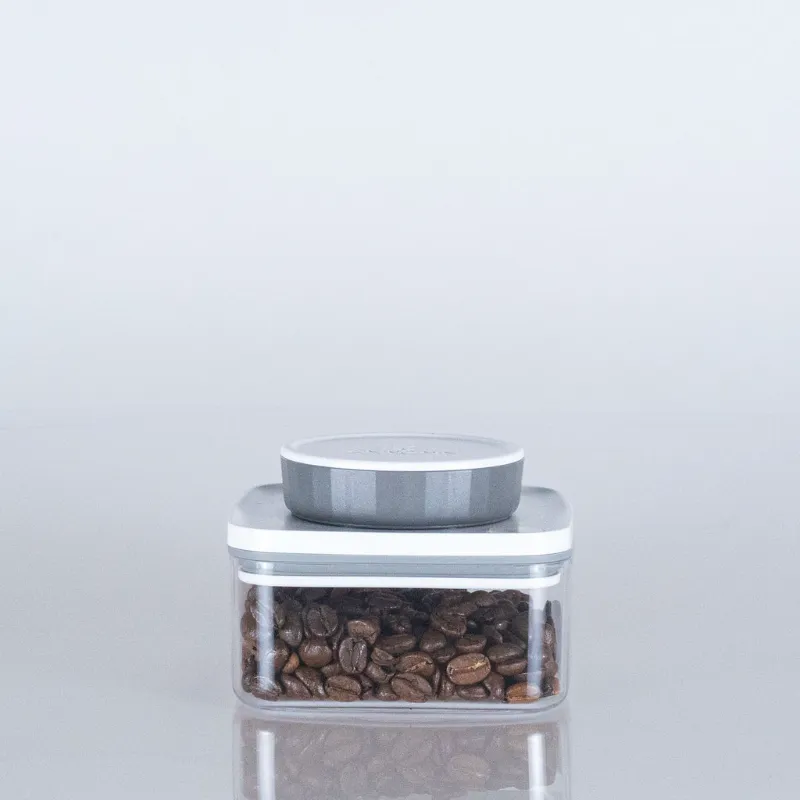
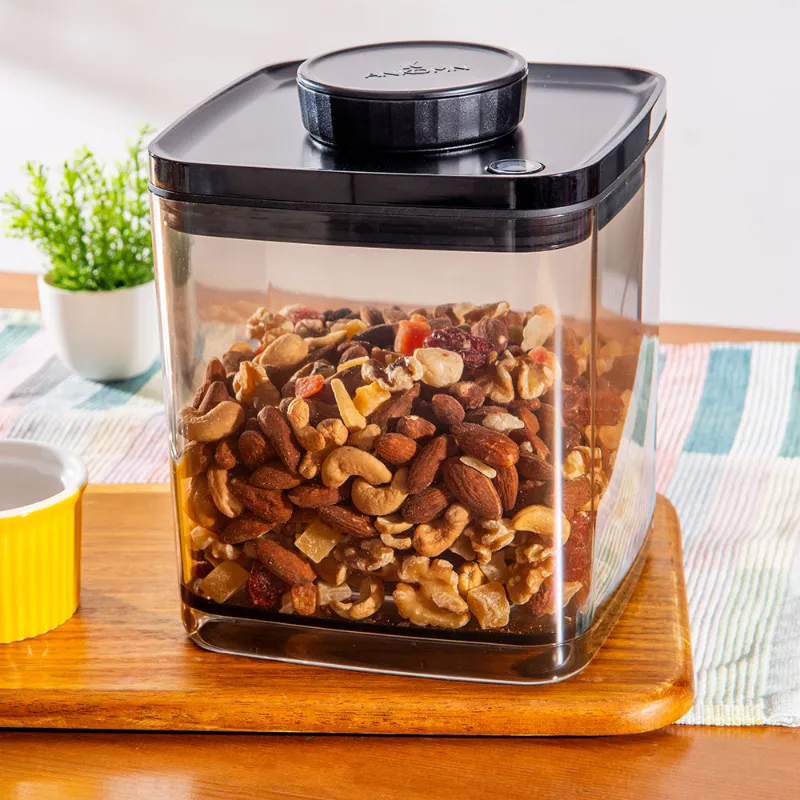
ANKOMN’s vacuum coffee canister uses durable food-grade silicone seals, which typically last 12-24 months with regular cleaning. If you also use ANKOMN containers for other foods, like a vacuum beans container or nut container: the same maintenance principles apply: clean after each use, inspect seals quarterly, and replace when performance drops.
Best Practices for Year-Round Care
Simple habits prevent seal failure and keep your canister working like new. Empty the container completely before washing, and never submerge the lid or seals in a dishwasher. Hand wash all parts separately. Always press the vacuum button after filling to re-establish the airtight seal, and check that the button stays depressed, if it pops back up immediately, your seal may be compromised.
Test your seal every few weeks by pressing the vacuum button and checking it 24 hours later. If the button has popped back up, air has seeped in. This is your cue to clean the seal thoroughly or order a replacement. According to independent testing, containers maintained this way consistently outperform neglected ones in long-term freshness studies.
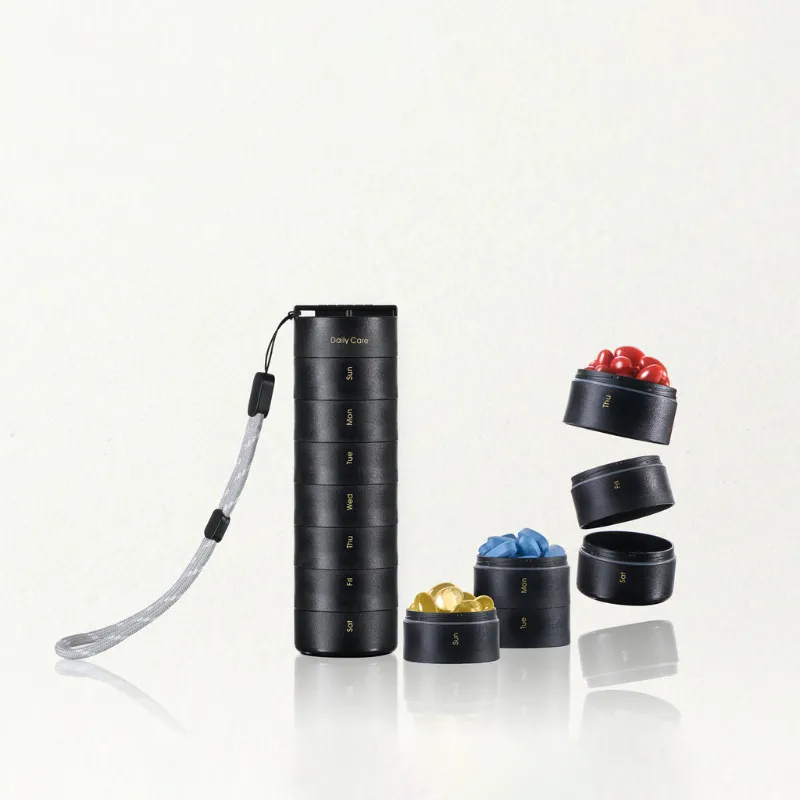
If you own multiple containers, such as a vitamin organizer or pill box alongside your coffee vacuum canister: apply the same care routine to all. Consistent maintenance across your airtight storage collection keeps everything performing at its peak.
When to Replace Your Entire Canister
Sometimes a seal replacement isn’t enough. If the container itself is cracked, dented beyond cosmetic repair, or the lid no longer threads properly, replacement is the better choice. Grab the code to get 12% off a new canister when it’s time to upgrade.
A well-maintained vacuum coffee canister can last 3-5 years or longer. With regular cleaning, seal inspections, and timely replacements, you’ll protect your investment and enjoy fresher coffee every morning.
Questions
How often should I clean my vacuum coffee canister?
Clean your canister each time you empty it. A quick dry wipe of the interior takes just a minute and prevents coffee residue buildup. For a deeper clean with water, aim for once a month or whenever you notice discoloration on the seal.
Can I put my vacuum canister in the dishwasher?
No. Hand wash the container and dry it thoroughly before reassembling. Dishwashers expose seals to high heat and harsh detergents that degrade rubber faster. The lid and sealing ring should never go in the dishwasher.
How do I know if my vacuum coffee canister seal is failing?
Test by pressing the vacuum button and checking it 24 hours later. If the button pops back up, your seal has lost pressure. You may also notice visible cracks on the seal, a lid that doesn't sit flush, or a mushy feel when pressing the button.
Where can I buy replacement seals for my ANKOMN vacuum canister?
ANKOMN sells replacement seal kits directly. [Check the latest price](/ankomn-discount-code/) and grab the 12% discount on replacement parts and new canisters.
What should I do if my vacuum seal is stuck and won't pop?
This usually means moisture or dried coffee oils are binding the seal. Soak the lid in lukewarm water for 15 minutes, gently work the button up and down, then dry completely. If it remains stuck, the seal may need replacement.
Do the same maintenance steps apply to other ANKOMN airtight containers?
Yes. Whether you own a [nut container](/go/p/8682), [vitamin organizer](/go/p/8680), or [airtight container for matcha powder](/go/p/8679), the cleaning and seal replacement routine is the same: dry brush, gentle hand wash, thorough drying, and seal inspection every few months.
Products in this guide
 Shopping at ANKOMN? See the discount code
12% OFF All Orders
Shopping at ANKOMN? See the discount code
12% OFF All Orders
More in this series
 The Complete Guide to Supplement Container Organization11 Sep 20263 minWhy Airtight Nut Containers Matter for Long-Term Storage11 Sep 20263 minCan a Vitamin Pill Box Prevent Pill Oxidation? What Storage Really Does11 Sep 20264 minBest Airtight Containers for Coffee Beans: Vacuum vs. Standard Seal11 Sep 20264 minHow to Store Matcha Powder to Keep It Fresh and Potent11 Sep 20264 min