 A ANKOMN guide
Best Airtight Containers for Coffee Beans: Vacuum vs. Standard Seal
A vacuum coffee canister removes oxygen to preserve bean freshness far longer than standard airtight containers.
A vacuum coffee canister removes oxygen to preserve bean freshness far longer than standard airtight containers. If you buy whole beans or care about brew quality over time, switching from a basic seal to vacuum storage makes a real difference.
How a Vacuum Coffee Canister Works vs. Standard Seals
A vacuum coffee canister pulls air out of the container after you add beans, creating a low-oxygen environment that slows oxidation and staleness. Standard airtight containers seal beans but leave air inside; oxygen gradually degrades flavor and aromatics.
The difference is measurable. Vacuum systems use a hand pump or spring-loaded valve to remove air, then seal with a one-way valve that lets excess pressure out without letting air back in. Standard airtight lids rely on rubber gaskets and locking clamps to block air flow, but the air that’s already inside remains active.
For beans you’ll use within 2-3 weeks, a standard airtight seal is adequate. For longer storage or if you buy in bulk, vacuum technology keeps beans noticeably fresher. Both types beat countertop storage, where beans go stale in days.
Why Material and Build Matter for Coffee Storage
Vacuum coffee canisters work best in opaque containers because light degrades oils and flavor compounds just like oxygen does. Look for stainless steel or thick plastic bodies that block UV.
The sealing component matters too. A quality one-way valve won’t jam or leak. Check that the gasket is food-grade silicone or rubber, and that any metal parts resist corrosion from coffee oils. Cheap valves either fail to create a true seal or become hard to operate after a few months.
Capacity also affects performance. A half-full canister with a lot of air space means the pump has to work harder to remove oxygen each time you open it. Canisters sized to your typical purchase (1-2 weeks of beans) minimize wasted space and improve vacuum retention.
Comparing Vacuum and Standard Options at a Glance
| Feature | Vacuum Canister | Standard Airtight |
|---|---|---|
| Oxygen removal | Active pump or valve | Passive seal only |
| Freshness window | 4-6 weeks | 2-3 weeks |
| Best for | Bulk buyers, long-term storage | Weekly users |
| Ease of use | Requires pump or release | Open and close |
| Price | Higher | Lower |
The 3 Best Coffee Canisters of 2026, Tested & Reviewed covers both styles in depth, and Making Coffee at Home: Vacuum Canisters Revisited explores the science behind why vacuum storage works.
What Size Vacuum Coffee Canister Do You Need
Most households do well with 500ml to 1L capacity. A 500ml holds about 4-6 oz of whole beans, enough for a week of daily brewing. A 1L canister lets you store 8-12 oz and reduces how often you pump.
If you buy specialty or freshly roasted beans from local roasters, smaller canisters (300-500ml) let you keep multiple origins separate without oxidation loss. Larger households or espresso users might prefer 1.5L or bigger.
Consider your freezer space too. Many people freeze beans in a vacuum canister for months-long storage. Make sure the canister you choose fits on a shelf or in your freezer without taking up excessive room.
Who Benefits Most from Vacuum Storage
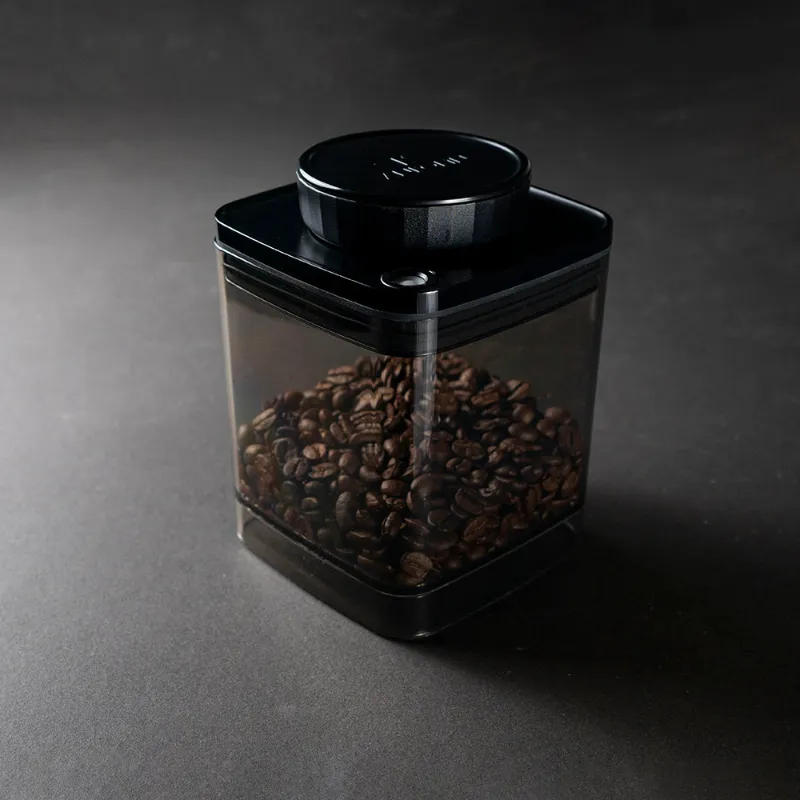
Specialty coffee drinkers see the biggest gain. If you spend $20+ per bag on single-origin or freshly roasted beans, a vacuum coffee canister pays for itself by keeping those expensive beans at peak flavor for weeks longer.
Bulk buyers also win. Buying a 2-3 month supply in bulk often costs less per ounce than frequent small purchases. A vacuum setup lets you stock up without sacrificing freshness mid-way through storage.
Casual coffee drinkers who use pre-ground beans or drink instant typically won’t notice a big difference. If you brew from whole beans but use them within a week, a standard airtight container works fine. But if you’re patient and enjoy comparing beans over time, or if you live somewhere humid, vacuum technology keeps your investment tasting better longer.
Caring for Your Container and Valve
The one-way valve is the most important maintenance point. Over time, sediment or coffee oils can make it sticky. A quick rinse under warm water and gentle drying keeps it responsive.
Wash the main container by hand with mild soap and warm water every month or two. Avoid dishwasher cycles, which can warp seals or damage the valve. Dry completely before refilling to prevent mold or moisture inside.
If the pump feels hard to push or the seal won’t hold, the gasket may need replacing. Most manufacturers sell replacement seals inexpensively. Keeping a spare on hand means you’re never without a working canister.
Where to Find the Best Vacuum Coffee Canister
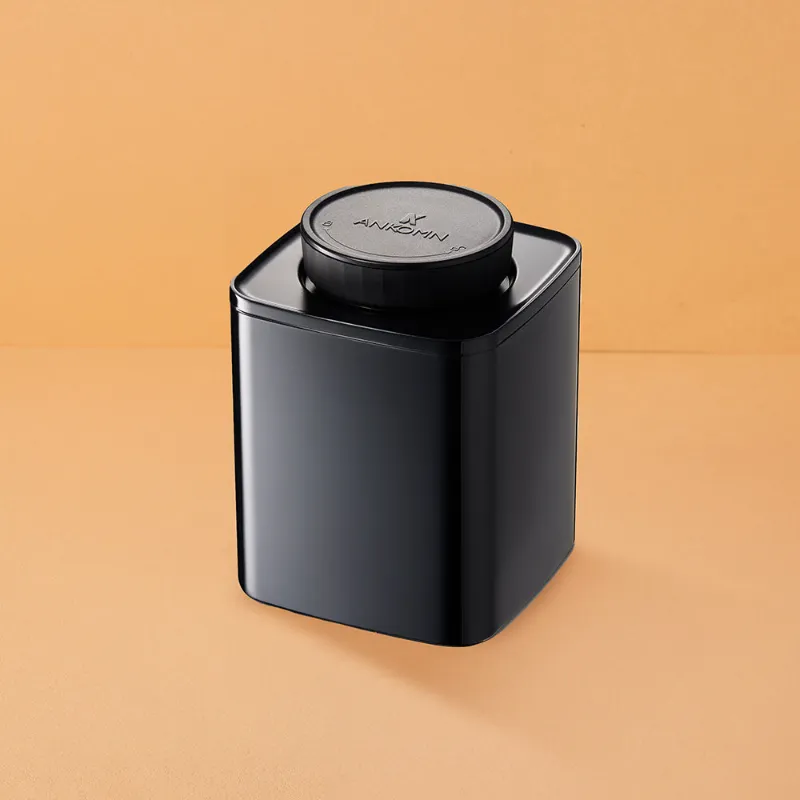
ANKOMN’s coffee vacuum canister is a solid choice if you want proven durability and a straightforward design. The airtight container for matcha line from the same maker shares the same pump-and-seal technology, so you know the engineering is consistent.
For a comparison or to see current pricing and availability, grab the code for 12% OFF All Orders and check what fits your budget. The 7 Best Coffee Canisters of 2026, Tested & Reviewed also reviews other top brands side by side if you want more options.
Store your best beans in a vacuum coffee canister in a cool, dark place, and they’ll stay fresh weeks longer than sitting in a standard container. If you buy good coffee, store it well.
Questions
How much longer does a vacuum coffee canister keep beans fresh?
Vacuum storage typically extends freshness to 4-6 weeks, compared to 2-3 weeks in a standard airtight seal. The timeline depends on roast date, bean origin, and storage temperature.
Can I use a vacuum coffee canister in the freezer?
Yes. Vacuum canisters work well for long-term freezer storage of beans. Thaw gradually to room temperature before opening to avoid condensation inside.
What's the difference between a vacuum canister and an airscape canister?
Both terms refer to canisters with active oxygen removal, but they use different mechanisms. Vacuum canisters typically use a manual pump, while Airscape uses a patented valve design. Performance is similar; choose based on your preference for pump operation.
Do I need to pump my vacuum coffee canister every time I open it?
Ideally, yes. A quick pump after you scoop beans restores the vacuum. If you open it multiple times daily, one pump per day is often enough.
Is a vacuum coffee canister worth the extra cost over a standard airtight container?
If you buy specialty beans, store in bulk, or keep beans longer than 3 weeks, yes. For weekly coffee drinkers using average beans, a standard seal is sufficient.
Can a vacuum coffee canister replace freezer storage?
For most users, a vacuum canister at room temperature or cool pantry conditions is better than freezing unless you're storing for months. Freezing requires thawing before opening to prevent moisture buildup.
Products in this guide
Shopping at ANKOMN? See the discount code
12% OFF All Orders
More in this series
Coffee Canister Maintenance: Cleaning and Replacing Vacuum Seals11 Sep 20264 minThe Complete Guide to Supplement Container Organization11 Sep 20263 minWhy Airtight Nut Containers Matter for Long-Term Storage11 Sep 20263 min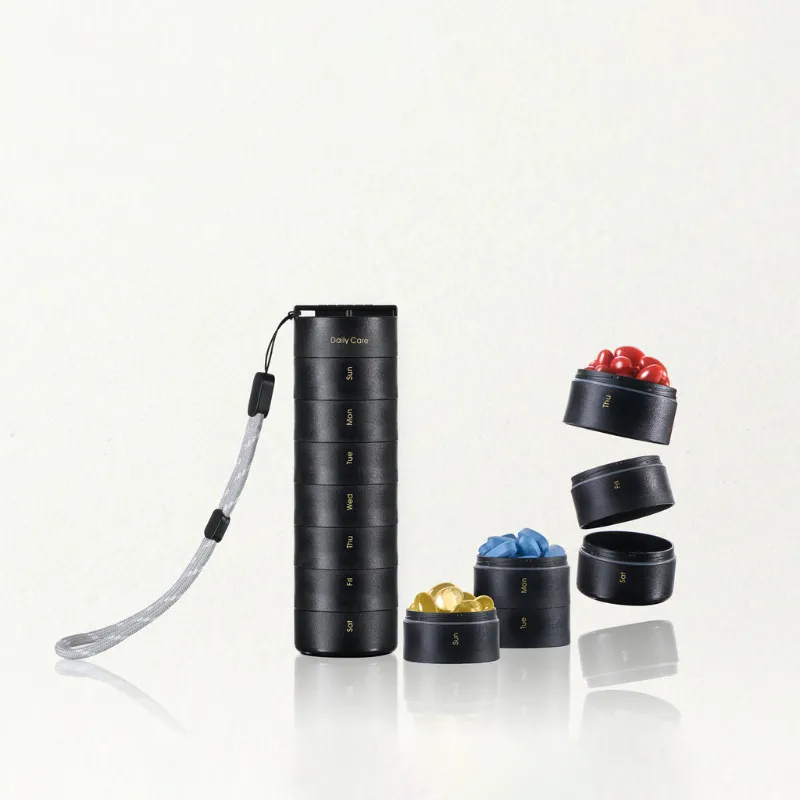 Can a Vitamin Pill Box Prevent Pill Oxidation? What Storage Really Does11 Sep 20264 minHow to Store Matcha Powder to Keep It Fresh and Potent11 Sep 20264 min