 A Vtuvia Ebike guide
How to Clean and Maintain Your Electric Hunting Bike After Off-Road Use
Keep your electric hunting bike in top shape with our cleaning and maintenance guide for the Vtuvia biketu after rugged off-road use.
Your electric hunting bike takes a beating every time you roll it through mud, dust, and creek crossings. That’s why cleaning and maintaining it properly after each ride isn’t optional, it’s what keeps you in the field and out of the repair shop. For the current code, see our Vtuvia Ebike codes and deals.
Why Your Electric Hunting Bike Needs Regular Maintenance
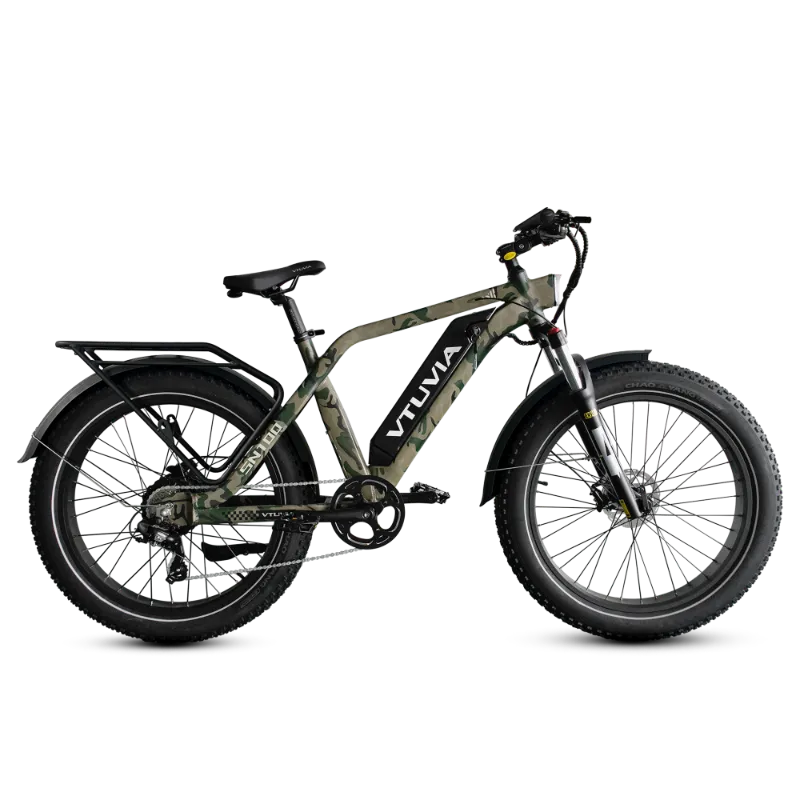
Off-road grime isn’t just ugly. Mud holds moisture against electrical connections, dust works its way into bearings and drivetrain components, and dried-on debris can seize moving parts. A neglected electric hunting bike is more likely to strand you miles from the truck. Regular cleaning also lets you spot loose bolts, worn brake pads, or chain stretch before they cause real damage. For more on how these bikes are used in the field, see the RMEF Media guide.
What You Need Before You Start Cleaning
Gather these supplies before you touch the bike. Using the wrong tools can do more harm than good.
- A bucket of warm water and mild dish soap or a dedicated bike cleaner
- Soft-bristle brushes (a detail brush set works great for nooks)
- A gentle spray nozzle or a garden hose with a low-pressure setting
- A clean microfiber cloth and a separate rag for the drivetrain
- Chain degreaser and dry chain lube
- Dielectric grease for electrical contacts
- A torque wrench if you plan to remove wheels or tighten bolts
Avoid pressure washers. Forced water can breach sealed bearings and push grit into the motor housing. Stick to low-pressure rinsing.
Step-by-Step Cleaning Process for Your Electric Hunting Bike
Follow this order to keep water and grime away from sensitive electronics.
1. Remove the battery first. Wipe the battery contacts with a dry cloth and set the battery aside in a dry place. Never submerge the battery or spray water directly into its port.
2. Rinse loose debris. Use your low-pressure hose to knock off the thickest mud. Focus on the wheels, frame, and underside of the fenders.
3. Scrub the frame and suspension. Dip your brush in soapy water and work from the top down. Pay special attention to the head tube area and around the motor casing where mud likes to pack in.
4. Clean the drivetrain. Apply degreaser to the chain, cassette, and derailleur. Let it sit for a few minutes, then scrub with a stiff brush and rinse.
5. Dry everything thoroughly. Use a microfiber cloth to dry the frame, suspension stanchions, and all electrical contact points. Let the bike air out in the shade until everything is dry.
6. Lubricate the chain. Apply a dry chain lube to each link while rotating the pedals backward. Wipe off excess lube so it doesn’t attract more dirt.
Maintaining Key Components: Battery, Motor, and Drivetrain
Treat the battery with care. After cleaning, store the battery at room temperature, and if you won’t ride for a few weeks, follow Vtuvia’s battery maintenance guide (linked from its battery listing) for the storage charge level. Keep the battery contacts clean and apply a thin layer of dielectric grease to prevent corrosion.
For the motor, inspect the wiring harness and connectors after each wash. Look for cracked insulation or loose plugs. A quick spray of contact cleaner on the motor connectors helps displace moisture. If you ride in deep water, ask Vtuvia what water exposure the motor is rated for.
The drivetrain on a class 1 ebike also carries the torque from the motor. Check chain wear regularly using a chain wear indicator tool. Replace the chain before it stretches enough to wear out the cassette. Wipe and relube the chain after every wet ride.
Upgrading Your Ride: Seats, Throttles, and Locks
A few quality upgrades make your electric hunting bike more comfortable and more secure when you leave it in the field.
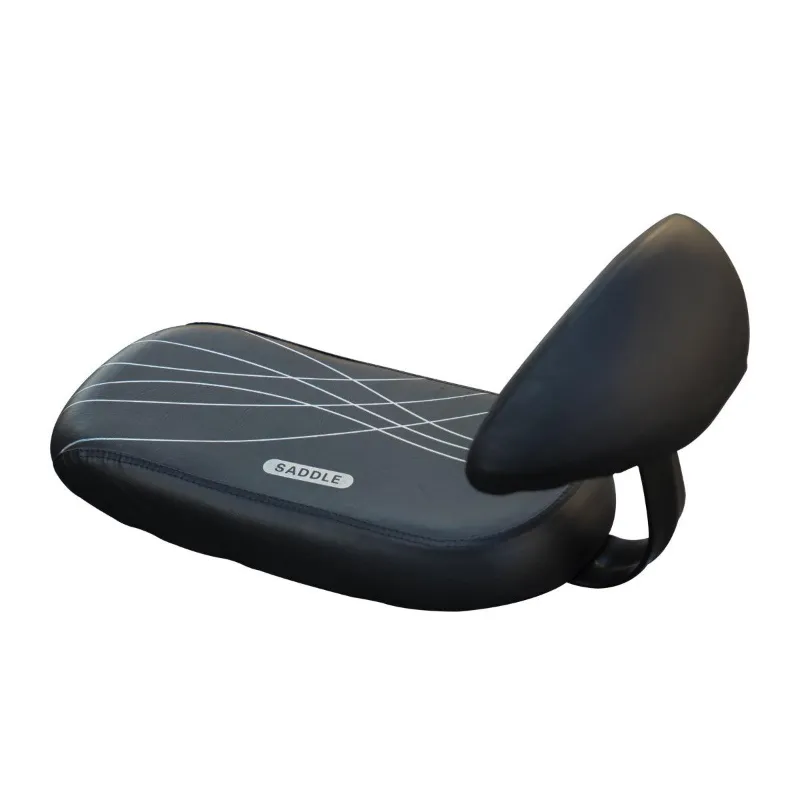
If you spend long hours on the saddle, consider swapping the stock seat for a wider e bike seat with extra padding. Seats with a cutout channel are another option to compare.
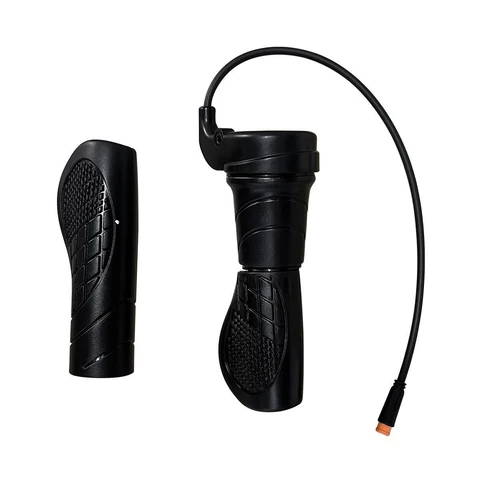
For riders who want burst assistance without pedaling, adding an ebike throttle gives you instant power for crossing a ditch or pushing through a thicket. Check the throttle connection regularly for dirt buildup and keep the housing clean.
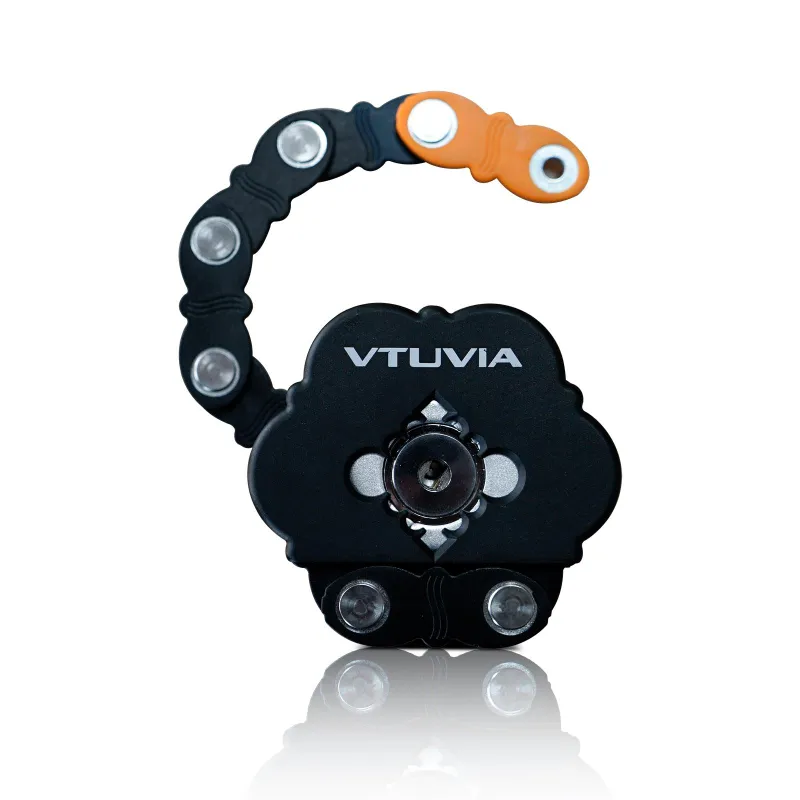
Security matters when you’re packing meat out or walking a ridge to glass for game. A quality electric bike lock: ideally a hardened U-lock or folding lock, paired with a cable loop through the wheels and frame, adds layers against a quick grab. Ebike locks with a built-in alarm are another option.
Transporting Your Electric Hunting Bike With RV Bike Racks
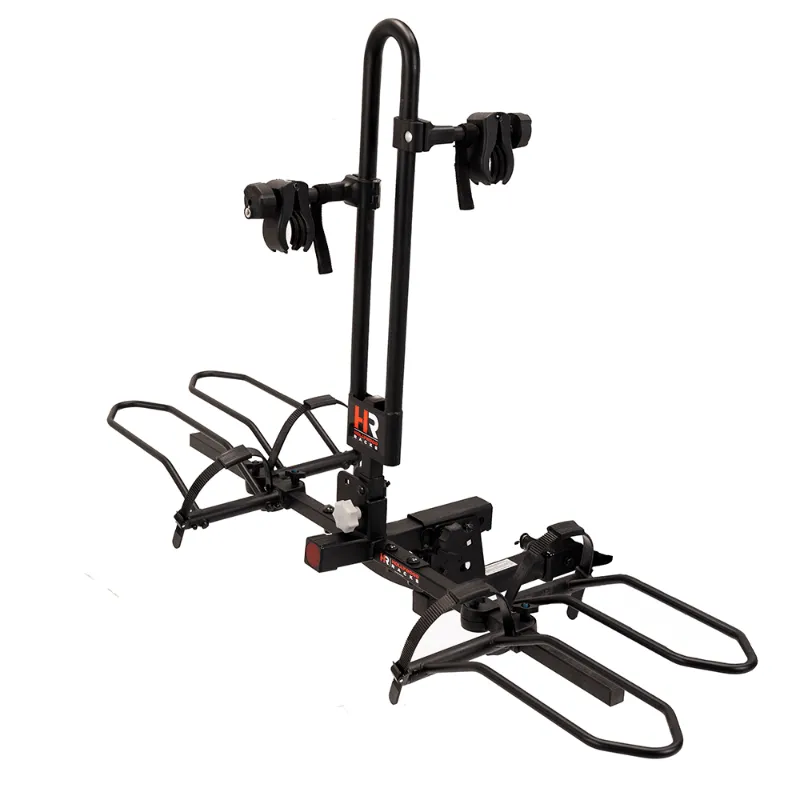
If you haul your bike behind an RV or camper, you need a rack that can handle the weight. Check the rack’s per-bike rating against your bike’s weight; Vtuvia’s RV Rider rack, for example, is listed for two e-bikes of up to 80 lbs each. A dedicated rv bike carrier with a ramp or tilt feature makes loading much easier after a long day in the field.
Look for rv bike racks that secure the wheels with locking straps rather than hooks that can scratch the frame. Before every trip, check that the rack’s hitch pin is tight and that all straps are snug. Clean the rack’s moving parts and pivot points with a spray lubricant to prevent rust.
When to Service Your Class 1 Ebike vs DIY
You can handle routine cleaning and basic maintenance (chain lube, bolt checks, brake pad inspection) at home with the right tools. But there are times to hand it off to a shop. If you hear grinding from the motor, notice the battery not holding a charge, or find play in the suspension linkage, take it to a certified ebike mechanic.
For model comparisons, see Outdoor Life’s review of the best electric bikes for hunting. Clean and check your Vtuvia after each ride so it is ready for the next hunt.
Questions
Can I pressure wash my electric hunting bike?
No. Pressure washers force water past sealed bearings, into the motor housing, and into electrical connectors. Stick to a garden hose with a low-pressure spray nozzle or a bucket of soapy water and a soft brush.
How often should I clean the Vtuvia biketu after hunting trips?
Clean it after every off-road ride, especially if you travel through mud, sand, or wet grass. At minimum, wipe down the drivetrain and check the battery contacts.
What is the best electric bike for hunting in muddy conditions?
Look for fat tires, a motor with a published water resistance rating, and a removable battery so you can clean the bike without risking damage. Vtuvia lists 26" x 4" fat tires and a removable battery on its SN100 Hunting Ebike.
Do I need special locks for my electric hunting bike when I leave it in the field?
Yes. A standard cable lock is easy to cut with basic tools. Use a hardened U-lock or folding lock, ideally an electric bike lock with an alarm feature. Pair it with a cable through both wheels and the frame.
How do I maintain the ebike throttle after off-road use?
Wipe the throttle housing clean after each ride and check the connection point where it plugs into the wiring harness. If the throttle feels sticky, spray a small amount of contact cleaner into the housing and work the mechanism gently. Never use heavy grease on the throttle.
Can I use an RV bike carrier for a heavy hunting e-bike?
Yes, if it is rated for your bike's weight. Look for a dedicated rv bike carrier whose per-bike rating is above your bike's weight and that includes locking wheel straps; Vtuvia lists its RV Rider rack at up to 80 lbs per bike. A ramp makes loading easier.
Products in this guide
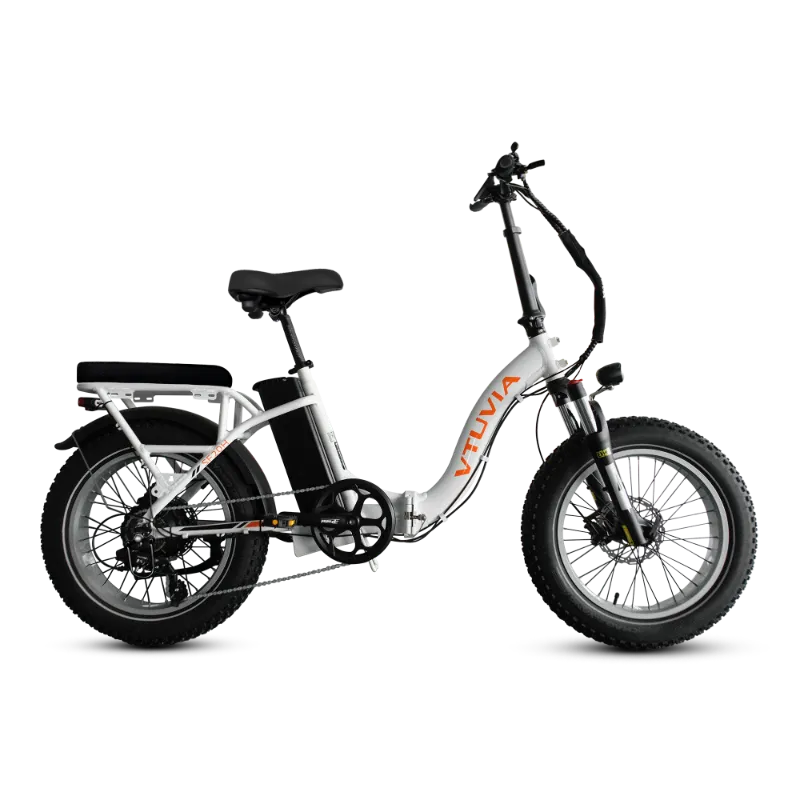
 Shopping at Vtuvia Ebike? See the discount code
$100 OFF All Orders
More in this series
How to Lock an Electric Bike Outdoors for Long-Term Storage27 Aug 20263 minEbike Throttle Not Working? How to Troubleshoot It Step by Step27 Aug 20263 minWhat to Look for in an RV Bike Rack That Can Carry Heavy Ebikes27 Aug 20264 minHow to Install an Ebike Throttle on a Vtuvia or Class 1 Ebike27 Aug 20265 minVtuvia SF20H vs SN100: Which Ebike Suits Your Riding?27 Aug 20263 min