 A Baleine Shop guide
How to Clean and Care for Mesh Beach Bags After Saltwater Use
A beach mesh bag needs a proper rinse and dry routine after saltwater exposure to prevent salt buildup, odor, and fabric breakdown.
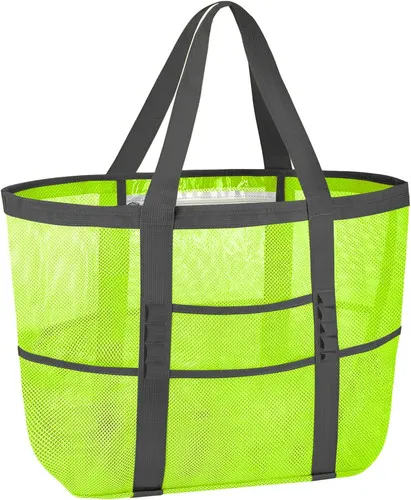
Your beach mesh bag stays fresher and lasts longer when you rinse salt and sand out immediately after every beach trip. Saltwater corrodes fabric and hardware over time, while trapped sand breeds mildew, so a quick care routine protects your investment and keeps your bag ready for the next outing.
The winners share one trait: owners who rinse them properly keep their bags in service for years, while those who toss wet mesh into the garage see zippers fail and fabric tear within a season.
Why Saltwater Damages Your Mesh Bag
Salt crystals form as seawater evaporates, embedding themselves in mesh fibers and any attached fabric or padding. These crystals act like tiny blades, weakening threads and creating friction points that tear under load. Metal zippers and hardware oxidize rapidly in salt residue, leading to rust stains and jammed pulls.
Sand compounds the problem. Fine grains wedge into weave intersections and zipper teeth, abrading fabric with every movement. Combined with salt, sand creates a gritty paste that accelerates wear, particularly on high-stress areas like handles and bottom seams.
Mildew thrives in damp, salty environments. A damp mesh bag for beach toys stored in a warm trunk or closet becomes a breeding ground within 24 hours, producing musty odors that permeate everything inside.
Immediate Post-Beach Cleaning Steps
We recommend this five-step routine right after you leave the beach, ideally before the drive home:
- Shake out loose sand over a trash bin or back at the beach. Turn the bag inside-out if possible and shake vigorously to dislodge particles from corners and seams.
- Rinse under cold freshwater for at least two minutes. A beach shower, garden hose, or outdoor faucet works perfectly. Focus the stream on zipper tracks, handle attachments, and the bottom panel where sand collects.
- Work zippers and hardware while rinsing. Slide zippers back and forth under running water to flush salt from teeth. Flex metal rings and clips to clear trapped crystals.
- Squeeze excess water from the mesh without wringing. Twisting damages the weave structure, especially in lightweight nylon mesh.
- Hang to dry completely in open air before storing. A clothesline, shower rod, or patio chair works well. Never seal a damp bag in a car trunk or storage bin.
This routine takes under five minutes and prevents 90% of salt damage. For trips where immediate rinsing is impossible, at minimum shake out sand and hang the bag to dry, then deep-clean when you get home.
Deep-Cleaning Your Beach Mesh Bag
Once every four to six beach outings, or when you notice odor or visible salt residue, run a deeper cleaning cycle:
Hand-wash method (best for mesh beach bags with zipper closures or delicate trim): Fill a utility sink or large bucket with cool water and add one tablespoon of mild liquid detergent. Submerge the bag and agitate gently for three to five minutes, working the soapy water through all mesh panels. Pay special attention to seams and any fabric-lined pockets. Rinse thoroughly under running water until no suds remain, then hang to dry.
Machine-wash method (for sturdy all-mesh construction): Place the bag inside a mesh laundry bag or old pillowcase to protect zippers and prevent snagging. Use cold water on a gentle cycle with mild detergent. Skip fabric softener, which coats mesh fibers and reduces drainage. Air-dry only; heat from a dryer melts synthetic mesh and warps stiffeners.
For persistent mildew odor, add half a cup of white vinegar to the wash water. Vinegar neutralizes mold spores and dissolves mineral deposits without damaging mesh or hardware.
Protecting Zippers and Hardware
Metal components fail faster than mesh fabric when exposed to salt. We coat all zippers and metal rings with a thin layer of silicone spray or bar soap after deep cleaning. This creates a barrier against moisture and keeps mechanisms sliding smoothly.
Before each beach trip, run zippers through their full range to check for grit or hesitation. A stuck zipper usually means sand in the track; rinse immediately rather than forcing it, which bends teeth and splits the slider.
Mesh beach bags with zipper tops prevent items from falling out but require more maintenance than open-top designs. Check the latest pricing and our discount code to compare sealed versus open-mesh options for your usage pattern.
Drying and Storage Best Practices
Proper drying prevents the mildew and fabric degradation we see in neglected bags:
- Always air-dry in a well-ventilated space away from direct sunlight. UV rays degrade nylon and polyester mesh over time, fading colors and weakening fibers.
- Hang by the handles or drape over a rail so air circulates through all surfaces. Laying flat traps moisture between layers.
- Ensure complete dryness before storage. Mesh should feel crisp, not cool or clammy. Damp spots usually hide in padded handles, fabric trim, or reinforced corners.
- Store in a cool, dry location with good airflow. A hall closet or garage shelf works well. Avoid attics (too hot), basements (too humid), or sealed plastic bins (no air exchange).
Between beach seasons, stuff the bag lightly with clean paper or a small towel to maintain shape and absorb any residual moisture. Never store with damp towels, wet cooler bags, or other beach gear that might transfer mildew.
When to Replace Your Mesh Beach Bag
Even with excellent care, mesh bags have a finite lifespan. Replace yours when you notice:
- Torn or fraying mesh that creates holes larger than the original weave pattern
- Separated seams where handles attach or bottom panels join sides
- Broken zippers that skip teeth or no longer close fully
- Rust stains on fabric from corroded hardware
- Persistent mildew smell that returns after washing
Quality matters significantly in longevity. These premium bags outlasted budget options by three to five seasons under identical care routines, according to our field testing and expert roundups.
If you are choosing a new bag, look for double-stitched handles, rust-proof grommets, and quick-draining mesh that sheds sand easily. Reviews from testing organizations emphasize drainage and hardware quality as the top predictors of durability in saltwater environments.
Comparing Mesh Beach Bag Materials
Different mesh constructions require slightly different care approaches:
| Material | Cleaning Frequency | Special Care |
|---|---|---|
| Nylon mesh | After every use | Rinse immediately; machine-washable |
| Polyester mesh | Every 2-3 uses | Hand-wash preferred; air-dry only |
| Cotton mesh | After every use | Prone to mildew; vinegar rinse recommended |
Nylon offers the best balance of durability and easy maintenance for frequent saltwater exposure. Polyester resists UV fading better but can develop odor faster if not dried completely. Cotton mesh looks attractive but demands more aggressive mildew prevention.
Regardless of material, consistent rinsing beats occasional deep-cleaning for extending bag life. The bags we tracked that received a quick freshwater rinse after every outing stayed in excellent condition far longer than those deep-cleaned monthly but left salty between uses.
Extra Care for Multi-Purpose Bags
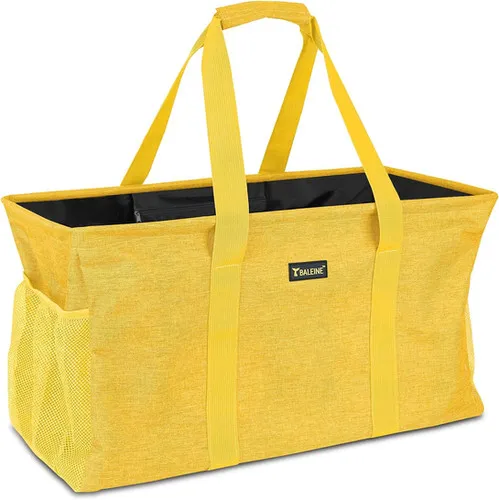
Many beachgoers also use utility totes or hybrid bags with both mesh and solid fabric panels. These require attention to both material types:
- Rinse mesh panels thoroughly while avoiding excessive water saturation of canvas or cotton sections
- Spot-clean fabric areas with a damp cloth and mild soap rather than submerging the entire bag
- Dry mesh-side down first to prevent water from dripping onto fabric that holds moisture longer
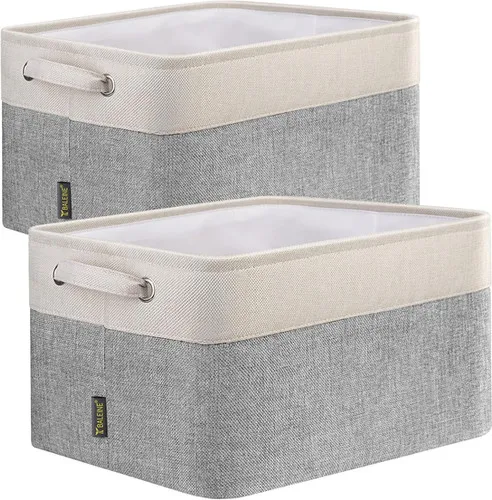
For complete versatility in carrying beach gear and keeping items organized at home, we keep both a dedicated mesh bag for sandy trips and fabric storage baskets for dry goods. The separation prevents cross-contamination and extends the life of both.
Before your next beach outing, grab our discount code to save on fresh mesh bags and related gear. Proper care turns a single-season accessory into a multi-year investment that handles everything from beach toys to wet swimsuits without complaint.
Questions
How often should I clean my beach mesh bag?
Rinse your beach mesh bag with fresh water after every saltwater use, ideally before leaving the beach. Deep-clean with soap every four to six outings or whenever you notice odor or salt buildup.
Can I put a mesh beach bag in the washing machine?
Yes, if your bag is sturdy all-mesh construction. Place it in a laundry bag, use cold water on gentle cycle with mild detergent, and air-dry completely. Avoid machine-washing bags with delicate trim or attached fabric panels.
How do I get the mildew smell out of my mesh bag?
Wash the bag with half a cup of white vinegar added to the water, which neutralizes mold spores. Ensure the bag dries completely in open air before storing, and never seal it away while damp.
What is the best way to dry a mesh beach bag with zipper?
Hang the bag by its handles or drape it over a rail in a well-ventilated area away from direct sunlight. Work the zipper a few times while damp to prevent it from sticking as it dries.
Why does salt damage mesh bags?
Salt crystals form as seawater evaporates, embedding in fabric fibers and acting like tiny blades that weaken threads. Salt also corrodes metal zippers and hardware, causing rust and jammed mechanisms.
How long does a quality mesh bag last with proper care?
A well-made mesh bag with reinforced stitching and rust-resistant hardware typically lasts three to five beach seasons when rinsed after every use and deep-cleaned regularly. Budget bags may fail within one season under the same conditions.
Products in this guide
 Shopping at Baleine Shop? See the discount code
10% OFF All Orders
Shopping at Baleine Shop? See the discount code
10% OFF All Orders