 A LiTime guide
How to Choose the Right LiFePO4 Battery for Your RV or Marine Setup
A marine starting battery built on LiFePO4 chemistry delivers faster cranking power and longer lifespan than traditional lead-acid options for boats and RVs.
Why LiFePO4 Chemistry Matters for Marine and RV Applications
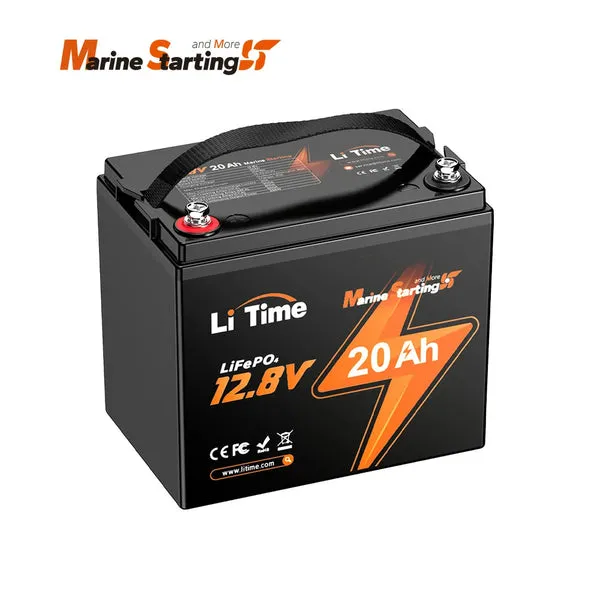
A marine starting battery built on LiFePO4 chemistry delivers faster cranking power and longer lifespan than traditional lead-acid options for boats and RVs. LiFePO4 batteries weigh up to 70% less, tolerate deeper discharge cycles, and recharge in a fraction of the time. For marine environments where weight, vibration, and salt exposure matter, lithium iron phosphate stands out as the most stable and safest lithium chemistry.
When you compare a conventional starting battery to a LiFePO4 alternative, the difference shows in cold-cranking amps, cycle life, and maintenance. LiFePO4 packs deliver consistent voltage under load, meaning your engine starts reliably even after weeks of storage.
Understanding Marine Starting vs. Deep Cycle vs. Dual Purpose
Marine batteries fall into three categories: starting, deep cycle, and dual purpose. A true marine starting battery lithium model optimizes high discharge rates for seconds at a time to crank an engine. Deep-cycle batteries sustain lower currents over hours to power trolling motors, lights, and appliances. Dual-purpose designs attempt both roles but often compromise on peak cranking amps or cycle depth.
Starting batteries differ from deep-cycle designs in internal plate construction. Starting cells use thinner plates with more surface area for bursts of power, while deep-cycle cells feature thicker plates that resist sulfation during prolonged discharge. LiFePO4 technology bridges this gap better than lead-acid because the same lithium cell can handle both high-rate cranking and moderate depth-of-discharge cycling without degradation.
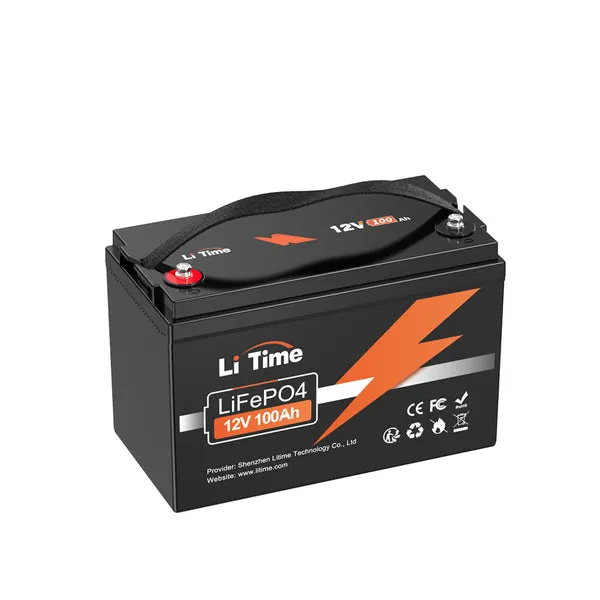
For RV house banks or sailboat auxiliary power, pair a dedicated baterie lifepo4 for deep-cycle loads with a separate starting pack, or choose a dual-purpose LiFePO4 rated for both. Check the manufacturer’s CCA (cold-cranking amps) and continuous discharge rating to confirm the battery suits your engine size and accessory load.
Key Specifications: Capacity, Voltage, and BMS Features
Capacity (Amp-Hours): Your RV or boat’s power budget dictates minimum capacity. A 100 Ah 12v battery typically supports a weekend of lights, water pump, and small inverter loads, while larger systems may need 200 Ah or more. Remember that LiFePO4 delivers usable capacity down to 20% state-of-charge, whereas lead-acid should not drop below 50%.
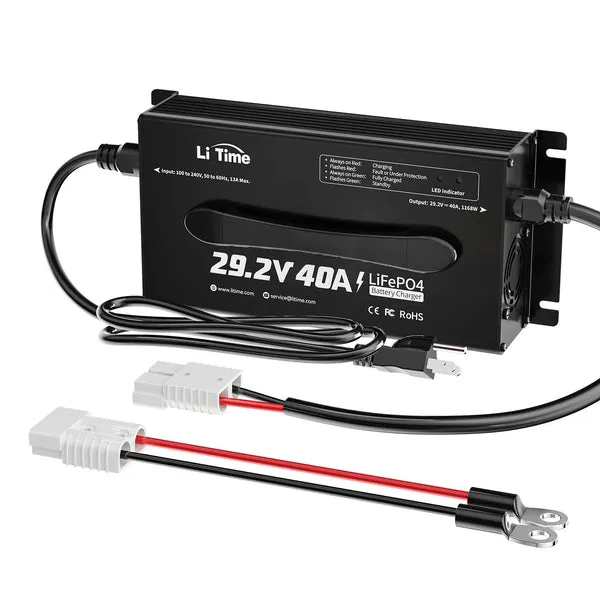
Voltage and Series Configuration: Most marine and RV systems run on 12V, but larger motorhomes and yachts may use 24V or 48V banks. You can wire identical LiFePO4 cells in series to double or quadruple voltage, but every cell in the string must share the same capacity and age. A charger 24v battery becomes essential if you build a 24V house bank.
Battery Management System (BMS): Every quality lithium battery includes a BMS that monitors cell voltage, temperature, and current. Look for:
- Over-voltage and under-voltage cutoff to prevent cell damage
- Temperature protection that pauses charging below freezing or above 60°C
- Short-circuit and over-current shutdown for fire safety
- Cell balancing to equalize charge across series-connected cells
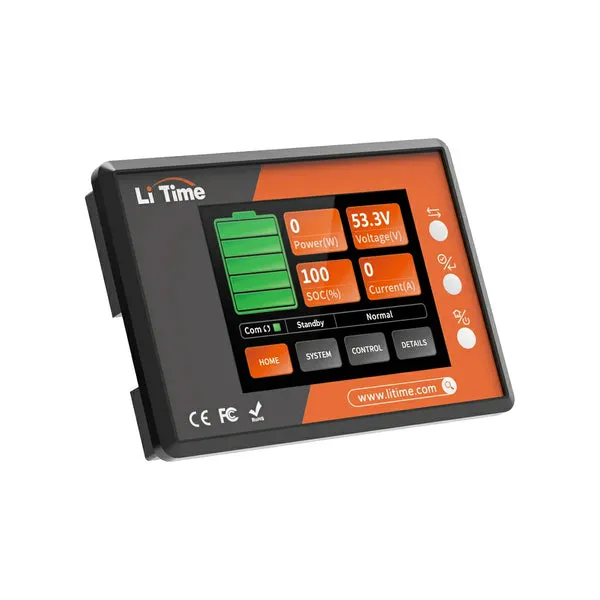
Advanced models add Bluetooth telemetry or rs485 rs485 communication for integration with monitoring panels. If you plan to parallel multiple batteries, confirm the BMS supports it or choose packs with external balancers.
Choosing the Right Group Size and Form Factor
Marine batteries follow standardized group sizes like Group 24, Group 27, and Group 31, which define physical dimensions and terminal layout. A marine starting battery group 31 measures roughly 13 × 6.8 × 9.4 inches and fits most engine bays designed for heavy-duty lead-acid blocks. Smaller pontoons and center consoles often use a marine starting battery 27 or Group 24 footprint.
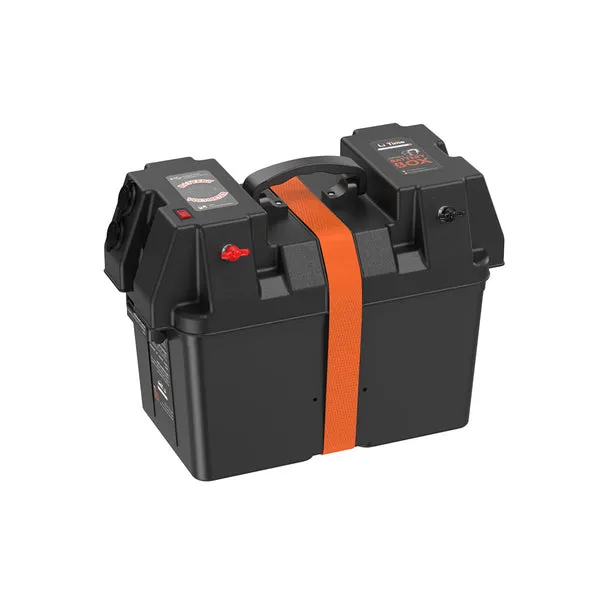
LiFePO4 packs in the same group size weigh far less, so secure them with hold-down straps rated for the lighter mass. If your battery tray has extra room, you can fit a higher-capacity pack or add a battery box for weather protection and terminal covers. Always verify terminal type (top-post, stud, or dual) matches your cables.
For RVs, check whether your compartment has height or width restrictions. Some Class B vans require low-profile packs, while fifth-wheels and Class A coaches offer generous bays that accommodate multiple litime batteries in parallel for extended boondocking.
Charging Infrastructure: Alternators, Shore Power, and Solar
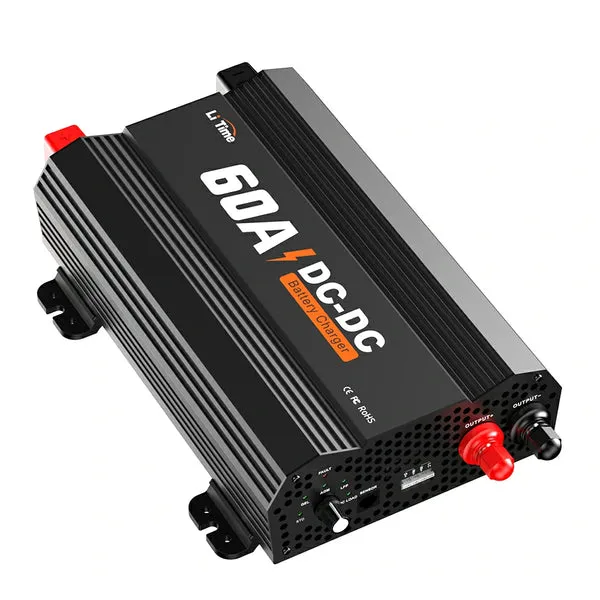
Alternator Compatibility: Most vehicle alternators output 13.8 to 14.4 V, which safely charges LiFePO4 cells. However, a dc to dc charger isolates the starter battery from the house bank, applies a proper LiFePO4 charge profile (14.4 to 14.6 V bulk, no float), and prevents alternator overload. This component is essential if your house bank exceeds 200 Ah or your alternator lacks temperature compensation.
Shore and Generator Charging: A lithium battery charger replaces your old lead-acid converter. Select a model with a LiFePO4 preset that skips the equalization stage and holds absorption voltage briefly before dropping to zero (LiFePO4 does not need float). Confirm the charger’s output current matches your battery’s maximum charge rate, typically 0.5C to 1C (50 A to 100 A for a 100 Ah pack).
Solar Panels and MPPT Controllers: LiFePO4 accepts charge faster than lead-acid, so your solar array can fully replenish the bank in fewer daylight hours. Configure your MPPT controller for LiFePO4 chemistry and set absorption to 14.4 V, float to 13.6 V (or disable float entirely). This maximizes cycle life and prevents the BMS from disconnecting due to over-voltage.
Before you buy, grab the latest discount code to save on compatible chargers and batteries for your complete system.
Installation Tips and Safety Considerations
- Ventilation: LiFePO4 cells do not off-gas hydrogen, so sealed compartments are safe. Still, ensure airflow around the BMS to dissipate heat during high-current discharge.
- Fusing and Breakers: Install a Class T fuse or circuit breaker rated for your inverter’s surge current within 18 inches of the positive terminal. A 200 A breaker suits most 3000 W inverter setups.
- Cable Sizing: Use marine-grade tinned copper cable sized for 3% voltage drop at maximum continuous load. A 100 A load over 10 feet requires 2 AWG cable; a 200 A load over the same distance needs 1/0 AWG.
- Temperature Monitoring: If you store batteries in an unheated compartment, add a low-temperature cutoff relay or heater mat. LiFePO4 cannot accept charge below 0°C without damaging the anode.
Check that your lithium ion battery mounting brackets fasten securely, because even a light pack can shift in rough seas or off-road travel. Vibration-damping pads reduce stress on terminal connections.
Comparing Top LiFePO4 Options for RV and Marine Use
| Feature | Group 24 | Group 27 | Group 31 |
|---|---|---|---|
| Typical Capacity | 50 to 75 Ah | 75 to 100 Ah | 100 to 125 Ah |
| Weight | 13 to 18 lbs | 18 to 24 lbs | 24 to 30 lbs |
| Best For | Small boats, Class B vans | Mid-size pontoons, campers | Larger sailboats, Class A RVs |
When you shop, confirm the manufacturer lists marine starting battery 1000 mca (marine cranking amps) or the CCA equivalent if you need reliable cold-weather starts. Some suppliers label dual-purpose cells as “starting” without the burst current to match, so read the datasheet carefully.
For extended off-grid stays, pair your house bank with golf cart batteries configured for 24V or 48V if your inverter-charger and solar controller support higher voltages. This reduces cable losses and opens the door to larger inverter systems.
Final Checklist Before You Buy
- Measure your battery tray and confirm group size compatibility.
- Calculate daily amp-hour consumption and add 20% margin.
- Verify your charger supports LiFePO4 charge profiles or budget for a new unit.
- Check BMS features for temperature protection and Bluetooth monitoring.
- Compare warranty terms and cycle-life ratings (2000+ cycles at 80% DoD is standard).
- Review current deals to apply our 5% discount code at checkout.
By matching battery chemistry, capacity, and charging infrastructure to your RV or marine setup, you gain reliable power, faster recharge times, and years of maintenance-free service. Whether you need a best marine starting battery for a bass boat or a multi-battery house bank for a liveaboard cruiser, LiFePO4 technology delivers the performance and safety modern adventurers demand.
Questions
Can I replace my lead-acid marine starting battery with a LiFePO4 battery directly?
Yes, as long as the LiFePO4 pack matches the group size and your charging system supports 14.4 to 14.6 V absorption voltage. You may need to update your charger or add a DC to DC charger to protect the alternator and apply the correct charge profile.
What is the difference between marine cranking amps and cold cranking amps?
Marine cranking amps (MCA) measure starting power at 32°F, while cold cranking amps (CCA) measure at 0°F. MCA ratings are typically 20 to 25% higher than CCA for the same battery. Choose based on the coldest temperature you expect to encounter.
How many cycles can I expect from a LiFePO4 marine battery?
Quality LiFePO4 batteries deliver 2000 to 5000 cycles at 80% depth of discharge, compared to 300 to 500 cycles for flooded lead-acid. Actual lifespan depends on charge rates, temperature, and how deeply you discharge each cycle.
Do I need a special charger for LiFePO4 batteries?
Yes. LiFePO4 requires a charger with a dedicated lithium profile that holds 14.4 to 14.6 V during absorption and skips equalization and float stages. Using a lead-acid charger can trigger BMS shutdowns or reduce cycle life.
Can I mix LiFePO4 and lead-acid batteries in the same system?
Not in parallel or series. The two chemistries have different charge voltages and discharge curves, so mixing them causes imbalanced charging and shortened lifespan. Run separate banks with isolated chargers if you need both types.
What group size should I choose for a 25-foot center console boat?
A Group 24 or Group 27 marine starting battery typically provides enough cranking amps for outboards up to 250 HP. If you also run electronics and a livewell, consider a dual-purpose Group 27 or separate starting and house batteries.
Products in this guide
Shopping at LiTime? See the discount code
5% OFF All Orders