 A VLOXO guide
How to Choose Between a Thermal Tattoo Printer and Tattoo Stencil Printer
A tattoo stencil printer and thermal tattoo printer serve different needs, so your choice depends on your workflow, budget, and the detail level you need.
A tattoo stencil printer and thermal tattoo printer serve different needs, so your choice depends on your workflow, budget, and the detail level you need. Both technologies have earned their place in professional studios, but they excel in different scenarios.
Understanding the tattoo stencil printer vs thermal printer difference
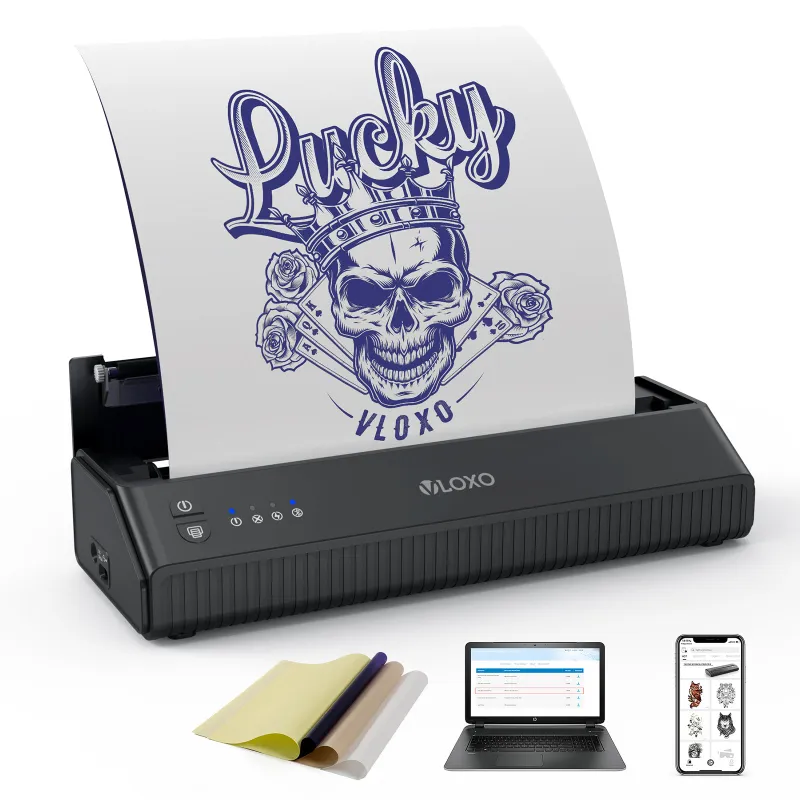
The core distinction comes down to how each transfers your design onto skin. A tattoo stencil printer uses traditional thermal paper to print a stencil you apply directly. A thermal tattoo printer heats special ink onto paper, creating a dark transfer that sticks longer and shows more detail during the session.
Stencil printers are faster and more affordable if you work with simple, bold designs. Thermal printers cost more upfront but deliver crisper lines and better detail retention, especially for intricate work. Many artists keep both on hand, switching based on the tattoo’s complexity.
Speed and workflow: which tattoo stencil printer technology saves time
If you’re tattooing back-to-back clients, processing speed matters. The tattoo stencil printer prints stencils in seconds and requires minimal prep. You can print, cut, and apply without waiting for cooling or special handling.
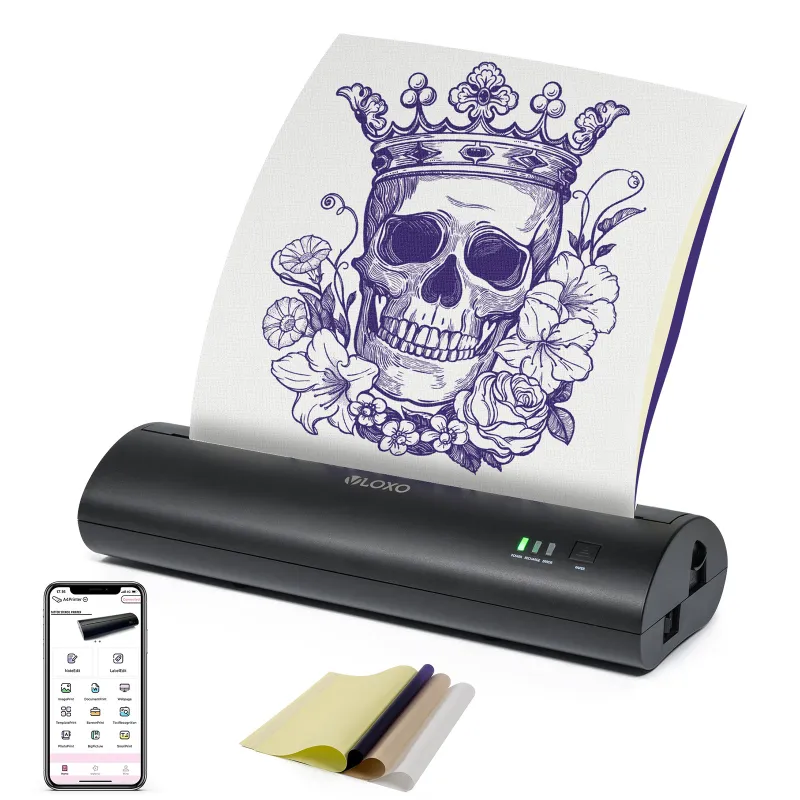
A thermal tattoo printer takes slightly longer because the thermal transfer process requires time for the ink to set properly. However, you gain precision that can cut touch-up work later, potentially saving you time overall.
For high-volume studios or walk-in appointments, the traditional stencil printer workflow feels faster. For custom, detailed pieces where accuracy prevents rework, thermal’s extra seconds are worth it.
Print quality and detail: thermal tattoo printer precision vs stencil clarity
Thermal technology produces sharper, darker lines that hold on skin longer during the tattooing process. This is critical for detailed designs, fine linework, and color placement guides. The thermal tattoo printer doesn’t fade mid-session the way some stencil transfers can.
A tattoo stencil printer still delivers solid results for bold designs, traditional work, and pieces where the client’s body curvature demands a simpler stencil. The transfer stays visible long enough for most standard sessions.
If your specialty is photorealistic or highly detailed custom work, thermal technology gives you the edge. If your bread and butter is traditional, neo-traditional, or bold geometric designs, a good stencil printer handles it perfectly.
Cost considerations: initial investment and ongoing supplies
Stencil printers have a lower entry price and cheaper consumables. You’re buying thermal paper and little else. The tattoo stencil printer makes sense if you’re starting out or testing whether your studio needs dedicated stencil equipment.
Thermal printers cost more for the unit itself and the special thermal paper it requires. Check the latest price with our 5% sitewide code to compare options side by side. Over time, if you’re printing dozens of stencils daily, thermal supply costs add up, but the reduction in do-overs and client satisfaction often justifies it.
Best for beginners: starting with the right tattoo stencil printer
New artists often benefit from starting with a tattoo stencil printer because the workflow is simpler and the margin for error is smaller. You learn stencil placement and transfer technique without worrying about thermal paper feed or heat settings.
As your speed and detail work improve, upgrading to a thermal tattoo printer becomes a natural next step. Many studios operate this way: stencil for foundational training, thermal for advanced portfolio pieces.
Complementary tools for your tattoo setup

Your printer choice might influence other gear you’ll want. Artists using thermal for detail work often pair it with a head fan or visor with fan to stay cool during longer sessions and keep stencil transfer areas dry.
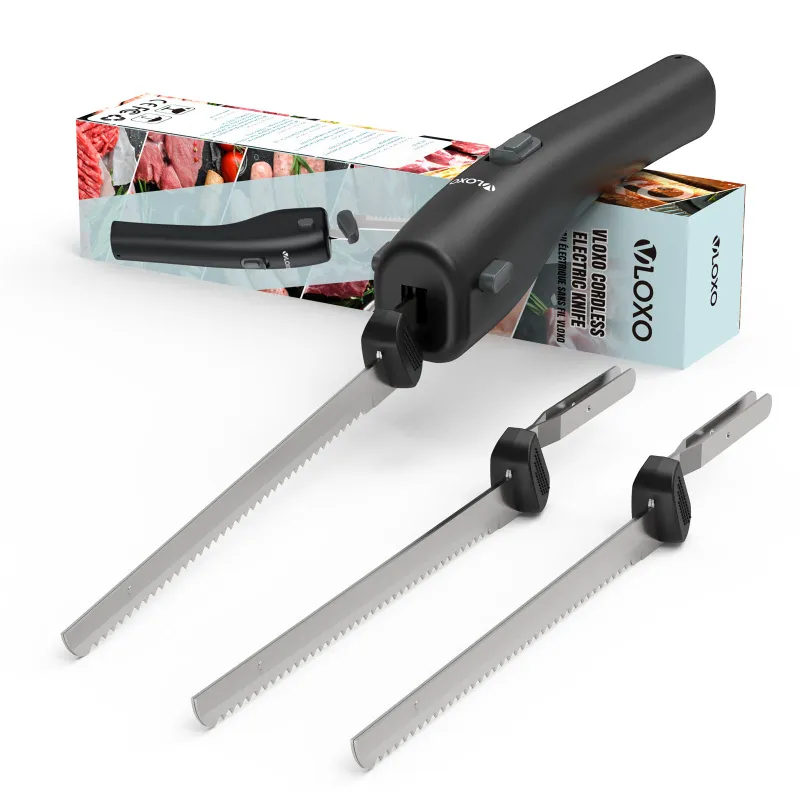
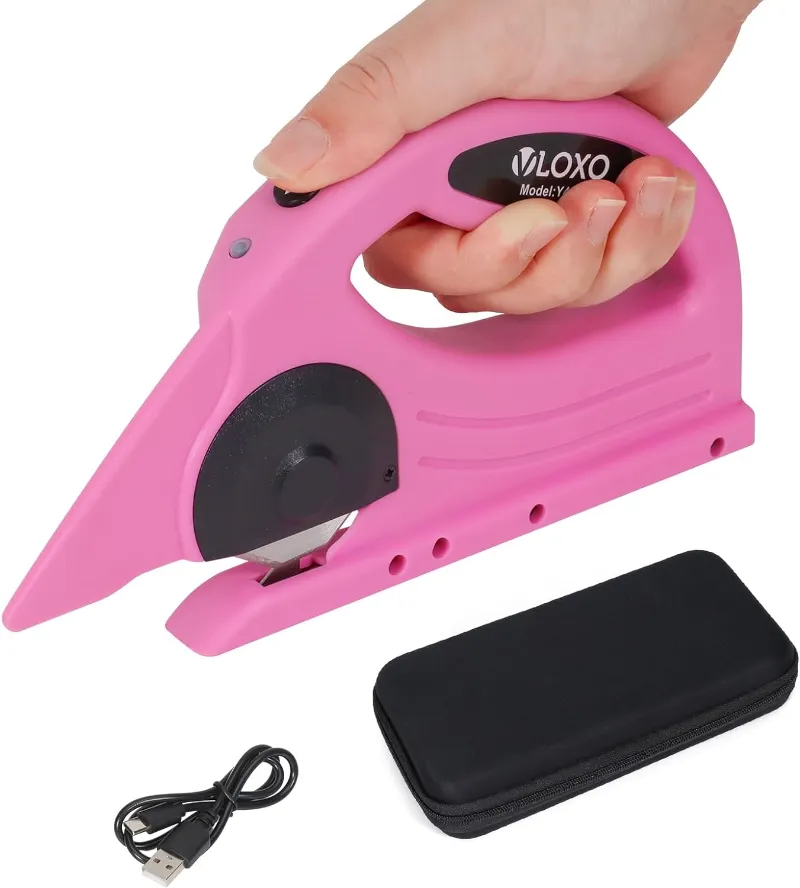
For finishing and cleanup, tools like the cordless power knife and vloxo cordless electric scissors make trimming stencils and prepping clean faster. These aren’t dependent on your printer choice, but they fit seamlessly into any modern studio workflow.
Making your choice: which technology suits your practice
| Factor | Tattoo Stencil Printer | Thermal Tattoo Printer |
|---|---|---|
| Speed | Very fast | Slightly slower |
| Print quality | Good for bold work | Sharp detail and fine lines |
| Upfront cost | Lower | Higher |
| Supply cost | Very affordable | Moderate |
| Best for | Traditional, quick sessions | Custom, detailed designs |
If you tattoo traditional, tribal, and bold designs, a tattoo stencil printer is the logical choice. If you specialize in realism, micro-detail, or custom color work, invest in a thermal tattoo printer.
Many studios thrive with both. The stencil printer handles the daily volume and simple work; the thermal printer steps in for the portfolio pieces that define your skill. Grab the code to explore your options and get 5% off your entire purchase.
Questions
Can a tattoo stencil printer handle detailed designs?
A traditional tattoo stencil printer works fine for moderately detailed designs, but thermal technology holds detail better during long sessions. For photorealistic or fine linework, thermal is the safer choice.
How long does a stencil transfer last on skin during a tattoo?
Most stencil transfers hold for 45 minutes to over an hour, depending on skin moisture and prep. Thermal transfers typically last longer and with darker lines, reducing the need to reapply mid-session.
What's the best tattoo stencil printer for beginners on a budget?
A traditional stencil printer costs less upfront and has a simpler learning curve. Many artists start with a basic model, then upgrade to thermal once their technique and volume justify the investment.
Do I need special paper for a thermal tattoo printer?
Yes. Thermal printers require proprietary thermal paper designed for the heat transfer process. Regular stencil paper won't work and will damage the printer.
Can I use a tattoo stencil printer and thermal printer in the same studio?
Absolutely. Many professional studios run both setups, the stencil printer for fast daily work and high volume, the thermal printer for detailed custom pieces and portfolio builds.
Which printer is better for tattoos with curved lines on body contours?
A tattoo stencil printer's simpler, bolder transfers often work better on curves because they're easier to stretch and fit without distortion. Thermal's fine detail can split across curves unless carefully placed.
Products in this guide
 Shopping at VLOXO? See the discount code
5% OFF Sitewide
Shopping at VLOXO? See the discount code
5% OFF Sitewide
More in this series
Cordless Power Knife vs. Cordless Electric Carving Knife: Which Cuts Better?8 Sep 20265 minTattoo Stencil Printer Setup and Maintenance: Keeping Your Thermal Printer Working8 Sep 20265 minDo Cordless Electric Scissors Really Hold an Edge? What to Know Before You Buy8 Sep 20264 minBest Cordless Electric Knives for Carving and Food Prep8 Sep 20264 min