 A Wowangel guide
Can You Braid Human Braiding Hair Like Natural Hair?
Human braiding hair braids exactly like natural hair when you prep and section it correctly, giving you flexible, natural-looking protective styles.
Yes, you can braid human braiding hair exactly like natural hair. Because it’s made from real human strands, it holds tension, blends seamlessly, and responds to the same braiding techniques you’d use on your own hair. The key difference is preparation: human hair for braids needs to be washed, conditioned, and slightly stretched before you start, so it doesn’t tangle mid-braid.
Whether you’re installing box braids at home or prepping for a salon visit, this guide walks you through everything you need to know about working with real human hair for braiding.
Why Human Braiding Hair Behaves Differently Than Synthetic
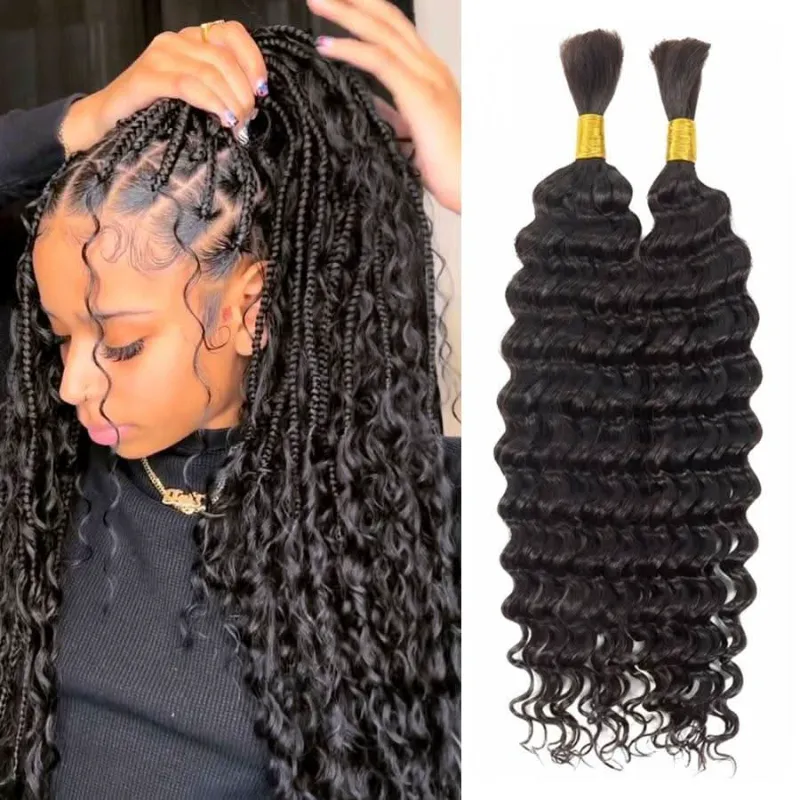
Real human braiding hair grips and locks into place because each strand has a natural cuticle layer. Synthetic fibers are smooth plastic, so they slide and unravel unless you burn the ends. Human hair, by contrast, fuses with your natural texture when you use proper tension and a clean part.
The trade-off is moisture management. Human hair absorbs water and product, so it can frizz or shrink if you skip the prep step. Synthetic hair is pre-stretched and uniform, but it never looks as natural under sunlight or when you pull it into an updo.
When human hair works best:
- Box braids that need to last four to eight weeks
- Twists and cornrows where you want a matte, textured finish
- Styles that require heat styling or color matching
- Clients with sensitive scalps who react to acrylic fibers
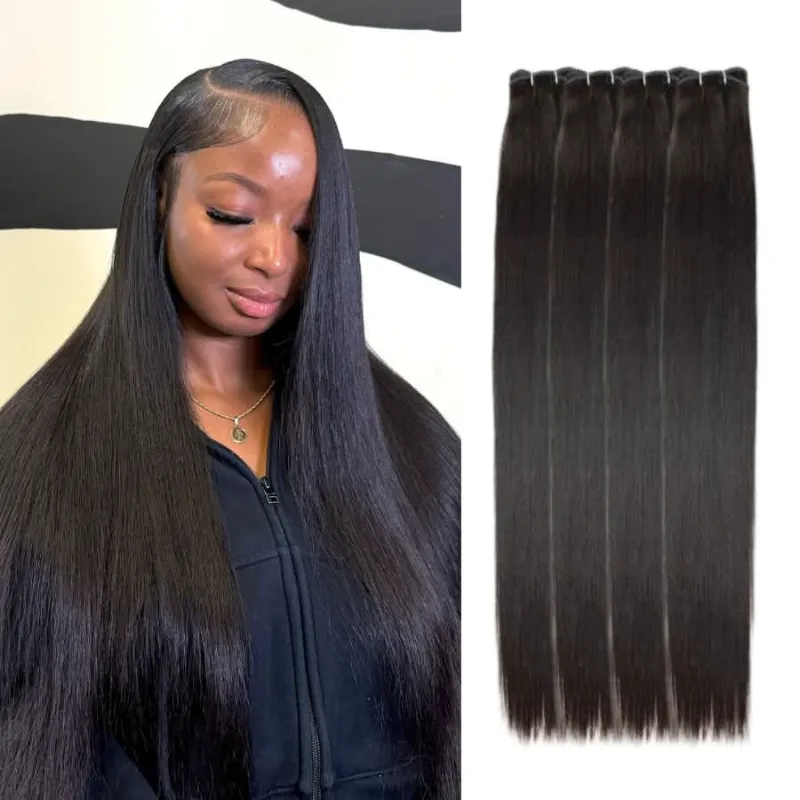
If you’re comparing options, check out human hair bundles for longer lengths or 100 human hair bundles if you need multiple packs for a full head of knotless braids.
How to Prep Human Braiding Hair Before You Start
Straight-from-the-pack human hair tangles the moment you start sectioning. We recommend a 20-minute prep routine that saves hours of frustration later.
Step-by-step prep:
- Wash in lukewarm water with a sulfate-free shampoo to remove factory coating and shed hairs.
- Condition for five minutes, focusing on the ends. Rinse thoroughly.
- Towel-blot and air-dry 80 percent before you blow-dry on low heat. Human hair shrinks when wet, so drying it stretched keeps the length consistent.
- Separate into workable sections (usually four to six bundles per full head). Secure each with a loose band.
- Lightly mist with leave-in conditioner or braid spray right before you start each row.
For curly textures, consider human braiding hair curly options that match your natural curl pattern. HotBraids offers detailed texture guides if you’re unsure which grade to order.
Best Techniques for Braiding With Human Hair
Human hair grips better than synthetic, so you can use a looser hand tension without sacrificing hold. Start each braid with a three-strand foundation, adding small amounts of extension hair as you move down the length.
Key techniques:
- Feed-in method: Add thin layers of human hair every inch to create a tapered, natural-looking braid. This works beautifully with best human braiding hair that has intact cuticles.
- Knotless start: Braid your natural hair first for half an inch, then introduce the extension hair. This reduces scalp tension and prevents breakage.
- Two-strand twists: Human hair locks faster in twists than synthetic because the cuticles catch on each other. Twist away from your face for a uniform direction.
- Cornrows: Use a rat-tail comb to create clean parts, then braid flat against the scalp. Human hair stays put without gel or edge control.
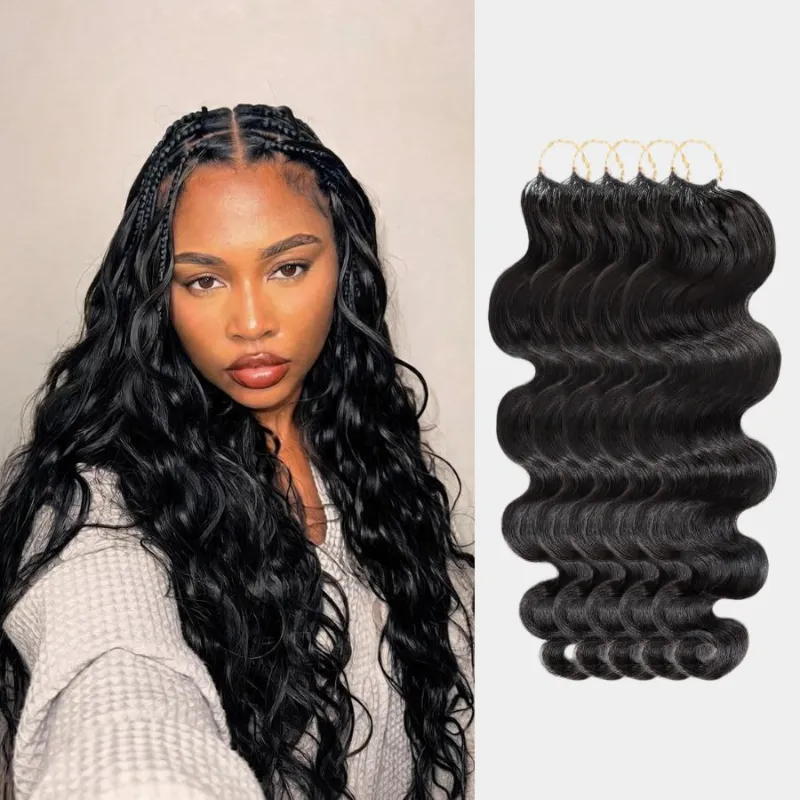
If you’re layering textures, pair straight human braiding hair with crochet hair extensions for added volume at the crown, or finish box braids with a 2×6 closure for a seamless parting.
Comparing Human Braiding Hair to Synthetic and Blended Options
Not every protective style needs 100 percent human hair. Here’s when each type makes sense.
| Hair Type | Best For | Lifespan |
|---|---|---|
| Human braiding hair | Box braids, twists, heat styling | 6-10 weeks |
| Synthetic (Kanekalon) | Budget installs, bold colors, short-term styles | 2-4 weeks |
| Blended (human + synthetic) | Medium hold, pre-stretched texture | 4-6 weeks |
Human hair costs two to three times more than synthetic, but you can reuse it for a second install if you detangle and wash it carefully. Human Hair Braiding Hair by ISeehair breaks down the different grades (Remy, virgin, single-donor) if you want to dive deeper into quality tiers.
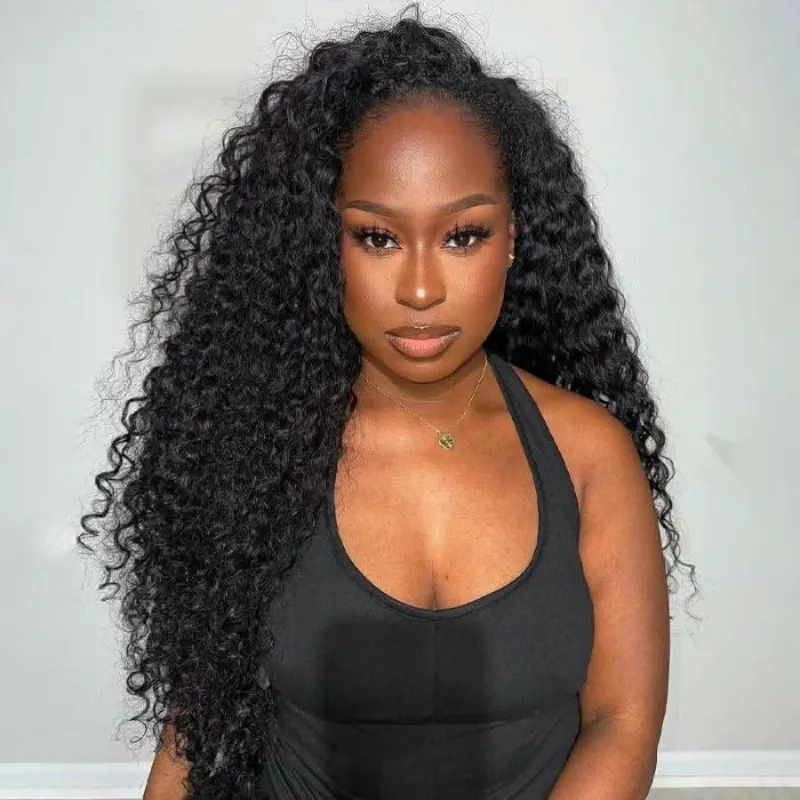
For clients who want the realism of human hair but need a quicker install, half wigs or a burmese curly half wig can mimic braided crowns without the eight-hour commitment. A 613 human hair wig also works as a blonde base for colorful braiding experiments.
Caring for Braids Made With Human Hair
Human braiding hair needs moisture and protection, just like the hair growing from your scalp. The difference is that extension hair has no sebum supply, so it dries out faster.
Weekly maintenance:
- Spray with a water-and-oil mix (three parts distilled water, one part jojoba or grapeseed oil) every other day. Focus on the length, not the roots.
- Wrap at night with a satin scarf or bonnet. Human hair frizzes against cotton pillowcases.
- Wash every two weeks by diluting shampoo in a spray bottle and working it into your scalp with your fingertips. Rinse in the shower, letting the water run down the braids.
- Avoid heavy creams that coat the hair and attract lint. Lightweight serums work better.
If you notice frizz at the roots after three weeks, you can carefully rebraid the first inch without redoing the entire style. For pricing on touch-up bundles or bulk orders, grab the code for 23 percent off.
Who Should Choose Human Braiding Hair Over Alternatives
Human hair works best for clients who plan to keep their protective style for more than a month, want the option to flat-iron or curl their braids, or have a history of allergic reactions to synthetic fiber coatings.
Ideal candidates:
- Natural hair textures 3A to 4C that need a seamless blend at the root
- Athletes and swimmers who need braids that can withstand chlorine and sweat without matting
- Anyone installing box braids, Senegalese twists, or faux locs for a special event where photos will be taken in natural light
- Clients who reuse their hair and want an eco-friendly option that lasts multiple installs
If you’re new to human hair, start with a small pack (two to three bundles) for a test run on a single cornrow or a few box braids before committing to a full head. Check the latest price on sample packs at Wowangel to experiment without overspending.
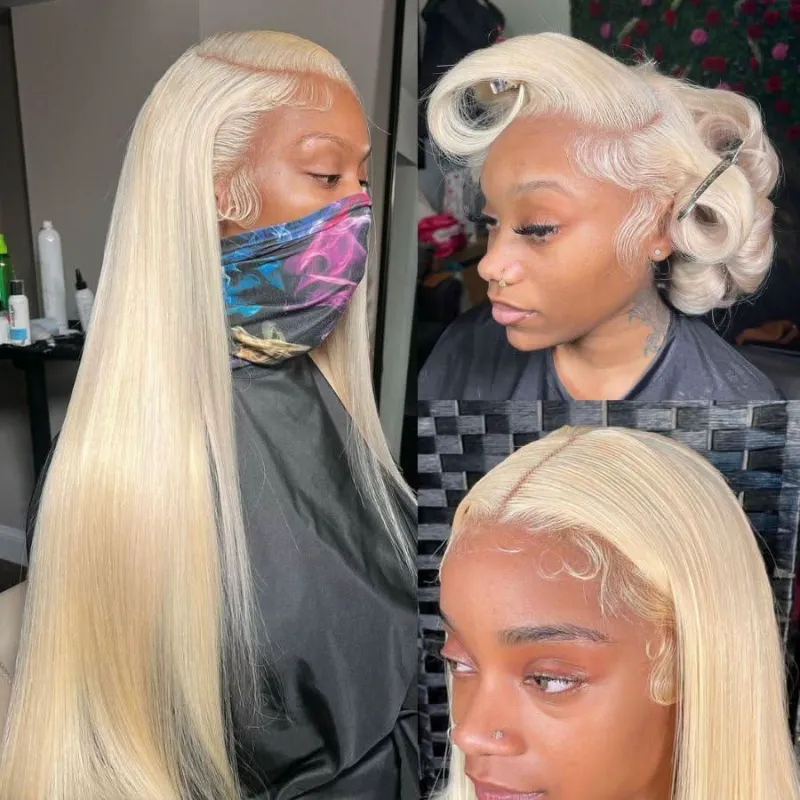
For shorter styles or clients who want a break from tension-based braiding, a 613 wig offers the same human-hair realism with zero scalp stress. You can cornrow your natural hair flat underneath and clip the wig on in under ten minutes.
Final Tips for a Smooth Braiding Experience
Human braiding hair for box braids and twists gives you the most natural finish, but it demands a bit more prep than synthetic. Wash and stretch it before you start, use the feed-in method for gradual tension, and keep the hair hydrated throughout the wear period.
If you’re ordering online, look for natural human braiding hair with intact cuticles and a money-back texture guarantee. Wowangel’s current 23 percent discount applies to all orders, so you can stock up on multiple textures and lengths. Visit the coupon page to unlock the code before your next protective-style session.
Whether you’re a DIY braider or a salon professional, investing in quality human hair pays off in longevity, realism, and the sheer ease of working with real strands that behave exactly like the hair on your head.
Questions
Can you reuse human braiding hair after taking out braids?
Yes, you can reuse human braiding hair if you detangle it carefully, wash it with sulfate-free shampoo, and let it air-dry fully. Store it in a breathable bag between installs to prevent matting.
How much human braiding hair do I need for a full head of box braids?
Most people need four to six bundles for medium-length box braids and six to eight bundles for waist-length styles. Thicker or denser hair may require an extra bundle or two.
Does human braiding hair tangle more than synthetic?
Human hair can tangle if you skip the prep step or let it air-dry without stretching. Once washed, conditioned, and blow-dried, it tangles less than low-quality synthetic fiber during the install.
Can I dye or bleach human braiding hair?
Yes, 100 percent human braiding hair accepts permanent dye and bleach just like the hair on your head. Pre-lighten dark bundles if you want pastel or platinum tones, and always deep-condition afterward.
What is the difference between human braiding hair and human hair bundles?
Human hair bundles are typically wefted for sew-ins or wigs, while human braiding hair comes loose and bulk-packaged for hand-braiding. Both are real human hair, but braiding hair has no weft track.
How long do braids last with human hair versus synthetic?
Braids made with human hair last six to ten weeks with proper care, while synthetic braids usually frizz or lose their shape after two to four weeks. Human hair holds up better to moisture and daily wear.
Products in this guide
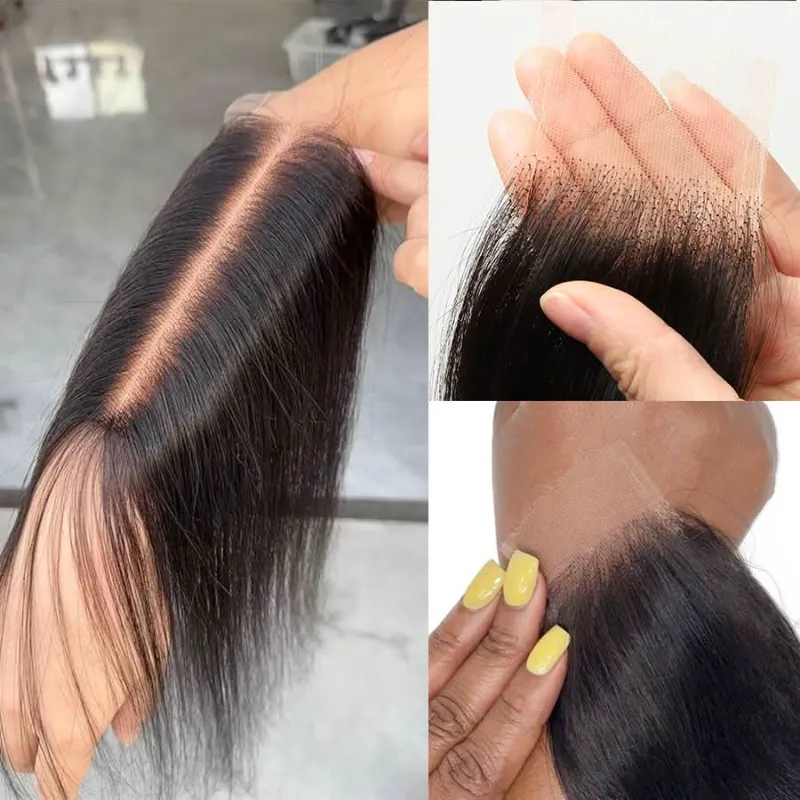
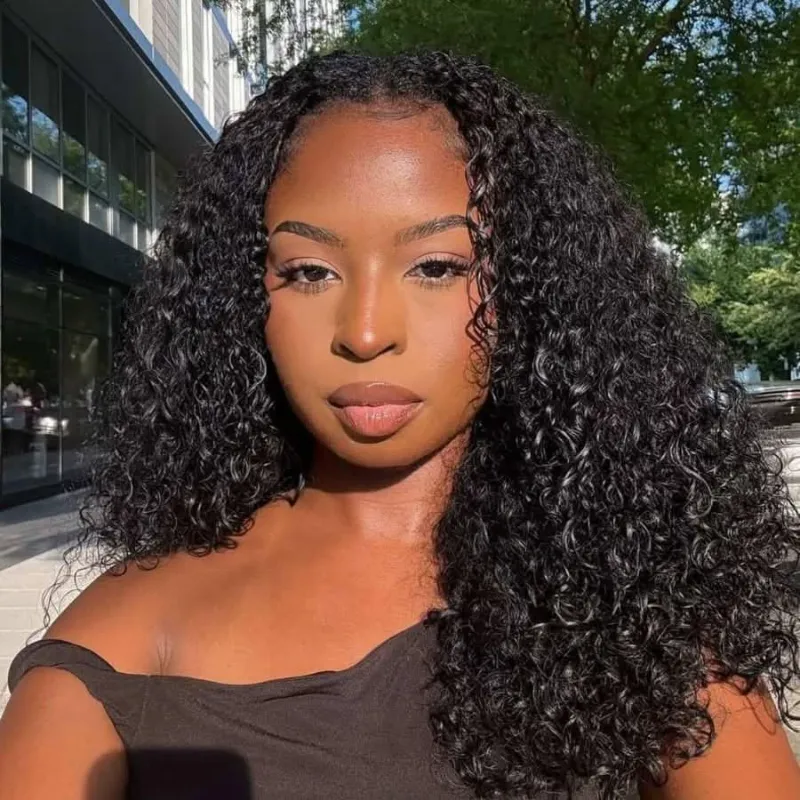
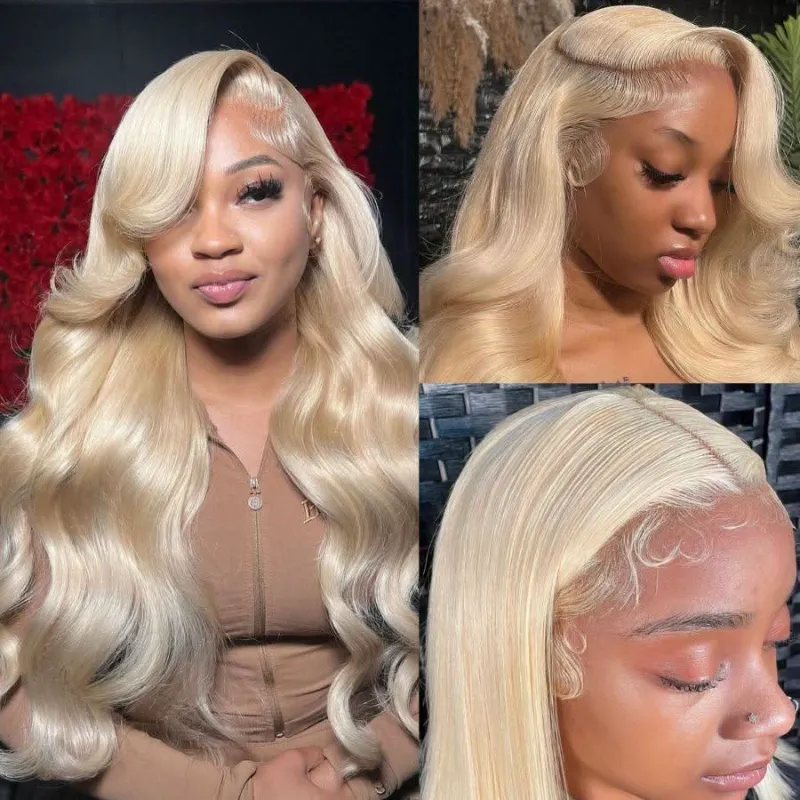 Shopping at Wowangel? See the discount code
23% OFF All Orders
Shopping at Wowangel? See the discount code
23% OFF All Orders
More in this series
How Long Do Crochet Hair Extensions Actually Last?11 Aug 20266 minBurmese Curly Half Wig Care Guide: Maintaining Curl Pattern and Volume11 Aug 20267 minDo Human Hair Bundles Shed? What to Expect From 100 Human Hair Bundles11 Aug 20265 min613 Wig vs 613 Human Hair Wig: Which Blonde Option Lasts Longer?11 Aug 20264 minHow to Install a 2X6 Lace Closure for a Natural Hairline11 Aug 20266 min