 A VisoOne Eyewear guide
Black Metal Square Glasses vs Plastic Frames: Durability and Comfort Compared
Black metal square glasses deliver superior durability and a sleeker profile compared to plastic frames, though each material excels in different scenarios.
Black Metal Square Glasses vs Plastic Frames: Which Lasts Longer?
Black metal square glasses typically outlast plastic frames in everyday wear, resisting stress fractures and maintaining their shape over years of use. Metal frames bend rather than snap under pressure, while plastic becomes brittle with age and temperature swings.
The choice between metal and plastic isn’t just about durability. Weight, skin sensitivity, style flexibility, and how you handle your glasses all factor into which material serves you better. Below we compare both frame types across the metrics that matter most to long-term wearers.
Material Durability: Metal vs Plastic Under Daily Stress
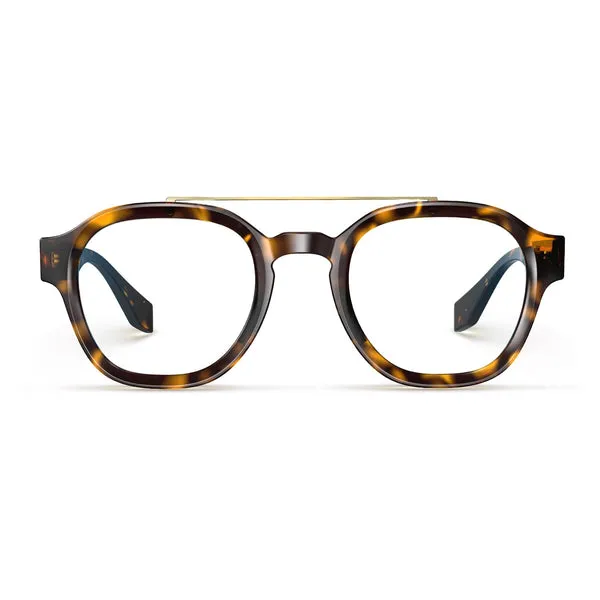
Metal frames, especially stainless steel and titanium alloys, resist the kind of damage that ends plastic frames. When you sit on black metal square glasses, they bend and can often be reshaped. Plastic frames crack or snap at stress points near the hinges and bridge.
Metal frame advantages:
- Recovers from minor bending without permanent damage
- Corrosion-resistant coatings protect against sweat and moisture
- Hinge mechanisms stay tight longer with metal-on-metal contact
- Maintains structural integrity in hot car interiors and cold weather
Plastic frame advantages:
- Greater impact absorption in high-force drops
- No metal fatigue from repeated flexing at temples
- Hypoallergenic for nickel-sensitive skin
- Easier to manufacture in bold colors and patterns
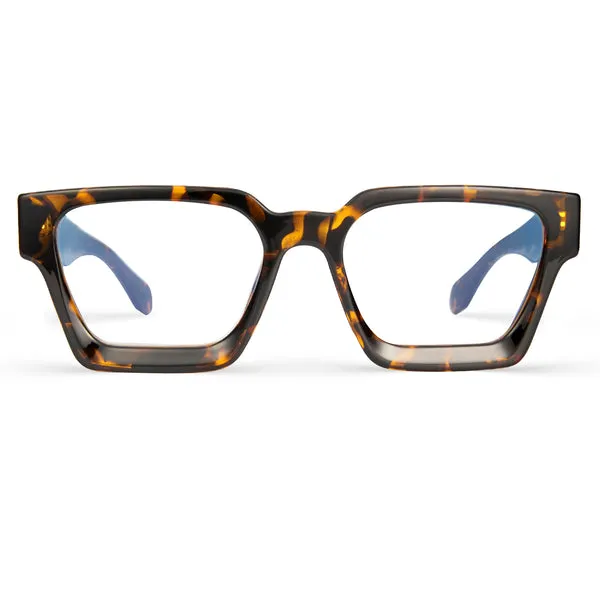
Metal glasses frames have evolved significantly, with modern alloys offering flexibility that older wire frames lacked. VisoOne’s VisoOne vison line uses spring-loaded hinges that distribute stress across the frame rather than concentrating it at failure points.
Weight and All-Day Comfort Comparison
Metal frames weigh 20-40% less than similarly sized plastic frames, which translates to less pressure on your nose bridge and ears during long wear sessions. The difference becomes pronounced if you wear glasses 12+ hours daily or have a strong prescription that adds lens weight.
Plastic frames distribute weight differently. Their broader contact surfaces can feel more comfortable initially, but they create pressure points as the material warms and softens against skin. Metal frames maintain consistent contact regardless of temperature.
Best for extended wear:
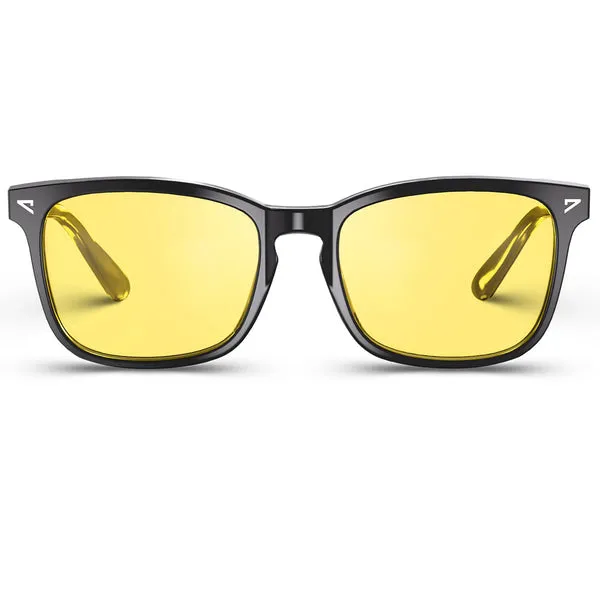
- Lightweight metal: mens bluelight glasses and similar thin-profile designs
- Cushioned plastic: Acetate frames with adjustable nose pads
- Hybrid approach: Metal frame front with acetate temples for grip
For those working long screen hours, blue light glasses women in metal frames reduce the cumulative fatigue of frame weight pressing on your face. Check our current discount to save 20% on any frame style.
Adjustability and Fit Over Time
Metal frames win decisively on adjustability. Opticians can reshape metal temples, adjust nose pads, and tweak the frame angle to match your face precisely. These adjustments hold for months or years.
Plastic frames offer limited adjustment. Heat-bending works temporarily, but plastic has memory and tends to return to its molded shape. Nose pads on plastic frames are often fixed rather than adjustable, forcing you to accept the manufacturer’s fit.
| Feature | Metal Frames | Plastic Frames |
|---|---|---|
| Temple adjustment | Infinite, holds shape | Limited, temporary |
| Nose pad customization | Replaceable, adjustable height/angle | Fixed or limited range |
| Frame width tweaking | Yes, by bending | Risky, often breaks |
| Professional servicing | Easy, reversible | Difficult, permanent |
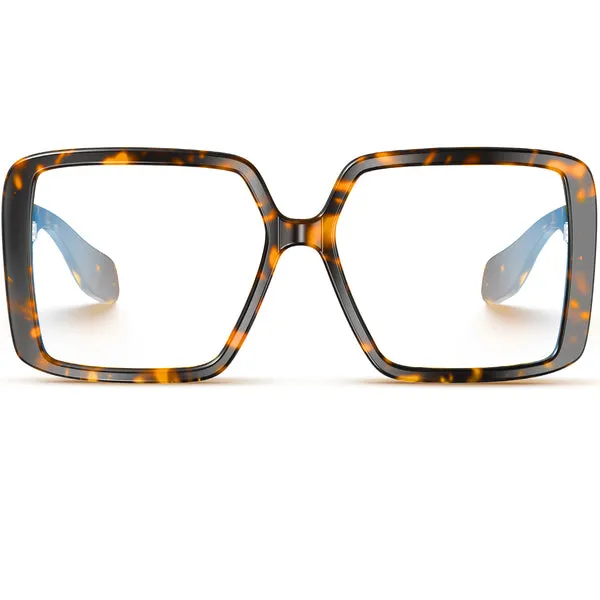
The blue light blocking glasses women square style in metal allows precise customization for different face widths, while plastic versions come in fixed sizes. Over months of wear, metal frames can be re-adjusted as they loosen, extending their useful life.
Style Longevity and Trends
Square frames have remained a classic shape across decades, but material choice affects how dated they look. Black metal frames maintain a timeless, professional aesthetic that works in both casual and formal settings. Square glasses in black demonstrate this versatility across different frame weights and bridge styles.
Plastic frames make bolder style statements but risk looking trendy rather than classic. Thick acetate frames popular today may feel dated in five years, while slim metal profiles have remained consistently stylish since the 1950s.
Metal frame versatility:
- Scales from minimalist to statement depending on thickness
- Professional appearance for workplace environments
- Easy to dress up or down with different outfits
- Less visible in profile photos and video calls
Plastic frame character:
- Stronger personality and fashion-forward presence
- Better for expressing bold color preferences
- More visible frame presence for those who want glasses as accessories
- Trend-dependent aesthetic that may age poorly
Eyeglasses with square geometry in metal offer the widest range of professional styling options while maintaining the angular structure that suits rectangular and oval face shapes.
Cost Per Year of Wear
Metal frames cost more upfront but deliver better value over their lifespan. A quality pair of black metal square glasses lasting five years at $120 costs $24 per year. Plastic frames at $60 that need replacement every 18 months cost $40 per year.
Repair costs differ significantly too. Metal frames accept new nose pads, temple tips, and hinge screws for under $20 at most opticians. Plastic frame repairs often require specialty welding or bonding that costs nearly as much as replacement.
Long-term ownership costs to consider:
- Metal frames: higher purchase price, minimal repair costs, longer replacement cycle
- Plastic frames: lower entry price, limited repair options, more frequent replacement
- Prescription changes: metal frames can be re-lensed multiple times, plastic may break during lens replacement
When you grab our code, the upfront cost difference narrows considerably, making metal frames an even clearer value choice for most wearers.
Which Frame Material Suits Your Lifestyle?
Choose metal frames if you need maximum durability, professional appearance, and precise fit adjustment. They excel for all-day wear, active lifestyles with frequent on-off cycles, and situations where you need glasses that disappear visually.
Choose plastic frames if you prioritize bold style, have metal allergies, or want maximum impact protection for sports and physical work. Plastic also works better if you frequently switch between multiple pairs and don’t need any single pair to last years.
Most buyers find metal frames deliver better long-term satisfaction despite the higher entry price. The combination of durability, comfort, and timeless styling makes them the practical choice for primary everyday glasses. Reserve plastic frames for secondary fashion pairs or specialized activities where their benefits outweigh metal’s advantages.
For the best of both categories, explore the VisoOne collection and check the latest pricing with our exclusive discount code.
Questions
Do black metal square glasses break easily compared to plastic?
Metal frames bend under stress rather than breaking, making them more durable for everyday handling. Plastic frames snap at stress points but absorb high-impact drops better than metal.
Can I adjust metal frames myself at home?
Minor temple adjustments are possible with gentle bending, but professional adjustment is safer and more precise. Opticians have specialized tools to reshape metal frames without creating weak points or scratches.
Are metal frames heavier than plastic on your nose?
Metal frames typically weigh 20-40% less than plastic frames of similar size. The reduced weight means less pressure on your nose bridge during extended wear.
How long do metal square frames typically last?
Quality metal frames last 3-5 years with daily wear, and often longer with proper care. Plastic frames average 1-2 years before hinge failure, bridge cracks, or material degradation require replacement.
Do blue light blocking glasses work better in metal or plastic frames?
The blue light filtering happens in the lens coating, not the frame material. Choose metal for durability and lightweight comfort during long screen sessions, or plastic for style preferences.
Can metal frames cause skin allergies?
Nickel in some metal alloys can trigger allergic reactions in sensitive individuals. Look for titanium, stainless steel, or hypoallergenic coated frames if you have known metal sensitivities.
Products in this guide
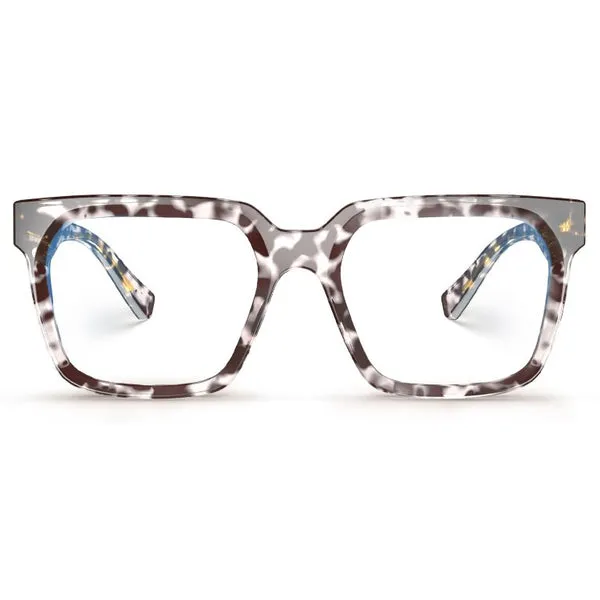 Shopping at VisoOne Eyewear? See the discount code
20% OFF All Orders
Shopping at VisoOne Eyewear? See the discount code
20% OFF All Orders
More in this series
What to Look for When Buying Blue Light Glasses Online8 Sep 20265 minAre Square Eyeglasses Flattering on Round Faces?8 Sep 20264 minHow Long Do Blue Light Glasses Last? Care Tips for Extended Wear8 Sep 20264 minVisoOne Blue Light Blocking Glasses: What They Can and Cannot Do8 Sep 20264 minHow to Choose the Right Blue Light Glasses for Your Face Shape8 Sep 20264 min