 A Rosebud's Real Food guide
The Beginner’s Guide to Cooking with Dried Adzuki Beans and Great Northern Beans
Our beginner's guide to great northern beans covers cooking methods, nutrition facts, and how they compare to navy beans, cannellini beans, and butter beans.
Great northern beans are one of the most beginner-friendly dried beans you can keep in your pantry, and paired with a bag of adzuki beans from Rosebud’s Real Food, you have the foundation for dozens of hearty, affordable meals. Whether you are new to cooking dried legumes or just looking for a reliable white bean that holds its shape without turning mushy, this guide walks through everything from soaking and simmering to seasoning and storing.
What Are Great Northern Beans?
Great northern beans are medium-sized white beans with a mild, nutty flavor and a firm, creamy texture when cooked. They are sometimes called “large white beans” and sit between navy beans and cannellini beans in size. As this simple overview explains, they are a variety of the common bean (Phaseolus vulgaris) and are widely grown in the upper Midwest of the United States.
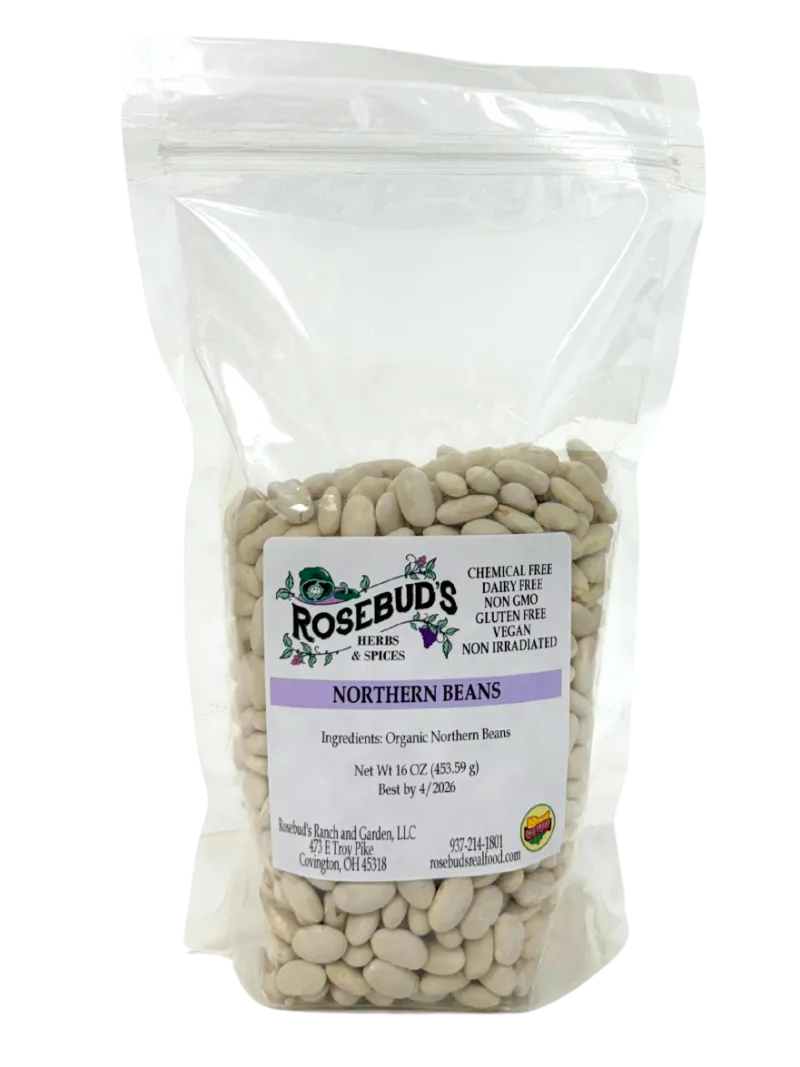
Because they are neutral in taste, they absorb the flavors of whatever you cook them with. That makes them a natural choice for soups, stews, casseroles, and even bean salads. We love keeping a bag of our great northern beans on hand for those nights when we want something filling without a lot of fuss.
Great Northern Beans vs. Other White Beans
If you have ever stood in the aisle wondering what the difference is between all those white beans, you are not alone. Here is a quick breakdown of how great northern beans compare to the most common alternatives.
| Bean | Size & Texture | Best Uses | Flavor |
|---|---|---|---|
| Great Northern Beans | Medium, creamy but firm | Soups, stews, baked beans, salads | Mild, nutty, absorbs seasonings well |
| Navy Beans | Small, tender, soft | Baked beans, purées, chowders | Delicate, slightly earthy |
| Cannellini Beans | Large, smooth, buttery | Pasta e fagioli, salads, dips | Rich, nutty, hearty |
| Butter Beans (Lima) | Large, flat, buttery | Southern-style sides, braises | Sweet, starchy, unique |
Great northern beans vs navy beans: Navy beans are smaller and cook faster, but they break down more easily. Great northern beans hold their shape better, so they are a better choice if you want distinct beans in a finished dish.
Great northern beans vs cannellini beans: Cannellini beans are larger and have a slightly thinner skin. Great northern beans are firmer and work well in longer-cooked dishes where you do not want them to fall apart.
Great northern beans vs butter beans: Butter beans (lima beans) are a completely different species with a sweeter, starchier taste. Great northern beans are more neutral and versatile across cuisines.
Great Northern Beans Nutrition and Benefits
The great northern beans nutrition profile makes them a smart staple for anyone focused on plant-based protein and fiber. Here is what you get in a single cooked cup (about 177 grams):
- Protein: Around 15 grams, making them a solid plant protein source
- Fiber: 12 to 14 grams, which supports digestion and satiety
- Iron: About 20 percent of the daily value
- Magnesium, potassium, and folate: All in meaningful amounts
The great northern beans protein content is comparable to other white beans, and when paired with a whole grain like brown rice or quinoa, they form a complete protein. The great northern beans benefits extend to blood sugar management too, because the fiber and complex carbs digest slowly.
How to Cook Dried Great Northern Beans
Cooking dried beans from scratch is simpler than most people think. Here is our method for great northern beans that come out tender every time.
1. Sort and Rinse
Spread the beans on a baking sheet and pick out any small stones or broken beans. Rinse them under cold water in a colander.
2. Soak (Optional but Recommended)
Soaking reduces cooking time and helps with digestibility. You have two options:
- Overnight soak: Cover the beans with 3 inches of cold water and let them sit 8 to 12 hours.
- Quick soak: Bring the beans and water to a boil, boil for 2 minutes, then remove from heat and let them sit for 1 hour.
Drain and rinse after soaking before cooking.
3. Simmer
Place the beans in a pot and cover with fresh water by 2 inches. Add a bay leaf or a clove of garlic if you like. Bring to a gentle boil, then reduce to a low simmer. Cook for 45 minutes to 1 hour, or until tender. Season with salt after they are soft, not before, or the skins can toughen.
4. Season and Serve
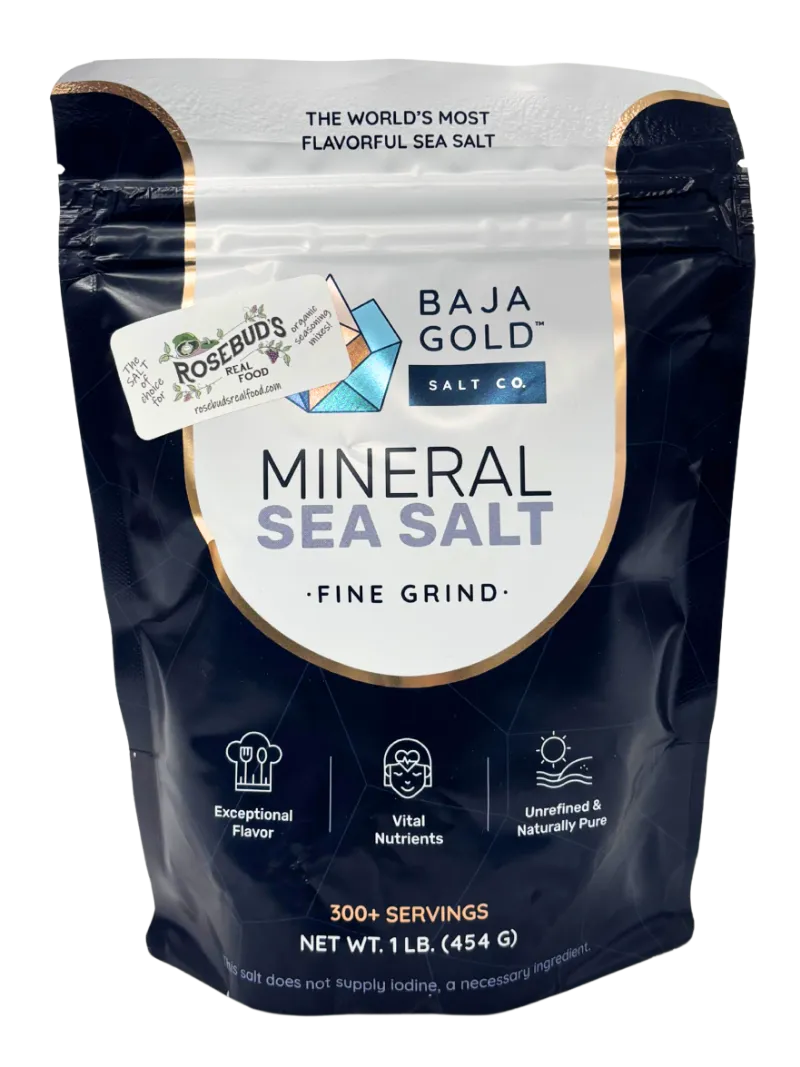
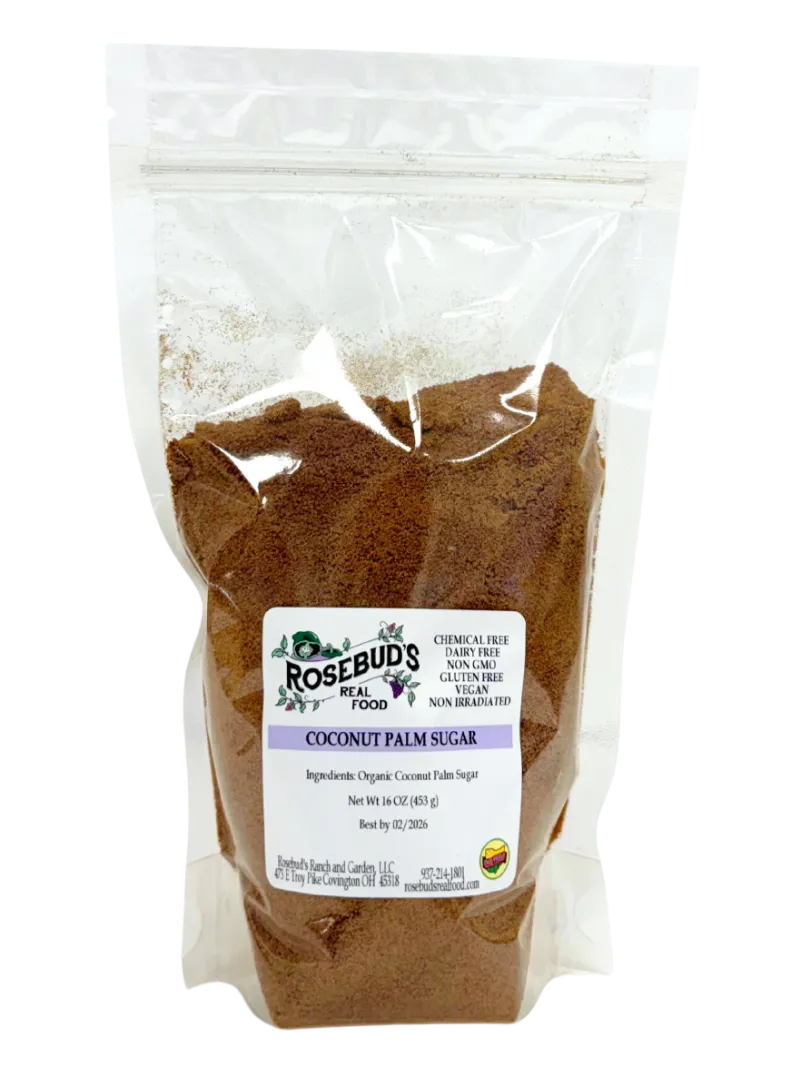
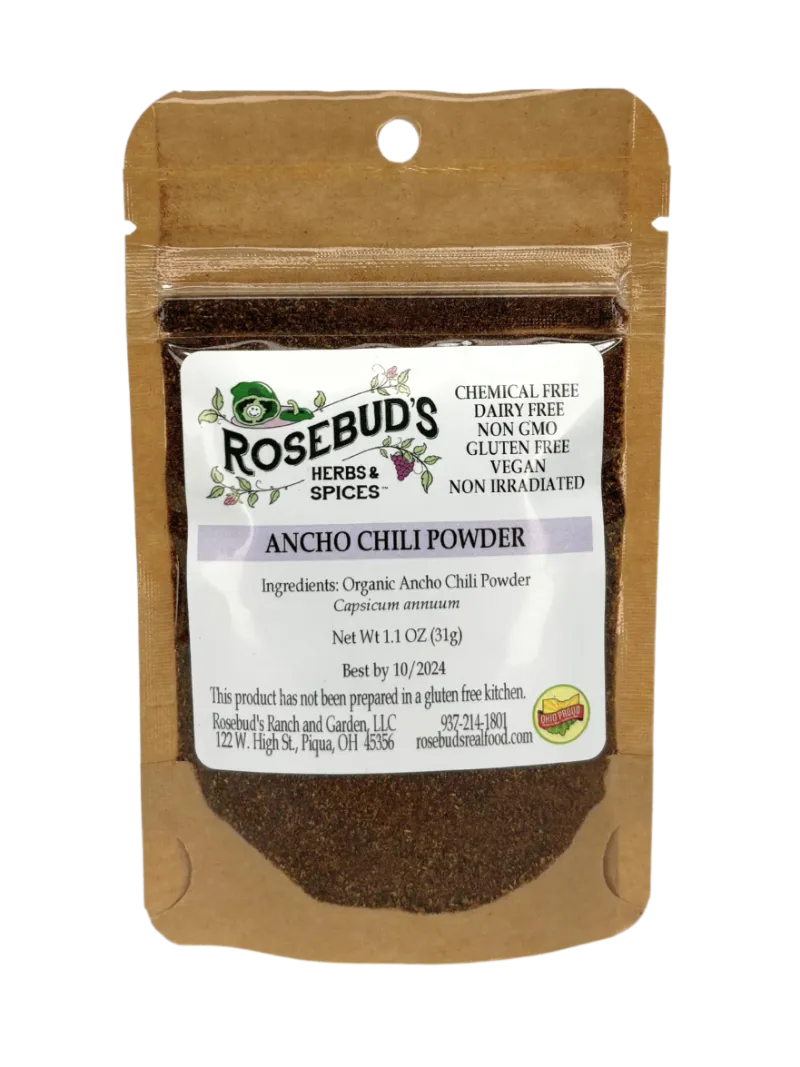
Once the beans are tender, you can season them aggressively. We like to add a pinch of baja gold sea salt and a spoonful of palm sugar coconut for a subtle savory-sweet balance. For a smoky twist, stir in a teaspoon of ancho chili powder or a sprinkle of gournding well spice blend.
For a classic great northern beans recipe, try simmering the cooked beans with a ham hock, diced onion, and a bay leaf for 30 minutes. Serve with crusty bread or over rice. You can find a version of this approach in this creamy stovetop recipe that uses ham for depth.
How to Cook Dried Adzuki Beans
While great northern beans are the focus here, adzuki beans deserve their own spotlight. These small, red beans are common in East Asian cooking and have a sweet, nutty flavor that is completely different from white beans.
Adzuki beans do not need a long soak. A quick soak (1 hour) is enough, or you can cook them straight from dry by adding an extra 20 minutes to the simmer time. Once cooked, they are fantastic in:
- Red bean paste for desserts or pastries
- Sweet rice porridge (adzuki and coconut milk)
- Savory stews with ginger, soy sauce, and root vegetables
- Bean salads with citrus and fresh herbs
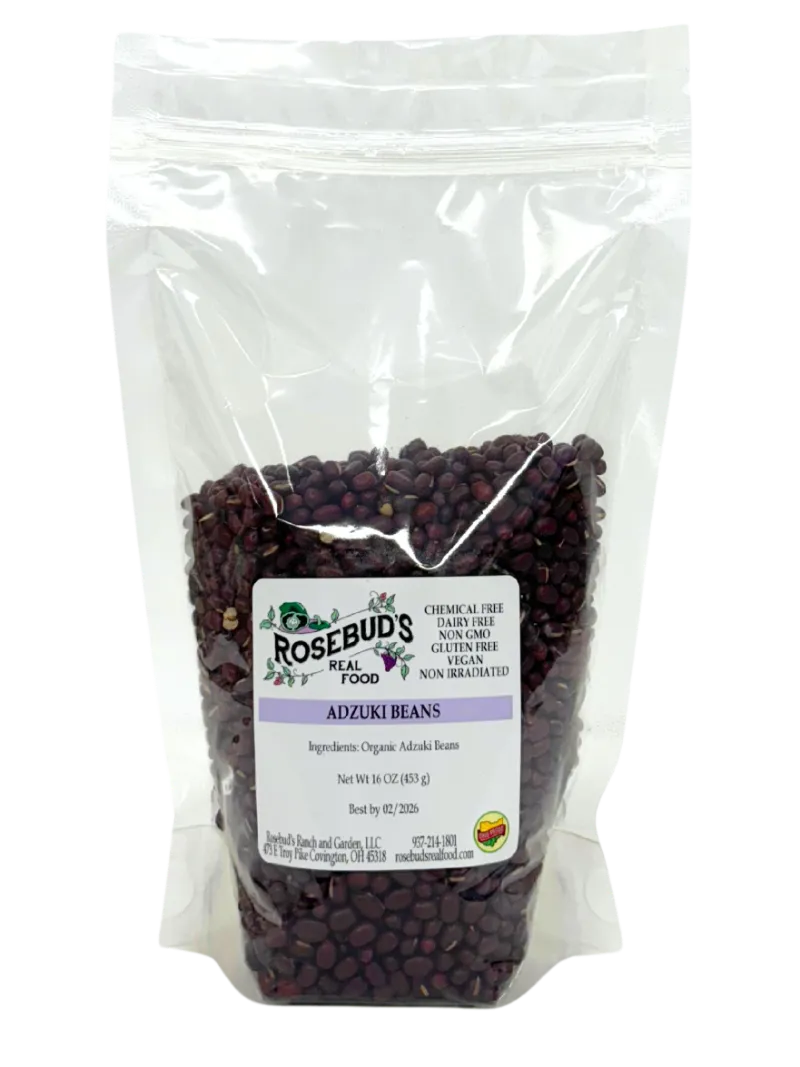
We keep a bag of adzuki beans in the pantry alongside our great northern beans because they cover such different ground. One bag gives you creamy white beans for Western soups, and the other gives you sweet red beans for Asian-inspired bowls. That is a lot of meals from two bags.
Great Northern Beans Substitute and Storage Tips
If a recipe calls for great northern beans and you do not have any, here are the best great northern beans substitute options:
- Navy beans are the closest swap, though they are smaller and softer.
- Cannellini beans work well, especially in soups and salads, but they are larger.
- Baby lima beans can fill in for a creamy texture, but the flavor is sweeter.
For any of these substitutes, adjust the cooking time based on the bean size. Smaller beans cook faster.
Storing Dried Beans
Dried beans last for years if stored properly, but they do get harder and take longer to cook as they age. Keep beans in an airtight container in a cool, dark pantry. We recommend labeling them with the purchase date. For the best texture and cooking time, use them within one year.
Quick Tip for Digestibility
If you are new to eating dried beans, try adding a strip of kombu (a type of seaweed) to the cooking water. It helps break down the complex sugars that can cause gas. You can also rinse the cooked beans well before serving.
Where to Buy Great Northern Beans and Adzuki Beans
We carry both great northern beans and adzuki beans in our dried goods section at Rosebud’s Real Food. They ship straight to your door, and we source them for freshness and consistent quality. For the best price on these and every other pantry staple, grab the code for 10 percent off your entire order.
Questions
Do I have to soak great northern beans before cooking?
No, you can cook them without soaking, but it will take longer and the beans may cook unevenly. Soaking also helps reduce the compounds that cause gas. We recommend an overnight soak or a 1-hour quick soak for the best results.
How long do dried great northern beans last in the pantry?
Stored in an airtight container in a cool, dark pantry, dried great northern beans last 2 to 3 years. For the best texture and shortest cooking time, try to use them within 12 months of purchase.
Can I use great northern beans in place of cannellini beans?
Yes, great northern beans are a good substitute for cannellini beans in most recipes. They are slightly smaller and firmer, so they hold their shape better in longer-cooked dishes like soups and stews.
Are great northern beans good for meal prep?
Yes, they are excellent for meal prep. Cook a large batch, let them cool, and store them in the fridge for up to 5 days or in the freezer for up to 3 months. They reheat well in soups, salads, or grain bowls.
What is the best way to season adzuki beans for savory dishes?
Adzuki beans pair well with ginger, garlic, soy sauce, sesame oil, and a touch of palm sugar or coconut sugar. For a savory stew, simmer them with vegetable broth, onion, and a splash of tamari until tender.
Products in this guide
 Shopping at Rosebud's Real Food? See the discount code
10% OFF Sitewide
Shopping at Rosebud's Real Food? See the discount code
10% OFF Sitewide