 A Rosebud's Real Food guide
7 Surprising Ways to Cook with Juniper Berries at Home
We tested seven surprising ways to cook with juniper berries at home, from wild game rubs to braised beans and even desserts.
Juniper berries are one of those pantry spices that often get overlooked, but we think they deserve a permanent spot in your kitchen. These small, dried berries bring a piney, citrusy, slightly peppery note that can transform everything from meats to stews to baked goods.
1. Make a Wild Game or Pork Spice Rub

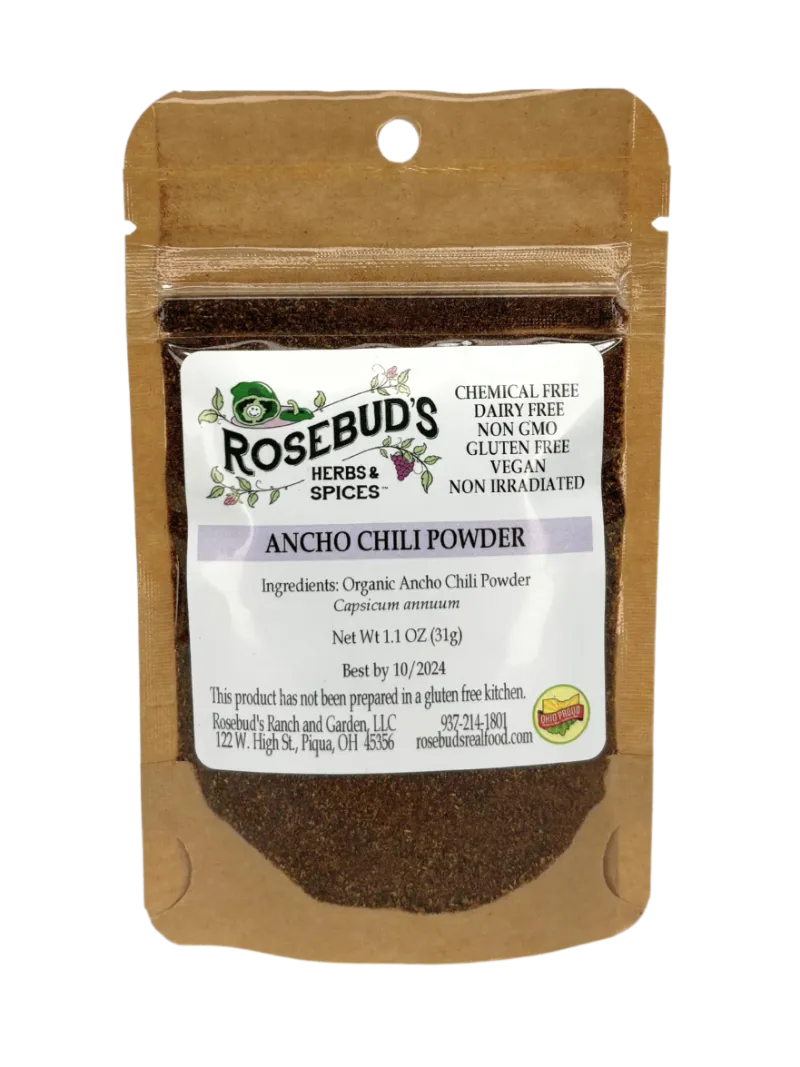
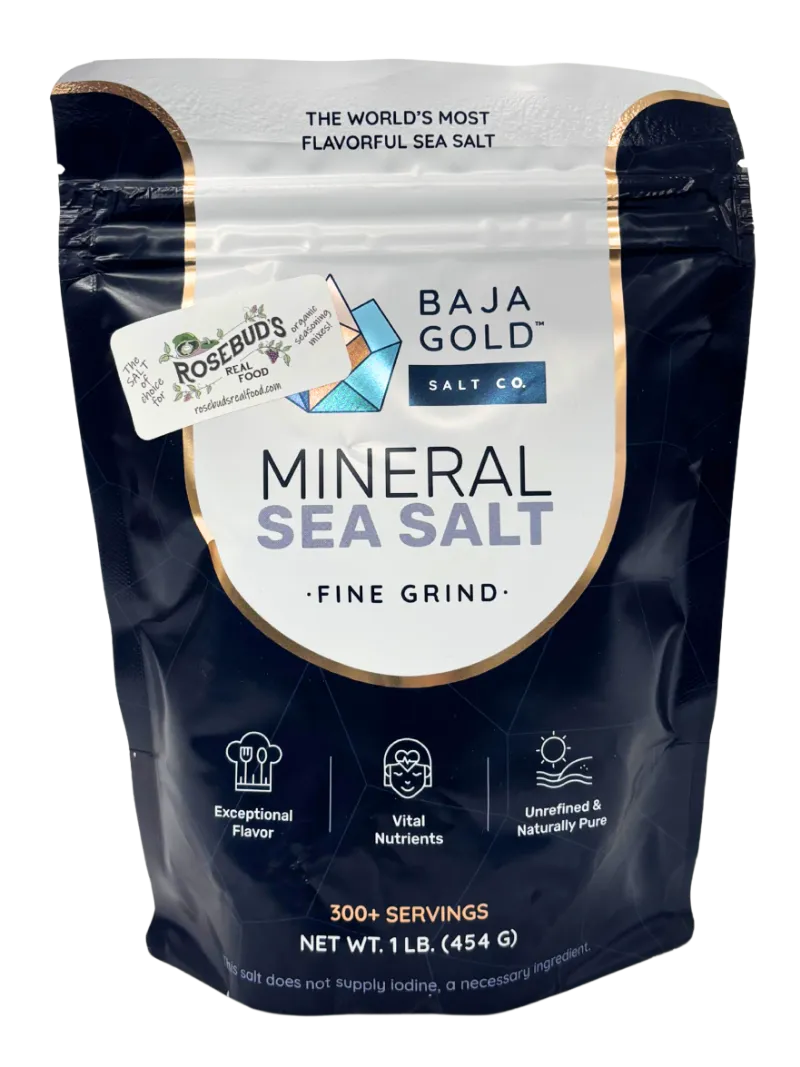
This is the most classic use of juniper berries, and for good reason. Their bright, resinous flavor cuts through the richness of pork, venison, duck, and lamb. We crushed a tablespoon of juniper berries in a mortar with a teaspoon of ancho chili powder, a teaspoon of baja gold sea salt, and a clove of minced garlic. The result was a coarse, fragrant rub that we pressed onto pork chops before searing. The berries did not overpower the meat; they added a subtle forest-like depth that made the dish feel special.
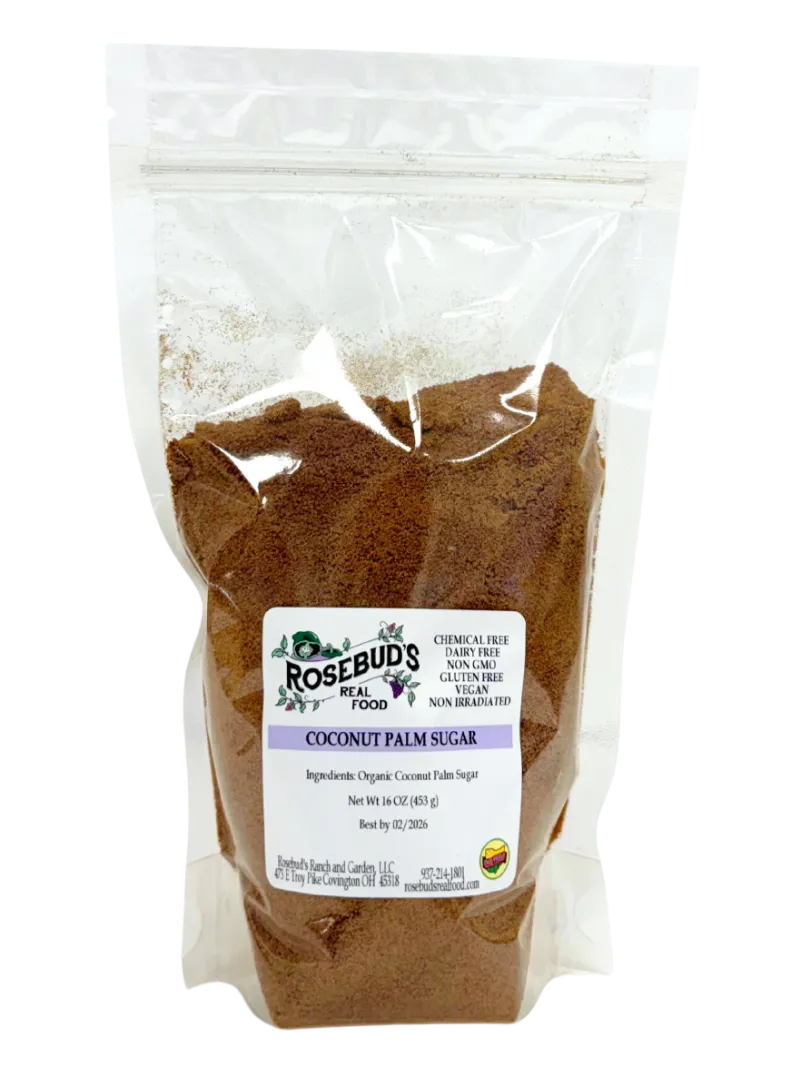
For a more complex blend, try mixing crushed juniper berries with black pepper, thyme, and a pinch of palm sugar coconut to balance the bitterness. Rub it on any fatty meat and let it rest for at least 30 minutes before cooking.
2. Infuse a Brine for Poultry or Pork
Brining is one of the easiest ways to get juniper flavor deep into meat. We simmered a tablespoon of juniper berries with water, baja gold sea salt, bay leaves, and a few black peppercorns, then let it cool completely before submerging chicken thighs overnight. The berries released their aromatic oils into the brine, and the finished meat had a subtle gin-like note without any alcohol. If you want to explore the flavor profile further, the Juniper berry entry on Wikipedia explains how the berries are actually modified cones that give gin its signature taste.
3. Braise Beans with Juniper and Aromatics
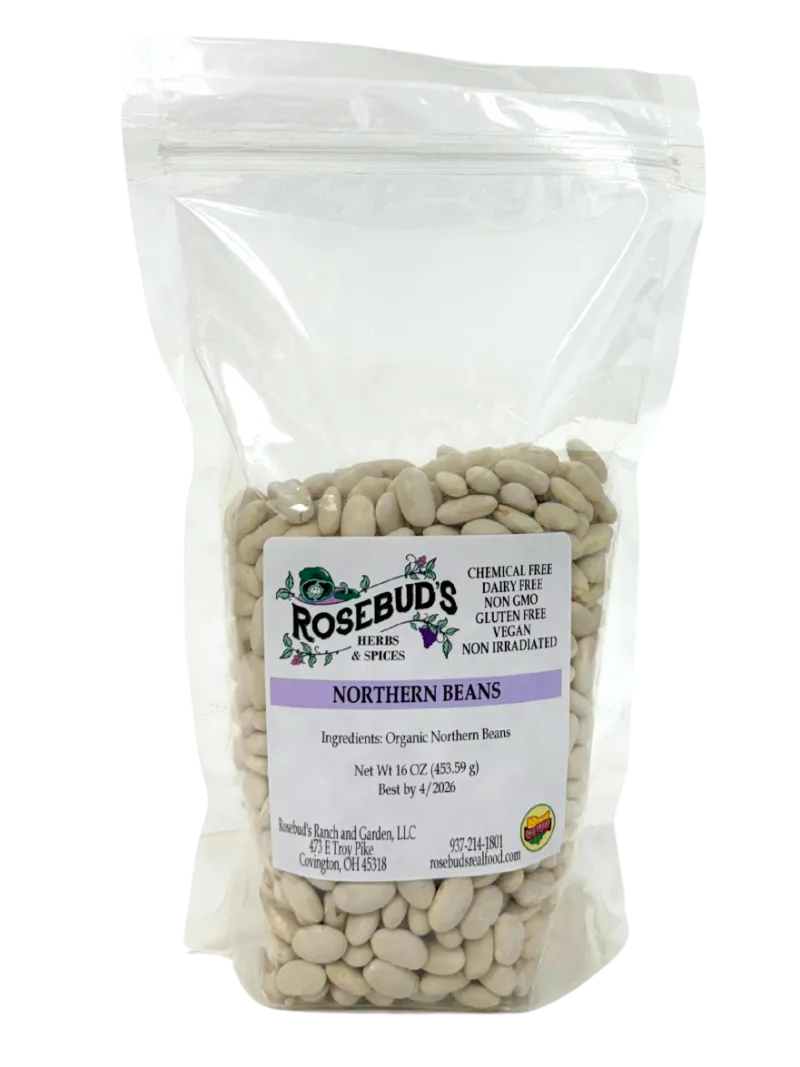
Dried beans love slow cooking with bold aromatics, and juniper berries fit right in. We sautéed onion and garlic, added the soaked beans, water, a bay leaf, and a tablespoon of crushed juniper berries, then let everything simmer for about 90 minutes. The result was a pot of beans with a woodsy, savory backbone that paired perfectly with roasted pork or even a simple crusty bread.
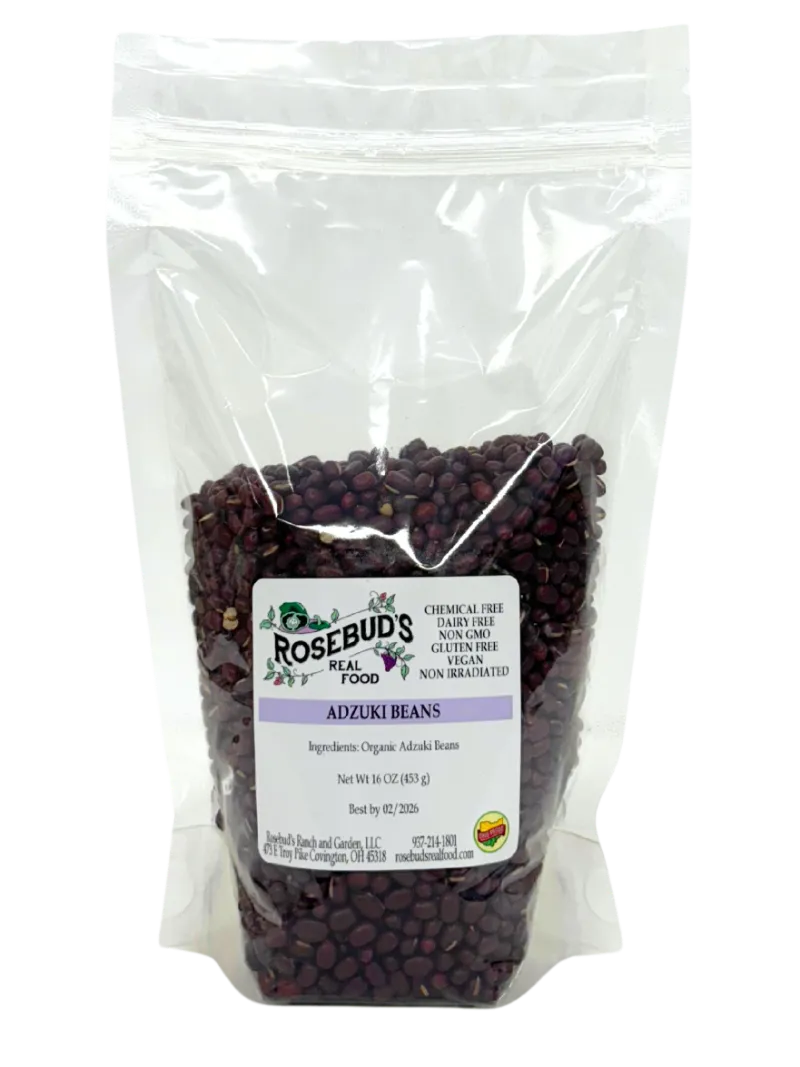
You can also try this with adzuki beans for a slightly sweeter, red bean version that works well with Asian-inspired flavors like ginger and soy sauce.
4. Add to a Slow-Cooked Braised Cabbage Dish
Braised red cabbage is a classic Northern European side dish, and it is one of the best places to use juniper berries. We shredded a head of red cabbage, sautéed it with butter and sliced onion, then added a splash of apple cider vinegar, a tablespoon of palm sugar coconut, and a teaspoon of crushed juniper berries. We covered and simmered for about 45 minutes. The berries gave the cabbage a fragrant, almost citrusy lift that cut through the sweetness. This dish gets even better the next day.
5. Use Juniper Berries in a Marinade for Grilled Vegetables
Juniper berries are not just for meat. We crushed a tablespoon of them and mixed with olive oil, minced garlic, a splash of balsamic vinegar, and a pinch of baja gold sea salt. We tossed thick slices of zucchini, bell peppers, and portobello mushrooms in the marinade, let them sit for 20 minutes, then grilled them. The piney flavor of the berries paired surprisingly well with the smoky char from the grill. For more background on the berry itself, All About Juniper Berries: a Very Tasty Spice breaks down the different species and how to choose the best ones for cooking.
6. Infuse a Simple Syrup for Cocktails or Desserts
Juniper berries are a natural fit for cocktails, but they also work beautifully in non-alcoholic drinks and desserts. We made a simple syrup by simmering one cup of water, one cup of palm sugar coconut, and two tablespoons of lightly crushed juniper berries for about 10 minutes. We strained out the berries and let the syrup cool. The result was a golden syrup with a piney, slightly floral sweetness. We drizzled it over vanilla ice cream, stirred it into sparkling water, and used it in a gin-free mocktail with lime and tonic. If you are curious about the health angle, 5 Emerging Benefits of Juniper Berries covers some of the traditional uses and potential benefits of the berry.
7. Grind into a Finishing Salt or Spice Blend
This is the quickest way to incorporate juniper berries into everyday cooking. We ground a tablespoon of juniper berries in a spice grinder with a tablespoon of baja gold sea salt and let the mixture sit for a day so the flavors could meld. The finished juniper salt is incredible on roasted potatoes, grilled steak, or even a soft-boiled egg. You can also mix ground juniper with gournding well for a custom spice blend that works on nearly any protein or roasted vegetable.
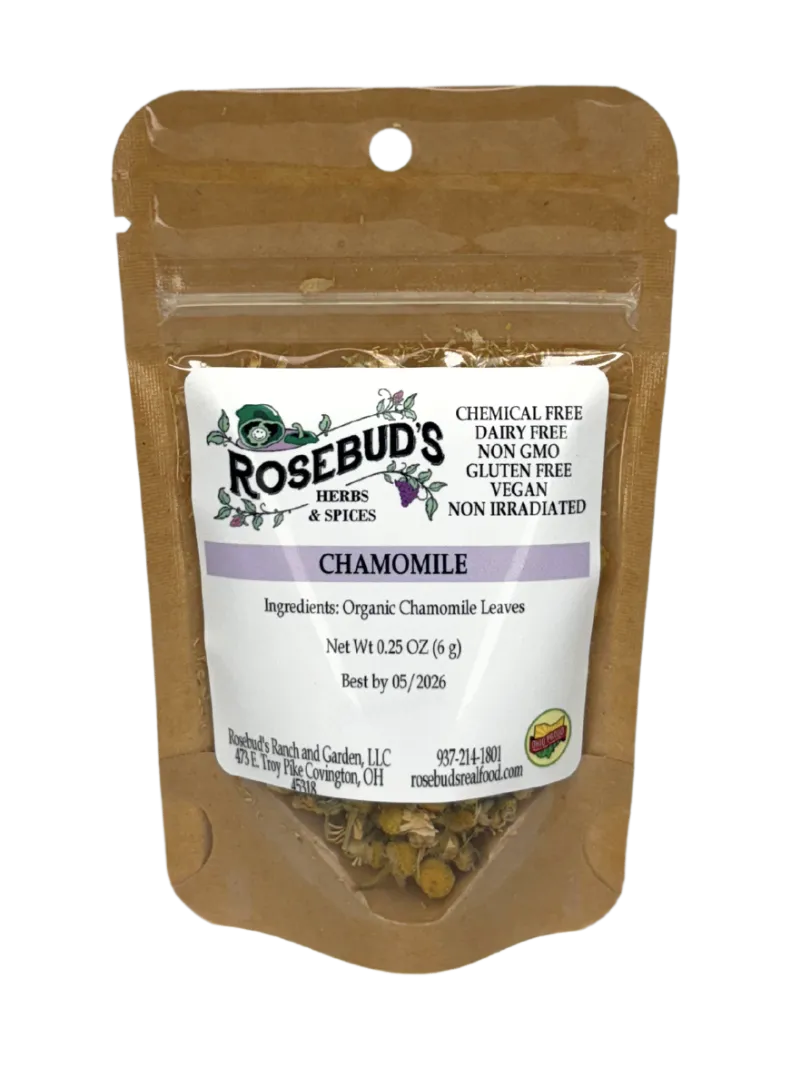
If you want to pair your juniper cooking with a soothing cup of tea, try Rosebud chamomile or a handful of goji berries for a light, antioxidant-rich finish to your meal. The floral notes of chamomile and the tart sweetness of goji berries complement the resinous character of juniper beautifully.
Where to Buy Juniper Berries and How to Store Them
Finding dried juniper berries locally can be hit or miss. If you have searched for “juniper berries near me” and come up empty, we recommend ordering online. Our juniper berries arrive whole and dried, ready to crush or grind as needed. Store them in an airtight jar in a cool, dark cabinet, and they will stay fragrant for up to a year. For the best price on your order, grab the code before you check out. We currently have a 10 percent off sitewide offer that applies to juniper berries and everything else in your cart.
Questions
What do juniper berries taste like?
Juniper berries have a piney, resinous, slightly citrusy flavor with a hint of pepper. They are most famous for giving gin its signature taste, but they work well in both savory and sweet dishes.
Can you eat juniper berries raw?
Yes, but they are very strong and bitter when eaten raw. Most recipes call for crushing or grinding the dried berries to release their aromatic oils before cooking. We recommend using them sparingly at first.
How do juniper berries compare to other dried spices like ancho chili powder?
Juniper berries are more aromatic and resinous than chili powders. Ancho chili powder adds warmth and mild heat, while juniper brings a piney, citrusy note. They pair well together in spice rubs for pork and game.
How should I store dried juniper berries?
Store dried juniper berries in an airtight container in a cool, dark cabinet away from direct sunlight. They will keep their flavor for up to a year when stored properly.
Can I use juniper berries in place of bay leaves?
Not exactly, but they work in a similar way. Both add aromatic depth to braises and stews. Crush juniper berries before adding them to a dish, since whole berries are tough and you may not want to bite into one.
Are juniper berries safe for everyone to eat?
Most people can eat juniper berries in food amounts without issue. However, pregnant women and people with kidney conditions should consult a doctor before consuming them in larger quantities.
Products in this guide
 Shopping at Rosebud's Real Food? See the discount code
10% OFF Sitewide
Shopping at Rosebud's Real Food? See the discount code
10% OFF Sitewide