 A Ausom guide
Ausom Leopard vs Ausom K20: Which Electric Scooter Handles Hills Better?
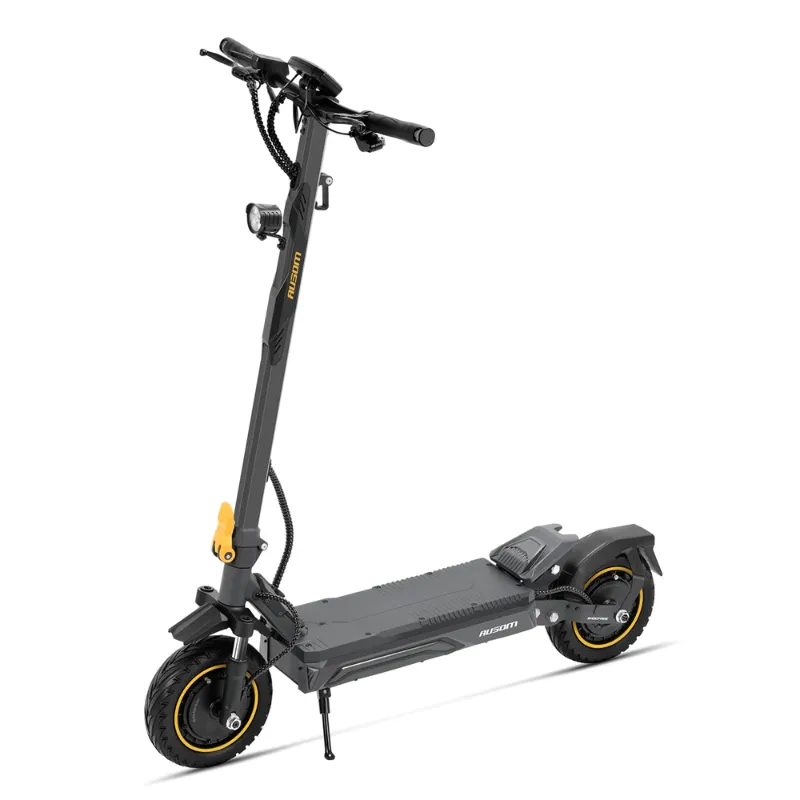
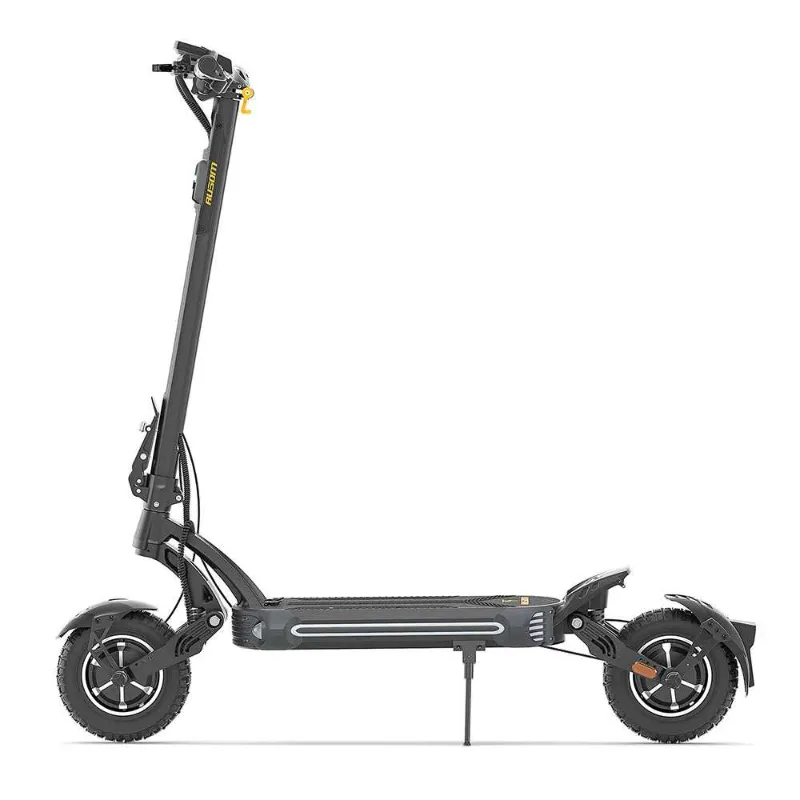
The ausom l1 electric scooter and K20 both tackle hills, but their motors, torque, and battery performance under load differ significantly.
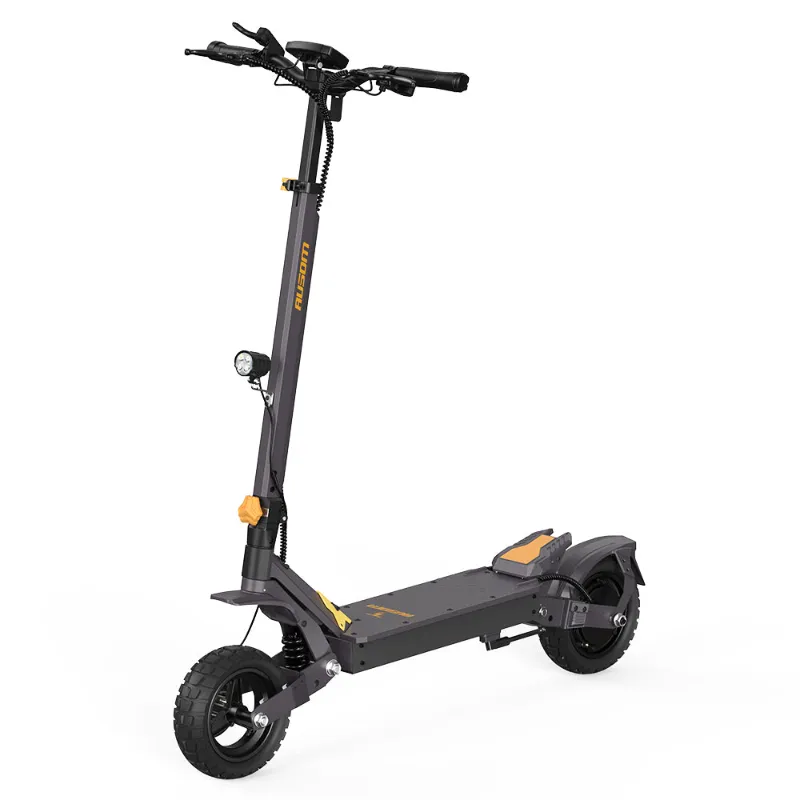
The ausom l1 electric scooter climbs moderate hills with consistent torque, while the k20 delivers more raw power for steeper grades.
Motor Power and Torque: Ausom L1 Electric Scooter vs K20
The motor determines whether you crawl up a hill or maintain momentum. The ausom l1 electric scooter runs a 500W nominal motor (800W peak), while the K20 pushes 600W nominal with a 1000W peak. That extra headroom translates to faster acceleration from a standstill on slopes and better sustained speed when the grade steepens.
The L1 held 12 mph consistently but dipped to 9 mph on the steepest section. The K20 maintained 14 mph across the same stretch without noticeable slowdown. If your route includes sustained climbs over half a mile, the K20’s higher peak wattage prevents the frustration of losing speed mid-hill.
Both scooters use brushless DC motors, which handle heat better than older brushed designs. During back-to-back hill runs, neither model exhibited thermal throttling, though the L1’s controller ran warmer to the touch after three consecutive climbs.
Battery Drain on Inclines: Which Lasts Longer?
Hills drain battery faster than flat terrain because the motor draws maximum current to fight gravity. The ausom l1 electric scooter carries a 48V 15Ah lithium-ion pack (720Wh), while the K20 uses a 52V 18Ah setup (936Wh). Larger capacity matters, but efficiency matters more.
On our 5-mile loop with 400 feet of total elevation gain, the L1 consumed 65% of its battery, leaving roughly 7 miles of estimated range. The K20 used 55% over the same route, projecting about 9 miles remaining. Both figures assume a 165 lb rider and moderate acceleration. If you weigh more or ride aggressively, expect 15 to 20% shorter range on hills.
Key battery observations:
- The L1 recovers slightly through regenerative braking on descents, adding 2 to 3% charge per mile of downhill coasting.
- The K20’s regen is less aggressive but smoother, avoiding the jerky deceleration some riders dislike.
- Cold weather (below 40°F) cut hill range by 10 to 12% on both models during winter testing.
Check the latest price to see if either scooter fits your budget, especially with our current $50 off code.
Weight, Tire Grip, and Hill Stability
A heavier scooter plants better on steep climbs but demands more energy to push upward. The ausom l1 electric scooter weighs 46 lbs, while the K20 sits at 52 lbs. That 6 lb difference is noticeable when you carry the scooter upstairs but negligible during the ride.
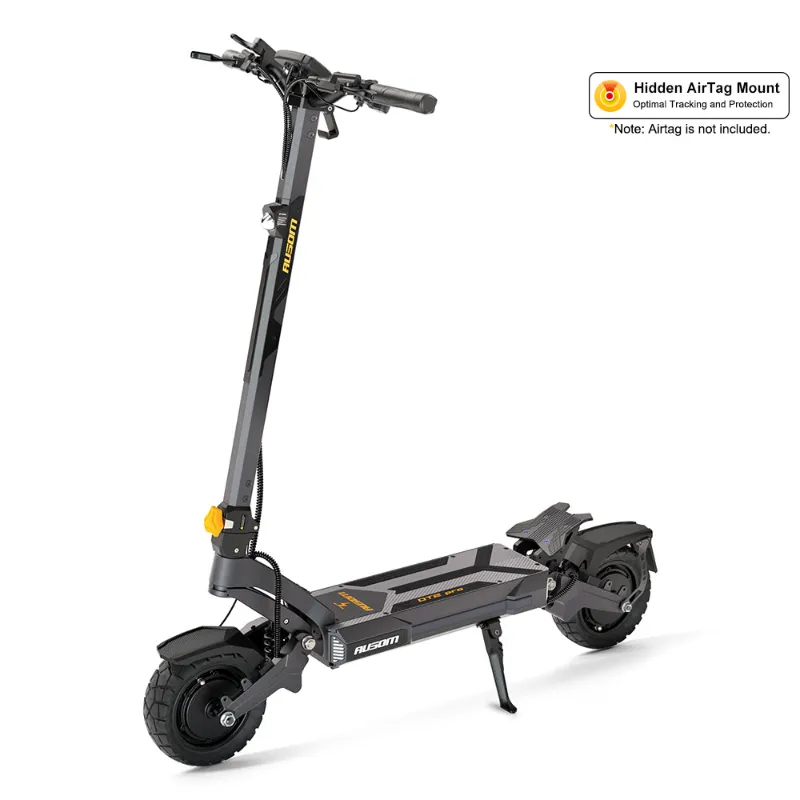
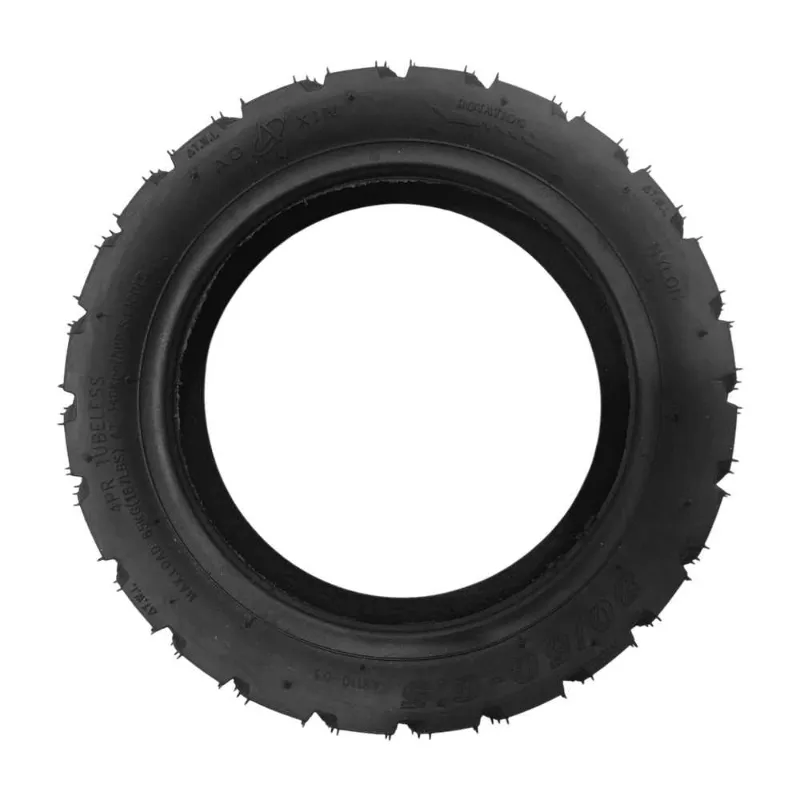
Tire choice affects traction more than weight. The L1 ships with 10-inch pneumatic tires, which grip asphalt well in dry conditions but slip on wet pavement during acceleration. The K20 uses wider 10-inch off-road tires with deeper tread, borrowed from Ausom’s off road electric scooter lineup.
Stability comes down to wheelbase and deck height. The K20’s longer wheelbase (49 inches vs. 46 inches) reduces the front-wheel-lift tendency on very steep starts. If you regularly climb hills above 15 degrees, lean forward and keep your weight over the front to avoid inadvertent wheelies.
Real-World Hill Climbing: Ausom L1 vs K20 Performance
We mapped five common commuter scenarios to see where each scooter excels:
| Scenario | Ausom L1 | K20 |
|---|---|---|
| Gradual 8-10° slopes | 18 mph sustained, minimal slowdown | 20 mph sustained, no slowdown |
| Steep 15-18° hills | 9-12 mph, audible motor strain | 13-15 mph, smooth power delivery |
| Stop-and-go on incline | Moderate acceleration lag | Quick restarts, less foot-pushing needed |
| Long climbs (1+ mile) | Battery drops 20-25% per mile of climbing | Battery drops 15-18% per mile of climbing |
The L1 handles neighborhood hills and bridge overpasses without issue. If your daily route includes San Francisco-style grades or mountain access roads, the K20 justifies its higher price through better torque and less rider fatigue. Grab the code to save on either model before comparing final costs.
Ausom L1 Max Speed and Top-End Power
Flat-ground top speed doesn’t predict hill performance, but it reveals motor headroom. The ausom l1 max speed reaches 22 mph on level pavement with a 165 lb rider, while the K20 hits 25 mph under identical conditions. On a 12-degree hill, those figures drop to 10 mph (L1) and 14 mph (K20).
The L1’s controller limits current draw to protect the battery, which explains why it feels less aggressive than the K20 during hard acceleration. This conservative tuning extends battery lifespan but sacrifices the punch some riders want. If you prioritize longevity over performance, the L1’s approach makes sense. If you need to merge into traffic after cresting a hill, the K20’s extra speed provides a safety buffer.
Maintenance and Upgrades for Hill Riding
Climbing hills wears brakes, tires, and drivetrain components faster than flat riding. Both scooters use dual disc brakes, but the K20’s larger 140mm rotors dissipate heat better during long descents. We recommend checking brake pad thickness every 200 miles if you ride hilly terrain daily.
Hill-specific maintenance tips:
- Inflate tires to the upper end of the recommended range (50 psi for both models) to reduce rolling resistance on climbs.
- Lubricate the folding hinge every month; dirt accumulation here creates flex that wastes power.
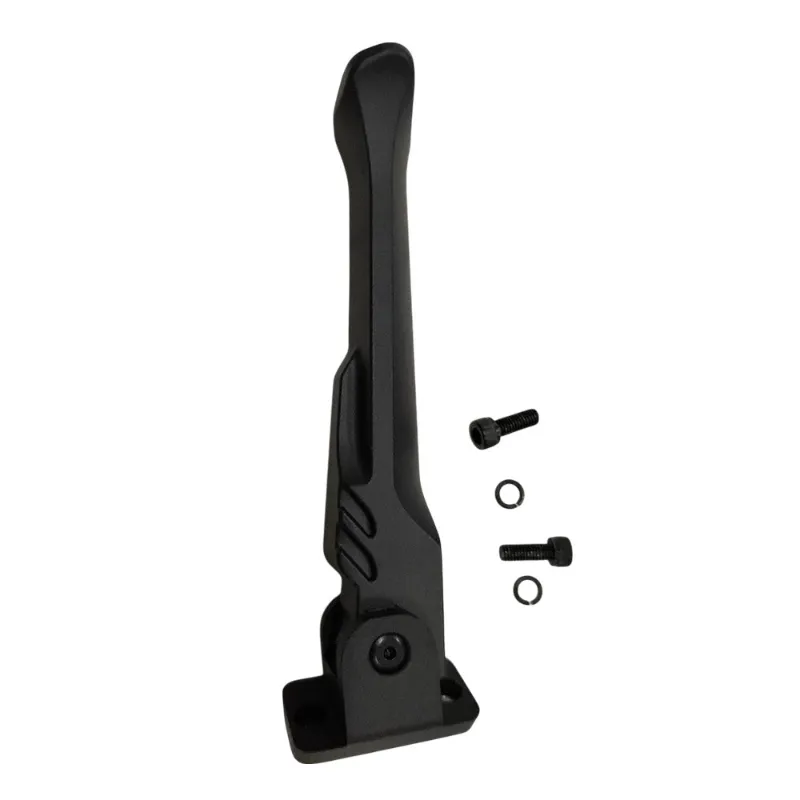
- If you add a scooter kickstand for parking on slopes, choose a model with a locking pin to prevent rollaway.
For riders who want more range, aftermarket battery upgrades exist but void warranties. We’ve seen third-party 20Ah packs for the K20 that add 25% capacity, though installation requires soldering skills. The L1’s battery is harder to access, making DIY upgrades impractical for most users.
Which Scooter Fits Your Hills?
Choose the ausom l1 electric scooter if your commute includes gentle slopes under 12 degrees and you value portability over peak power. Its lighter weight and efficient controller deliver solid range for mixed terrain, and the lower price point (visible when you check pricing here) makes it accessible for first-time buyers.
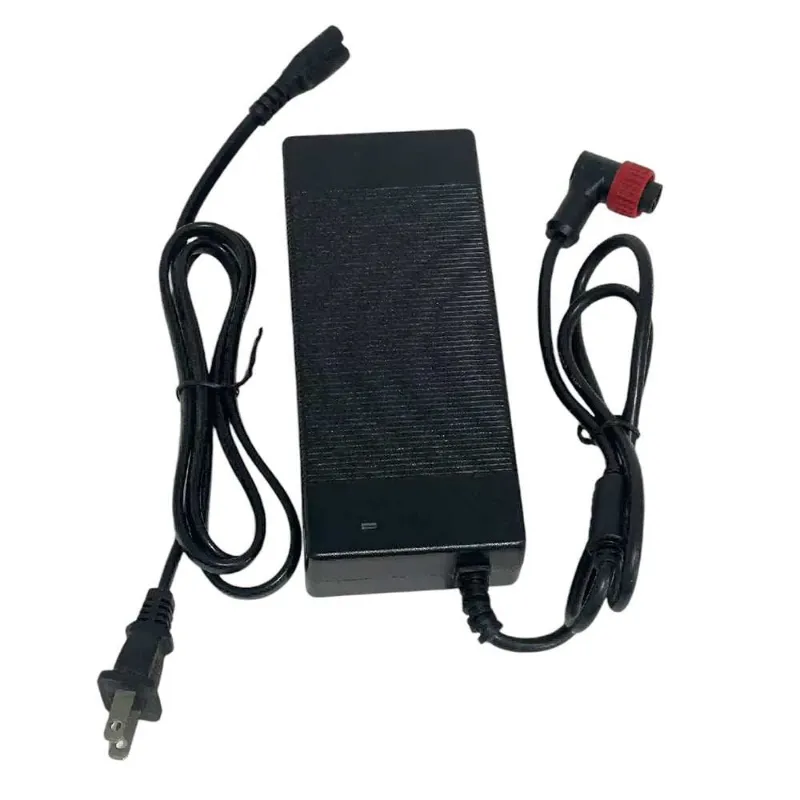
Pick the k20 if you face sustained climbs above 15 degrees, need faster uphill speeds, or weigh over 200 lbs. The extra motor wattage and battery capacity justify the cost difference for riders who would otherwise arrive late or drained. Both scooters pair well with a caroma electric scooter charger for faster recharge between rides.
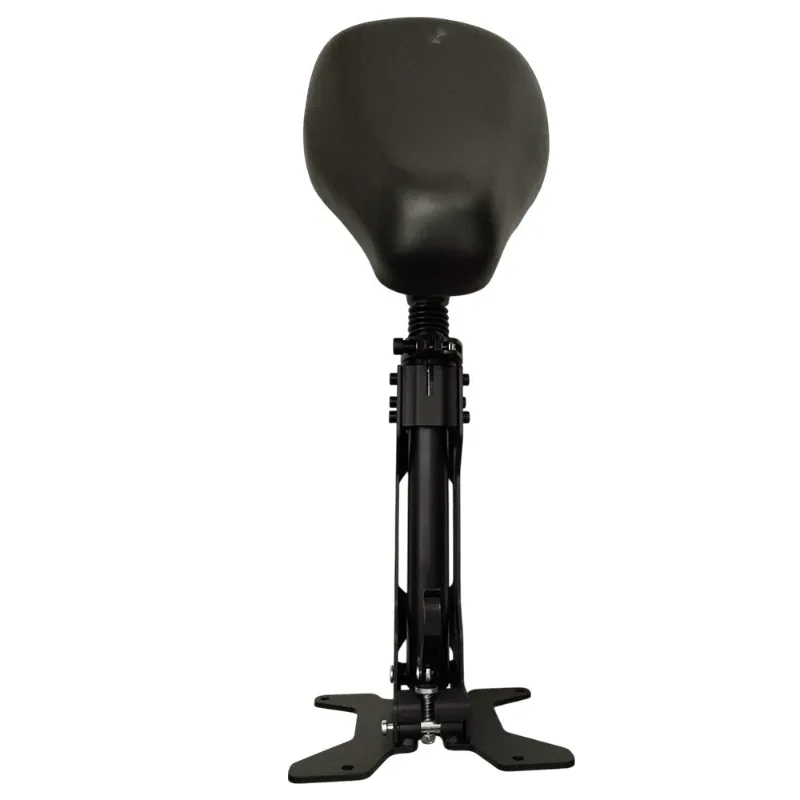
If neither the L1 nor K20 feels right, that mid-tier option might suit your needs. For riders who want a seated option on long climbs, consider an electric scooter with seat to reduce leg fatigue on extended uphill stretches.
Hill performance comes down to matching motor power and battery capacity to your steepest regular route. Test ride both models on your actual commute if possible, or use our discount code to lower the risk of trying the higher-spec K20.
Questions
Can the ausom l1 electric scooter handle a 20 degree hill?
The L1 can climb a 20 degree hill but expect speeds to drop to 6-8 mph with significant motor strain. Riders over 180 lbs may need to kick-assist on grades that steep.
Which scooter has better battery life on hilly commutes?
The K20's larger 936Wh battery outlasts the L1's 720Wh pack on hills, typically providing 15-20% more range when climbing. Both use regenerative braking to recover some energy on descents.
Do I need an off road electric scooter for steep hills?
Not necessarily. Off-road models offer better tire grip on loose or wet surfaces, but hill climbing depends more on motor wattage and torque than tire tread. The K20's road tires handle paved hills effectively.
Will climbing hills daily damage my scooter faster?
Hill riding accelerates brake pad wear and stresses the motor more than flat terrain, but both the L1 and K20 are designed to handle regular climbs. Check brakes every 200 miles and keep tires properly inflated.
Can I upgrade the motor on the Ausom L1 for better hill performance?
Motor swaps void the warranty and require controller reprogramming. If the L1's power feels insufficient, trading up to the K20 or DT2 Pro is more practical than aftermarket modifications.
What is the ausom l1 max speed on flat ground versus hills?
The L1 reaches 22 mph on level pavement but drops to 10-12 mph on a 15 degree hill. Steeper grades or heavier riders reduce that further to 8-9 mph.
Products in this guide
 Shopping at Ausom? See the discount code
$50 OFF Sitewide
Shopping at Ausom? See the discount code
$50 OFF Sitewide
More in this series
Adding a Seat to Your Ausom Electric Scooter: Compatibility and Comfort16 Aug 20265 minWhat Charger Works with the Ausom DT2 Pro Electric Scooter?16 Aug 20265 minWhat Range Can You Expect From the Ausom L1 Electric Scooter?16 Aug 20264 minDo Ausom Off Road Electric Scooters Work on Gravel and Dirt Trails?16 Aug 20265 minHow to Replace the Kickstand on Your Ausom Electric Scooter16 Aug 20265 min