 A Maia Homes guide
Art Deco Wallpaper Care Guide: Cleaning and Maintaining Your Investment
Art deco wallpaper transforms any room with bold geometric patterns and vintage glamour, but proper care keeps it looking pristine.
How to Care for Art Deco Wallpaper
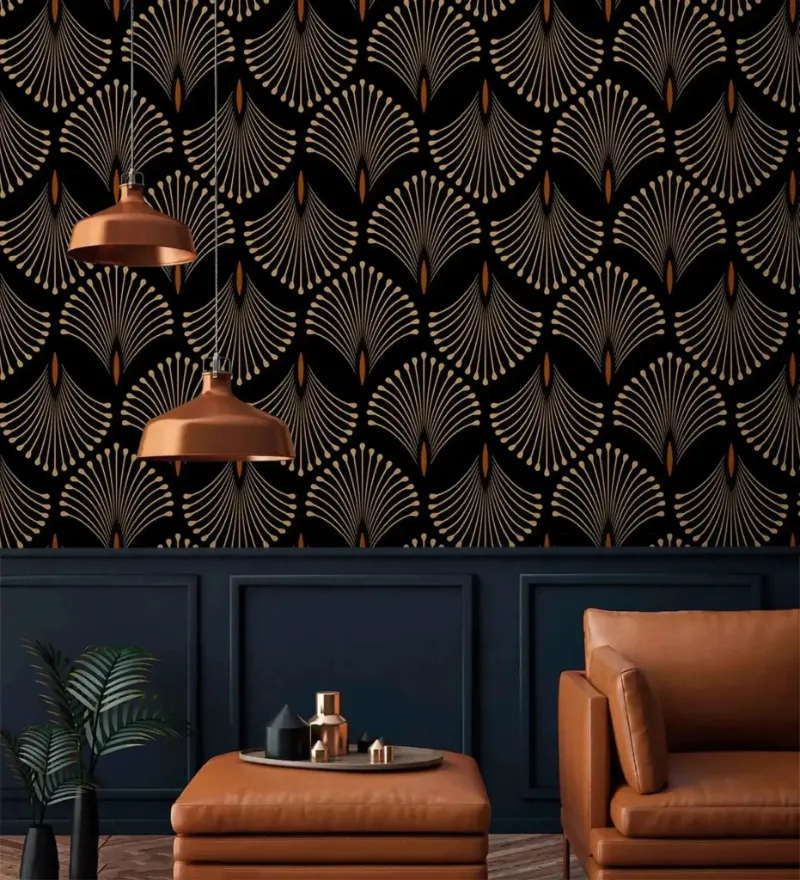
Art deco wallpaper brings timeless elegance and geometric sophistication to your walls, but without proper maintenance, even premium patterns can fade, peel, or stain. Whether you chose art deco wallpaper in classic black and gold or a softer blue palette, these techniques keep your walls looking gallery-fresh. You can find the current code on our Maia Homes discount code page.
Understanding Your Wallpaper Type Before Cleaning
Not all wallcoverings respond to the same care routine. Check whether your art deco wallpaper peel and stick product has a vinyl or polyester face, which handles moisture better than traditional paper-backed versions. Before you clean any surface, check the manufacturer label or test a hidden corner with a damp cloth. A vintage art deco wallpaper reproduction on a non-woven substrate tolerates gentle scrubbing, while true 1920s art deco wallpaper requires a feather-light touch to avoid damaging the original ink or paper fibers.
Material breakdown:
- Vinyl-coated: washable with mild soap and water, ideal for high-traffic areas
- Non-woven: breathable, tear-resistant, handles light dampness
- Paper-backed: requires dry cleaning methods only, no water contact
- Fabric or textile: professional cleaning recommended to prevent water stains
Knowing your wallpaper’s construction saves you from accidental damage and guides every cleaning decision below.
Regular Dusting and Surface Maintenance
Dust accumulation dulls the crisp lines of geometric art deco patterns, especially on textured or embossed designs. Dust your walls every two to three weeks using a microfiber duster or a vacuum with a soft brush attachment set to low suction. Work from ceiling to baseboard in gentle downward strokes to avoid grinding particles into the surface.

For art deco wallpaper black finishes or deep jewel tones, dust shows up faster than on lighter prints. A quick weekly pass prevents buildup that eventually requires wet cleaning. Corners, trim edges, and areas near vents collect the most debris, so pay extra attention to these zones. If you have coordinating decor like a bedroom rug or floral carpet rug, vacuuming them at the same time reduces airborne dust that settles on your walls.
Avoid feather dusters, which redistribute rather than capture particles, and skip any abrasive cloths that can scratch metallics or glossy finishes on art deco wallpaper black and gold patterns.
Spot Cleaning Stains Without Damage
Spills and marks happen, but fast action prevents permanent stains. For washable vinyl or coated wallpapers, blot (never rub) fresh spills immediately with a clean, dry cloth. Once you’ve absorbed the excess, mix a few drops of mild dish soap with lukewarm water, dampen a soft sponge, and gently dab the stain from the outside in to avoid spreading.
Step-by-step stain removal:
- Test your cleaning solution on an inconspicuous spot first
- Blot excess liquid or gently scrape dried residue with a plastic card edge
- Apply soapy water with a barely damp sponge, never soaking the wall
- Rinse the area with a clean, damp cloth to remove soap residue
- Pat dry immediately with a soft towel to prevent water marks
For non-washable paper or delicate vintage reproductions, skip water entirely. Instead, use a dry cleaning sponge (also called a chemical sponge) designed for wallpaper. These crumbly rubber blocks lift dirt without moisture. Keep one on hand for your art deco wallpaper to lift scuffs, fingerprints and light grime.
Stubborn marks like crayon or grease may require a specialty wallpaper cleaner.
Controlling Humidity and Preventing Peel
Art deco wallpaper thrives in stable environments. Excessive humidity causes adhesive failure, bubbling, and mold growth, while bone-dry air can make seams lift or paper crack. Keep interior humidity steady, and use a hygrometer to track it. In bathrooms or kitchens where moisture spikes, run an exhaust fan during and after showers or cooking, and consider a dehumidifier if condensation regularly appears on walls.
Peel and stick varieties handle minor humidity swings better than paste-hung paper, but even modern adhesives lose grip in persistently damp conditions. If you notice a seam lifting, address it immediately. Gently lift the loose edge, apply a thin bead of wallpaper seam adhesive with a small artist brush, press the paper back into place, and roll it flat with a seam roller or clean cloth. Wipe away any adhesive squeeze-out before it dries.
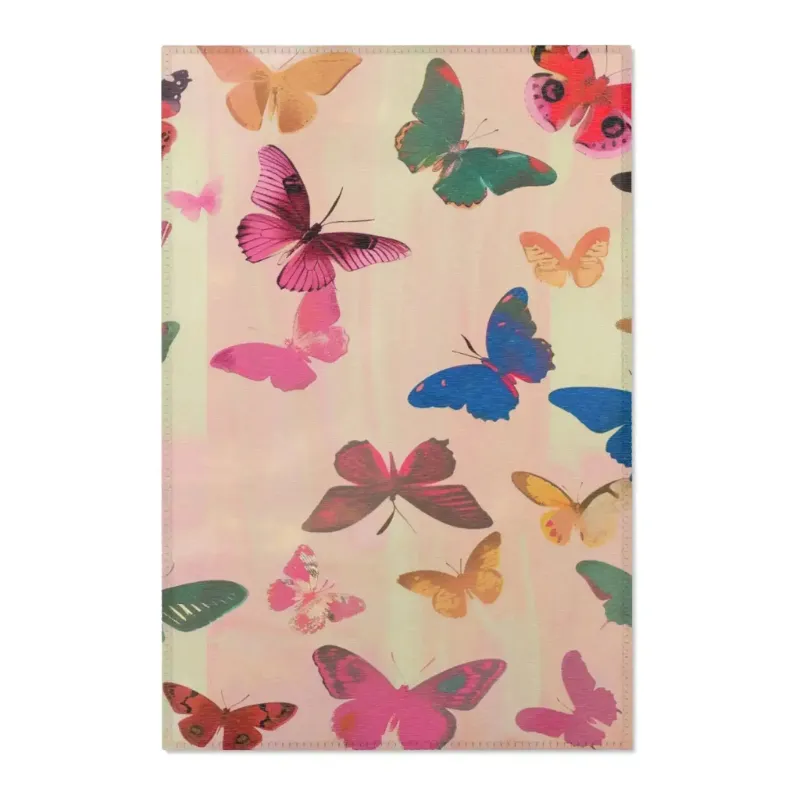
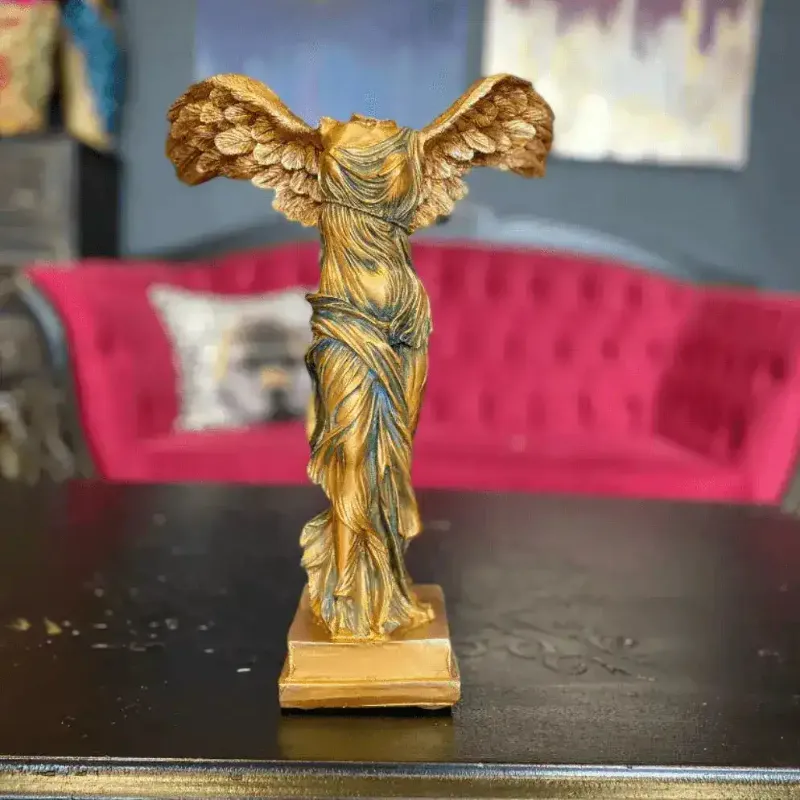
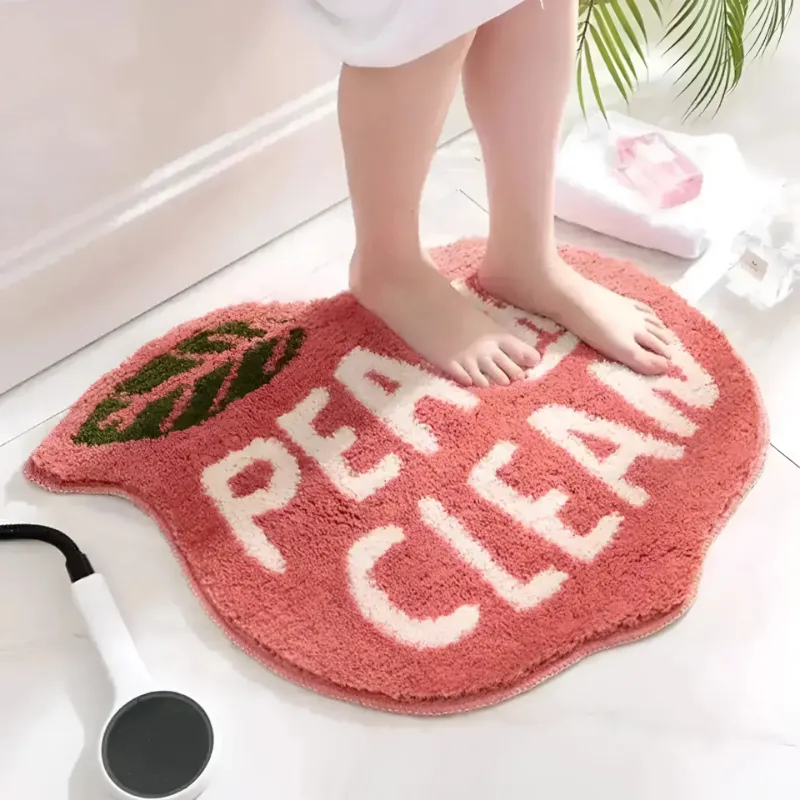
In rooms with bold patterns like art deco wallpaper blue or black designs, seam separations show up fast. Regular inspections every few months catch problems early. Pair your wall care routine with thoughtful decor choices. A pink rug or statement piece like a winged victory of samothrace sculpture draws the eye and balances the visual weight of geometric wall patterns without adding humidity-trapping fabric treatments.
Protecting Wallpaper from Sunlight and Fading
Direct sunlight is the silent enemy of vibrant wallcoverings. UV rays bleach inks and dyes over time, turning rich blacks to faded grays and dulling metallic accents that define art deco style. Use sheer curtains or UV-filtering window film in rooms with south or west-facing windows to diffuse harsh afternoon light without blocking natural brightness entirely.
For high-value or irreplaceable vintage art deco wallpaper, consider UV-protective glass on nearby artwork and avoid placing mirrors that reflect concentrated sunlight onto your walls. If fading has already started, cleaning will not bring the color back. Your best defense is prevention from day one.
Sun-protection strategies:
- Install adjustable blinds or blackout shades in rooms with intense light exposure
- Rearrange furniture seasonally so the same wall section isn’t always exposed
- Use LED bulbs instead of halogen, which emit less UV and heat
- Apply clear UV-blocking film to windows in rooms with irreplaceable wallpaper
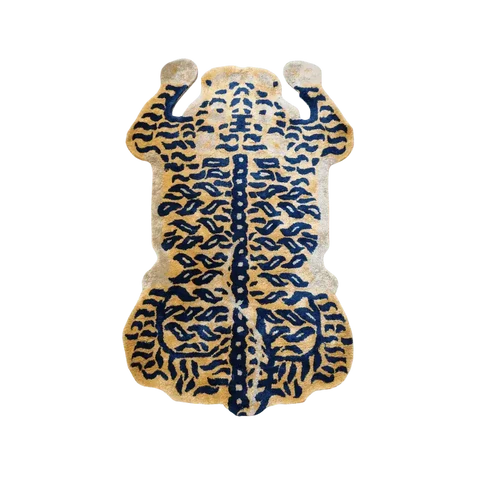
If you’re decorating a sun-drenched space, balance bold wall patterns with grounded textures. A tiger rug or best bath mats in natural fibers adds warmth without competing visually, and sculptural accents like a nike statue create focal points that shift attention throughout the room.
Long-Term Care and When to Refresh
Even well-maintained wallpaper eventually shows its age. Inspect seams, corners, and high-touch areas once a year for signs of wear like thinning, discoloration, or adhesive failure. Minor touch-ups extend lifespan, but once damage has spread across a wall, weigh a full refresh against patchwork repairs.
When you’re ready to update, removal techniques depend on your wallpaper type. To remove a peel and stick formula, start at a corner and pull slowly at a 45-degree angle. Traditional paste-hung paper may require a scoring tool, wallpaper steamer, and stripping solution to soften the adhesive. Always follow manufacturer removal instructions to avoid damaging drywall underneath.

Trends evolve, but the geometric precision and luxe materials that define 1920s art deco wallpaper remain perennially stylish. You might pair a fresh wall treatment with complementary pieces like mushroom wallpaper in an accent nook or a nike sculpture on a console table to unify your space.
Between refreshes, small upgrades keep rooms feeling current. Swap throw pillows (a fill a pillow insert makes DIY covers simple), layer in a new rug, or rotate decorative objects. These low-commitment changes let your carefully maintained wallpaper remain the star while the room around it evolves.
Expert Resources and Where to Learn More
Understanding the history and craft behind your wallcoverings deepens your appreciation and sharpens your care instincts. The Art Deco Wallpaper collection at Graham & Brown showcases authentic 1930s-inspired designs and includes material care sheets for each product line. For technical guidance on adhesive types and removal, Hovia’s Art Deco range offers detailed installation and maintenance FAQs tailored to peel and stick formats.
Online communities where collectors and decorators share care tips for vintage and reproduction wallpapers are another place to ask questions. When in doubt, consult a professional wallpaper hanger or restoration specialist rather than risking DIY experiments on irreplaceable panels.
Proper care costs less than early replacement, so give your walls a little regular attention.
Questions
Can I use water to clean art deco wallpaper?
It depends on the material. Vinyl-coated and non-woven wallpapers handle light dampness well, but traditional paper-backed varieties require dry cleaning methods only. Always test a hidden corner first and blot rather than scrub.
How often should I dust my wallpaper?
Dust every two to three weeks using a microfiber cloth or soft brush vacuum attachment. High-traffic areas and rooms with dark or textured patterns may need weekly attention to prevent buildup.
What causes art deco wallpaper to peel or bubble?
Excess humidity weakens adhesive and traps moisture behind the paper. Poor initial installation, temperature swings, and water exposure can also cause lifting. Keep humidity steady and address loose seams immediately.
Will sunlight fade my vintage art deco wallpaper?
Yes, direct UV exposure gradually bleaches inks and dulls metallic accents. Use sheer curtains, UV-filtering window film, or adjustable blinds to diffuse harsh light, especially in south and west-facing rooms.
How do I remove a stain without damaging the pattern?
Blot spills immediately with a dry cloth, then use a barely damp sponge with mild dish soap for washable papers. For delicate or paper-backed wallpaper, use a dry chemical sponge designed for wallcoverings instead of water.
When should I replace instead of repair my wallpaper?
If fading, tearing, or adhesive failure has spread across a wall, weigh a full refresh against the cost of patching. Minor seam lifts and small stains are easier to repair, so address them early.
Products in this guide
 Shopping at Maia Homes? See the discount code
10% OFF All Orders
More in this series
Bath Mat vs Rug: Which Should You Use in Your Bathroom?30 Jul 20265 min Maia Homes Pillow Inserts: Which Size Fits Your Cover?30 Jul 20263 minDo Wool Rugs Shed? What to Expect From Your 4×6 Wool Rug30 Jul 20264 minWinged Victory of Samothrace vs Nike Statue: Which Greek Sculpture Is Right for Your Home?30 Jul 20264 minHow to Choose the Right Size Rug for Your Bedroom30 Jul 20265 min