 A 7Artisans guide
7Artisans 35mm F/1.2 Mark II vs F/1.4: Which Aperture Should You Buy?
The 7artisans 35mm f/1.2 mark ii lens delivers exceptional low-light performance and dreamy bokeh, but the f/1.4 version offers sharper optics and lighter weight at a lower price.
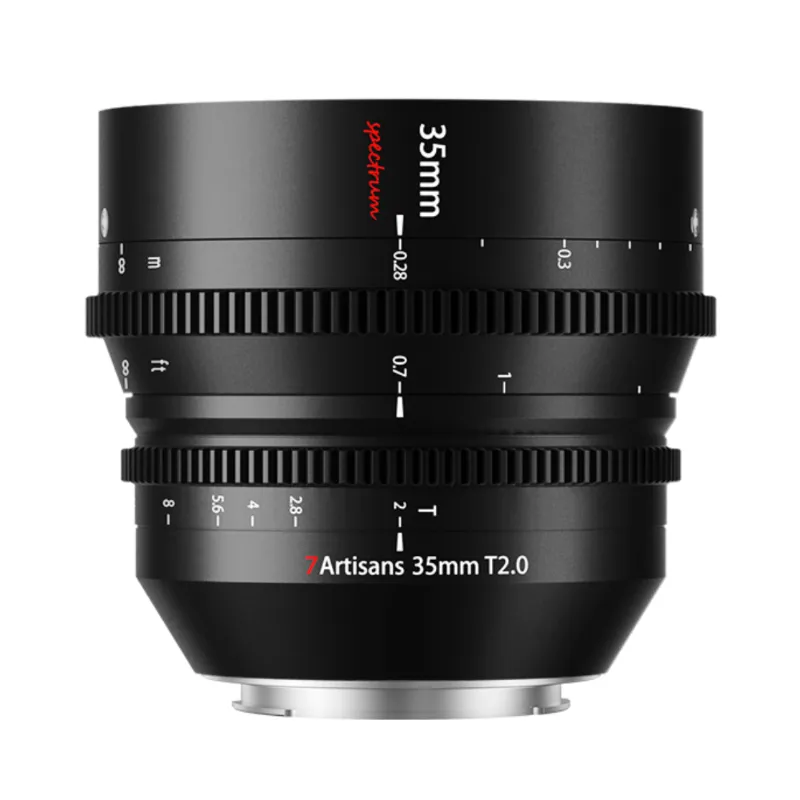
The 7artisans 35mm f/1.2 mark ii lens gathers one full stop more light than the 7artisans 35mm f/1.4 lens, which is useful in low light and for stronger background separation. That extra aperture comes with trade-offs in weight, price and, at matched apertures, sharpness.
Build quality and handling
Both lenses share 7Artisans’ all-metal construction, but they handle differently once you pick them up.
| Feature | F/1.2 Mark II | F/1.4 |
|---|---|---|
| Weight | 435g | 320g |
| Filter thread | 52mm | 52mm |
| Minimum focus | 0.38m | 0.35m |
| Aperture blades | 10 | 10 |
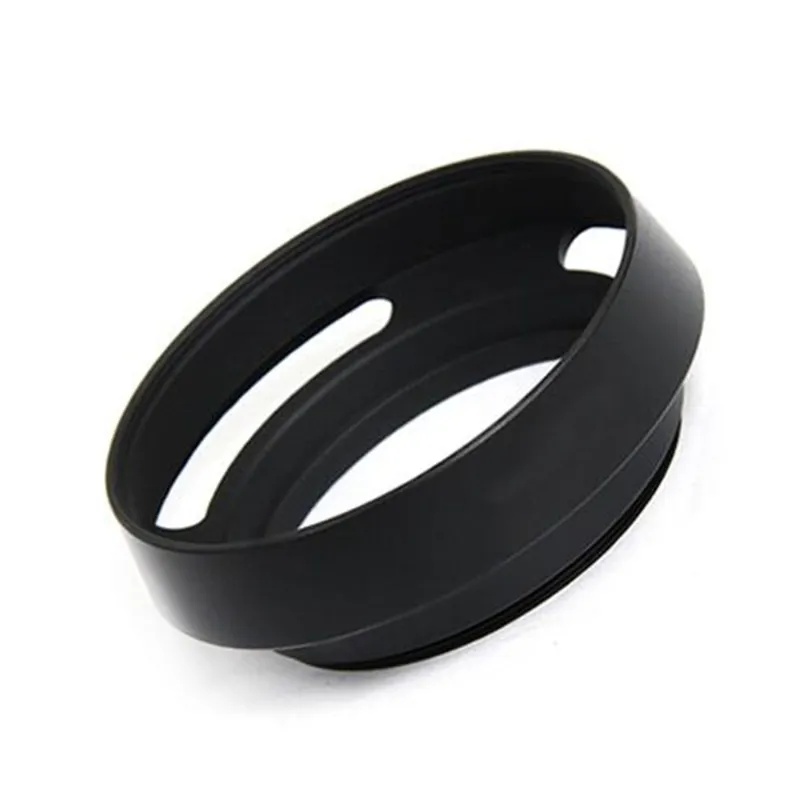
The f/1.2 Mark II’s extra glass adds 115 grams over the f/1.4, which becomes noticeable on a long shoot or with a smaller mirrorless body. Both focus rings are smooth and well damped, and both accept the same 7 hood for lens protection without adding bulk. The aperture ring clicks in half-stop increments on both models. If you also use the 7artisans 35mm f/1.4 af lens, note that the autofocus version trades the physical aperture ring for electronic control.
Optical performance: sharpness versus character
At matched apertures, the f/1.4 generally holds an edge in sharpness across the frame, particularly from f/2 through f/5.6, and it shows less chromatic aberration toward the edges.
The f/1.2 Mark II trades some of that clinical sharpness for character wide open. At f/1.2, one review describes a dreamier rendering, with a glow around highlights and a softer transition into the bokeh. By around f/2, the two lenses are closer in the center of the frame, though the f/1.4 still tends to hold an edge toward the corners.
Vignetting is heavier on the f/1.2 at maximum aperture than on the f/1.4 wide open, which is typical for faster lenses. Both clean up by f/2.8. Distortion is minor on both lenses, with a slight barrel curvature that is only really visible on architecture or grid patterns, and it is not something portrait or street shooters generally need to correct.
Low light shooting and bokeh rendering
The extra stop of light on the f/1.2 matters most in genuinely dim conditions, where it lets you shoot handheld without pushing ISO as high as the f/1.4 would need. For event photographers or anyone working in available light rather than flash, that difference can be the deciding factor. One first-impressions writeup describes being able to capture scenes that would otherwise need a higher ISO on the f/1.4.
Bokeh differs between the two lenses in ways photographers tend to notice quickly. The f/1.2’s ten-blade aperture generally produces rounder, creamier out-of-focus areas with a softer, more glowing quality to specular highlights, compared with the slightly harder-edged circles some faster lenses show. If you mostly shoot outdoors or in well-lit studios, the f/1.4’s maximum aperture is usually wide enough for good subject separation. The f/1.2 is worth the extra weight and cost mainly when light drops, or when you specifically want that dreamier wide-open look.
Who should choose the F/1.2 Mark II
The f/1.2 Mark II tends to suit photographers who prioritize low-light capability and bokeh character over maximum sharpness. Portrait shooters who like a softer rendering wide open, and wedding or event photographers working in dim venues without flash, are the people most likely to feel the extra stop is worth it.
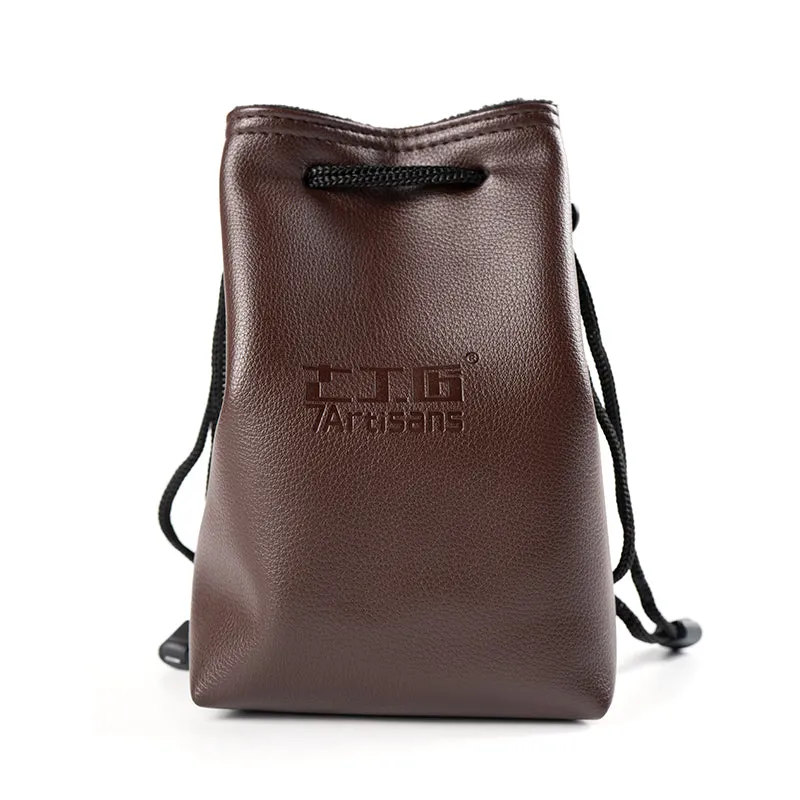
Night street photography is another good fit, since the f/1.2 opens up compositional options that would otherwise need a tripod. Sample photos from one reviewer show the kind of glow around faces that some video shooters also favor for interviews and narrative work. For storage, the artisan & artist leather fabric camera pouch fits either 35mm lens and adds scratch protection without the bulk of a hard case.
Who should choose the F/1.4
The 7artisans 35mm f/1.4 lens is the better choice if sharpness, lighter weight and value matter more to you than that extra stop of light. Photographers who typically shoot scenery and architecture at f/5.6 or smaller will not benefit from f/1.2, and the f/1.4’s edge sharpness gives cleaner corners once you stop down.
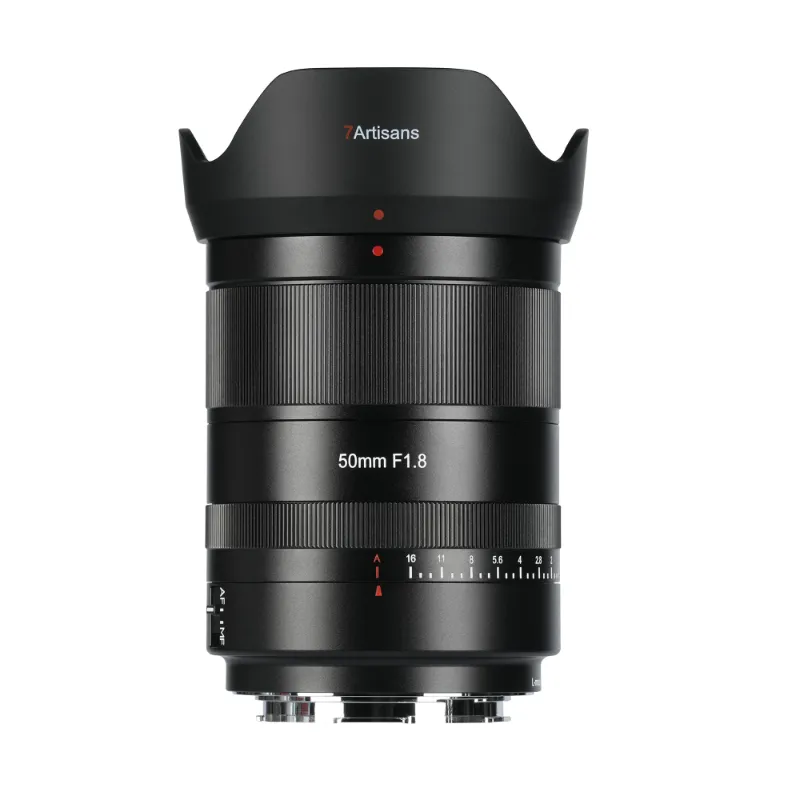
Travel photographers benefit from carrying 115 fewer grams, and the difference adds up over a day of walking with more than one lens. Photographers building a manual-focus kit on a budget can pair the f/1.4 with other 7Artisans primes, such as the 7artisans 50mm f/1.8 lens or the 7artisans 14mm f/2.8 lens, and still spend less than a single premium autofocus lens. If you occasionally need autofocus for moving subjects like kids or pets, the 7artisans 35mm f/1.4 af lens trades the manual aperture ring for reliable autofocus.
Pricing and where to find a deal
The f/1.2 Mark II generally costs more than the f/1.4 version, though exact pricing varies by mount and availability. Both lenses come in versions for Sony E, Fuji X, Canon EOS-M, Micro Four Thirds and other popular mirrorless mounts.
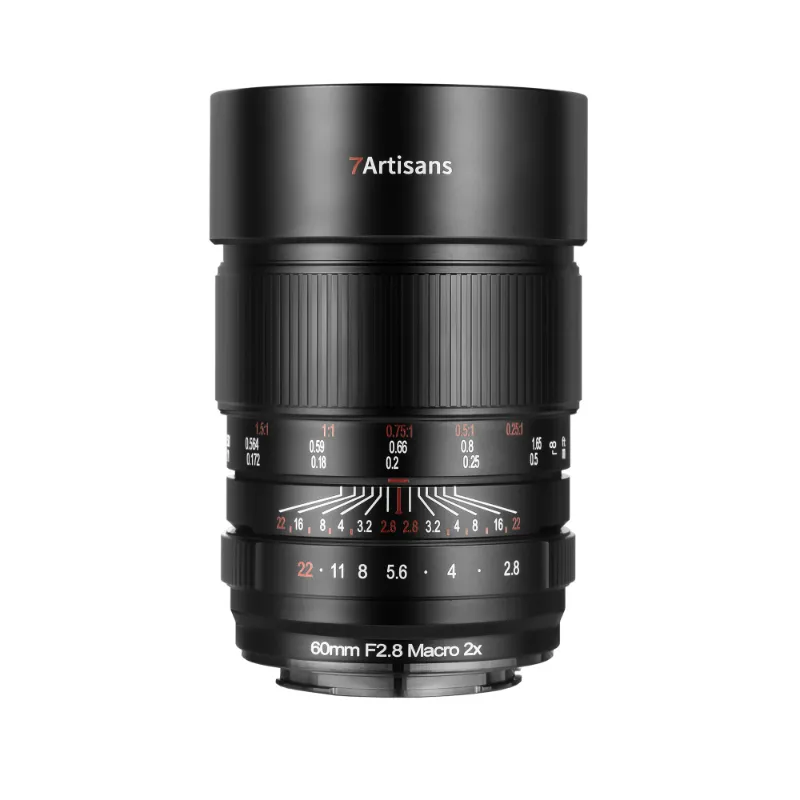
To check current pricing on either lens and grab our discount code, visit our 7Artisans coupon page for updated links and active promotions. If you are considering other focal lengths, the 7artisans 35mm f/5.6 pancake lens offers a very compact option for daylight shooting, while the 7artisans 60mm f/2.8 macro 2x lens gives you true macro capability at a similar price point to the f/1.4.
Our take on choosing between them
Choose the f/1.2 Mark II if you regularly shoot in low light, want maximum subject separation, or prefer a dreamier rendering for portraits and video. The extra cost buys real capability that no amount of editing can fully replace.
Choose the f/1.4 if sharpness, portability and value matter more to you than that extra stop. For most everyday shooting, f/1.4 is wide enough for good bokeh and solid low-light performance, and the lighter weight makes it an easier everyday carry. Check our 7Artisans discount page before you buy, whichever aperture you choose.
Questions
Is the 7artisans 35mm f/1.2 mark ii lens sharper than the f/1.4 version?
Generally no. The f/1.4 tends to be sharper across the frame at matched apertures, particularly from f/2 through f/5.6. The f/1.2 Mark II trades some of that sharpness for a softer, more dreamlike rendering and a wider maximum aperture.
How much heavier is the f/1.2 compared to the f/1.4?
The f/1.2 Mark II weighs 435 grams versus 320 grams for the f/1.4, a difference of 115 grams that becomes more noticeable on longer shoots or with smaller mirrorless bodies.
Can I use the same lens hood on both 35mm lenses?
Yes, both the f/1.2 Mark II and f/1.4 share a 52mm filter thread, so they accept the same hoods and filters.
Does the extra stop of light on the f/1.2 make a real difference?
It can, especially in dim environments, since it lets you shoot handheld without pushing ISO as high as the f/1.4 would need. The difference matters most for event photography, low-light street work and video in available light.
Which lens is better for street photography?
The f/1.4 tends to suit daytime street work better thanks to its lighter weight and sharper optics. The f/1.2 Mark II is the stronger option for night street photography, where the extra light-gathering ability matters more.
Are these lenses autofocus or manual focus only?
Both the f/1.2 Mark II and f/1.4 are manual focus only. If you need autofocus at 35mm, the 7artisans 35mm f/1.4 AF lens is the option to consider, though it drops the physical aperture ring.
Products in this guide
 Shopping at 7Artisans? See the discount code
5% OFF All Orders
Shopping at 7Artisans? See the discount code
5% OFF All Orders
More in this series
7Artisans Pancake Lens 35mm F/5.6: How Thin Is It and Does Image Quality Suffer?10 Aug 20264 minWhat Mount Compatibility Does the 7Artisans 14mm F/2.8 Lens Support?10 Aug 20264 min 7Artisans 50mm F/1.8 Autofocus Lens for Sony E: What to Know10 Aug 20265 minAre 7Artisans Lenses Sharp Enough for Professional Photography?10 Aug 20264 min
 How to Get Sharp Macro Shots With the 7Artisans 60mm F/2.8 2X Lens10 Aug 20264 min