 A Firecracker Farm guide
Yuzu Salt vs. Traditional Finishing Salts: What’s the Difference?
Yuzu salt delivers bright citrus aromatics that traditional finishing salts simply can't match, making it the secret weapon for elevating seafood, ramen, and grilled dishes.
What Makes Yuzu Salt Different from Regular Finishing Salts
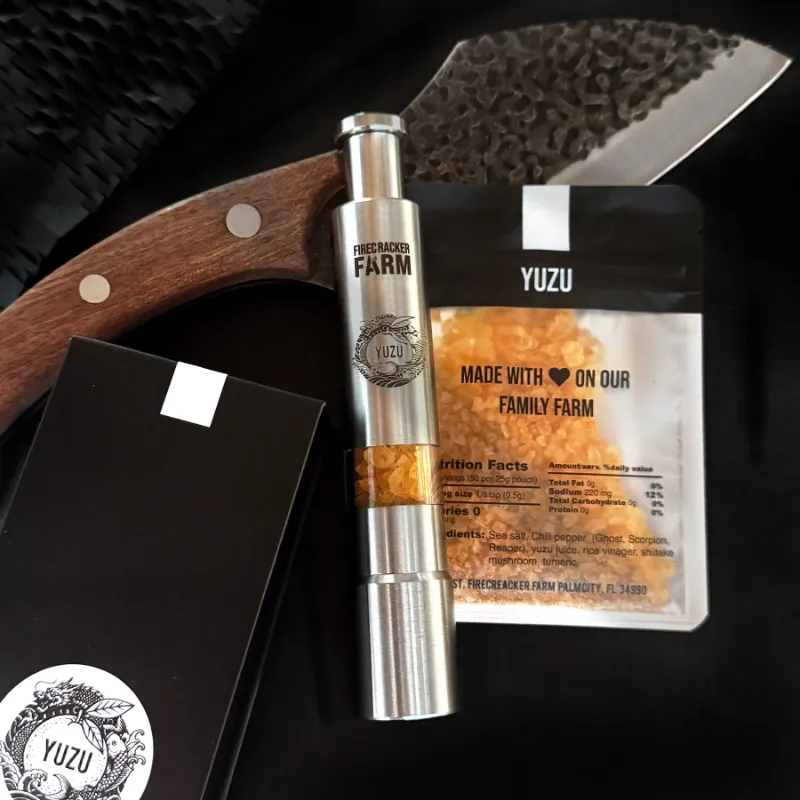
Yuzu salt combines flaky sea salt with dried yuzu peel, creating a citrus-forward seasoning that offers both salinity and aromatic brightness in one sprinkle. Traditional finishing salts like fleur de sel or Maldon deliver pure mineral flavor and texture, while yuzu salt adds a complex layer of tart, floral citrus that transforms the final bite of a dish. The yuzu component contributes essential oils and zest that dissolve on the tongue, making it ideal for dishes where you want both seasoning and a flavor accent without adding liquid acidity.
If you’re exploring other creative finishers, their firecracker farm hot salt and vanillasalt each bring distinct profiles to different cuisines, but yuzu remains the most versatile for Asian and seafood-focused cooking.
Flavor Profile: Citrus Aromatics vs Pure Mineral Taste
Traditional finishing salts taste clean and briny with subtle mineral notes that vary by harvest region. Fleur de sel from France carries a delicate ocean sweetness, while Hawaiian black lava salt adds a faint sulfur edge from activated charcoal. These salts let the core flavors of your dish take center stage.
Yuzu salt from Japan introduces a completely different dimension. The dried yuzu peel contributes:
- Bright, tart citrus oil that hits your nose before your palate
- Floral, almost perfumed notes similar to bergamot or Meyer lemon
- Slight bitterness from the pith that balances sweetness in glazes
- Lingering aromatic finish that extends the flavor of each bite
This makes yuzu salt uses far more specific than general finishing salts. It works brilliantly in yuzu salt ramen, where it reinforces the citrus notes in tonkotsu or shoyu broth, and on seared scallops where the acidity cuts through richness. Traditional salts remain the better choice for simply grilled steak or roasted root vegetables where you want texture without competing aromatics.
Texture and Crystal Structure Comparison
Both yuzu and traditional finishing salts rely on flaky crystal structure for that satisfying crunch, but the addition of dried citrus peel changes the mouthfeel slightly.
| Salt Type | Crystal Size | Texture on Food | Dissolve Rate |
|---|---|---|---|
| Fleur de Sel | Fine to medium flake | Delicate crunch, quick melt | Fast |
| Maldon Sea Salt | Large pyramid flake | Bold crunch, slow melt | Medium |
| Yuzu Salt | Medium flake + peel bits | Textured with aromatic bursts | Medium |
| Smoked Finishing Salt | Medium flake | Even crunch | Fast |
The yuzu peel pieces in quality blends add tiny pops of concentrated flavor that release oils as you chew, creating a more dynamic eating experience than uniform salt crystals. Check the latest price on Firecracker Farm’s blend to see their specific flake-to-peel ratio.
Best Uses: When to Choose Each Type
Choose yuzu salt when cooking:
- Sashimi, crudo, or ceviche where citrus is already a flavor partner
- Grilled fish like salmon, mackerel, or sea bass
- Avocado toast, edamame, or cucumber salads
- Finishing ramen, udon, or miso soup
- Cocktail rims for gin or sake-based drinks
For a simple yuzu salt recipe application, we love sprinkling it over roasted Brussels sprouts in the last two minutes of cooking so the citrus oils perfume the charred leaves without burning.
Choose traditional finishing salts when you want:
- Pure textural contrast on caramel, chocolate, or baked goods
- Clean mineral flavor on red meat, pork chops, or lamb
- Delicate seasoning for heirloom tomatoes or fresh mozzarella
- A neutral finisher that won’t compete with complex sauces

If you’re building a collection of specialty salts, consider pairing yuzu with complementary finishers like Firecracker Farm’s heat-forward options. Their firecracker farms gift set often bundles multiple profiles so you can match the right finish to each dish.
Price and Availability Considerations
Traditional finishing salts typically cost between eight and twenty dollars per standard jar, with regional harvests like fleur de sel commanding premium prices. Yuzu salt sits at the higher end of that spectrum because yuzu fruit is seasonal and primarily grown in Japan, making the dried peel more expensive to source than plain sea salt.
You’ll find traditional finishing salts in nearly every grocery store and specialty shop. Yuzu salt remains harder to locate in physical retail outside of Japanese markets or high-end culinary stores, though online availability has improved significantly. Firecracker Farm ships directly, and you can grab the code for 10% off all orders, which makes experimenting with specialty blends more affordable.
For home cooks on a budget, traditional flaky sea salt offers more versatility per dollar since it works across all cuisines. Yuzu salt delivers better value if you cook Japanese, Korean, or seafood-heavy menus frequently where that citrus note becomes essential rather than experimental.
Storage and Shelf Life Differences
Both salt types resist spoilage thanks to their high sodium content, but the dried citrus in yuzu salt requires slightly more careful storage.
Traditional finishing salts:
- Store in any airtight container at room temperature
- Remain shelf-stable for years with no flavor degradation
- Moisture is the only enemy; keep away from steam and humidity
Yuzu salt:
- Store in an airtight container away from light and heat
- Best used within 12 to 18 months while citrus oils remain potent
- The peel can lose aromatic intensity over time, though the salt remains safe
We recommend keeping yuzu salt in a dark pantry rather than beside the stove where heat accelerates essential oil evaporation. If you notice the citrus aroma fading, the salt is still usable for cooking where it gets incorporated into hot dishes, but it loses effectiveness as a final garnish where that fresh burst matters most.
Which Specialty Salt Fits Your Kitchen
If you cook diverse cuisines and want one go-to finisher, traditional flaky sea salt remains the practical choice for its neutral profile and universal application. Invest in yuzu salt when you’ve already mastered basic seasoning and want to add restaurant-level polish to specific dishes where citrus belongs.
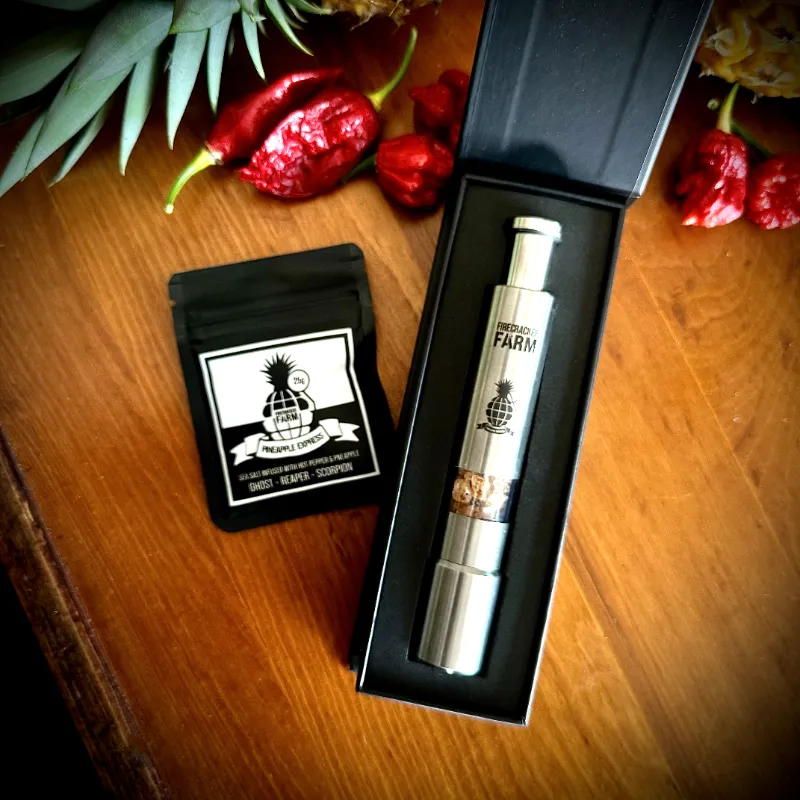
For committed home cooks building a seasoning library, both have permanent places. Use traditional salts as your everyday workhorses for vegetables, proteins, and baking, then reach for yuzu when you’re plating Japanese-inspired dishes or want to surprise guests with an unexpected aromatic lift. Firecracker Farm’s pineapple express bbq sauce pairs particularly well with yuzu-finished grilled chicken for a tropical-meets-citrus flavor bridge, if you’re looking to build complementary flavor profiles across your pantry.
The 10% discount on all orders makes it easy to sample multiple specialty salts without committing to full-price experimentation. Start with a single jar of yuzu salt, test it on your most frequent seafood or noodle dishes, and you’ll quickly know whether the citrus dimension earns permanent real estate in your spice collection.
Questions
Can I use yuzu salt in place of regular salt in recipes?
Yuzu salt works best as a finishing touch rather than a cooking salt, since heat diminishes the citrus aromatics. Use regular salt during cooking, then add yuzu salt at the table or in the final 30 seconds of plating for maximum flavor impact.
Does yuzu salt taste like lemon salt?
Yuzu salt has a more complex, floral citrus profile compared to straightforward lemon salt. It combines tart acidity with subtle bitterness and aromatic oils similar to bergamot, making it more nuanced than simple lemon zest and salt blends.
What dishes work best with yuzu finishing salt?
Yuzu salt excels on fatty fish like salmon and tuna, in ramen and noodle broths, on avocado toast, grilled vegetables, and as a cocktail rim. It works anywhere you'd squeeze fresh citrus but want the convenience and textural crunch of a finishing salt.
How long does yuzu salt stay fresh after opening?
Yuzu salt maintains peak aromatic intensity for 12 to 18 months when stored in an airtight container away from light and heat. The salt remains safe indefinitely, but the citrus oils gradually fade, reducing the distinctive yuzu fragrance over time.
Is Firecracker Farm yuzu salt worth the premium over regular sea salt?
If you regularly cook Japanese cuisine, seafood, or dishes where citrus is a key flavor component, the aromatic complexity justifies the cost. For general everyday seasoning, traditional flaky sea salt offers better value, but yuzu salt elevates specific dishes in ways plain salt cannot.
Products in this guide

 Shopping at Firecracker Farm? See the discount code
10% OFF All Orders
Shopping at Firecracker Farm? See the discount code
10% OFF All Orders
More in this series
Pineapple Express BBQ Sauce Review: Sweetness, Heat, and Uses12 Aug 20264 minWhat to Look for in a Gourmet Salt Gift Set12 Aug 20264 minBest Firecracker Farm Products for Grilling Season12 Aug 20264 minDoes Firecracker Farm Hot Salt Actually Add Heat or Just Flavor?12 Aug 20263 minHow to Use Flavored Salt to Transform Everyday Dishes12 Aug 20263 min