 A Heathyoga guide
Yoga Knee Pad for Kneeling Poses: What It Does and When to Ask a Doctor
Knee pain during yoga: when to get advice, and how the Heathyoga TPE knee pad adds cushioning for kneeling poses, with its listed specs and care tips.
If you feel knee pain during yoga, stop the pose that causes it and ask a doctor or physiotherapist about it, because pain can have causes a mat accessory will not fix. If the problem is simply pressure from kneeling on a thin mat or a hard floor, a yoga knee pad such as the Heathyoga TPE knee pad adds a layer of cushioning under the knees in poses like Low Lunge, Camel and Tabletop. For the current code, see our Heathyoga codes and deals.
Pressure or Pain: Knowing the Difference
Kneeling puts your body weight onto a small area at the front of the knee. On a thin mat or a hard floor, that can feel uncomfortable even when nothing is wrong. That kind of pressure is what a pad is for.
Pain is different. Sharp pain, swelling, clicking with pain, or pain that stays after class is a reason to stop and get advice from a doctor, physiotherapist or qualified yoga teacher, not a reason to buy more padding. The same goes if you are recovering from an injury or surgery: ask your doctor which poses are safe before you return to kneeling work. A knee pad is a comfort accessory, not a treatment.
What the Heathyoga Knee Pad Offers
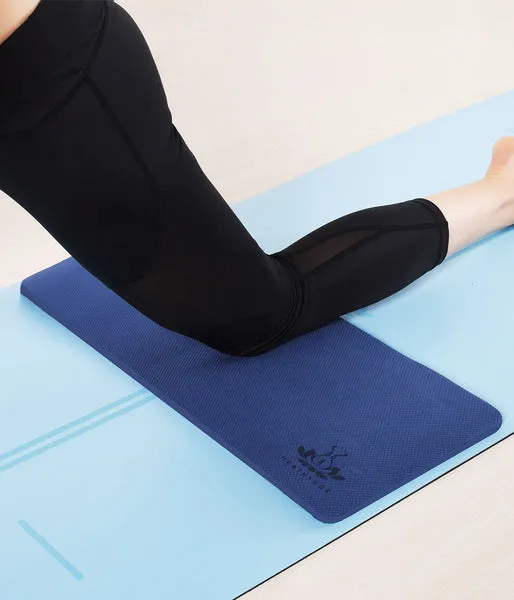
The Heathyoga TPE yoga knee pad is a separate pad you place on top of your mat, or straight on the floor, where your knees land. Here is what the product page lists:
- Material: TPE (thermoplastic elastomer), described as PVC-free, latex-free and certified phthalate-free.
- Thickness: 12 mm.
- Grip: a non-slip surface that the store says grips on all floors and mats.
- Cleaning: closed-cell construction that the store says resists sweat absorption and is easy to clean.
- Other uses: the store also suggests it for camping, gardening and kneeling at bath time.
For comparison, the store’s TPE body alignment yoga mat is listed at 6 mm thick, so the knee pad is twice the thickness of that mat, going by the store’s own figures. The store describes the pad’s purpose as giving support and cushioning to help relieve pressure and discomfort during exercise.
Using a Knee Pad in Common Poses
A pad only helps if it sits in the right place. A few practical tips:
- Low Lunge and kneeling lunges. Put the pad under the back knee, and slide it with you when you switch sides.
- Tabletop and Cat-Cow. Lay the pad across the mat so both knees rest on it at the same height.
- Camel. Kneel with both knees on the pad and check that you feel steady before you move into the backbend.
- Balance poses. Move the pad out of the way for standing balances. A thicker, softer surface underfoot can feel less stable.
- Child’s Pose. Some people prefer the pad under the knees, others under the shins. Try both and use what feels comfortable.
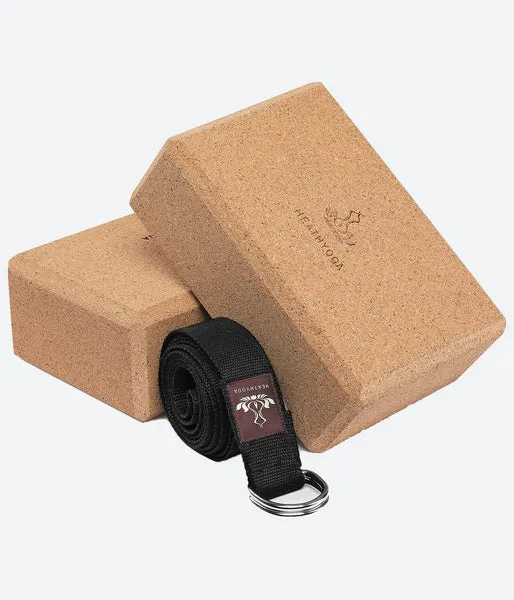
Props can also change how much you ask of a pose. The Heathyoga yoga block 2 pack and strap set includes two blocks, each listed at 3 by 9 by 6 inches and made of high-density EVA foam. A block can bring the floor closer in a lunge, and a strap can help in seated stretches. A teacher can show you how to use them for your body.
Building a Comfortable Setup
The pad works alongside the rest of your gear:
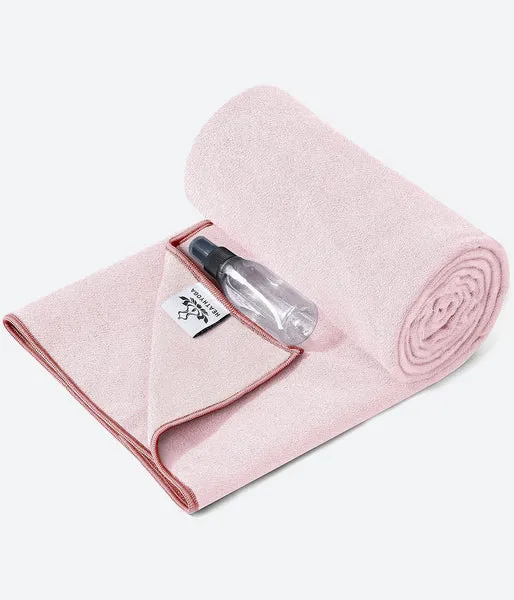
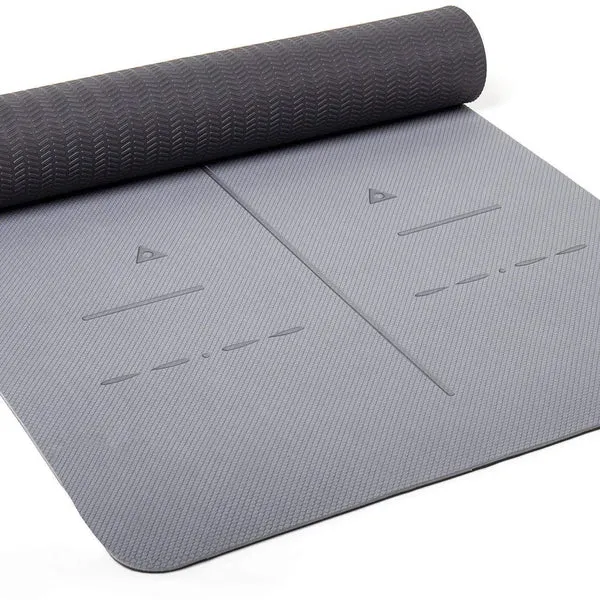
- Mat. The TPE body alignment yoga mat is listed as 72 by 26 inches, 6 mm thick and double-layer, with printed alignment lines the store says beginners can use as movement guidance.
- Towel. In hot or sweaty classes, the Stickyfiber hot yoga mat towel is a microfiber towel with a non-slip silicone grip, per the store, which helps keep the surface under your hands and knees from getting slick.
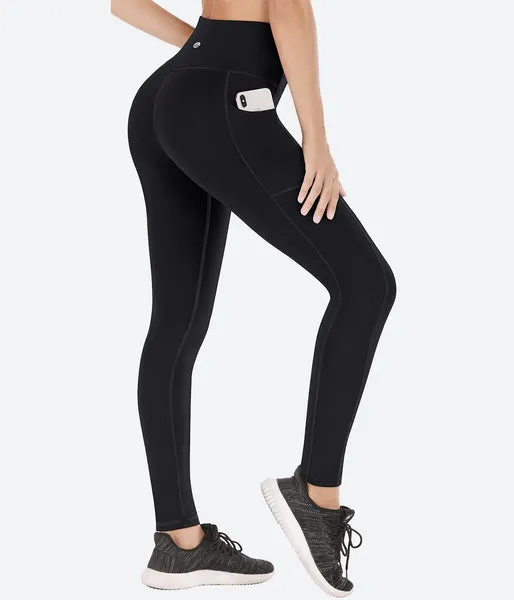
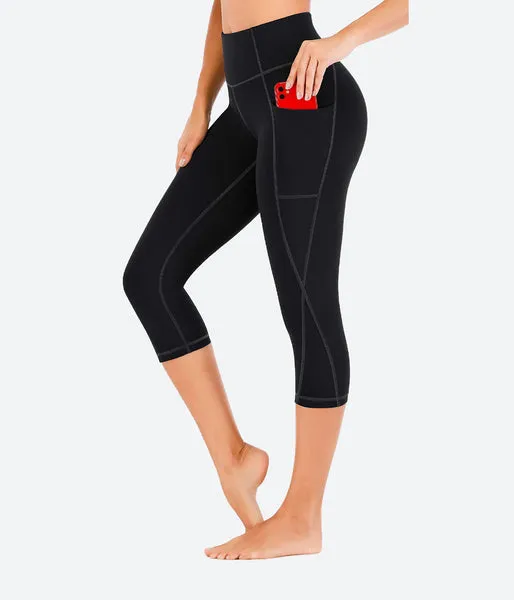
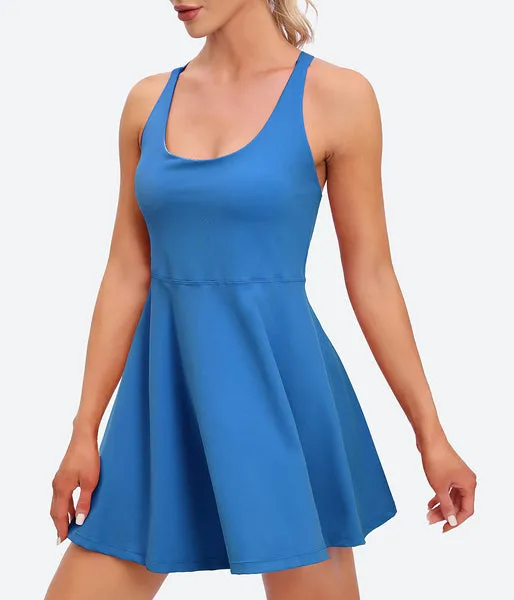
- Clothing. Full-length leggings such as the HY40 high waist yoga pants or the HY80 workout capris cover the knees or sit just below them, which some people find more comfortable when kneeling than bare skin on the pad. The store’s dress with shorts underneath is an option for warmer sessions.
Caring for Your Knee Pad
Because the pad is closed-cell TPE, the store says it resists sweat absorption and is easy to clean. Simple habits keep it fresh:
- Wipe it after each session with a damp cloth and a little mild soap.
- Let it air dry fully before you roll it up with your mat.
- Store it flat or loosely rolled, out of direct sun and away from heat.
- Follow any care notes that come with the pad.
If knee pain keeps coming back even with padding, treat that as a signal to get it checked rather than something to work through.
Questions
What should I do about knee pain during yoga?
Stop the pose that causes it and ask a doctor or physiotherapist, especially if the pain is sharp, comes with swelling or stays after class. A knee pad adds cushioning for kneeling pressure, but it is not a treatment for pain.
How thick is the Heathyoga knee pad?
The Heathyoga product page lists the TPE yoga knee pad at 12 mm thick. The store's TPE body alignment yoga mat is listed at 6 mm.
What is the Heathyoga knee pad made of?
TPE (thermoplastic elastomer). The store describes it as PVC-free, latex-free and certified phthalate-free, with a closed-cell construction that resists sweat absorption.
Can I use the knee pad on a hard floor?
The store says the pad has a non-slip surface with grip for all floors and mats, and can be used on any surface.
How do I clean the knee pad?
Wipe it with a damp cloth and mild soap after use, then let it air dry fully before storing. Follow any care notes that come with the pad.
Products in this guide
 Shopping at Heathyoga? See the discount code
25% OFF All Orders
More in this series
Can You Wear an Active Dress With Shorts Underneath for Hot Yoga?7 Sep 20263 min Bootcut Leggings With Pockets vs Capri Leggings: Heathyoga HY90 or HY80?7 Sep 20263 minWhat to Look For in Yoga Blocks and Straps Before You Buy7 Sep 20263 minHow to Clean and Care for Your Yoga Mat Towel So It Lasts Longer7 Sep 20264 minIs the Heathyoga TPE Body Alignment Yoga Mat Right for Your Practice?7 Sep 20263 min