 A Woodbests guide
Do Wooden Piggy Banks Last Longer Than Plastic Ones?
A wooden piggy bank built from quality hardwood will outlast most plastic alternatives by several years, resisting cracks and fading that plague cheaper materials.
Do Wooden Piggy Banks Outlast Plastic?
Yes, a wooden piggy bank made from solid hardwood typically lasts decades longer than plastic alternatives. Wood resists impact cracks, UV fading, and warping that degrade plastic over time, especially when sealed with a protective finish.
Why Wood Outlasts Plastic for Piggy Banks
Durability comes down to how each material responds to stress. Wood absorbs minor impacts without cracking, while rigid plastics often shatter or spider-web when dropped. Here’s what matters most:
- Impact resistance: Hardwood dents slightly but rarely breaks; thin plastic shells crack on first hard fall
- UV stability: Sealed wood maintains color for decades; bright plastic fades to chalky pastels within 2-3 years on a sunny shelf
- Joint integrity: Glued wood joints stay tight; plastic seams and hinges weaken and snap with repeated opening
- Weight distribution: Solid wood bases prevent tip-overs; top-heavy plastic banks fall easily when coins accumulate
Amish-made wooden piggy banks are often passed down through generations, while plastic versions rarely survive a single childhood. The key is wood species and construction method, not just “wood” as a blanket category.
Best Wood Types for Long-Lasting Banks
Not all wooden piggy bank designs use the same timber. The species determines scratch resistance, weight, and lifespan:
| Wood Type | Durability | Weight | Best For |
|---|---|---|---|
| Maple | Excellent | Heavy | Daily handling, kids |
| Oak | Excellent | Heavy | Heirloom pieces |
| Pine | Good | Light | Decorative, light use |
| Bamboo | Very Good | Medium | Eco-conscious buyers |
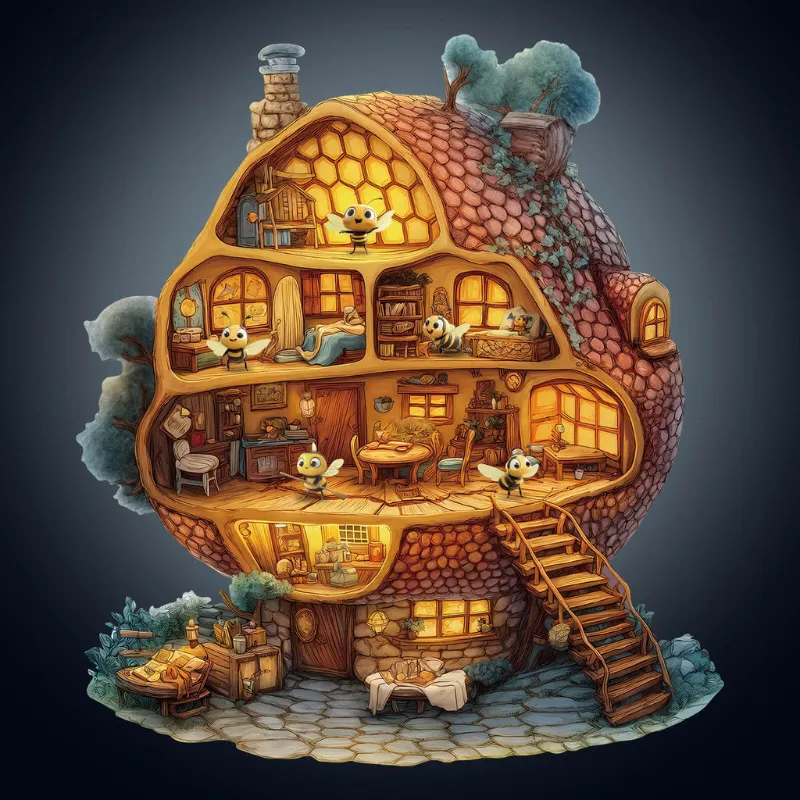
Maple and oak handle years of coin dropping and curious toddler fingers. Pine works well for older kids who won’t throw it, but scratches more easily. Many Woodbests products use similar hardwood construction, like the wood puzzle line that showcases precision joinery you’d want in a bank.
Check the latest pricing to compare solid wood options against plastic alternatives.
How Plastic Banks Fail Over Time
Plastic piggy banks degrade in predictable ways. Here are five common failure points:
- Coin slot edges: Repeated coins abrade the slot until it cracks radially outward
- Bottom plugs: Rubber stoppers harden and fall out; plastic screw caps strip after 4-5 removals
- Hinge fatigue: Moving parts snap within 12-18 months of regular opening
- Thin walls: Injection-molded shells flex and stress-whiten before cracking
- Paint flaking: Surface decoration peels, especially where handled
Even “thick” plastic banks can show stress cracks around the coin slot over time. Transparent acrylic holds up better than opaque ABS, but still scratches into cloudiness. For the same investment, quality wood delivers 10x the lifespan.
Caring for Wooden Piggy Banks to Maximize Life
Proper maintenance keeps wood banks looking new for decades. Follow these steps:
- Dust weekly with a soft cloth; coins carry grime that builds up around the slot
- Wax annually with paste wax or food-safe mineral oil to refresh the finish
- Keep dry: wipe spills immediately and avoid bathroom or kitchen storage where humidity fluctuates
- Check the finish every 6 months for wear spots and reapply sealant if the wood looks dull

Most wooden banks arrive pre-finished with polyurethane or lacquer. If you build your own following a wooden piggy bank tutorial, apply three coats of water-based poly for kid-proof protection. The same care applies to decorative wood items like the book nook kit that share shelf space with your bank.
When Plastic Makes Sense
We’re not anti-plastic across the board. Clear acrylic banks let kids see their savings grow, which builds motivation. Lightweight plastic works better for:
- Travel piggy banks: TSA-friendly and won’t dent luggage
- Toddlers under 3: lighter weight means less injury risk if thrown
- Themed characters: licensed designs rarely come in wood
If you choose plastic, look for polycarbonate (PC) rather than polystyrene (PS). PC tolerates drops and flexes without cracking. Still, even premium plastic shows its age faster than wood.
Cost vs Longevity: The Real Math
A quality wooden piggy bank costs 40-70% more upfront than plastic. But longevity flips the value equation:
- Plastic bank: $8-15, lasts 2-4 years = $2-7.50 per year
- Wooden bank: $25-45, lasts 20+ years = $1.25-2.25 per year
Factor in replacement time and you save money with wood after year three. Grab the code for 20% off to narrow that initial price gap. Wood banks also hold resale value; vintage wooden banks sell on secondary markets, while old plastic gets tossed.
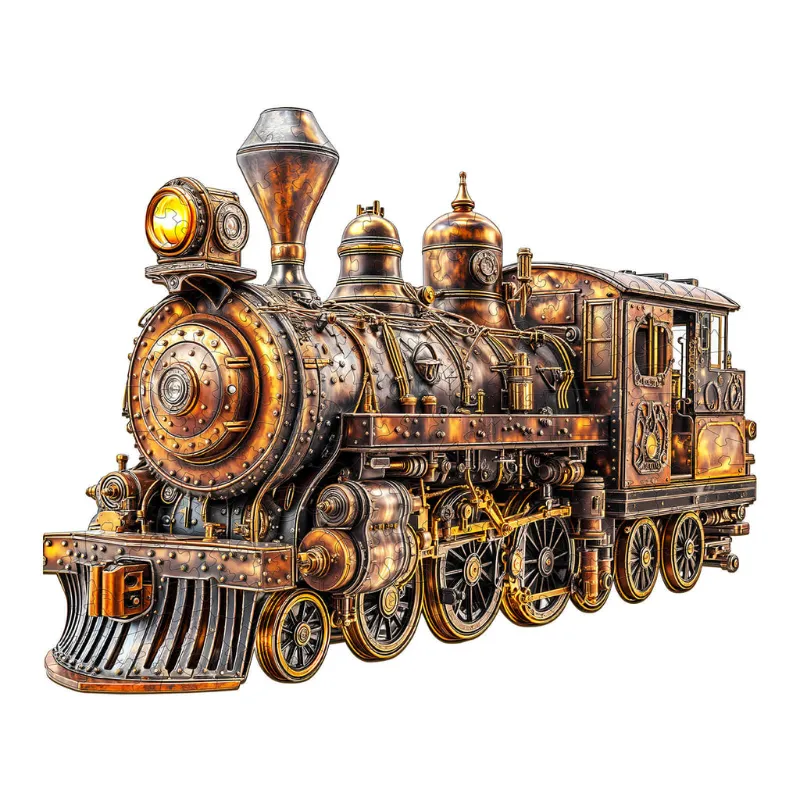
For families who appreciate handcrafted items, the same durability philosophy applies to other Woodbests products like puzzles en 3d that resist the warping seen in cardboard versions.
Who Should Choose Wood Over Plastic
We recommend wooden piggy banks for:
- Parents prioritizing heirlooms: pass it to the next generation
- Kids over 5 who’ve outgrown the throw-everything phase
- Gift-givers seeking something memorable that lasts
- Eco-minded families: wood biodegrades; plastic persists for centuries
- Collectors who display banks as decor between uses
Choose plastic only if weight, cost, or specific character licensing outweighs durability. For most households, wood delivers better value and a more satisfying tactile experience. The gentle clink of coins dropping into a wooden bank beats hollow plastic any day.
Questions
How long does a wooden piggy bank typically last?
A well-made wooden piggy bank lasts 20 to 50 years with basic care. Hardwoods like maple and oak resist cracks and wear far better than plastic, which typically fails within 2 to 4 years.
Can wooden piggy banks crack if dropped?
Wood dents slightly when dropped but rarely cracks like plastic. Hardwood absorbs impact energy through compression, while rigid plastic shells shatter on hard surfaces.
Do I need to seal or finish a wooden piggy bank?
Most wooden banks arrive pre-sealed with polyurethane or lacquer. If you build your own, apply three coats of water-based polyurethane for moisture and scratch protection.
Are wooden banks safer than plastic for young children?
For kids over 5, yes. Wood doesn't splinter into sharp shards like cracked plastic. However, wooden banks are heavier, so very young toddlers might handle lightweight plastic more safely.
Will sunlight damage a wooden piggy bank?
Sealed wood resists UV fading far better than plastic, which turns chalky and discolored within 2 to 3 years of sun exposure. Keep any bank out of direct window light to preserve the finish.
Can I refinish an old wooden piggy bank?
Yes, sand lightly with 220-grit paper and apply fresh polyurethane or paste wax. This restores the finish and extends life by decades, something impossible with degraded plastic.
Products in this guide
Shopping at Woodbests? See the discount code
20% OFF All Orders
More in this series
Are 3D Wooden Puzzles Worth the Extra Assembly Time?11 Aug 20265 min The Complete Guide to Framing and Preserving Custom Photo Puzzles11 Aug 20265 min
 What Age Can Kids Safely Play With Dinosaur Egg Toys?11 Aug 20264 minBook Nook Kit vs. Traditional Bookshelf Decor: Which Creates More Impact?11 Aug 20265 min
 How to Preserve and Display Decorative Seaweed in Your Home11 Aug 20264 min