 A ZOMCHI guide
How to Use a Safety Razor for Women: Complete Beginners Guide
A safety razor for women delivers a closer shave with fewer ingrown hairs and less irritation than cartridge razors, and we'll show you how to use one step by step.
A safety razor for women delivers a closer shave with fewer ingrown hairs and less irritation than cartridge razors. Whether you’re switching from disposables or exploring a sustainable alternative, the technique is straightforward once you understand the basics. We’ll walk you through setup, proper angle, pressure, and aftercare so you feel confident on your first use.
Why choose a safety razor for women
The best safety razor for women combines efficiency with simplicity. Unlike multi-blade cartridge razors that tug and pull, a single sharp blade cuts cleanly, which means fewer nicks and significantly less irritation. Many people also prefer them because they’re reusable (you only replace the blade every 5-10 shaves), cheaper long-term, and better for the environment.
A safety razor for women legs, underarms, and sensitive areas works well because the blade sits at a fixed angle that’s gentler on skin. You’ll have more control than with cartridge razors, and the weight of the razor does much of the work instead of requiring heavy pressure.
What you’ll need to get started
Before your first shave, gather these essentials:
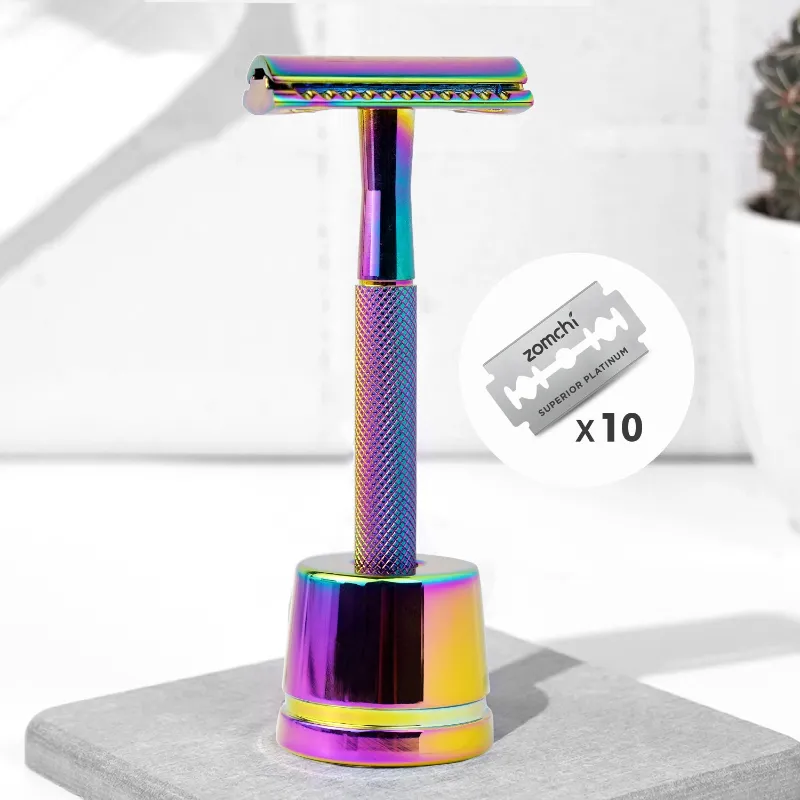
- A safety razor for women or ladies safety razor
- Quality shaving cream or gel (warm water helps open pores)
- Sharp replacement blades
- A clean towel
- Aftershave balm or moisturizer
Optional but helpful: a soap saver bag keeps your shaving soap dry between uses, and an exfoliating washcloth for body used a day or two before shaving helps prevent ingrown hairs by removing dead skin.
Setting up your safety razor
Most women’s safety razor models open via a twist handle or flip-top head. Here’s how to load a blade:
- Unscrew or open the head gently, do not force it.
- Place a fresh blade on the bottom plate, holding it by the edges (never touch the sharp sides).
- Close the head evenly so the blade sits flat and centered.
- Tighten the handle until snug but not overly tight.
New blades are extremely sharp, so handle them with care. If you’re nervous, practice the setup motion without a blade first. Most razors come with one blade included; grab the code at ZOMCHI to stock up on extras at a discount.
Finding the right angle
The angle is where most beginners struggle. A safety razor’s blade sits at a fixed angle (usually 30-45 degrees), so your technique matters more than pressure.
Hold the handle so the blade edge is nearly parallel to your skin, not perpendicular like a cartridge razor. Tilt the handle back slightly until you feel the blade just barely touch your skin. You should hear a soft scraping sound but feel almost no pulling. If you’re tugging, increase the angle until the blade glides smoothly.
Practice on a small area first (behind your ear or inner arm) to feel the difference between too steep, too shallow, and just right. Once you find your angle, consistency is easy.
Technique for legs, underarms, and sensitive areas
For shaving legs:
- Apply warm water and shaving cream; let it sit for 30 seconds to soften hair.
- Start on your shin and shave upward using short, gentle strokes.
- Rinse the blade under warm water after every 2-3 strokes to clear hair.
- Use light pressure, the weight of the razor should do most of the work.
- Shave with the grain first; if needed, shave across or slightly against the grain on a second pass.
For underarms and other curved areas, adjust your angle to follow the contour. Short, controlled strokes work better than long sweeps on sensitive skin. If you’re shaving a safety razor for women pubic hair, use the same logic: short strokes, light pressure, and shave with the grain to minimize irritation.
Comparing safety razors to other options
| Feature | Safety Razor | Cartridge Razor | Electric Shaver |
|---|---|---|---|
| Closeness | Very close | Close | Moderate |
| Irritation | Low (single blade) | Higher (multiple blades) | Low |
| Cost per shave | Pennies | 50-80 cents | Higher upfront |
| Learning curve | Moderate | None | None |
| Environmental impact | Low (recyclable) | High (plastic/trash) | Moderate |
A female safety razor typically costs $20-60 upfront, but blades run just a few dollars for a pack of 10. Compare that to cartridge refills at $4-6 each, and the math favors safety razors within weeks.
Aftercare and avoiding irritation
Rinse thoroughly with cool water after shaving to close pores. Pat skin dry gently, do not rub.

Apply an alcohol-free aftershave balm, moisturizer, or aloe vera. This step is crucial for preventing razor burn and ingrown hairs, especially on legs and sensitive areas. If you use a body wash cloth or best washcloths for body to exfoliate 2-3 times weekly (not the day of shaving), you’ll significantly reduce ingrown hairs.
Let skin rest for at least a few hours before sweating heavily or wearing tight clothing. Store your razor head open or remove the blade to let it air-dry completely; moisture dulls blades and can cause rust.
When to replace your blade
A sharp blade is your best friend. Replace it every 5-10 shaves, or sooner if you notice tugging, pulling, or more nicks. Dull blades require pressure, which causes irritation. Check the latest price on bulk blade packs at ZOMCHI to always have fresh ones on hand.
Special cases: brows and fine details
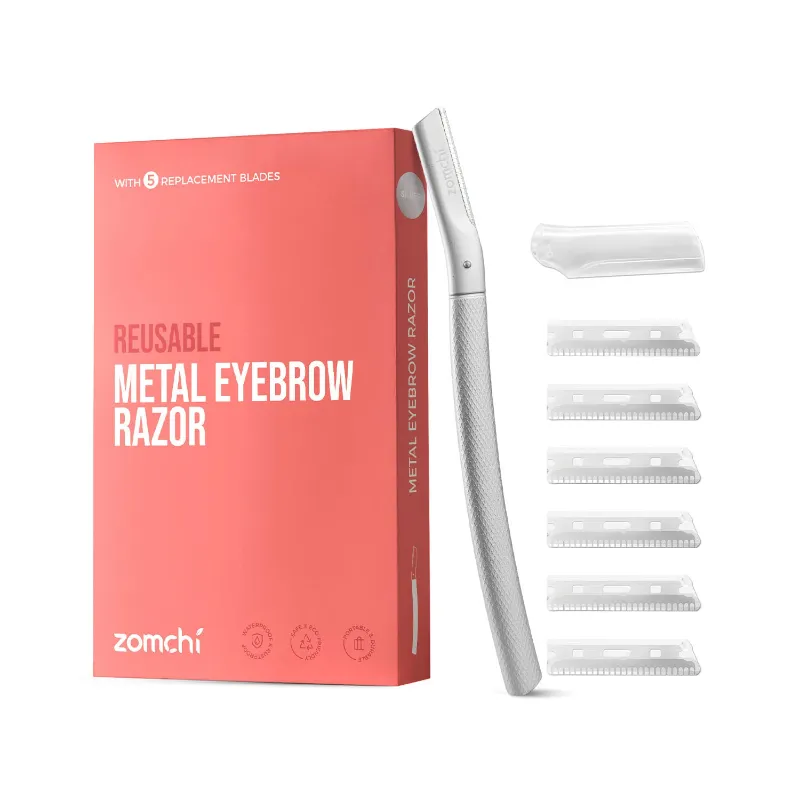
If you need precision on eyebrows or upper lip, a super small brow razor or men’s eyebrow shaver offers better control than a full-size safety razor. These smaller tools work with the same principles: gentle angle, light pressure, short strokes. Always shave in the direction of hair growth and test on a less visible area first.
Switching to a safety razor takes practice, but most people master the technique within 3-5 shaves. The result is smoother skin, fewer ingrown hairs, and a shaving routine that’s both gentler and more sustainable.
Questions
Is a safety razor for women safe to use on sensitive skin?
Yes. Because a safety razor uses a single sharp blade instead of multiple blades dragging across skin, it typically causes less irritation. The key is using the correct angle and light pressure so the blade glides rather than tugs. Always test on a small area first and follow up with a good aftershave balm.
How often do I need to replace the blade in my safety razor?
Most people replace the blade every 5-10 shaves, depending on how coarse the hair is and how often you shave. A dull blade will start to tug instead of cut cleanly, which is your signal to swap it out. Fresh blades are cheap and easy to find.
Can I use a safety razor for women on my legs and underarms?
Absolutely. A safety razor works great on legs, underarms, and anywhere else. Just adjust your angle to follow curves on underarms, and use short, controlled strokes. Many people find it gives a closer, smoother result than cartridge razors and with less irritation.
What's the difference between a ladies safety razor and a regular safety razor?
Most safety razors work the same way regardless of how they're marketed. Women-specific models often have slightly lighter heads or smoother handles for comfort, but the shaving technique and blade replacement are identical. Choose whichever feels good in your hand.
Do I need special shaving cream for a safety razor for women?
No special cream is required, but a good lather helps. Any shaving cream, gel, or even quality soap works. The key is applying it generously and letting it sit for 30 seconds so it softens the hair before you shave.
How do I avoid ingrown hairs when using a safety razor?
Shave with the grain, use light pressure, replace dull blades promptly, and exfoliate a few times a week with a gentle body wash cloth or exfoliating washcloth. Avoid shaving the same area multiple times in one session, and moisturize well after shaving.
Products in this guide

 Shopping at ZOMCHI? See the discount code
10% OFF All Orders
Shopping at ZOMCHI? See the discount code
10% OFF All Orders