 A Yose Power guide
Troubleshooting Power Loss in Your Yose Power Electric Bike Conversion Kit
An electric bike conversion kit can lose power due to battery issues, loose connections, controller faults, or motor problems, here's how to troubleshoot each one.
Understanding Power Loss in Your Conversion System
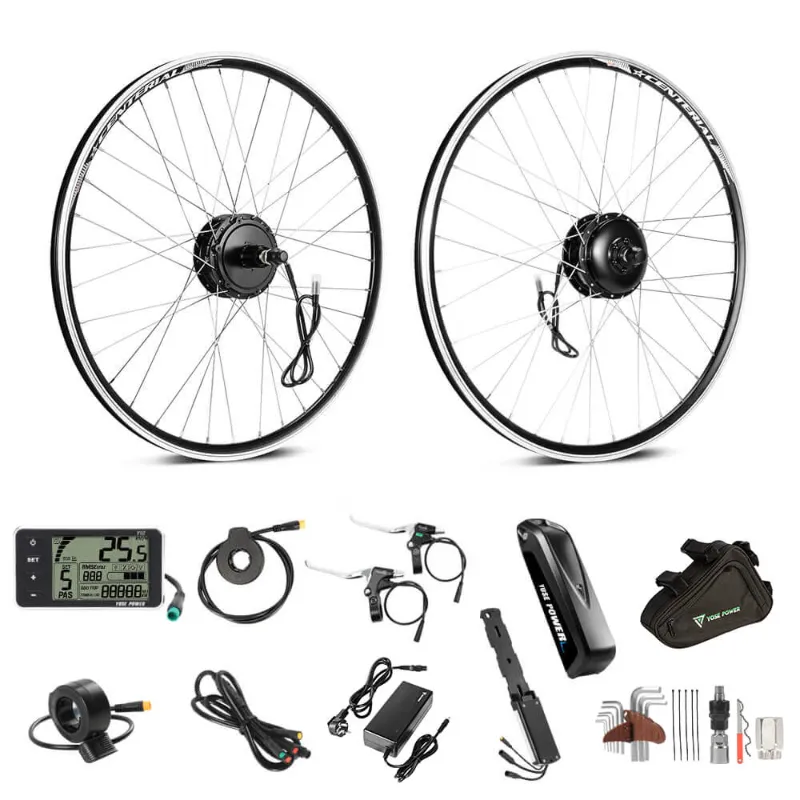
An electric bike conversion kit can lose power for several reasons, from depleted batteries to faulty wiring. This guide walks you through each diagnostic step so you can get back on the road quickly. You can find the current code on our Yose Power discount code page.
Power loss shows up as sudden cutouts mid-ride, reduced top speed, sluggish acceleration, or complete system failure. Before you assume a component is broken, work through these checks methodically, starting with the simple fixes.
Check Your Battery First
The battery is the heart of any converter e bike system. Start here before you dig into wiring or motor diagnostics.
Voltage and Charge State
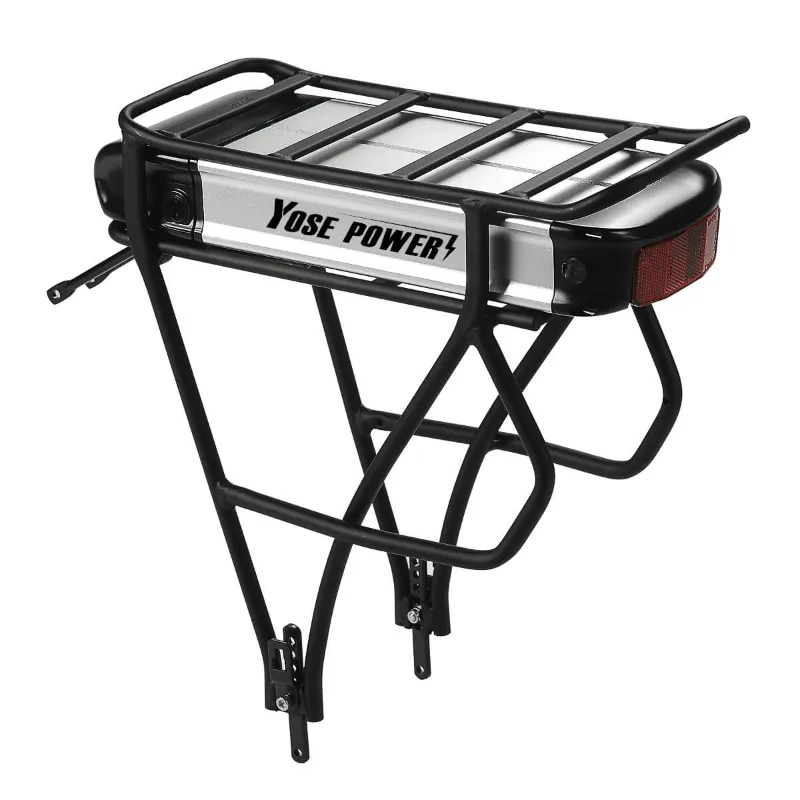
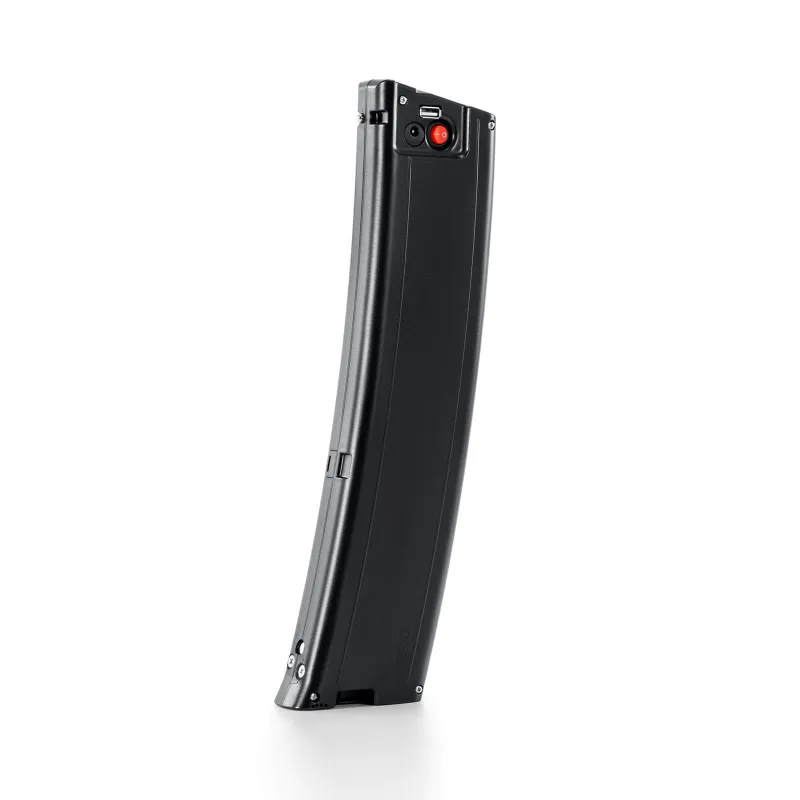
- Measure your battery voltage with a multimeter. Yose Power lists a charge voltage of 42V for its batterie e bike 36v with rear carrier and 54.6V for its 48 volt battery electric bike Dorado-Plus pack, so a full battery should read close to those figures
- If voltage reads well below nominal, the battery is discharged and needs charging
- A nearly empty battery triggers low-voltage cutoff protection, causing sudden power loss
- For a 24v ebike battery, Yose Power lists a 29.4V charge voltage and a 19.6V end voltage
Connection Points
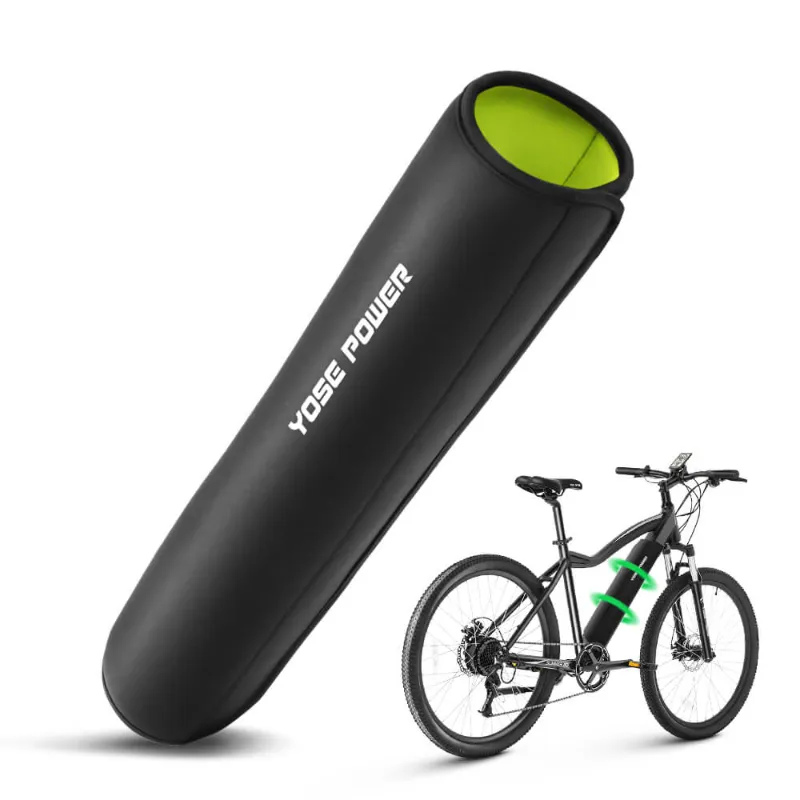
- Remove the battery and inspect the terminals for corrosion, dirt, or damage
- If you use an ebike battery cover, check it for tears that could let water reach the contacts
- Clean terminals with isopropyl alcohol and a soft brush
- Reseat the battery firmly and ensure the locking mechanism engages completely
Capacity Check
If your battery charges to full voltage but dies quickly, the cells may be degraded. Yose Power lists a cycle life of 1000+ for packs like its 36v 10.5ah battery, but every pack loses capacity with age. If range no longer covers your needs, consider a replacement, and contact Yose Power if the pack is still inside its 18 month battery warranty.
Inspect All Electrical Connections
Vibration from riding loosens connectors over time, especially on rough terrain. Check connections regularly.
Critical Connection Points
- Battery to controller main power connector
- Controller to motor phase wires (three thick wires, often color-coded)
- Controller to throttle, brake sensors, and display (smaller multi-pin connectors)
- Ground connections to the frame
Unplug and reconnect each connector, listening for a firm click. Look for:
- Bent or pushed-back pins inside connectors
- Heat discoloration (brown or black marks indicating resistance)
- Corrosion or green oxidation
- Frayed wire insulation near the connector body
Apply dielectric grease to outdoor-exposed connectors to prevent moisture intrusion. If you find a damaged connector, replace it rather than attempting repairs, connection resistance causes voltage drop and power loss.
Check the Controller
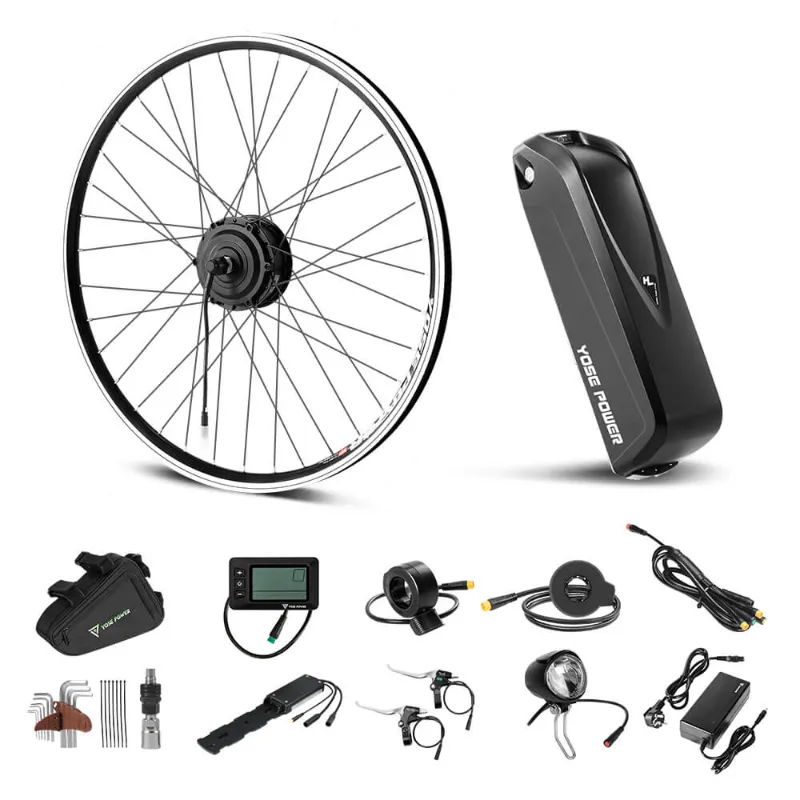
The controller regulates power flow from battery to motor in your power bike kits. Check the controller next if the battery tests fine.
Diagnostic Steps
- Check for error codes on your display (consult your Yose Power manual for code definitions)
- Inspect the controller housing and cable entry points for water damage
- Feel the controller body after a ride; excessive heat (too hot to touch) suggests internal failure
- Check continuity between controller outputs with a multimeter (power OFF)
Controller issues to check for include blown MOSFETs from overcurrent, water ingress through cable entry points, and thermal shutdown from inadequate ventilation. Controllers mounted inside frame bags or under seats need airflow, relocate if you suspect overheating.
Some settings can be changed from the display. Yose Power says the speed limit on its kits can be set on the display but not removed, so a low speed setting can feel like power loss. Check your display settings against the manual.
Diagnose Motor Problems
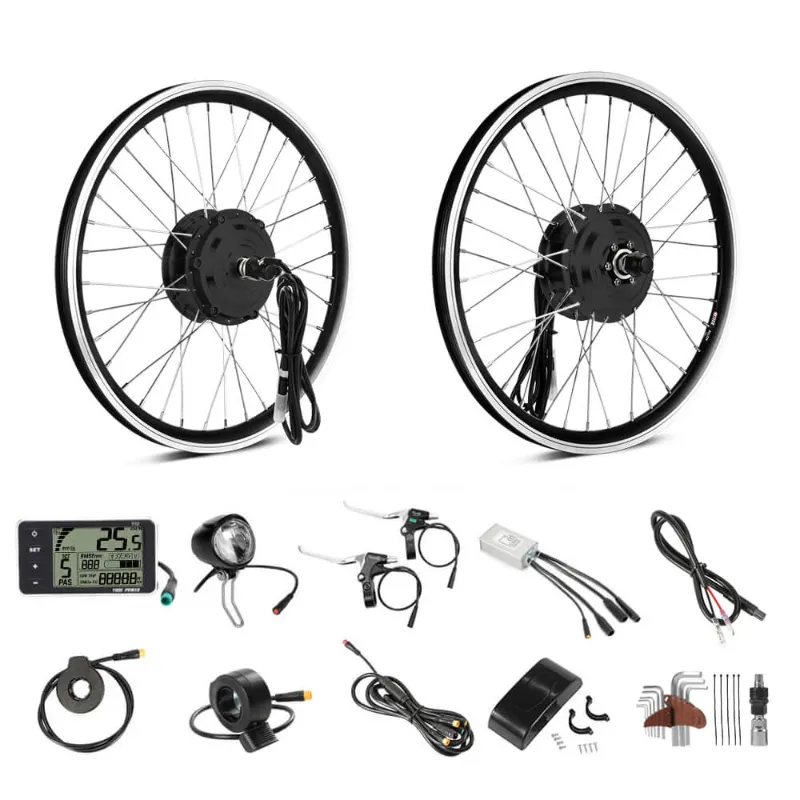
The motor in an electric bicycle hub motor kit can develop faults that present as power loss.
Motor Health Checks
- Spin the wheel by hand with power off, the motor should rotate smoothly with slight magnetic resistance
- Listen for grinding, clicking, or scraping (bearing failure or internal damage)
- Check for axle play by grabbing the rim and pushing side-to-side
- Measure phase wire resistance: all three pairs should read close to each other
If phase resistance is uneven or reads open circuit (infinite resistance), the motor windings are damaged. A shorted motor will draw excessive current and trigger controller protection, causing sudden cutoffs.
Hall sensor failure is another motor issue to check. These sensors tell the controller the rotor position for smooth startup. When hall sensors fail, the motor may not start from a standstill or will jerk and hesitate. Checking hall sensors requires a multimeter and technical knowledge, contact Yose Power support if you suspect this problem.
Troubleshoot Throttle and Display Issues
Check the control inputs too, not just the power components.
Throttle Checks
- Check that the throttle returns smoothly and that its connector pins are clean and fully seated
- Inspect the throttle cable for kinks or damage where it enters the housing
- Check the brake cutoff switches by unplugging them briefly with the bike stationary, since stuck brake sensors prevent motor engagement
Display and PAS Sensor
- Pedal assist sensor (PAS) magnets can shift position or fall off, preventing assist engagement
- Clean the PAS sensor face and check the gap between sensor and magnet disc against the manual
- If the display shows a communication error code, power cycle the system and check connector pins
If you identify a faulty part, Yose Power sells replacement parts such as controllers and sensors, and our Yose Power discount code can help.
Voltage Drop Under Load
Some power loss issues only appear under load, the system works fine when stationary but cuts out when you accelerate or climb hills.
This indicates high-resistance connections or a weak battery. When current draw increases (such as climbing), voltage drop across poor connections triggers the low-voltage cutoff. By Ohm’s law, even half an ohm of resistance at 15 amps drops 7.5 volts, which can be enough to shut down a system.
Checking Under Load
- Take a short ride and note when power cuts out (immediate acceleration, sustained high speed, or hills)
- Measure battery voltage at the controller input terminals while applying throttle
- If voltage drops sharply, trace backward: check battery terminals, main fuse, and power connector
When to Replace vs. Repair
Some issues are worth fixing; others justify component replacement.
Replace When:
| Component | Replace If |
|---|---|
| Battery | Range no longer meets your needs, visible swelling, or a burning smell |
| Controller | Water damage, burnt smell, or repeated thermal shutdowns |
| Motor | Phase resistance imbalance, grinding noise, or visible damage |
| Connectors | Melted plastic, corroded pins, or loose fit after cleaning |
Repair When:
- Loose connections (clean and reseat)
- Software/settings issues (reprogram controller)
- Dirty sensors (clean and realign)
- Minor wire damage (resolder and heat-shrink)
A spare connector, heat-shrink tubing and a multimeter are handy for field repairs. If you are still choosing a setup, Cyclingelectric.com has a buyer’s guide to the best electric bike conversion kit options.
Preventive Maintenance to Avoid Power Loss
Regular maintenance helps you catch power issues before they strand you mid-ride.
Monthly Checks
- Inspect all connectors for corrosion and apply dielectric grease
- Tighten motor axle nuts and check spoke tension
- Clean the PAS sensor and magnet disc
Seasonal Tasks
- Note your range on a familiar route to spot capacity loss
- Check controller mounting and ensure adequate ventilation
- Inspect wire routing for chafe points against the frame
Store batteries partly charged if you won’t ride for a while, following the battery manual. Full storage charge speeds up cell wear, while empty storage can damage cells permanently.
Visit our Yose Power discount page for current offers on electric bicycle engine kit components and accessories to keep your system running smoothly.
Getting Back on the Road
When you troubleshoot power loss in an electric bicycle hub motor kit, look at connections, battery health and controller settings. Work through these diagnostics systematically, starting with the battery and connections before moving to more complex components. Keep a basic toolkit and spare connectors on hand for quick roadside fixes, and perform regular maintenance to catch problems early. When you do need replacement parts, buying parts made for your Yose Power kit helps ensure they fit.
Questions
Why does my electric bike conversion kit cut out when I accelerate hard?
Check for voltage drop from a weak battery, a loose connection or a high-resistance contact. Check your battery charge level first, then inspect all power connectors for corrosion or poor contact. Measure voltage at the controller under load to pinpoint the issue.
How do I know if my ebike battery or controller is causing power loss?
Measure battery voltage with a multimeter. A fully charged pack should read close to the charge voltage the seller lists (Yose Power lists 42V for its 36V rear carrier battery and 54.6V for its 48V Dorado-Plus battery). If voltage is correct but power still cuts out, look at the controller: check for error codes on your display, overheating or water damage.
Can a loose motor connection cause my conversion kit to lose power?
Yes, loose phase wire connections between the controller and hub motor can cause intermittent power loss, reduced performance, or complete failure. Unplug and firmly reconnect all three phase wire connectors, checking for bent pins or corrosion. Apply dielectric grease to protect against moisture.
What voltage should my 36V ebike battery read when fully charged?
Yose Power lists a 42V charge voltage and a 28V end voltage for its 36V rear carrier battery, so a pack fresh off the charger should read close to 42V. If it reads well below that, the cells may be degraded or imbalanced.
How often should I check connections on my Yose Power kit?
Inspect all electrical connections regularly and after any rough ride. Vibration from riding gradually loosens connectors, and outdoor exposure causes corrosion.
Will a faulty throttle cause my ebike to lose all power?
Check the throttle, and also check the e-brake cutoff sensors, since stuck sensors can prevent the motor from running at all. Unplug the brake sensors briefly, with the bike stationary, to check them, and check that your throttle connector pins are clean and properly seated.
Products in this guide
 Shopping at Yose Power? See the discount code
€10 Sitewide
More in this series
Yose Power Hub Motor Kit vs Complete Electric Bicycle Engine Kit: Which Conversion Is Right for You?29 Jul 20265 minWhich Yose Power Batteries Does the Waterproof Cover Fit?29 Jul 20263 minInstalling a Yose Power Electric Bike Conversion Kit: What You Need to Know Before You Start29 Jul 20267 minHow Long Do Yose Power 36V and 48V E-Bike Batteries Last With Daily Use?29 Jul 20265 minHow to Choose the Right Voltage Battery for Your Yose Power E-Bike Conversion29 Jul 20265 min