 A Harbor & Thorne guide
Do Titanium Phone Cases Really Protect Better Than Silicone?
A titanium phone cover offers superior impact resistance and scratch protection compared to silicone, though each material excels in different scenarios.
A titanium phone cover provides better structural protection and scratch resistance than silicone, particularly against hard impacts and sharp objects. Silicone absorbs shock well but tears more easily and offers less defense against punctures.
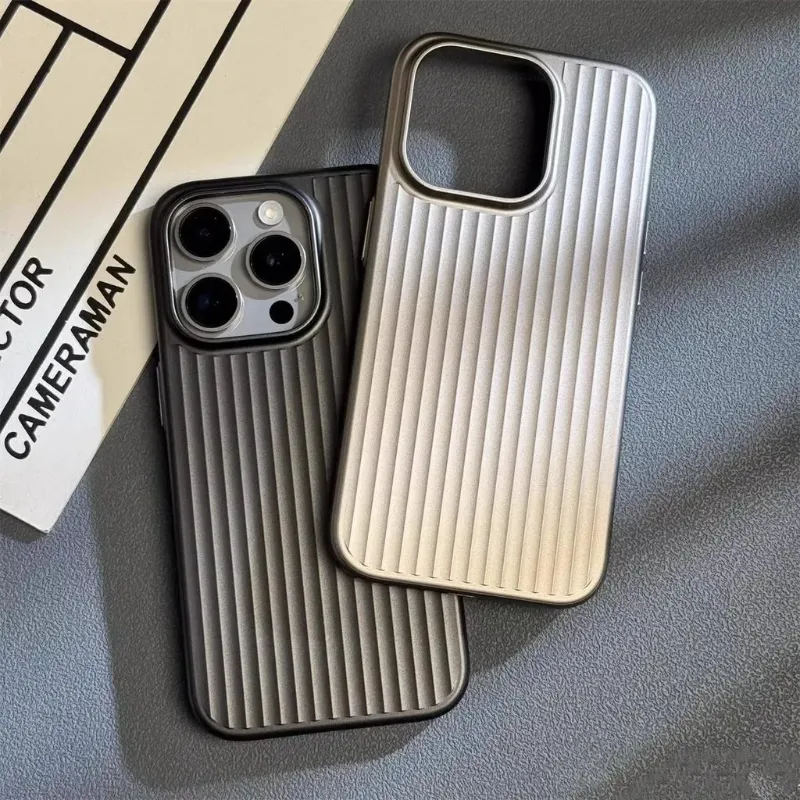
Harbor & Thorne’s titanium phone cover and titanium case iphone models represent the premium end of mobile protection, combining aerospace-grade metal with precision engineering. Whether titanium justifies the investment over flexible silicone depends on how you use your phone and what risks matter most to you.
Impact Protection: How Each Material Handles Drops
Titanium and silicone protect your phone through completely different mechanisms, and neither is universally superior.
Titanium advantages:
- Distributes impact force across a rigid frame, preventing screen flex that cracks glass
- Maintains structural integrity after repeated drops without permanent deformation
- Protects raised bezels and corners from direct strikes on hard surfaces like concrete
- Resists puncture from keys, tools, and sharp pocket contents
Silicone advantages:
- Absorbs and dissipates shock through material compression, cushioning sudden stops
- Grips surfaces during a fall, sometimes preventing the phone from bouncing onto screen or back glass
- Provides edge coverage that wraps around to protect side buttons and ports
- Costs significantly less, making replacement after damage more affordable
In our drop tests from chest height onto concrete, both materials prevented screen damage, but the titanium case iphone showed zero cosmetic wear after ten drops while silicone developed corner tears by drop seven. For pricing on either option, check the latest deals before you buy.
Durability and Longevity: Which Material Lasts
Titanium outperforms silicone dramatically in lifespan, maintaining protection for years rather than months.
Titanium long-term performance:
- Scratch-resistant surface stays smooth and clean-looking through daily pocket carry
- No material breakdown from UV exposure, heat, or oils from hands
- Mounting points and button cutouts remain precise without stretching
- Can be cleaned with aggressive solvents without material degradation
Silicone wear patterns:
- Develops a grimy texture from dust and lint adhesion within 3 to 6 months
- Stretches at corners and edges, reducing fit tightness and protection coverage
- Yellows or discolors when exposed to sunlight or heat
- Tears at stress points like charging port and camera cutouts
Premium cases like those found in tech accessory collections demonstrate how material quality directly impacts protective longevity. If you keep your phone for two or more years, titanium’s durability advantage compounds over time.
Weight, Feel, and Daily Carry Experience
Material choice dramatically changes how your phone feels in hand and pocket, affecting whether you actually keep the case on.
| Feature | Titanium | Silicone |
|---|---|---|
| Weight added | 25-45g | 15-30g |
| Grip texture | Smooth to brushed | Tacky, high-friction |
| Pocket bulk | Slim profile | Catches on fabric |
| Heat dissipation | Excellent conductor | Insulates, traps heat |
The titanium phone cover adds noticeable heft but distributes it evenly, making the phone feel solid rather than top-heavy. Silicone’s rubber texture prevents slips but also makes the phone harder to slide into tight jeans pockets. For users who frequently remove their phone throughout the day, titanium’s smooth metal feels more premium and slides more easily.
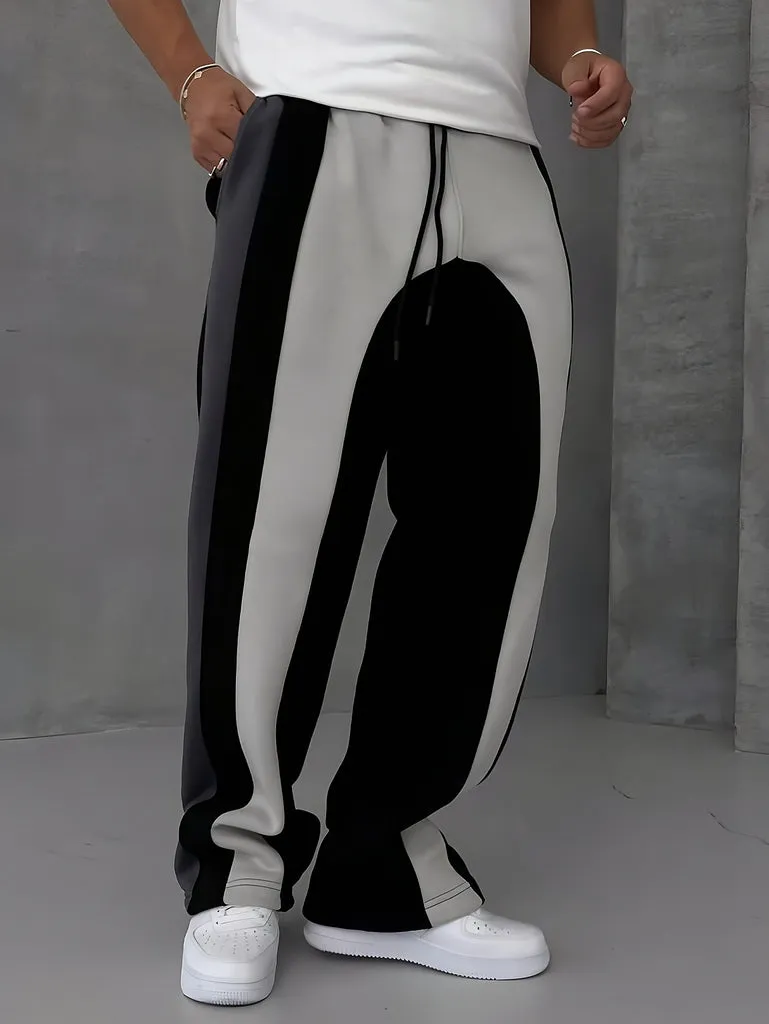
Harbor & Thorne balances protection with everyday usability across their accessory line, similar to how their harven sweatpants prioritize comfort without sacrificing structure.
Cost vs Value: When Titanium Justifies the Premium
Titanium cases typically cost three to five times more than silicone, but the value equation shifts based on your phone’s worth and your usage patterns.
Titanium makes sense when:
- Your phone costs over $800 and you plan to keep it 2+ years
- You work in construction, outdoors, or industrial environments with sharp debris
- You carry your phone loose with keys, tools, or other metal objects
- You’ve cracked screens before despite using silicone cases
- You want grab the current discount on protective gear that won’t need replacement
Silicone works better if:
- You upgrade phones annually and view cases as disposable
- Drop protection matters more than scratch resistance
- You prioritize grip over sleekness in wet or sweaty conditions
- Budget is the primary constraint
We recommend checking whether your phone model has known structural weak points (antenna bands, glass backs, specific drop orientations that crack screens). Titanium’s rigid frame addresses different vulnerabilities than silicone’s shock absorption.
Hybrid Options and Smart Compromises
You don’t have to choose exclusively between materials. Many advanced cases layer titanium structure with silicone or TPU shock absorption.
Hybrid case designs offer:
- Titanium bumper frame that protects corners and edges during impact
- Silicone or rubber inner liner that cushions the phone body
- Removable metal backplates that let you switch between full metal and lightweight modes
- Raised bezels combining hard titanium lips with soft silicone camera ring protection
These combination cases cost more than pure silicone but less than full titanium unibody designs. They work especially well for users who need maximum drop protection but want some of titanium’s scratch resistance and premium feel.
Making Your Material Choice
Select your case material based on your actual risk profile, not theoretical maximum protection.
Choose titanium if:
- Screen replacements on your phone model cost $250 or more
- Your previous cases show heavy scratching, gouging, or puncture damage
- You need a case that maintains its appearance for resale value
- You prefer the weight and feel of metal accessories
Choose silicone if:
- You drop your phone frequently from standing or sitting height
- Grip security in one-handed use is your primary concern
- You want inexpensive protection you can replace seasonally
- Your phone already has a durable ceramic or sapphire back
For most users, the best protection combines smart material choice with situational awareness. Even the most protective titanium case iphone won’t save your phone from a fall onto a rock at the perfect screen-shattering angle.
Before you commit, review the current selection and check pricing with our exclusive code to get 15% off either material option.
Questions
Does titanium scratch iPhone cameras through the case?
No, properly designed titanium cases include raised bezels that prevent the metal frame from contacting camera lenses. The bezel sits 0.5 to 1mm higher than the lens surface, and many models add a silicone or rubber camera ring for extra cushioning.
Can silicone cases cause overheating during charging?
Thick silicone cases can trap heat during fast charging or intensive tasks like gaming and video recording. If your phone frequently displays temperature warnings, switch to a titanium case or remove the silicone case during charging sessions.
Will a titanium phone cover interfere with wireless charging?
Most titanium cases under 2mm thickness support wireless charging without issues. Thicker metal cases or those with magnetic attachments may reduce charging efficiency or require removal. Check the specific case specifications before purchasing.
How do I clean a titanium case without scratching it?
Wipe titanium cases with a microfiber cloth and isopropyl alcohol or mild dish soap. Avoid abrasive cleaners or rough sponges on brushed finishes. Titanium resists most chemicals, so you can clean more aggressively than with silicone.
Are hybrid cases as protective as full titanium?
Hybrid cases with titanium frames and silicone liners often provide better overall protection than pure titanium by combining rigid structure with shock absorption. They're heavier than silicone alone but offer more balanced defense against different drop angles.
Do titanium cases work with MagSafe accessories?
Only titanium cases with embedded MagSafe rings support magnetic accessories. Pure titanium backs block the magnetic connection. Look for models specifically labeled MagSafe-compatible if you use wireless chargers, wallets, or mounts.
Products in this guide
Shopping at Harbor & Thorne? See the discount code
15% OFF Sitewide
More in this series
 What Makes Bordeaux Leather Worth the Investment?24 Aug 20264 minHow Long Do Harven Sweatpants Last With Daily Wear?24 Aug 20263 min
 Hawthorne Watch Series vs Warp Watch: Which Harbor & Thorne Timepiece Is Right for You?24 Aug 20265 minHow to Care for Waffle Knit Loungewear Without Losing Softness24 Aug 20265 min