 A Blackhead Shop guide
How to Style a Metal Choker Without Irritating Your Neck Skin
A metal choker can add edge to any outfit—here's how to wear one comfortably and keep your neck skin healthy.
A metal choker can add edge to any outfit, but comfort and skin health matter just as much as style. The right fit, prep, and care routine turn a metal choker from irritating accessory into a go-to staple that works for edgy, everyday, or dressed-up looks.
Choosing the Right Metal Choker for Your Neck
Finding a metal choker that fits well is step one. Chokers sit close to the neck, so a snug fit matters, but it shouldn’t dig in or restrict your breathing or movement. Measure your neck and compare it to the sizing details on the product page before buying. Check the latest price and see if a discount code applies to your order.
Look for adjustable styles with multiple link sizes or clasps that let you dial in comfort. A thick metal choker distributes weight more evenly than thin designs, which can create pressure points. Silver metal choker options often feel lighter on skin than heavier gold finishes, though both work, it depends on your tolerance and neck sensitivity.

The metal choker at Blackhead Shop gives you a true metal piece that’s built to last. If you’re new to wearing chokers, start with one that has some flexibility in sizing so you can experiment with where it sits.
Prep Your Skin Before Wearing
Your neck skin is more delicate than you might think, and metal directly against bare skin can cause irritation, especially if you wear your choker daily. A few simple steps make a big difference.
Clean your neck thoroughly and pat it dry before putting on your metal choker necklace. Moisture trapped under the metal speeds up irritation and tarnishing. If your skin is sensitive, apply a lightweight, fragrance-free moisturizer and let it set for a minute before clasping on your choker.
Consider a thin barrier between your skin and the metal. A silk or cotton scarf worn loose under the choker, or even a bandage-style thin fabric wrap, keeps friction and direct metal contact to a minimum. Swap out the barrier every day or two to keep things clean.
Avoid wearing your metal choker immediately after sweating or during humidity-heavy seasons if your skin is prone to reactions. Sweat accelerates tarnishing and creates an environment where bacteria thrive.
Material Choices: Silver, Gold, and Beyond
Different metals behave differently against skin. Silver is hypoallergenic for most people and resists tarnishing longer, especially if coated. Gold-tone chokers are warmer visually but may contain nickel, which triggers allergies in sensitive folks. Stainless steel is durable and hypoallergenic but heavier than other options.
Check the product description for material specs before you buy. Vintage metal choker styles or thicker designs often use solid metals that age well and irritate less than thin plating. If you have a known metal allergy, stick with surgical stainless steel or gold-plated pieces marked nickel-free.
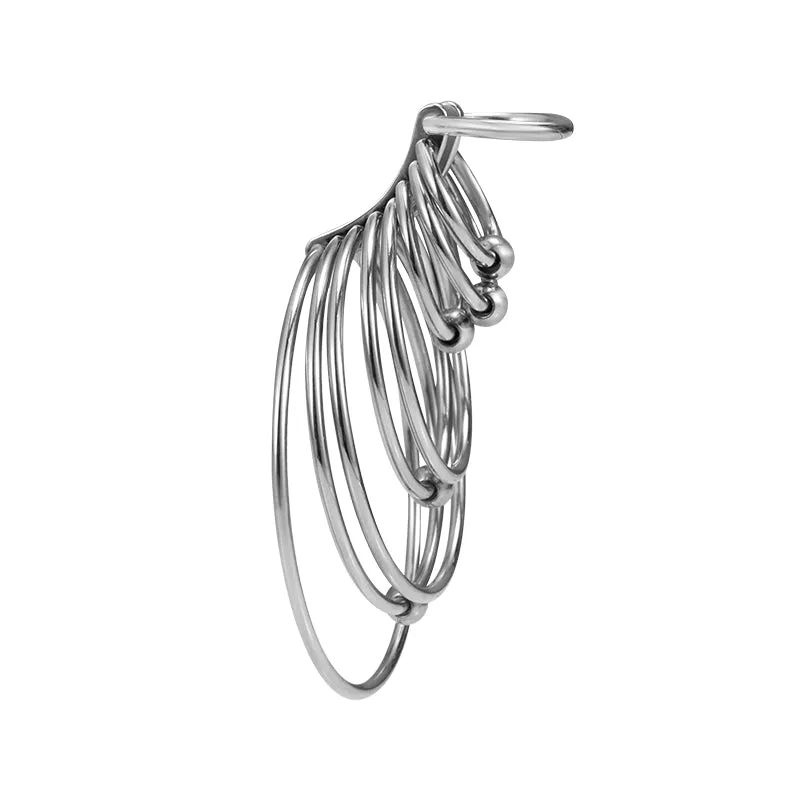
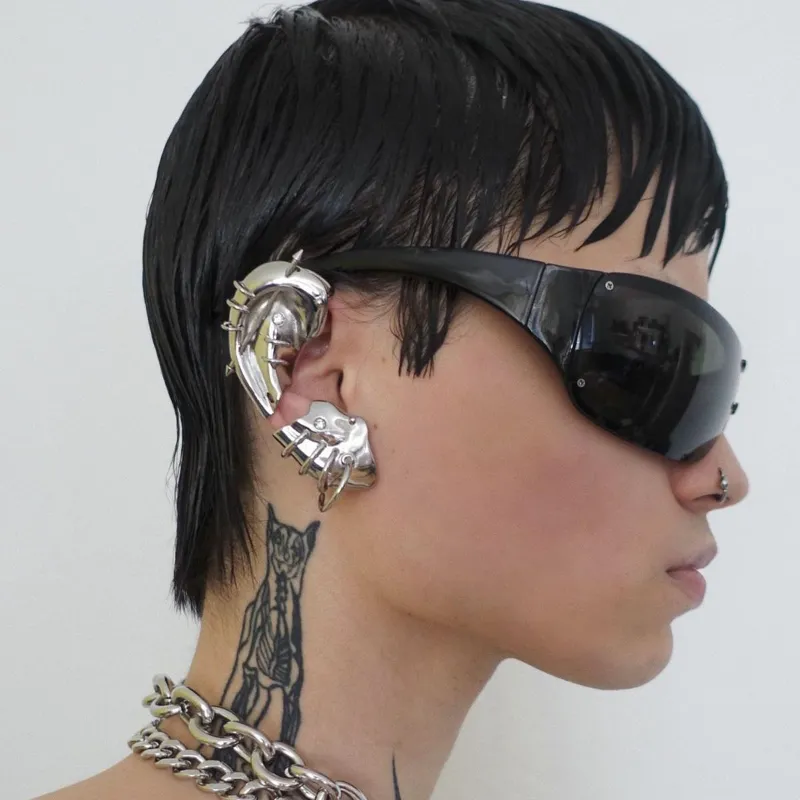
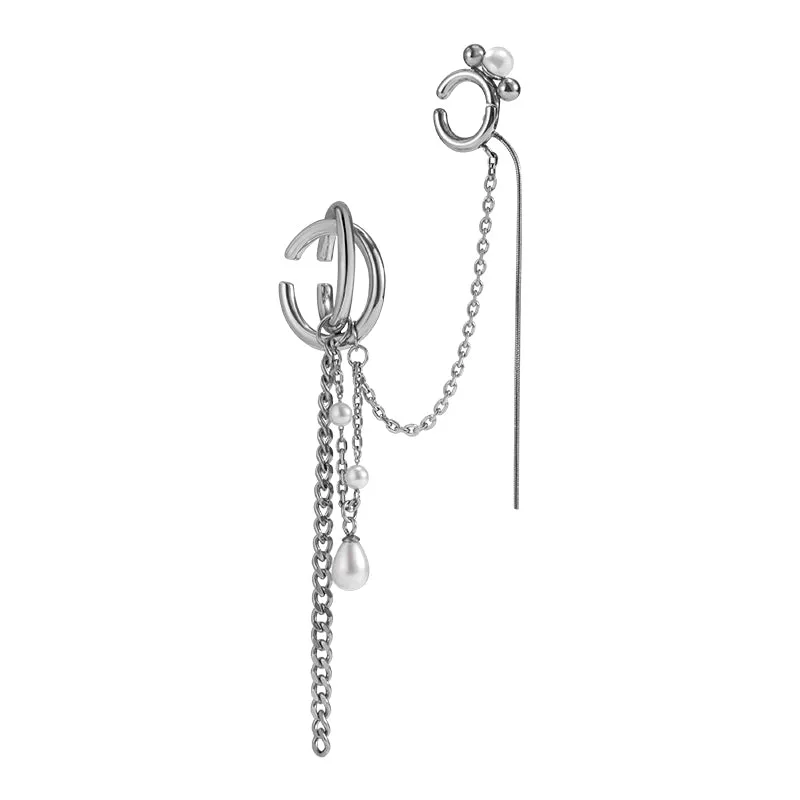
Pair your metal choker with other statement pieces. Layer it with tawapa stacked rope ear cuff or punk earrings for a cohesive edgy look, or contrast it with delicate jewels like pearl ear cuff for mixed-metal sophistication.
Styling Your Metal Choker Without Irritation
A metal choker collar works best when you rotate wear. Don’t sleep in it, and don’t keep it on for more than 8 to 10 hours at a time on the same days. Giving your neck a break prevents buildup of irritation and lets skin regenerate.
Adjust how snugly you fasten your metal choker necklace gold or silver throughout the day. If it feels tight after a few hours, loosen it slightly. Your neck swells and contracts naturally, and flexibility in wear reduces inflammation.
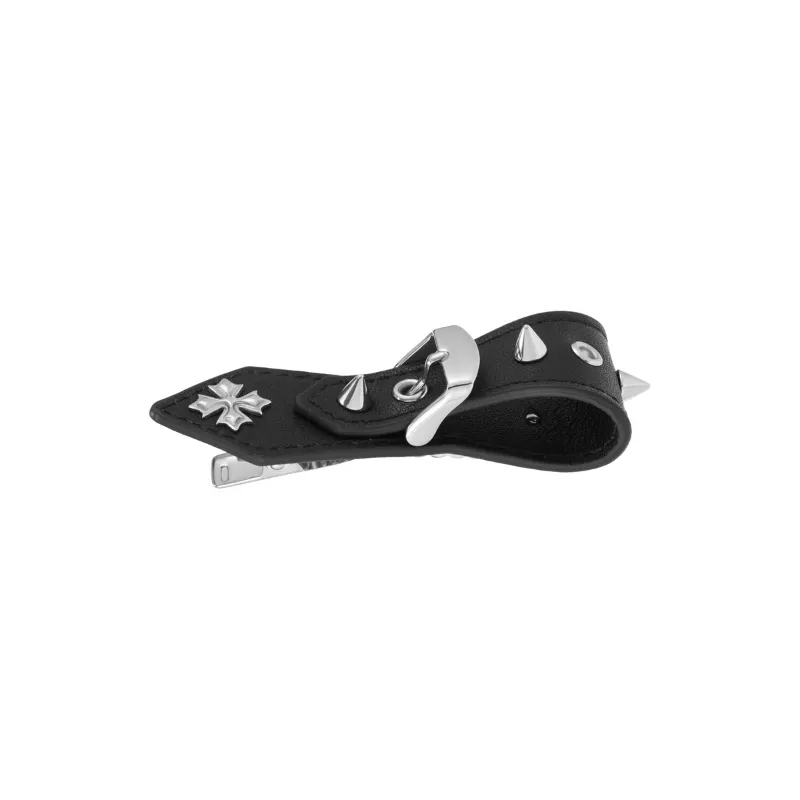
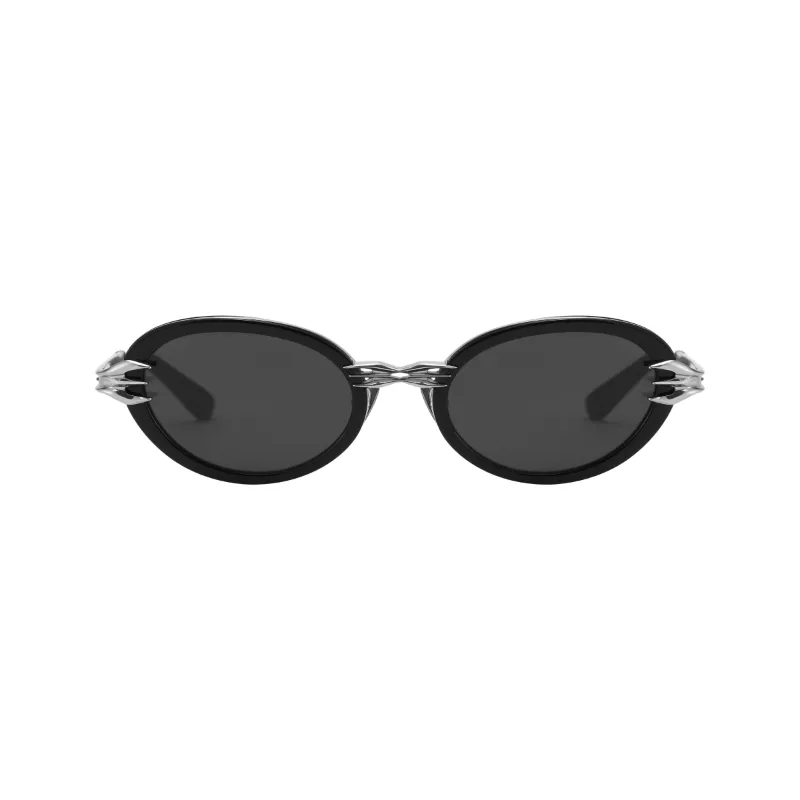
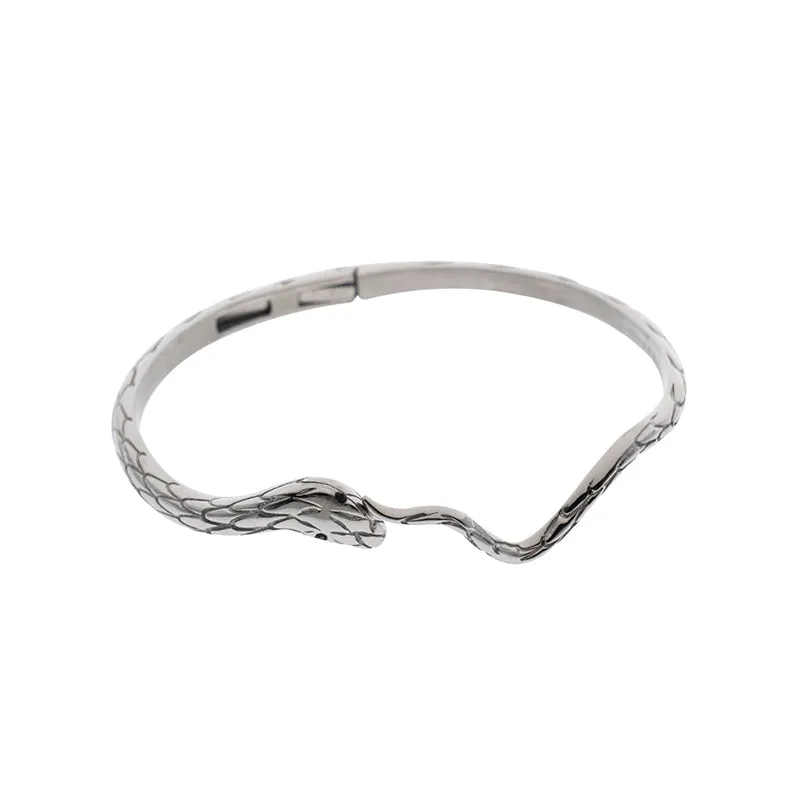
Style your choker with outfits that let your neck breathe. High necklines trap heat and sweat; open collars, crew necks, or off-shoulder cuts pair better with a choker. Combine yours with black hair clips, round metal sunglasses, and snake skin bangle for a coordinated aesthetic.
If redness, itching, or irritation develops, take the choker off immediately and let your skin recover for a day or two. Apply a gentle moisturizer or hydrocortisone cream if the reaction persists.
Care and Maintenance
Clean your metal choker regularly to prevent buildup of sweat, oils, and dirt that irritate skin. Wipe it down with a soft, dry cloth after each wear. Once a week, use a jewelry cloth or a mixture of warm water and mild soap, then dry it completely.
Store your choker in a clean, dry place away from humidity. Tarnish speeds up irritation because oxidized metal is rougher on skin. A sealed pouch or small box keeps it fresher longer.
If your choker gets visibly tarnished, use a silver or gold polishing cloth (depending on your metal) to restore shine. Never use harsh chemicals or abrasive materials that can scratch the surface and create rough spots that irritate your neck.
Who Should Wear a Metal Choker
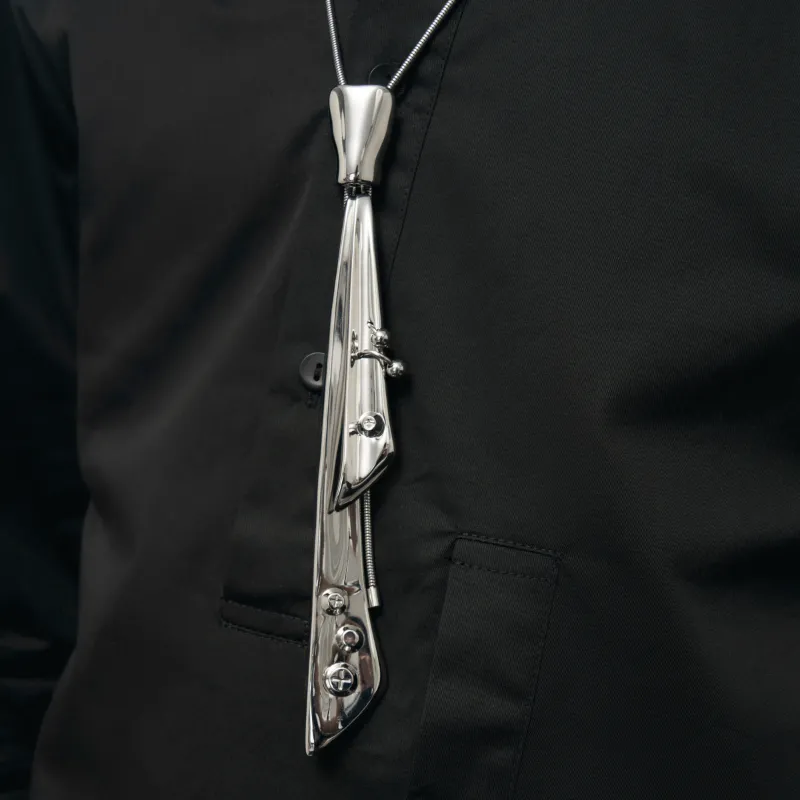
Metal chokers suit anyone who wants a bold, confident accessory. They work for everyday wear paired with casual clothes, edgy looks with the devil wears a suit and tie earrings and black bracelet, or even formal outfits for texture and contrast.
If you have sensitive skin, start with shorter wear sessions and build up tolerance. Some people never develop sensitivity; others do after weeks or months. Listen to your body and adjust accordingly.
Pair your metal choker with other Blackhead Shop pieces to build a cohesive collection. Layer with vintage oval sunglasses or sunglasses retro round for a vintage-edgy hybrid look. Grab the code to save 10% on your whole order when you stock up.
| Metal Type | Best For | Care Level |
|---|---|---|
| Silver | Sensitive skin, everyday wear | Low (resists tarnish) |
| Gold-tone | Warm skin tones, vintage vibes | Medium (monitor for nickel) |
| Stainless steel | Durability, outdoor wear | Low (hypoallergenic) |
Wearing a metal choker necklace is about balance: style, comfort, and skin health work together. Prep your skin, choose the right fit, rotate wear, and maintain your piece, and you’ll have a choker that looks sharp and feels good.
Questions
How do I know if my metal choker is too tight?
Your choker should sit snugly but allow you to fit a finger underneath. If you feel neck pressure, restricted swallowing, or headaches after wearing it for an hour or two, it's too tight. Loosen it or try a larger size.
Can I wear a metal choker if I have sensitive skin?
Yes, but start with short wear sessions and use a barrier like a thin fabric wrap under the choker. Choose hypoallergenic materials like surgical stainless steel or nickel-free options, and always keep the choker clean and dry.
What causes metal choker necklace irritation?
Poor fit, moisture trapped under the metal, buildup of sweat and oils, nickel content, and tarnish can all trigger irritation. Clean your choker regularly, prep your skin, and take breaks to prevent reactions.
How often should I wear my metal choker?
Rotate wear and avoid wearing it every day or for extended periods. Limit wear to 8 to 10 hours at a time and give your neck a day off between wears to prevent cumulative irritation.
Which metal choker collar material is best for everyday wear?
Silver and stainless steel are most skin-friendly for daily wear because they're hypoallergenic and resist tarnishing. Gold-tone works too if it's nickel-free, though it may tarnish faster and require more maintenance.
How do I clean my metal choker to prevent skin irritation?
Wipe it with a soft cloth after each wear, and wash it weekly with warm water and mild soap, then dry completely. Use a jewelry polishing cloth monthly to remove tarnish and keep the surface smooth.
Products in this guide
 Shopping at Blackhead Shop? See the discount code
10% OFF All Orders
Shopping at Blackhead Shop? See the discount code
10% OFF All Orders
More in this series
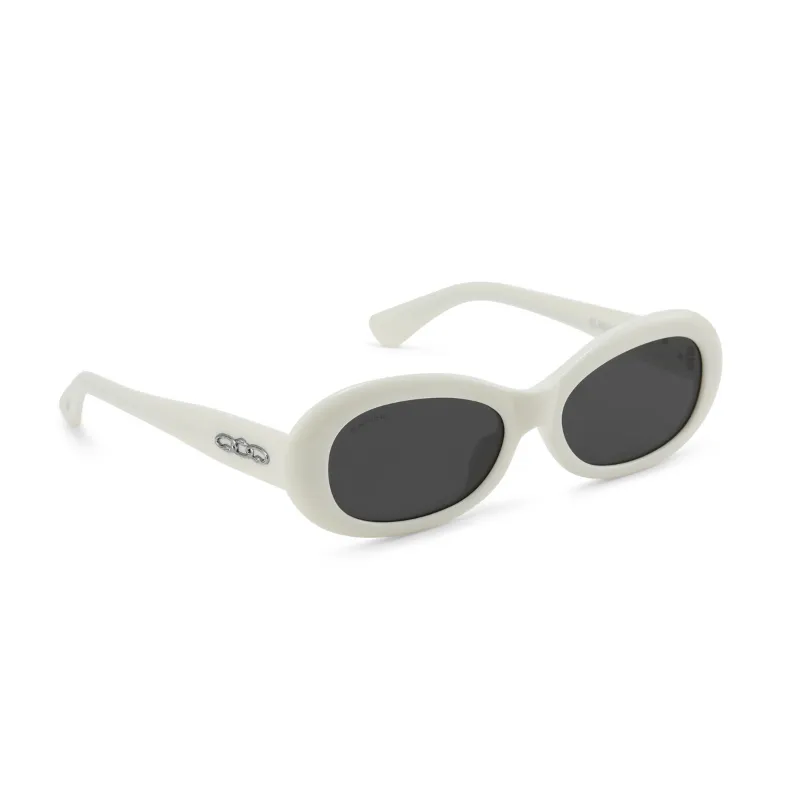 Vintage Oval Shades vs. Sunglasses Retro Round: Durability and Lens Quality Review26 Aug 20264 minBest Black Hair Clips for Thick Hair: Dragon and Standard Styles Compared26 Aug 20264 minRound vs. Oval Sunglasses: Which Retro Frame Shape Flatters Your Face26 Aug 20264 minHow to Keep Metal Ear Cuffs On All Day26 Aug 20264 min