 A Three Fleas guide
How to Style a Dune Costume for Cosplay Accuracy and Comfort
A dune costume requires careful attention to layering, fabric texture, and desert-inspired accessories to balance screen accuracy with convention comfort.
A dune costume demands thoughtful layering and fabric selection to capture the desert-planet aesthetic while keeping you comfortable through long convention days. Whether you’re building a Fremen stillsuit, a Bene Gesserit robe, or House Atreides formal wear, the key lies in balancing visual accuracy with wearable construction.
Choosing the Right Base for Your Dune Outfit
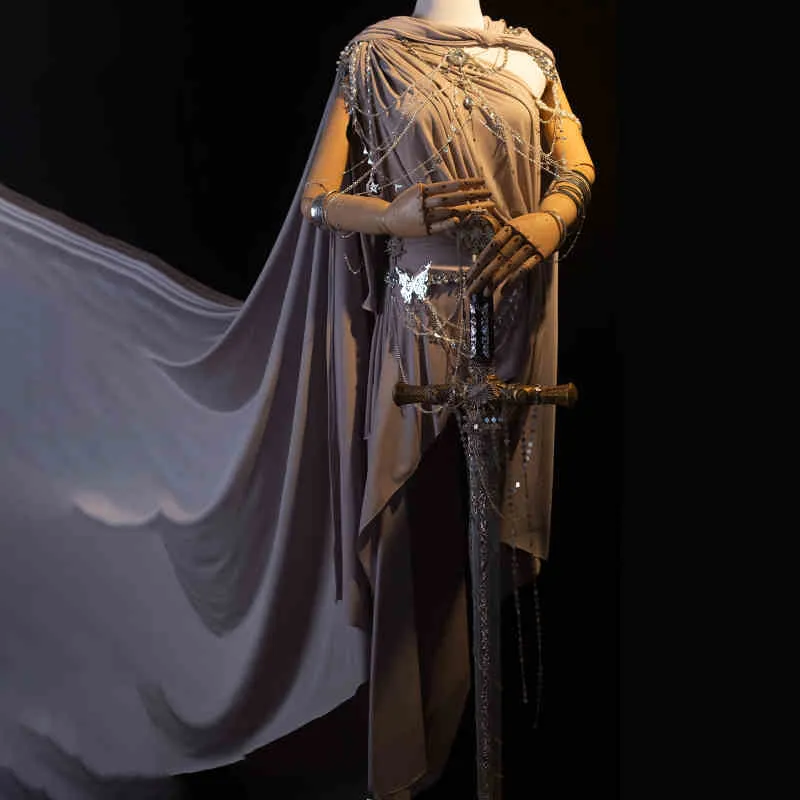
The foundation of any successful build starts with understanding which character and era you’re portraying. A dune costume typically falls into one of three categories: Fremen desert wear, noble house uniforms, or ceremonial robes. Each demands different fabric weights and construction approaches.
For Fremen stillsuits, look for matte technical fabrics with visible texture. The costume designers behind Villeneuve’s films layered military-grade textiles with rubberized panels to suggest moisture reclamation without actual functionality. We recommend starting with a dune outfit base and adding tactical details like knee reinforcements, utility straps, and weathered patches.
Noble house costumes lean toward structured silhouettes in wool blends, linen, or heavyweight cotton. House Atreides favors charcoal and deep green, while Harkonnen aesthetics embrace stark black leather and industrial hardware. Pay attention to collar construction and shoulder lines, both signature elements that telegraph rank and house affiliation immediately.
Layering Techniques for Desert Planet Accuracy
Authentic layering separates amateur builds from convention-floor showstoppers. The inhabitants of Arrakis dress for extreme temperature swings, which translates to visible underlayers, wraps, and protective panels.
Key layering elements:
- Base moisture layer: a fitted neutral undersuit in tan, sand, or charcoal
- Mid-layer wraps: linen or cotton gauze in ochre, rust, or dusty blue for Fremen; structured vests for nobility
- Outer protective shell: distressed canvas, faux leather, or rubberized panels with visible seams and functional (or decorative) closures
- Head coverings: essential for any dune costume female or male build; use wire-edged fabric to hold shape without constant adjustment
Start with breathable fabrics closest to your skin, then add visual weight with textured outers. Real stillsuits in the films used up to seven distinct fabric types per costume. You don’t need that many, but three deliberate layers create depth without bulk.
DIY Modifications and Weathering for Screen Authenticity
A fresh-from-the-package costume rarely reads as lived-in desert gear. Dune costume DIY projects benefit enormously from intentional distressing and custom details.
Weathering techniques we recommend:
- Dry brushing: drag a stiff brush loaded with diluted tan or rust acrylic paint across seams, hems, and high-wear areas
- Sand and grit: mix fine sand into fabric medium and stipple onto knees, elbows, and boot edges for authentic abrasion
- Strategic tears: small frays along stress points (never large rips) suggest years of desert survival
- Heat shaping: carefully apply low heat to synthetic edges to create the worn, slightly melted look of sun-exposed gear
For an adult dune costume build, custom additions like resin tubes, found-object buckles, and hand-stitched patches elevate the final result. Raid hardware stores for interesting clips, grommets, and textured cords. The original costume team sourced materials from military surplus and industrial suppliers to achieve that utilitarian realism.
Accessories That Complete the Fremen Look
Small details anchor your costume in the universe. Fremen culture emphasizes practicality, so every visible accessory should suggest purpose.
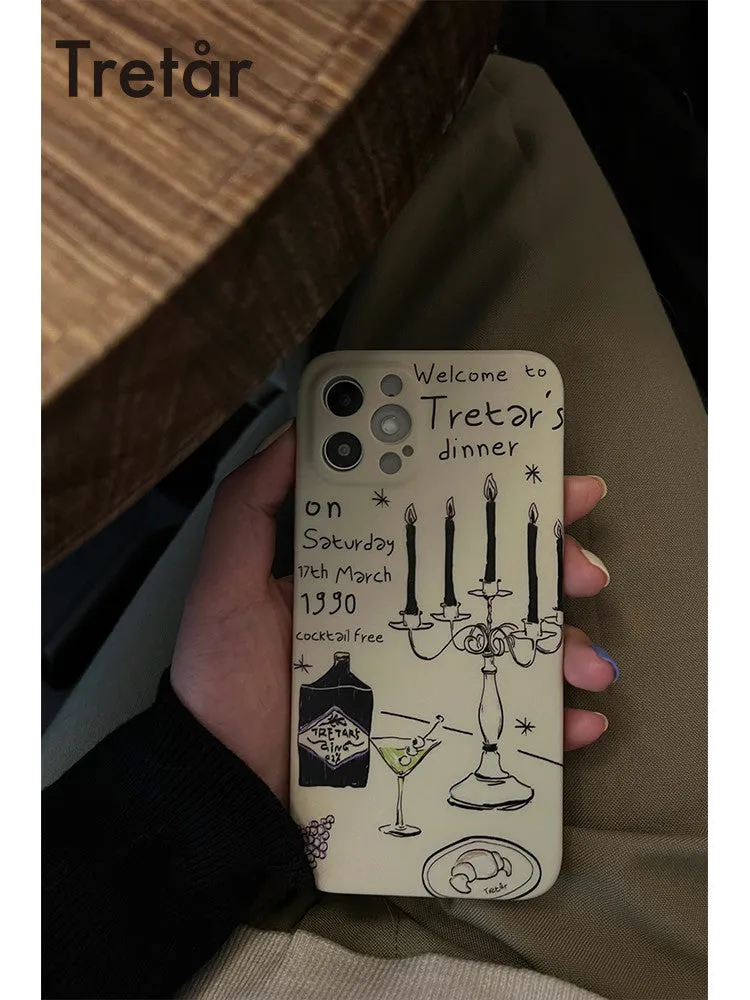
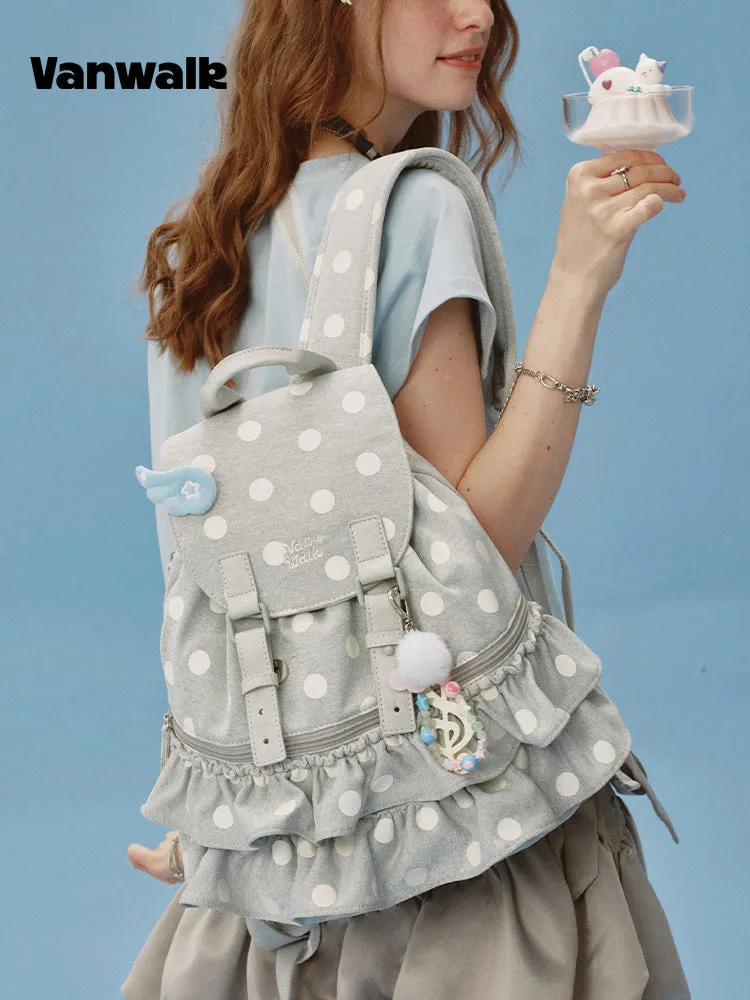
Consider adding a tpu phone case in a neutral desert tone to your utility belt; modern necessities blend in when they match your palette. Similarly, a polka dot backpack won’t work, but a vanwalk backpack in tan or olive can pass as a water-carrier or supply pack with minor modifications like added straps or weathered patches.
Essential finishing touches:
- Crysknife replica: the iconic weapon, available as foam or resin props at most convention vendors
- Stillsuit tubes and filters: craft foam painted in metallic grays and browns, attached with strong magnets or velcro
- – Wrist and ankle wraps: strips of linen or gauze in coordinating earth tones
- Spice vials: small glass or acrylic bottles filled with orange-tinted powder, worn on belts or bandoliers
If you’re portraying a dune costume Paul or other named character, reference stills from the films for specific jewelry, signet rings, or house insignia. These character-specific markers help other fans recognize your build instantly.
Comfort Strategies for All-Day Convention Wear
Accuracy means nothing if you can’t wear your costume for more than an hour. We prioritize breathability, weight distribution, and quick adjustments in every build.
Choose natural fibers wherever they touch skin. Cotton and linen wick moisture far better than polyester, crucial when you’re navigating crowded halls. Save heavier synthetics for outer armor or decorative panels that don’t trap heat against your body.
Comfort checklist:
| Element | Recommendation | Why It Matters |
|---|---|---|
| Footwear | Broken-in boots with insole support | Prevents blisters during 8+ hour days |
| Headwear | Breathable mesh lining inside fabric wraps | Stops overheating while maintaining silhouette |
| Closures | Velcro or magnetic instead of complex ties | Allows quick bathroom breaks and adjustments |
| Weight | Keep total costume under 15 lbs if possible | Reduces fatigue and back strain |
Check the latest pricing on base costume pieces before committing to a full DIY build. Sometimes a quality foundation saves hours of construction time and fits better than home-sewn alternatives.
Pack a small repair kit with safety pins, fabric tape, and spare velcro. Even the best-constructed costume needs mid-day adjustments. We also recommend wearing compression shorts or moisture-wicking underlayers, especially if your build includes multiple heavy fabric layers.
Sourcing Materials and Budget Planning
A screen-accurate build doesn’t require a film-production budget, but strategic spending makes a visible difference. Prioritize funds toward hero pieces (outer robes, masks, signature weapons) and save on hidden layers.
Thrift military surplus jackets, cargo pants, and tactical vests make excellent dune costume amazon alternatives. Look for items in sand, olive, charcoal, or black, then modify with dye, paint, and added hardware. Estate sales and vintage shops often stock linen scarves, wool blankets, and leather belts perfect for layering and wraps.
For specialty items like metallic paints, prosthetic adhesive, or weathering powders, grab the code for 10% off your order. Those savings add up quickly when you’re buying five or six different material types.
- Entry level ($80-150): modified thrift finds, basic weathering, foam accessories
- Intermediate ($150-300): purchased base costume with custom add-ons, resin props, professional weathering
- Advanced ($300-600+): custom-tailored pieces, screen-matched fabrics, commissioned armor or prosthetics
Start with the tier that matches your skill level and timeline. You can always upgrade elements for future conventions as your technique improves.
Final Touches and Photo-Ready Details
Convention photography rewards costumes that look good from ten feet away and up close. Once your major construction is complete, step back and evaluate overall silhouette, color balance, and visual interest.
Add small pops of metallic detail (copper wire wraps, bronze-painted buckles, steel-look grommets) to break up large fabric expanses. The history and texture choices in the films emphasize handcrafted, layered construction rather than smooth uniformity.
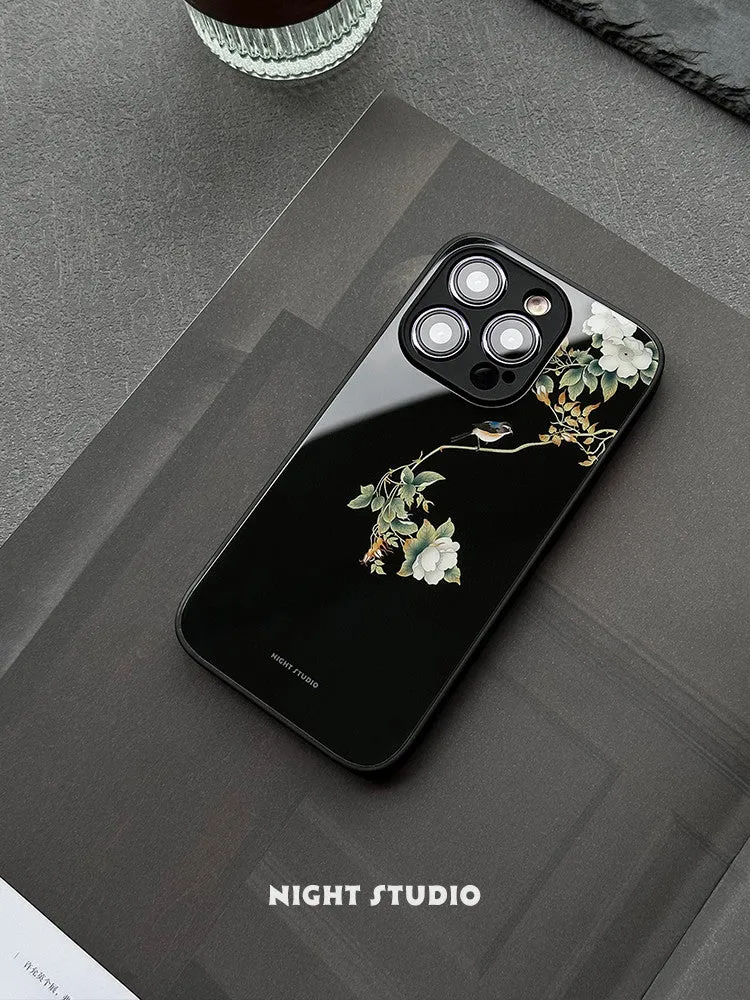
If you’re incorporating any modern accessories like phones or convention badges, keep them in muted tones. A cute samsung phone case in pastel won’t match, but neutral options integrate seamlessly into belt pouches or inner pockets.
Consider how your costume photographs in different lighting. Desert palettes look stunning in natural light but can wash out under harsh indoor fluorescents. Test your makeup (if using blue-in-blue contact lenses or Fremen weathering) under both conditions before the event.
Finally, practice moving, sitting, and posing in full costume at home. Identify any mobility restrictions, visibility issues, or comfort problems while you still have time to adjust construction. The best cosplay balances visual impact with practical wearability, letting you enjoy the convention instead of counting down the minutes until you can change.
Questions
What fabrics work best for a Fremen stillsuit build?
Matte technical fabrics like canvas, ripstop nylon, or heavyweight cotton twill provide the right texture and durability. Layer these with rubberized or faux-leather panels for visual depth without sacrificing breathability.
How do I weather a dune costume without ruining the fabric?
Use diluted acrylic paint applied with dry brushing, fabric-safe weathering powders, or fine sand mixed with fabric medium. Test all techniques on scrap fabric first, and focus weathering on high-wear areas like knees, elbows, and hems for realistic results.
Can I wear a dune costume comfortably for a full convention day?
Yes, if you prioritize breathable natural fibers against your skin, distribute weight evenly with proper belts and straps, and use magnetic or velcro closures for easy adjustments. Keep total costume weight under 15 pounds when possible.
What's the difference between male and female Fremen costume builds?
Fremen costuming is largely unisex and utilitarian, with differences mainly in fit and silhouette. Both use the same layering principles, weathering techniques, and desert-tone color palettes, though female builds may incorporate more tailored waist shaping.
Do I need special props for a House Atreides costume?
Key identifiers include house signet rings, the green and black color scheme, and formal collar construction. A ceremonial blade or ducal pendant adds recognition value, but the structured tailoring and color palette do most of the work.
Where can I find discount codes for costume supplies?
Check retailer coupon pages for current offers. Many stores offer percentage discounts on full orders, which helps when buying multiple fabric types, paints, and hardware for a complete build.
Products in this guide
 Shopping at Three Fleas? See the discount code
10% OFF All Orders
Shopping at Three Fleas? See the discount code
10% OFF All Orders
More in this series
Complete Cleopatra Cosplay Guide: Costume, Jewelry, and Makeup Essentials15 Aug 20264 minWhat Does a TPU Phone Case Actually Protect Against?15 Aug 20264 minIta Bags vs Regular Backpacks: Which Is Best for Displaying Pins and Merch?15 Aug 20265 min How Long Do Press-On Nails Like Paintlab Celestial Pink Last?15 Aug 20264 min