 A Omni Health Ring guide
Smart Rings vs Fitness Trackers: Which Tracks Sleep Better?
Smart rings vs fitness trackers differ in sleep tracking accuracy, design, and battery life, with smart rings like the Omni Health Ring often winning on simplicity and wearability.
Smart rings vs fitness trackers both track sleep, but they do it very differently. Smart rings sit on your finger and use fewer sensors, while fitness trackers wrap your wrist with more processing power. The real question isn’t which is objectively better, it’s which fits your lifestyle and sleep priorities.
Here’s a look at sleep tracking, comfort, accuracy, and cost.
How Smart Rings vs Fitness Trackers Measure Sleep
Smart rings use accelerometers and skin temperature sensors to detect movement and body heat changes throughout the night. They log light, deep, and REM sleep phases by reading micro-movements and thermal shifts. Fitness trackers typically add heart rate sensors and sometimes blood oxygen monitoring, which gives them more data points but also more battery drain.
The key difference: smart rings prioritize simplicity and all-day wearability by using fewer sensors. Fitness trackers aim for comprehensive health snapshots by packing more tech into a larger form factor. Both can identify when you’re asleep and awake, but they interpret sleep stages through different lenses.
Sleep Accuracy: Ring vs Wrist Tracker
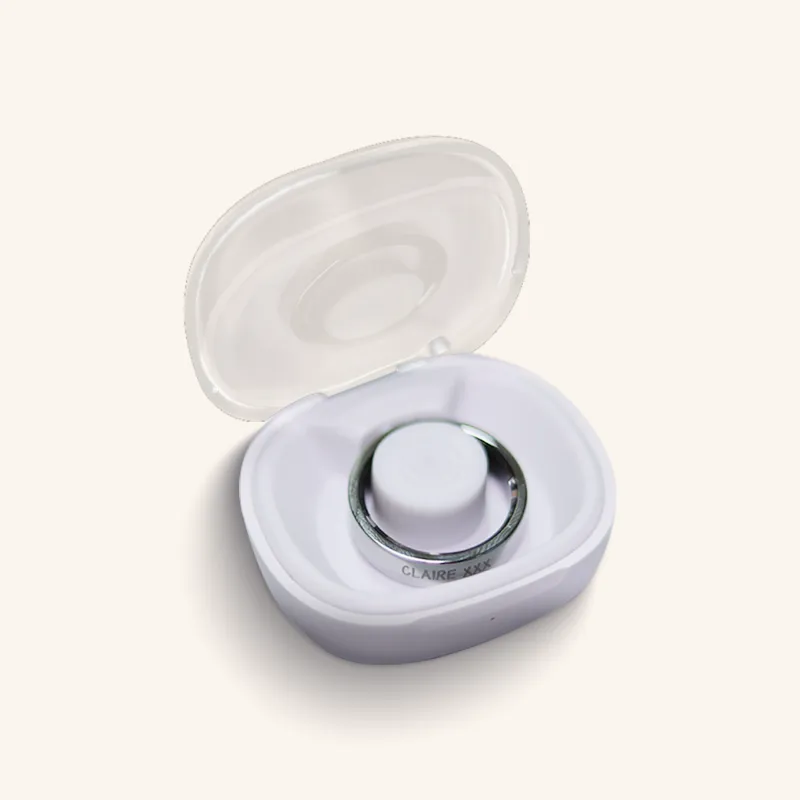
The smarthealth tracking ring showed similar reliability for detecting total sleep time and wake windows.
Fitness trackers often claim higher accuracy because they include heart rate data, but that doesn’t always translate to better sleep insights. Many people find ring-based readings more intuitive because they’re not distracted by notifications or app clutter. The tradeoff is that rings miss some metrics fitness trackers capture, like blood oxygen trends.
Whichever device you choose, wear it every night, since a tracker can only record the nights you wear it.
Comfort and Wearability: Why Rings Win for Sleep
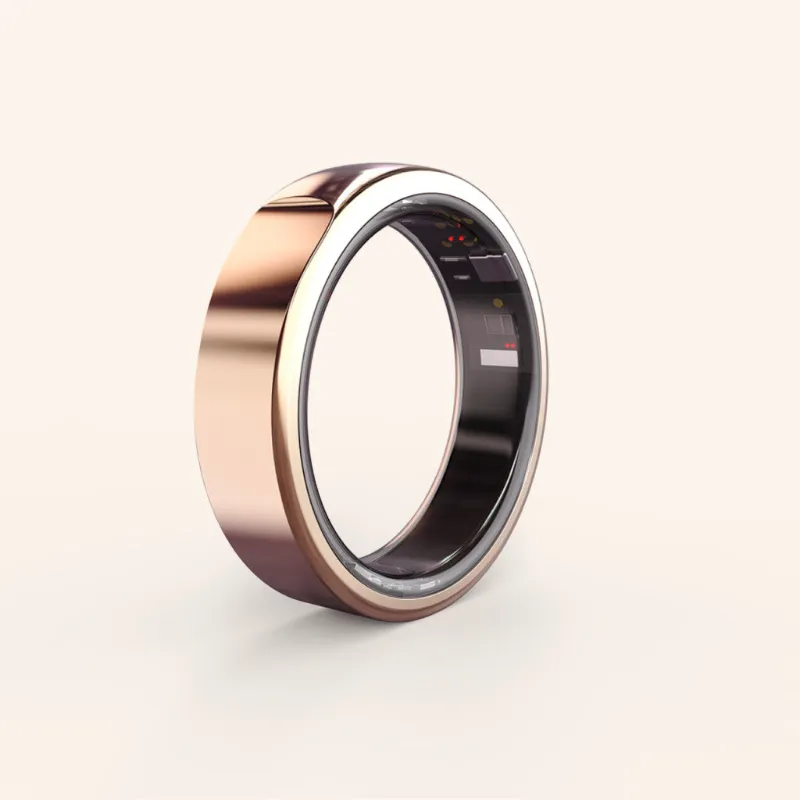
This is where smart rings shine. The oura ring dupe and similar models weigh less than a gram and don’t restrict wrist movement the way a watch-style tracker does. You forget you’re wearing a ring, which means fewer people take it off at night.
Fitness trackers are bulkier. Some people find wrist straps uncomfortable during sleep, especially if they have sensitive skin or prefer loose-fitting bands. Rings don’t have that issue. They work under gloves, fit in any sleep position, and won’t leave band marks on your skin.
If sleep tracking is your priority and comfort matters, smart rings have a real edge here.
Battery Life and Charging
The smarthealth tracking ring and most quality rings last 5 to 7 days per charge. Some high-end models stretch to 10 days. Fitness trackers typically need charging every 3 to 5 days, and many users charge them daily if they use GPS or continuous monitoring.
A ring you charge once a week fits more easily into a routine than a tracker you charge every few days. There’s less chance you’ll skip a night of sleep data due to a dead battery.
Cost and Value
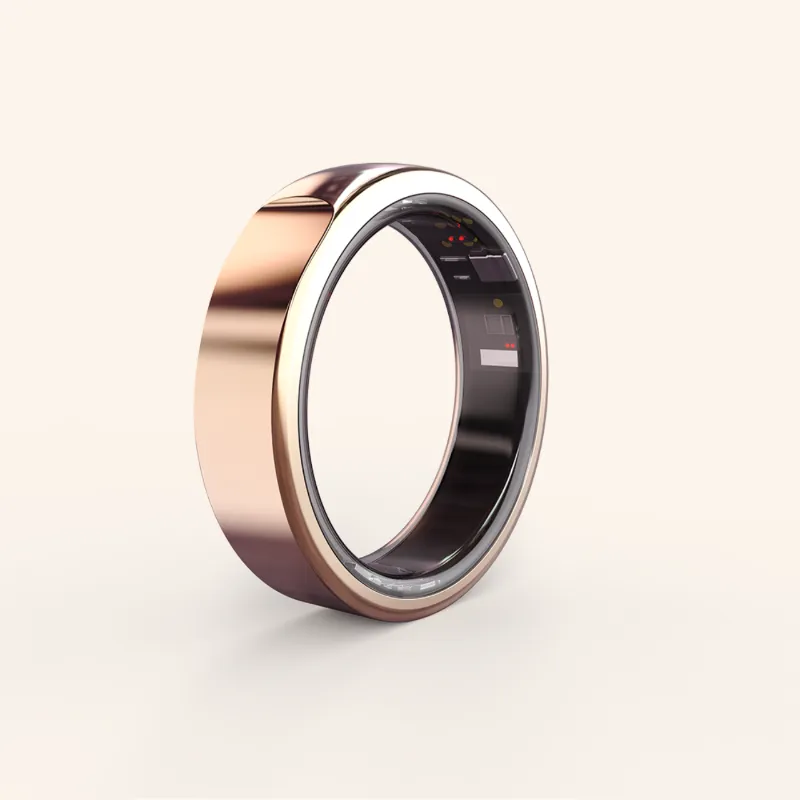
Smart rings are generally cheaper upfront than premium fitness trackers. The omni health ring is available with 15% off all orders, making it accessible for first-time buyers. The oura ring dupe offers similar features at a lower price point than brand-name alternatives.
Fitness trackers range widely, but high-accuracy models often cost more and require ongoing subscriptions for advanced features. Rings typically have lower subscription costs or none at all. If you’re budget-conscious, rings deliver more value per dollar.
Which Should You Choose?
Choose a smart ring if you prioritize sleep tracking, comfort during sleep, and simplicity. The omni health ring is a solid starting point, especially with the current discount code. Rings work best for people who sleep naturally and want minimal wrist interference.
Choose a fitness tracker if you want comprehensive health metrics beyond sleep: daily step counts, active calories, workout detection, and heart rate zones matter to you. Trackers suit people who exercise regularly and want their device to double as a daily activity monitor.
Choose a ring if you primarily care about sleep. Choose a tracker if you want an all-in-one health device. You can also use both: a ring for sleep tracking and a tracker for daytime activity. That’s the real winner of smart rings vs fitness trackers, you can layer them without conflict.
Questions
Can a smart ring replace a fitness tracker for sleep tracking?
Yes, if sleep tracking is your main goal. Smart rings like the Omni Health Ring and smarthealth tracking ring are designed specifically for sleep detection and often outperform fitness trackers in consistency and comfort during rest. However, you'll lose daytime activity tracking and exercise metrics.
Do smart rings vs fitness trackers require subscriptions?
Most smart rings have lower subscription costs or are completely free after purchase. Many fitness trackers require a paid app subscription to unlock advanced features like detailed sleep coaching or workout history. Check the specific model before buying if subscription cost is a concern.
Which is better for detecting deep sleep: a ring or wrist tracker?
Both can detect deep sleep, but smart rings like the Oura Ring dupe use skin temperature and movement to infer sleep stages. Fitness trackers add heart rate variability to their calculations, which some consider more accurate. Real-world differences are usually small; consistency of wear matters more than device type.
Is the Omni Health Ring worth buying if I already have a fitness tracker?
If your fitness tracker's sleep data feels inconsistent or uncomfortable to wear at night, the Omni Health Ring is worth trying, especially with the current 15% discount. Many people find dedicated sleep rings more reliable than dual-purpose devices.
How long do smart rings hold a charge compared to fitness trackers?
Smart rings typically last 5 to 10 days per charge, while most fitness trackers need charging every 3 to 5 days. Rings' longer battery life means fewer missed nights of sleep data due to dead batteries.
Can I wear a smart ring and fitness tracker at the same time?
Yes. You can wear a ring for sleep tracking and a wrist tracker for daytime activity. They don't interfere with each other, and you'll get the best of both: dedicated sleep insights plus comprehensive daily health tracking.
Products in this guide
Shopping at Omni Health Ring? See the discount code
15% OFF All Orders
More in this series
Oura Ring Alternative: Is the Omni Health Ring Worth Switching?11 Sep 20264 minHow Accurate Is an Oura Ring Dupe? Sleep, Steps and Heart Rate Explained11 Sep 20264 minHow to Choose the Best Smart Health Rings for Women: Fit, Features and Comfort11 Sep 20264 minHow to Choose a Smart Ring That Actually Lasts All Week on One Charge11 Sep 20265 minDoes the Oura Ring Dupe Deliver the Same Health Insights as the Real Thing?11 Sep 20264 min