 A Megastar Fitness guide
Does a Seated Leg Curl Machine Really Work Your Hamstrings?
A seated leg curl machine isolates and strengthens your hamstrings through controlled flexion, making it one of the most effective single-muscle exercises for lower body training.
A seated leg curl machine isolates and strengthens your hamstrings through controlled flexion, making it one of the most effective single-muscle exercises for lower body training.
Does a Seated Leg Curl Machine Really Work Your Hamstrings?
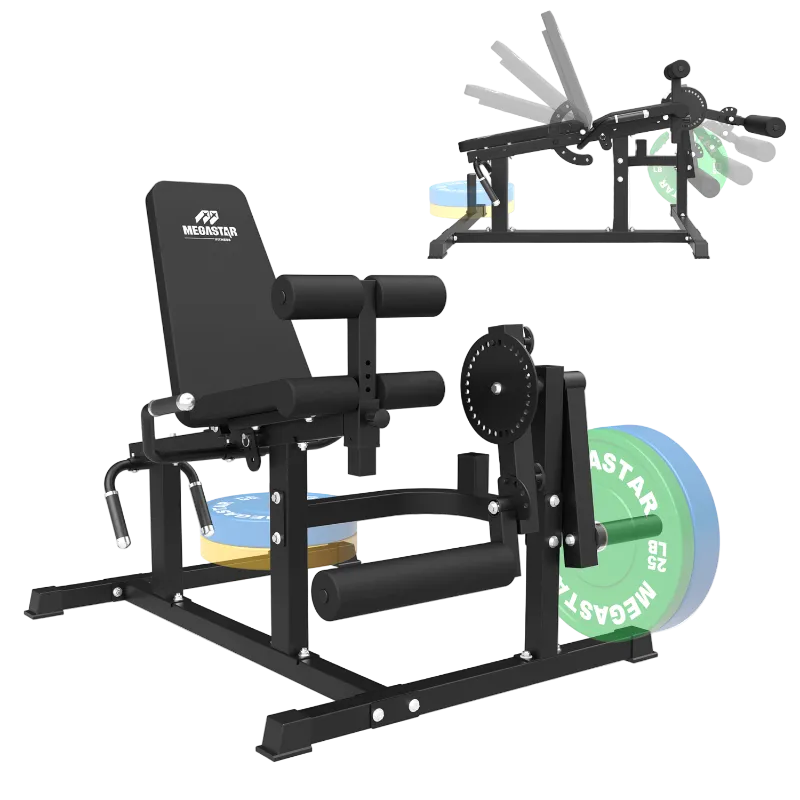
Yes, when used with proper form, a seated leg curl machine effectively targets your hamstrings. The seated position locks your hips and torso in place, removing stabilizer muscles from the movement so the hamstring carries the entire workload. This isolation is why many lifters prefer the seated leg curl machine over compound leg exercises for building hamstring strength and endurance.
Unlike squats or deadlifts, which distribute tension across multiple muscle groups, a seated leg curl machine keeps tension focused on a single joint (your knee) and single muscle group. Each rep drives blood and nutrients directly to the hamstring, promoting growth and strength gains without lower back strain.
Seated Leg Curl Machine Muscles Worked
The primary muscle targeted is the hamstring, which runs along the back of your thigh. A seated leg curl machine engages all three hamstring heads: the biceps femoris, semitendinosus, and semimembranosus. The glutes receive minimal activation due to the seated position and hip flexion angle.
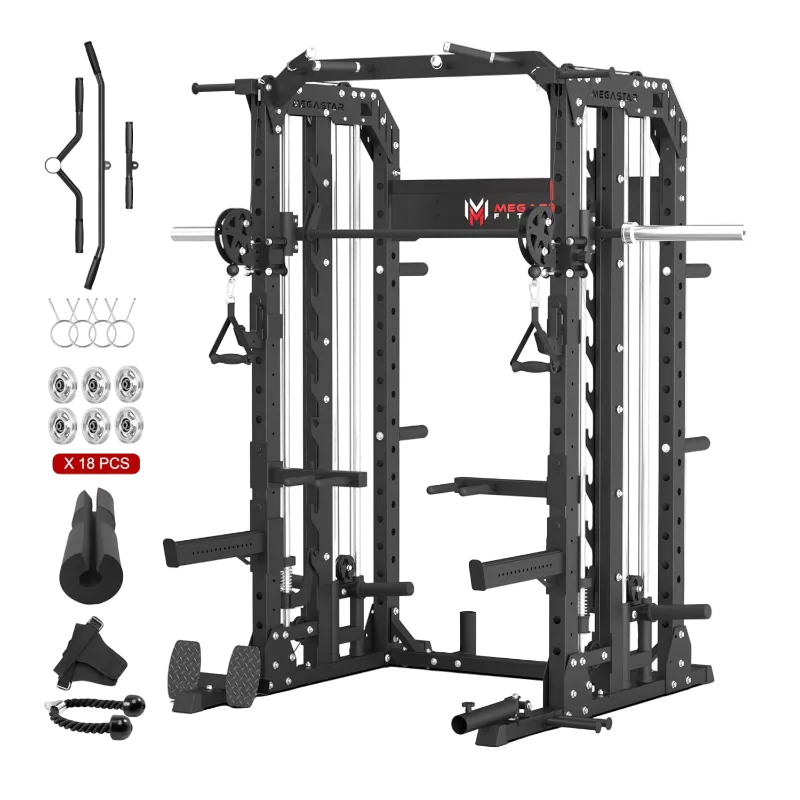
Secondary stabilizers include your calves and the muscles on the front of your shin, though they play a minor role. The isolation design is what makes this equipment different from a lying leg curl machine, which engages the glutes more heavily due to hip extension.
If your goal is pure hamstring development, a seated leg curl machine outperforms most alternatives. Compare that to a leg extension machine, which targets the quadriceps on the front of your thigh, or a leg extension and curl machine, which combines both movements in one frame but requires switching positions.
Seated Leg Curl Machine Form and Positioning
Correct form determines whether you feel results or just go through the motions. Here’s how to set up and execute each rep:
- Adjust the seat height so your knees align with the pivot point of the machine
- Position the leg pad just above your ankles, on the lower shin
- Sit with your back against the pad and grip the handles on either side
- Keep your feet flexed and your knees bent at roughly 90 degrees
- Curl the leg pad toward the back of your thighs, pause for one second at the peak
- Lower under control to the starting position without locking your knees out
Most people miss gains by using momentum or bouncing the weight. The hamstring works hardest during the lowering phase, so spend 2-3 seconds returning to start. This eccentric emphasis builds strength and muscle faster than rushing reps.
Head position matters too. Looking straight ahead or slightly down prevents neck strain. Avoid craning your head to watch the leg pad move, which creates tension in the upper traps and lower back.
For detailed guidance on form, How To Do Seated Leg Curls breaks down each step with video cues.
Seated Leg Curl Machine vs Alternatives
If you’re deciding between equipment types, here’s how the seated leg curl machine compares:
| Machine Type | Primary Muscle | Ease of Setup | Best For |
|---|---|---|---|
| Seated leg curl machine | Hamstring | Immediate | Pure hamstring isolation |
| Lying leg curl machine | Hamstring + Glute | Moderate | Glute involvement preferred |
| Leg extension machine | Quadriceps | Immediate | Front-of-thigh strength |
| Leg extension and curl machine | Both | Moderate | Space-saving combo |
A hamstring curl machine is the umbrella term for both seated and lying versions. The seated position wins for isolation because your hips stay fixed, eliminating the glute contribution that lying machines allow.
If you have limited space, a leg extension and curl machine saves room while letting you train both the quads and hamstrings. However, switching between positions between sets costs time. For a dedicated hamstring focus, the single-purpose seated leg curl machine is more efficient.
Some lifters skip isolation machines altogether and use a smith machine home gym for Romanian deadlifts or Nordic curls. These approaches work, but they engage the lower back and require more recovery energy than a seated leg curl machine.
Seated Leg Curl Machine How to Adjust
Proper adjustment takes 30 seconds and changes your entire experience. Most models have two key settings:
- Seat height: Your knee should sit at the same height as the machine’s pivot point. Too high or low changes the angle and reduces hamstring tension
- Leg pad distance: Adjust the pad forward or backward so it rests comfortably on your lower shin, not your feet or upper shin
- Backrest angle: Some machines let you recline slightly, which reduces lower back strain for people with existing tightness
Before loading weight, test the range of motion with the pin on the lightest setting. Your knees should bend smoothly without pinching, and your feet should stay stable throughout.
Check your adjustment every few sessions, especially if different people use the machine. A leg curl equipment setup shared across a home gym or commercial facility gets bumped around, so quick spot-checks prevent form breakdowns.
Which Seated Leg Curl Machine Model Works Best
The seated leg curl machine from Megastar Fitness uses a straightforward cable-and-pad design typical of this style of equipment. For budget buyers, the leg curl equipment line offers a simpler build at a lower price.
If you want a multi-muscle approach, the leg extension and curl machine pairs quad and hamstring work in one frame, reducing equipment clutter. For home gyms with limited space, this combo pays off.
For commercial gyms or serious home setups, Leg Curl Machines: Built for Performance – Atlantis Strength reviews industrial models built for high volume and durability.
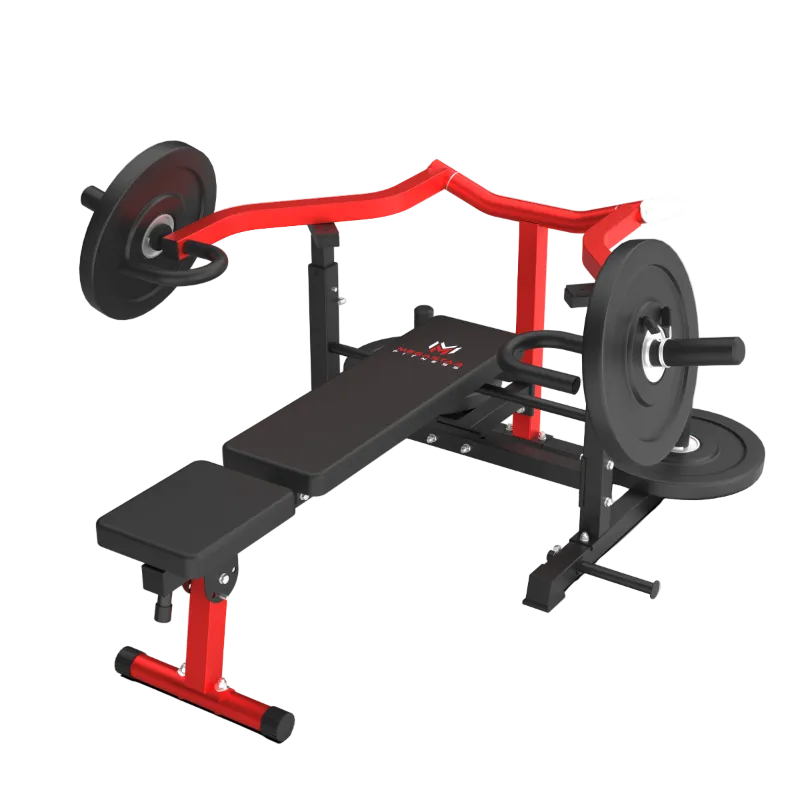
All options are available with our 5% discount code. Check the store page for current pricing and bundle deals on multiple machines like the chest press machine or exercise bench with preacher curl.
Who Needs a Seated Leg Curl Machine
A seated leg curl machine suits lifters with specific hamstring goals or those recovering from injury:
- Bodybuilders building isolated hamstring size and definition
- Athletes strengthening posterior chain without hip or lower back strain
- People rehabbing knee injuries who need controlled, low-impact movement
- Older adults seeking to preserve leg strength while seated for safety
- Home gym owners who want one piece for serious hamstring work
If your priority is functional strength or sports performance, compound moves like deadlifts should come first. But after those, a seated leg curl machine fills the role of dedicated hamstring development. FitnessAI’s seated leg curl machine how-to and alternatives explores other hamstring options if you want variety.
For the best value, grab the code before shopping. The 5% savings applies across all leg curl equipment, including the seated leg curl machine and lying leg curl machine.
Questions
What muscles does a seated leg curl machine work?
A seated leg curl machine primarily targets your hamstrings (the three muscles on the back of your thigh). The seated position minimizes glute involvement, making it a pure hamstring isolation exercise.
How is a seated leg curl machine different from a lying leg curl machine?
The seated leg curl machine locks your hips in place, isolating the hamstring. A lying leg curl machine allows more hip extension, which brings the glutes into the movement. Seated is better for pure hamstring focus.
Can you use a seated leg curl machine if you have back pain?
Yes, a seated leg curl machine is often safer for people with lower back issues because your spine stays supported and the movement avoids hip extension. Start with light weight and always maintain good posture.
How often should you use a seated leg curl machine?
Two to three times per week is typical for hamstring-focused training. Your muscles need 48 hours between sessions to recover. Beginners should start with one session per week and progress gradually.
What weight should I start with on a seated leg curl machine?
Start with a weight that lets you complete 8 to 12 reps with good form, with the last 2 reps challenging but achievable. You should feel the hamstring working, not momentum doing the work.
Is a seated leg curl machine vs leg extension machine better for overall leg strength?
Both target different muscles. A leg extension machine builds your quadriceps, while a seated leg curl machine builds your hamstrings. For balanced leg development, use both or a leg extension and curl machine that combines both.
Products in this guide
Shopping at Megastar Fitness? See the discount code
5% OFF All Orders
More in this series
Power Rack Durability: Why Wall Mounted Racks Last Longer Than Foldable Models29 Aug 20263 minBest Leg Curl Machines for Small Spaces: Foldable and Space-Saving Options29 Aug 20264 minChest Press Machine vs Smith Machine: Which Home Gym Equipment Should You Buy?29 Aug 20263 minHow to Set Up a Home Leg Day Workout Station with a Leg Extension and Curl Machine29 Aug 20264 min