 A Comfiroom guide
Recliner Rocker Won’t Recline? Common Causes and Fixes
A recliner rocker that won't recline is almost always caused by a broken release cable, a bent footrest mechanism, or a power issue — and most fixes take under 30 minutes.
A recliner rocker that refuses to recline is one of the most frustrating furniture problems you can run into, especially when all you want is to kick back after a long day. The good news is that the cause is almost always mechanical or electrical, and most repairs need nothing more than basic tools and a few minutes of your time. This guide walks you through every common culprit and how to fix it.
Why Your Recliner Rocker Won’t Recline: Quick Diagnosis
Before reaching for tools, identify which type of chair you have, because the fix depends entirely on the mechanism.
- Manual pull-tab models (the most common): a side handle or tab releases the footrest and recline.
- Power / electric models: a button or handset controls a motor that drives the recline.
- Hybrid push-back models: you push your body back against the seat to engage the recline.
Run through this quick checklist first:
- Is the chair sitting on an uneven surface? Carpet bunching under the base can jam the rocker movement.
- Is there anything lodged underneath the footrest or between the seat and the back panel?
- If electric, is the power cord fully seated, and is the outlet live?
Common Causes and How to Fix Them
1. Broken or Disconnected Release Cable
The release cable connects the side handle to the latch that unlocks the footrest and recline angle. Over time the cable frays, snaps, or simply pops off the hook.
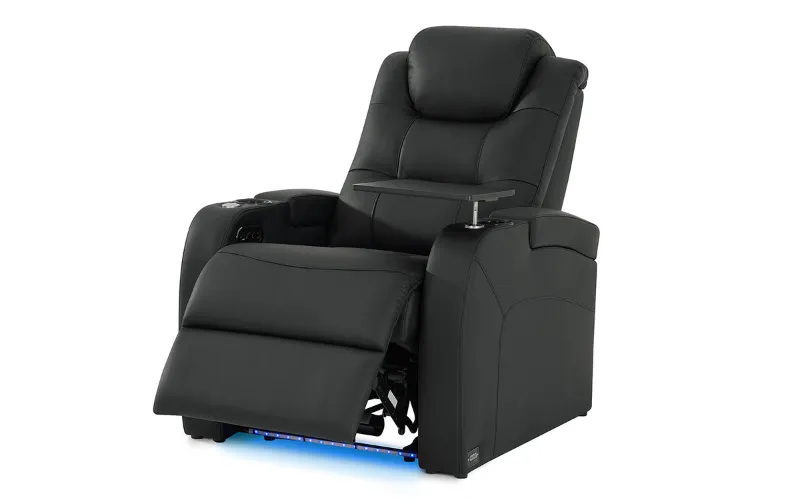
Fix: Tip the chair onto its side (ask for help, even a compact comfiroom 1-Seat is heavy). Look for the cable running from the handle down to the metal latch. If it has slipped off, re-hook it. If frayed or snapped, order a replacement cable from the chair manufacturer and thread it through the same routing path.
2. Bent or Jammed Footrest Mechanism
The scissor-style linkage that extends the footrest can bend if the chair is leaned on awkwardly or if something gets wedged underneath.
Fix: With the chair tipped on its side, inspect all the linkage bars. A slightly bent bar can sometimes be straightened with pliers. If a bar has cracked or a rivet has sheared, the affected part needs replacing. Many brands sell individual mechanism kits.
3. Broken Recliner Handle or Lever
The plastic or metal handle that triggers the release can crack, especially on older chairs.
Fix: Remove the handle (usually one or two screws), take note of the make and model printed on the underside of the chair, and order a matching replacement. Generic universal handles fit many leather recliner and fabric models and cost very little.
4. Power / Motor Failure on Electric Models
A recliner rocker electric model adds a motor and control board into the equation. Failure points include:
- Tripped circuit or dead outlet
- Pinched or frayed power cord
- Faulty handset or control module
- Burned-out motor
Fix: Start simple: test the outlet with another device, inspect the cord for visible damage, and try a replacement handset if the motor runs when tested directly. If the motor itself is dead, contact the manufacturer, motors are usually covered under warranty.
5. Loose or Stripped Bolts in the Base
Rocking motion creates constant vibration, which slowly loosens the hardware holding the recline mechanism to the seat frame. A mechanism that floats instead of locking in place often comes down to stripped or missing bolts.
Fix: Tighten every bolt you can reach from underneath. Replace any stripped fasteners with the same thread size and add a nylon lock-nut to keep them from vibrating loose again.
6. Worn-Out Spring or Tension Adjuster
Many manual chairs have a tension knob under the seat that controls how much resistance you feel when reclining. If the spring behind it breaks, the chair either won’t recline at all or flops back without resistance.
Fix: Locate the large knob or wing-nut under the front of the seat. Try adjusting it first. If the chair still won’t engage, the internal spring needs replacing, a job that’s straightforward once the bottom dust cover is removed.
Recliner Rocker Maintenance: Preventing Problems Before They Start
For a deep dive on what to look for when buying or maintaining chairs, Rocker Recliner Chairs is a useful reference for comparing mechanisms across styles.
Keep your chair in good shape with these habits:
- Lubricate the mechanism twice a year with a light machine oil or silicone spray on all pivot points and linkage bars.
- Check and tighten bolts every six months, especially if the chair is used daily.
- Keep cables clear of the rocker base so they don’t get pinched during the rocking motion.
- Don’t exceed the rated weight capacity: exceeding it is the single fastest way to bend linkage bars.
When to Repair vs. Replace
| Situation | Repair | Replace |
|---|---|---|
| Cable snapped, handle broken | Yes, cheap parts | No |
| Bent linkage bar | Maybe, if straightenable | If cracked or sheared |
| Motor dead (in warranty) | Yes, claim warranty | No |
| Motor dead (out of warranty) | Only if chair is high quality | Yes |
| Frame cracked or weld broken | Rarely worth it | Yes |
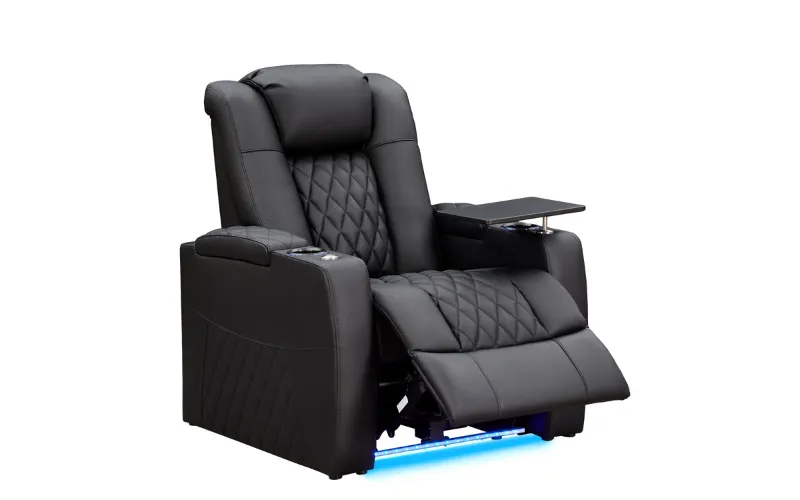
If your chair is beyond saving, it is worth upgrading rather than patching. A dedicated swivel rocker recliner for small spaces or a best rocker recliner for small spaces can make a genuine difference in both comfort and longevity. The recliner rocker from Comfiroom is built with a reinforced metal mechanism that avoids most of the weak points described above. You can check the latest price and grab a 25% off code before you buy.
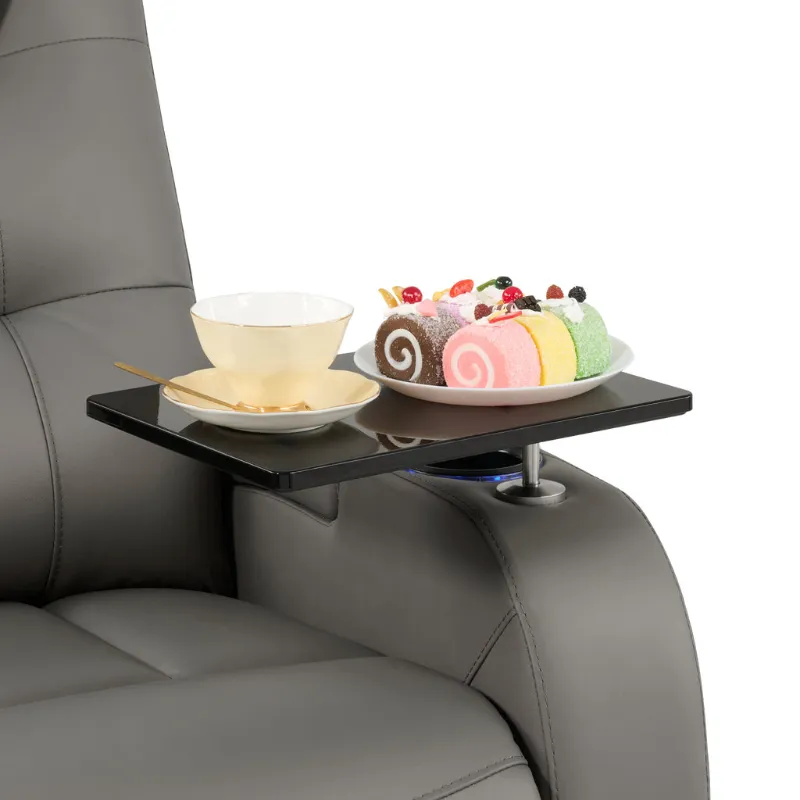
For households that want coordinated seating, the couch recliner pairs cleanly with a standalone rocker, and you can add a swivel table for recliner to keep drinks and remotes within reach without straining the mechanism by leaning out of the chair.
For a broader look at how rocker recliners are categorized by mechanism and fabric type, Rocker Fabric Recliners gives a clear overview worth bookmarking.
Choosing a Replacement: What to Look For
If you decide a new chair is the right call, prioritize these features to avoid repeating the same problems:
- Steel or cast-iron mechanism over stamped aluminum, far more resistant to bending.
- Replaceable cable and handle: confirm spare parts are available before you buy.
- Smooth rocker base with stop tabs so the rocking motion can’t accidentally engage the footrest latch.
- Padded seat depth of at least 19 inches for proper lumbar support when reclined.
- Warranty that covers the mechanism, not just the upholstery.
A leather recliner rocker adds easy-clean upholstery to the mix, which is especially handy in a nursery setup where a rocking recliner chair for nursery or power rocker recliner for nursery needs to withstand regular cleaning. Check the current Comfiroom offer to see what is in stock and whether the discount code applies to your preferred model.
Questions
What is the most common reason a recliner rocker won't recline?
The most common cause is a broken or disconnected release cable, the cable that runs from the side handle to the metal latch under the seat. It either snaps over time or pops off its hook, and re-attaching or replacing it usually solves the problem.
Can I fix a recliner rocker myself, or do I need a technician?
Most repairs (including cable replacement, handle swaps, bolt tightening, and lubrication) are straightforward DIY jobs that require only basic tools like pliers and a screwdriver. Motor replacements on electric models are the main exception, and those are often covered under the manufacturer warranty.
How do I fix a power recliner rocker that won't respond to the button?
Start by testing the wall outlet, then inspect the power cord for pinched or frayed sections, and try a replacement handset if one is available. If the motor runs when tested directly but the button does nothing, the control module is likely faulty and needs replacing.
Why does my recliner rocker rock fine but won't lock into a reclined position?
This usually points to a worn or broken tension spring, a stripped bolt letting the mechanism float, or a latch that is no longer catching properly. Tightening all the bolts under the seat and testing the tension adjuster knob are the first steps to try.
How often should I lubricate my recliner rocker mechanism?
Twice a year is a good baseline for a chair used daily, apply a light machine oil or silicone spray to all pivot points and linkage bars. If you hear squeaking or feel stiffness before the six-month mark, lubricate sooner.
Is the Comfiroom recliner rocker suitable for use in a nursery?
Yes, a rocker recliner designed for small spaces with a smooth, controlled rocking motion works well in a nursery setting. Look for a model with a gentle rocker base and easy-clean upholstery, and check the current Comfiroom lineup for options that fit nursery dimensions.
Products in this guide
 Shopping at Comfiroom? See the discount code
25% OFF
Shopping at Comfiroom? See the discount code
25% OFF