 A SHRKco guide
Real vs. Replica Shark Teeth: How to Spot Authentic Fossils in Jewelry
Real shark tooth fossils in jewelry like 14k yellow gold shark stud earrings have specific weight, texture, and color markers that separate authentic pieces from modern replicas.
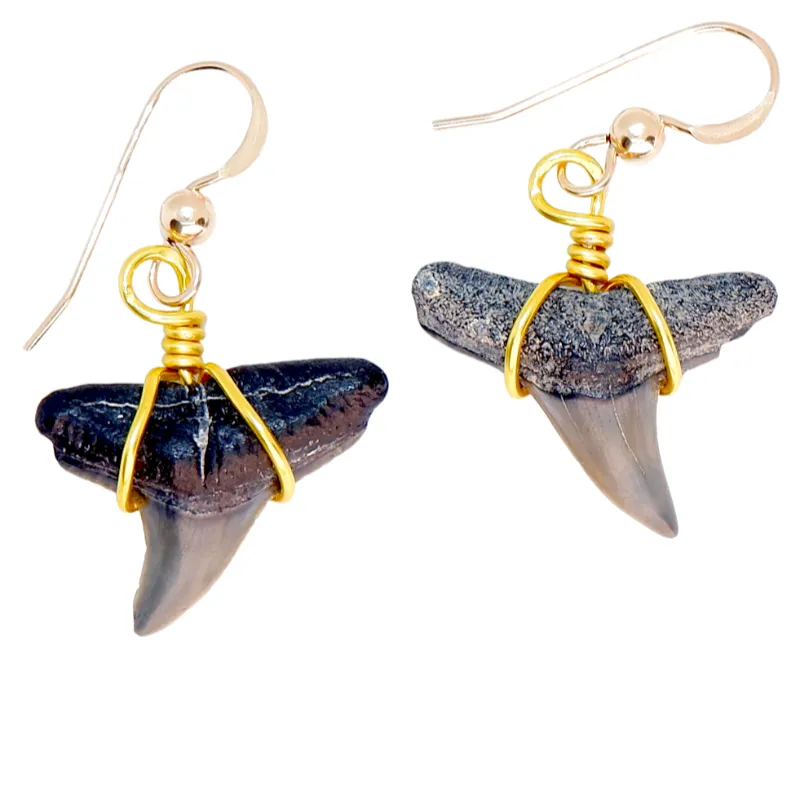
Real shark tooth fossils in jewelry like 14k yellow gold shark stud earrings have specific weight, texture, and color markers that separate authentic pieces from modern replicas. Whether you’re buying a shark tooth necklace, fossil studs, or any piece with teeth set in precious metals, knowing how to verify authenticity protects your investment and ensures you’re getting genuine geological history, not a manufactured copy.
What Makes a Shark Tooth Real
Authentic shark teeth come from specimens that are millions of years old. Real shark tooth fossil material shows clear signs of age: natural patina, mineralization, weight density that feels substantial in hand, and surface textures that vary across the tooth. A genuine tooth won’t look factory-uniform. Each one carries tiny scratches, weathering marks, and color variation from its time in sediment.
Replicas, by contrast, are usually cast from molds or 3D-printed to look “perfect.” They feel lighter, have uniform coloring, and often show telltale seam lines or air bubbles if you look closely. Modern fakes may also have a plastic-like sheen rather than the matte, slightly chalky finish of fossilized material.
Color and Patina Clues
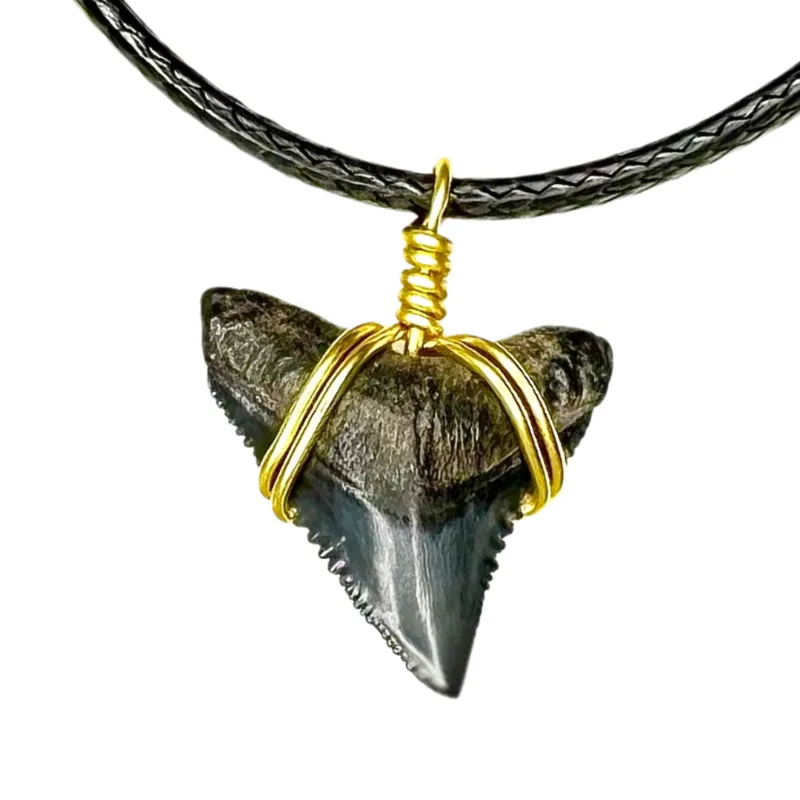
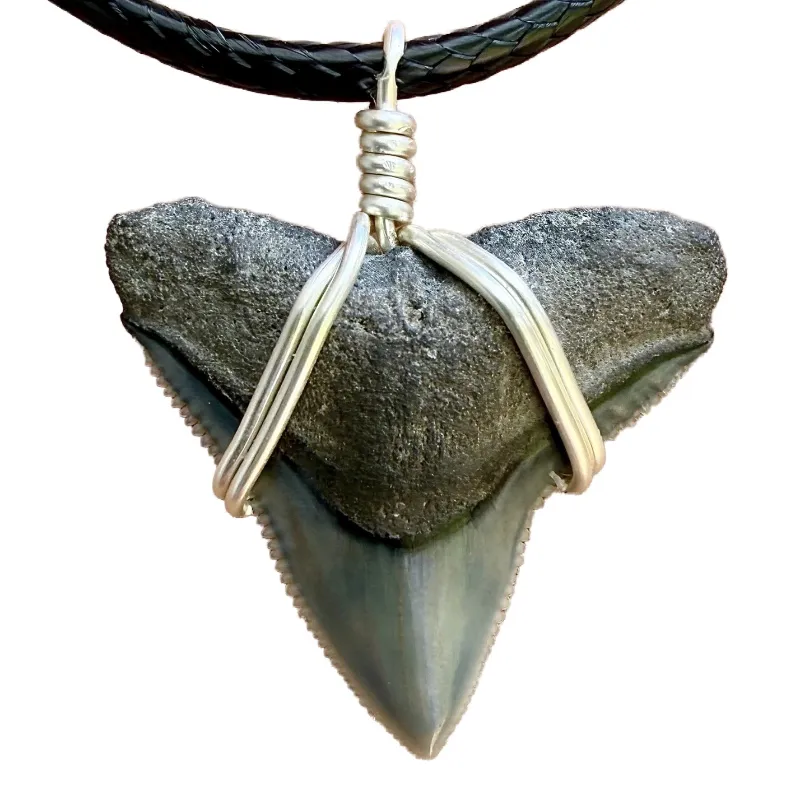
Real fossilized shark teeth range from dark gray and charcoal to amber, rust, and even black depending on their mineral content and burial environment. A shark tooth necklace featuring genuine material will show color variation across the surface, not a uniform dye job. The tip may be darker than the root, or you might see striations and subtle gradations that no printer can replicate.
Replicas tend to have that “too-clean” appearance. The color is often flat and even, sometimes with an artificial gloss. If a tooth looks like it was spray-painted all one shade, it’s likely not real. Authentic fossilized shark tooth pieces develop their patina naturally over millennia, something modern manufacturing can’t convincingly fake.
Weight and Density
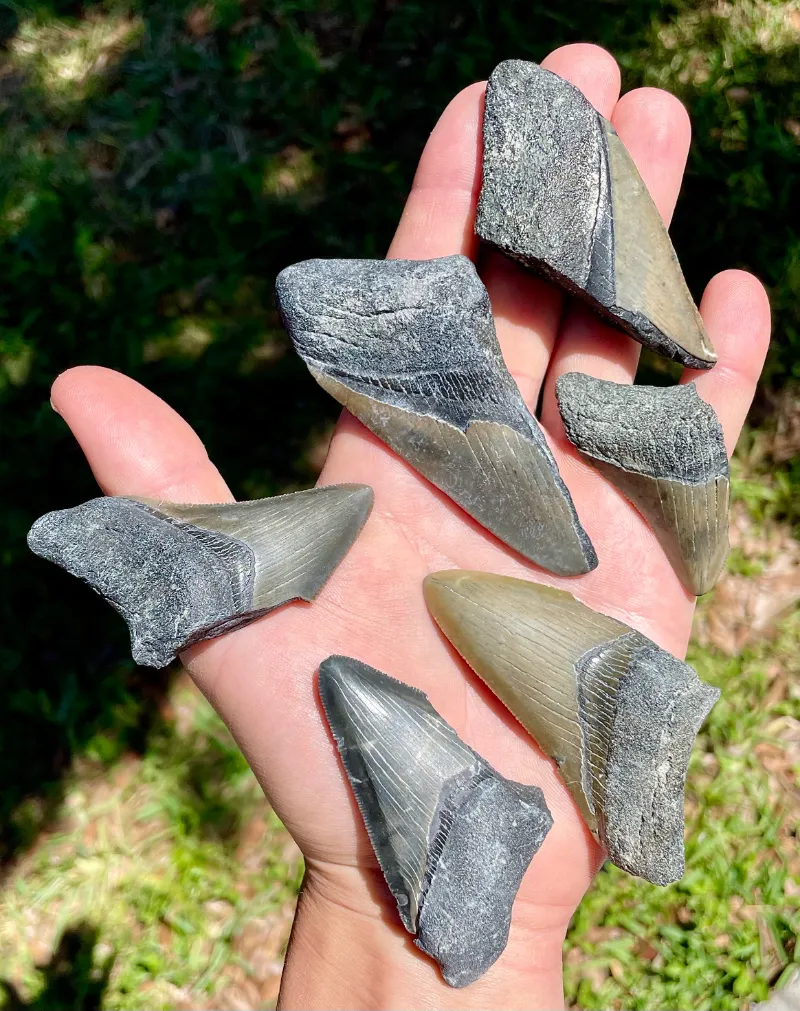
Pick up a real petrified tooth and you’ll notice it feels solid and heavy for its size. Fossil material is dense from millions of years of mineral replacement and compression. A genuine specimen will have real heft. Replicas made from resin, plastic, or low-quality stone feel noticeably lighter and often hollow if they’re not completely solid castings.
When evaluating petrified teeth in a piece like a stud earring or pendant, the weight difference becomes obvious once you handle both real and fake side by side. This tactile test is one of the fastest red flags for spotting counterfeits in jewelry.
Surface Texture and Root Structure
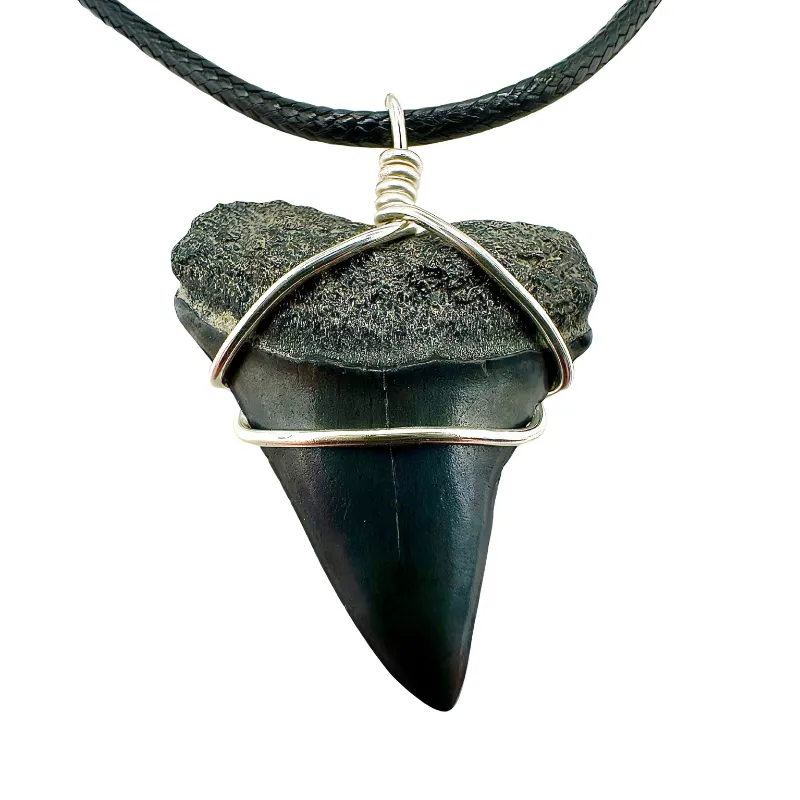
Authentic fossils show natural variation in their root structure. Real fossil shark tooth necklace pieces have roots that are often pitted, irregular, or worn flat depending on how the tooth fossilized and was recovered. The root might have small cracks, sediment impression marks, or uneven edges.
Replica teeth typically have roots that are too perfect or too smooth. Molds and 3D printing tend to produce uniform surfaces. Look for:
- Irregular pitting and natural wear on the root
- Slight asymmetry in shape
- Small cracks or fracture lines that look weathered, not fresh
- Color variation between the crown (pointed part) and root
These markers take time to develop naturally and are nearly impossible to fake convincingly.
Authentication When Buying Jewelry
Before purchasing 14k yellow gold shark stud earrings or any fossil jewelry, ask the seller for details about the tooth’s origin and age. Reputable dealers can tell you the geological period, approximate location of recovery, and often provide documentation. SHRKco sources genuine material and stands behind authenticity, you can grab the code for 15% off orders and shop with confidence.
When you receive your piece, examine it under good lighting. Compare it to photos of authenticated specimens online. If a price seems too low for genuine fossil material set in precious metal like 14k gold, that’s a warning sign. Real fossilized shark teeth carry a premium because they’re rare and genuinely ancient.
Comparing Real Fossils to Modern Alternatives
| Feature | Real Fossilized Shark Tooth | Replica/Cast Tooth |
|---|---|---|
| Weight | Dense and substantial | Light, often hollow |
| Color | Varied, natural patina | Uniform, flat appearance |
| Root | Irregular, naturally worn | Smooth, mold-perfect |
| Surface | Pitted, weathered texture | Uniform gloss or matte |
| Price | Higher for precious metal settings | Noticeably cheaper |
Real shark necklace pieces and 14k yellow gold shark stud earrings from trusted sources justify their cost because authentic material has genuine provenance. If you want fossil shark teeth jewelry, investing in authentic pieces means you’re wearing actual prehistoric material, a tangible connection to natural history that replicas simply can’t offer.
For context on why shark teeth are prized in jewelry, explore the history and design of shark stud earrings across brands, which shows how designers balance authenticity with craftsmanship in precious metal settings like 14k gold.
Where to Buy Verified Authentic Pieces
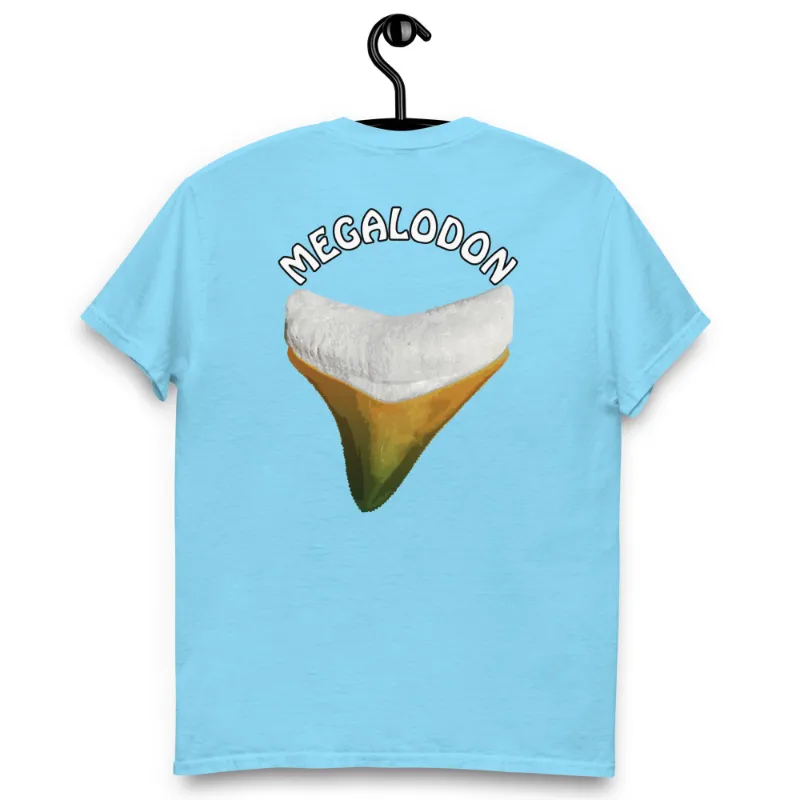
SHRKco specializes in genuine shark tooth jewelry and fossil pieces. Whether you’re after 14k yellow gold shark stud earrings, a shark tooth necklace, or statement pieces like a megalodon shirt or megalodon shark costume, the store sources real material and pairs it with quality metalwork. Check the latest price and current offers to ensure you’re getting the best deal on authenticated fossils.
Questions
How can I tell if my shark tooth jewelry is real?
Real shark teeth feel heavy and dense, show natural color variation and patina, and have irregular, weathered root structures. Replicas feel lighter, have uniform coloring, and smooth mold-like roots. Compare your piece to authenticated specimens online and purchase from reputable dealers.
Are 14k yellow gold shark stud earrings always made with real fossil teeth?
Not always. Some sellers use cast replicas in precious metal settings. Buy from trusted sources like SHRKco that verify authenticity and document the origin of their material. Ask the seller for provenance before purchasing.
What's the difference between a fossilized shark tooth and a replica?
Fossilized shark teeth are millions of years old and show natural wear, mineralization, and weight density from their time in sediment. Replicas are modern casts or 3D prints that look too uniform and feel lighter. Real fossils have unique patina and surface texture that manufacturing can't convincingly replicate.
Why do real shark tooth fossils cost more than replicas?
Authentic fossilized shark teeth are rare, millions of years old, and require expert recovery and authentication. Real material set in precious metals like 14k gold commands a premium because you're owning genuine prehistoric artifacts, not manufactured reproductions.
Can I find authentic shark tooth fossil jewelry at a bargain price?
Authentic pieces set in quality metals will rarely be extremely cheap. If a shark tooth necklace or pair of studs seems too inexpensive, it's likely replica material. Look for sellers like SHRKco that offer fair pricing with legitimate discounts rather than suspiciously low base prices.
How do I know if a shark tooth necklace has a real fossil or a cast replica?
Examine the tooth's root, real fossils have irregular, naturally worn roots with pitting and asymmetry. Replica roots are too smooth and uniform. Real teeth also vary in color and show natural patina across the surface. If it looks mass-produced and perfect, it's likely a replica.
Products in this guide
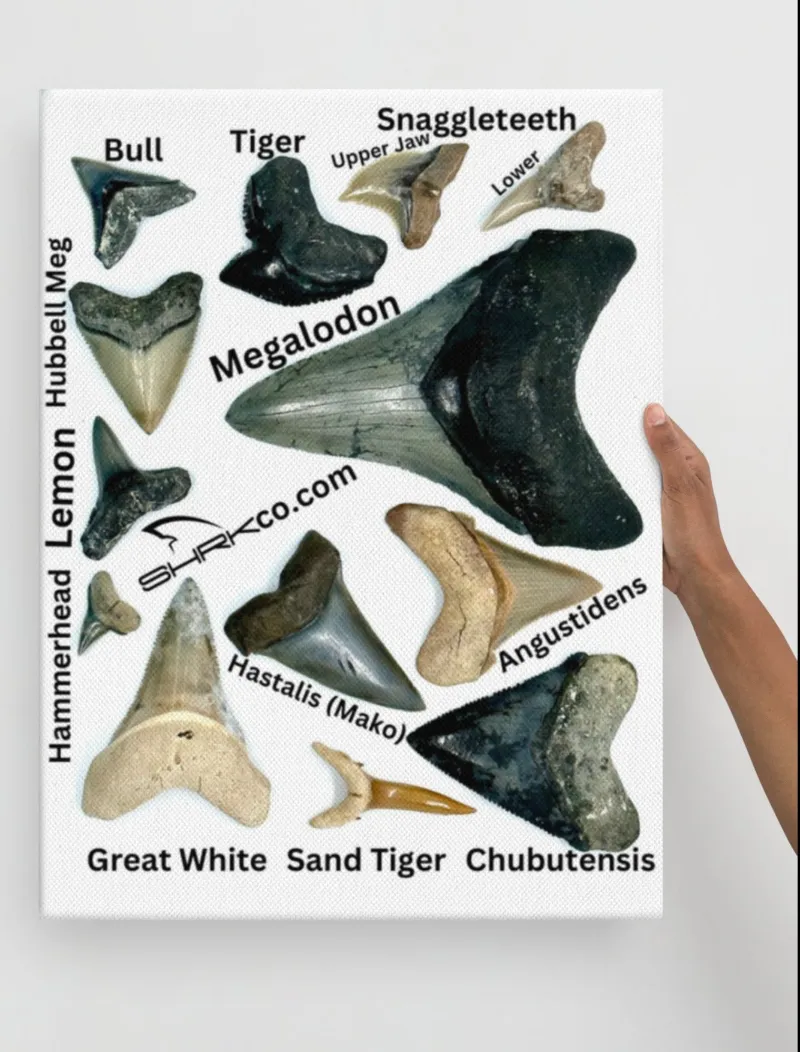 Shopping at SHRKco? See the discount code
15% OFF All Orders
Shopping at SHRKco? See the discount code
15% OFF All Orders
More in this series
 Why Megalodon Shark Teeth Command Premium Prices1 Sep 20264 minBest Shark Tooth Necklace Styles for Everyday Wear and Special Occasions1 Sep 20265 minDo Fossilized Shark Teeth Jewelry Last? Durability and Care Guide1 Sep 20264 min14K Yellow Gold Shark Stud Earrings: Are They Worth the Investment?1 Sep 20264 min