 A Autel US guide
How to Program Car Keys With the Autel KM100 Key Programmer
The autel km100 key programmer lets you add new keys and handle all-keys-lost situations for dozens of vehicle makes in minutes without a dealer trip.
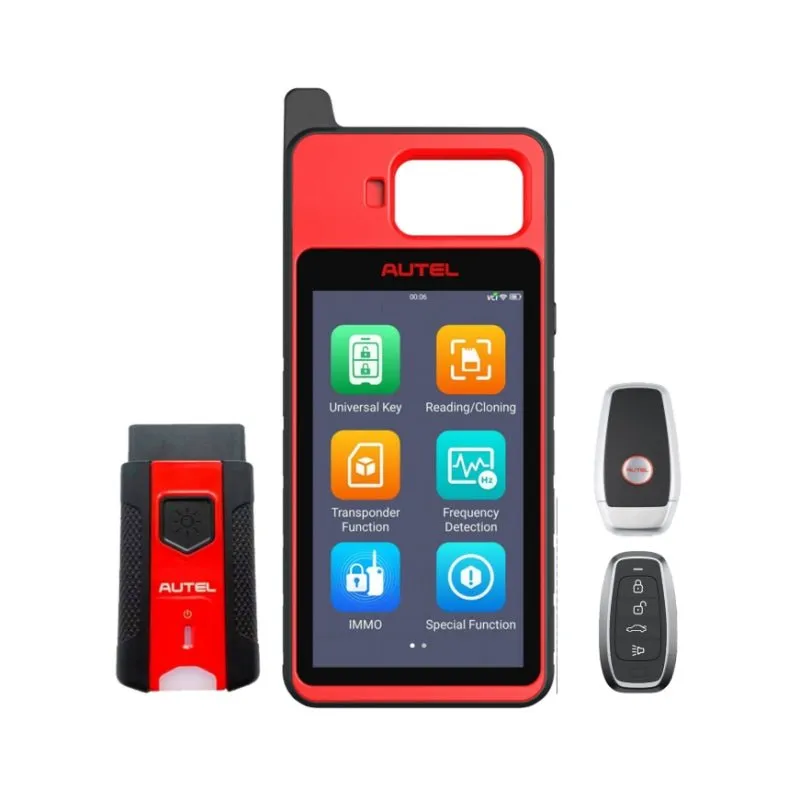
The autel km100 key programmer walks you through adding new keys and recovering all-keys-lost situations for dozens of vehicle makes in minutes, using on-screen prompts that guide each step. You connect the tool to the OBD-II port, follow the menu to your vehicle’s year and model, and the autel km100 handles EEPROM reading and immobilizer programming without needing a laptop or separate dongles.
What the Autel KM100 Key Programmer Does
The autel km100 key programmer combines EEPROM chip reading, immobilizer reset, and key generation in a single handheld unit. You select your vehicle from the autel km100 vehicle list, and the tool reads the immobilizer data directly through the OBD port or via the included EEPROM clips when OBD programming is not supported. The device writes new key data to blank transponders and syncs them with the car’s engine control unit so the vehicle starts.
Core functions include:
- Add key when you already have at least one working key
- All keys lost programming to create a new master key from scratch
- Remote programming to pair key fobs and proximity remotes
- EEPROM reading via clip cables for vehicles that block OBD immobilizer access
- Key generation using the built-in key-cutting database for supported models
The tool ships with OBD cables, EEPROM clips, and a carrying case. For current pricing and our exclusive code, check the latest price on the Autel US store.
Step-by-Step: Programming a New Key
Here’s the standard workflow for programming a spare key when you already have one working key.
Preparation
- Gather materials: one working key, one compatible blank transponder, and the autel key programmer fully charged.
- Plug into OBD-II: locate the port under the steering column and connect the KM100’s OBD cable.
- Turn ignition to ON: do not start the engine; accessories and dash lights should illuminate.
Programming Process
- Select Immobilizer > Add Key from the home screen.
- Choose Ford > Escape > 2018 from the vehicle menus. The autel km100 vehicle list organizes models by year, so scroll carefully.
- Follow on-screen prompts: insert the working key, turn ignition off, then remove it. Next, insert the new blank key and turn ignition on.
- Wait for confirmation: the KM100 reads the immobilizer, writes the new key ID, and displays “Key programmed successfully” once complete.
- Test the new key: turn the ignition off, remove the new key, reinsert it, and start the engine to confirm it works.
The Autel Diagnostic Scan Tool KM100 is available through major retailers, but ordering direct with our discount code often saves you 5% on all orders.
Handling Autel KM100 All Keys Lost Scenarios
When every key is missing or broken, the autel km100 all keys lost function bypasses the need for an existing key by resetting the immobilizer memory. This process requires EEPROM access on most vehicles, meaning you connect the tool’s clip cables directly to the immobilizer chip on the circuit board.
All-Keys-Lost Workflow
- Remove the immobilizer module: on many Toyota and Nissan models, this means removing the dashboard trim to access the ECU or immobilizer box.
- Locate the EEPROM chip: the KM100’s vehicle guide shows a diagram of the chip location (usually a small 8-pin IC labeled 93C66 or similar).
- Attach EEPROM clips: connect the color-coded clips to the chip pins while the module is powered off.
- Select All Keys Lost in the tool menu, then follow prompts to read, erase, and rewrite the immobilizer data.
- Program the new key: once the immobilizer is reset, the tool guides you through adding a fresh master key.
This procedure takes 20 to 40 minutes depending on how easily you can access the immobilizer. Some European models require removing the steering column, so check the autel km100 vehicle list pdf (available in the tool’s help section) before starting.
Autel KM100 Vehicle Compatibility
The KM100 covers more than 80% of vehicles sold in North America, Europe, and Asia from 1996 onward, but coverage varies by function. OBD key programming works on most domestics and many Asian imports, while European and luxury brands often require EEPROM access.
| Brand | OBD Add Key | All Keys Lost | Notes |
|---|---|---|---|
| Ford, Lincoln | Yes | EEPROM only | 2000 to 2023 models |
| Toyota, Lexus | Yes | EEPROM only | Includes smart keys 2010+ |
| Nissan, Infiniti | Yes | EEPROM only | Proximity keys supported |
| Honda, Acura | Limited | EEPROM only | 2018+ may need autel im608 |
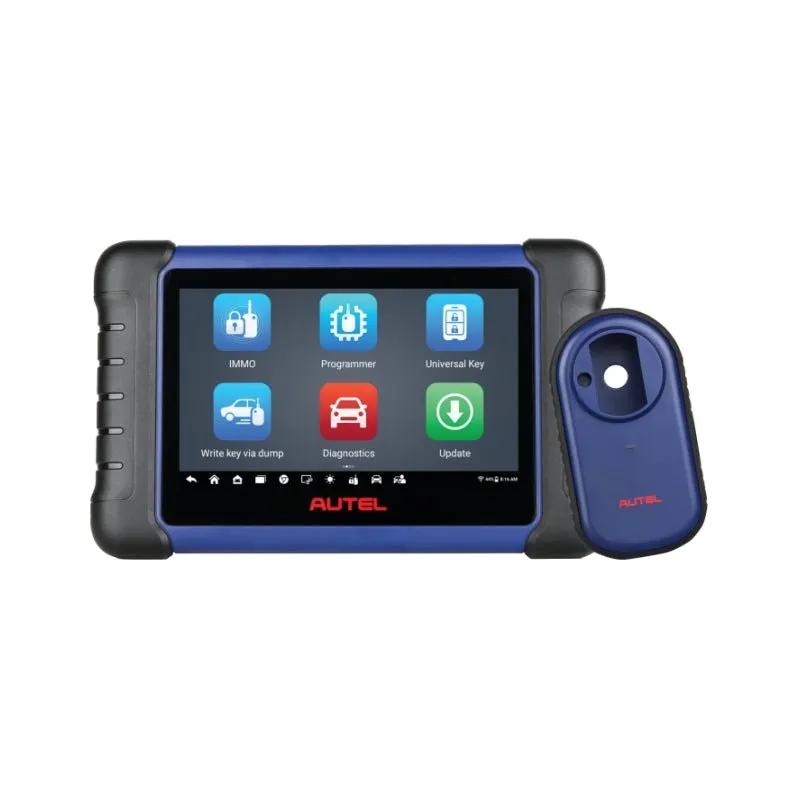
For a complete breakdown, download the autel km100 vehicle list pdf from the manufacturer’s support page or view it in the tool’s Info menu. If your vehicle is not listed, the autel im508 or autel maxisys ultra offer broader immobilizer databases and can pair with the KM100 for advanced functions.
When You Need Additional Autel Tools
The KM100 is purpose-built for key programming, so it does not run diagnostic scans or read fault codes. Pairing it with a autel scanner like the autel maxicom mk808 lets you clear immobilizer-related trouble codes after programming and verify that the engine control module recognizes the new key.
Recommended companion tools:
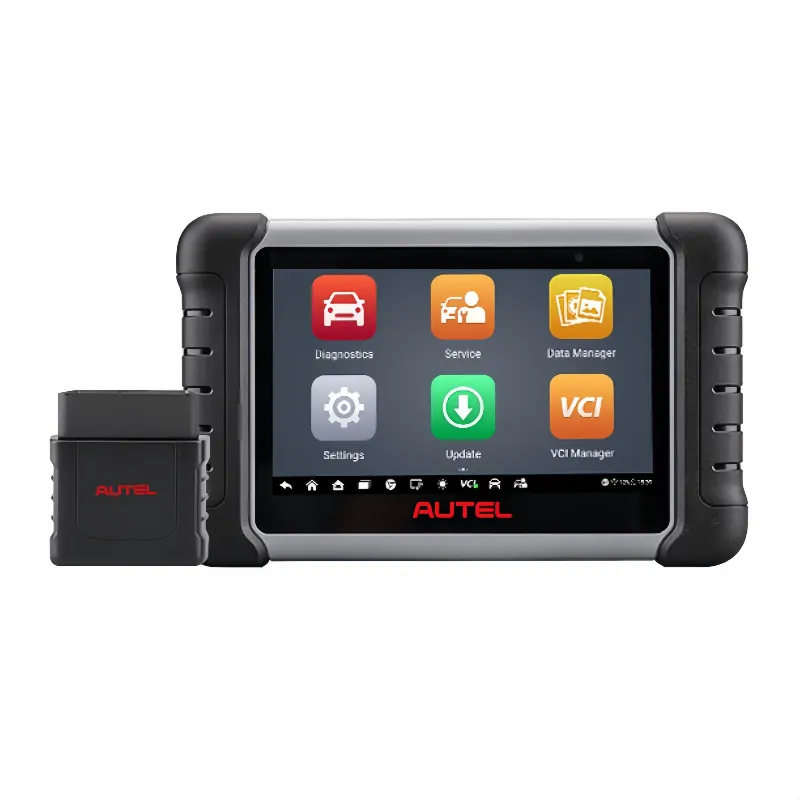
- Autel MK808 for OBD-II diagnostics and DTC clearing
- Autel MX900 or Autel MaxiCheck MX900 for bi-directional control and advanced module coding
- Autel TPMS tool to program tire-pressure sensors when replacing key fobs that include TPMS triggers
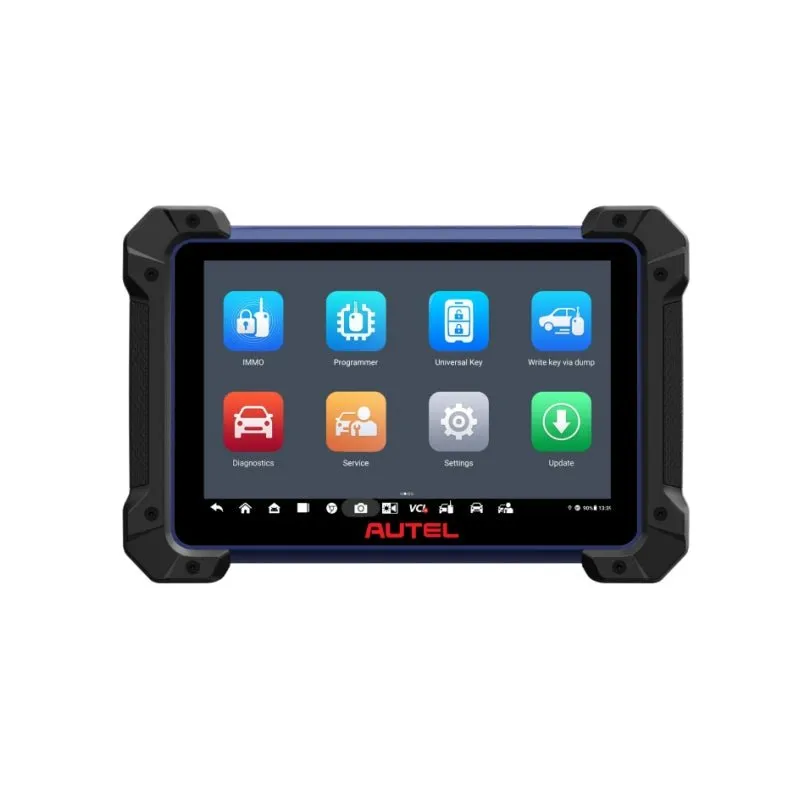
If you program keys regularly and need TPMS, diagnostics, and immobilizer functions in one device, the autel im608 bundles all three and shares the same vehicle database as the KM100. Grab the current bundle discount by visiting our Autel US discount code page.
Tips for First-Time Users
Read the vehicle notes before you start. The KM100 displays specific instructions for each model, including whether you need to remove modules or perform a security gateway login. Skipping this step can cost you significant extra time if your vehicle needs an additional security code that isn’t obvious at first.
Charge the tool fully before tackling all-keys-lost jobs. EEPROM operations drain the battery faster than OBD programming, and losing power mid-write can brick the immobilizer chip.
Use OEM or high-quality blanks. OEM blanks cost more but eliminate guesswork.
Update firmware every few months. Autel releases vehicle coverage updates and bug fixes through the tool’s Wi-Fi connection. Tap Settings > System Update and let it run overnight so you do not miss newer models.
Document your work. The KM100 stores a history log of programmed keys, but we recommend photographing the VIN, key ID, and any disassembly steps in case you need to repeat the job or troubleshoot later.
The learning curve is gentle if you have basic automotive experience. The KM100 can pay for itself after five to ten key jobs compared to dealership programming fees.
Questions
Does the Autel KM100 key programmer work on all car brands?
The KM100 covers most domestic, Asian, and European vehicles from 1996 onward, but all-keys-lost programming on European and luxury brands often requires EEPROM clip access. Check the built-in vehicle list or download the compatibility PDF from Autel before purchasing.
Can I program a key if all my keys are lost?
Yes, the autel km100 all keys lost function resets the immobilizer by reading and rewriting the EEPROM chip. You will need to remove the immobilizer module and use the included clip cables, which takes 20 to 40 minutes depending on the vehicle.
Do I need a laptop or additional software to use the KM100?
No, the KM100 is a standalone handheld tool with a built-in screen and menu system. Firmware updates download over Wi-Fi directly to the device, and all programming happens through the OBD cable or EEPROM clips without a computer.
What is the difference between the KM100 and the Autel IM608?
The KM100 is dedicated to key programming and immobilizer reset, while the IM608 adds full OBD-II diagnostics, bi-directional control, and TPMS programming in one tablet. If you only program keys, the KM100 is more affordable; for multi-function work, the IM608 is the better choice.
How long does it take to program a new car key with the Autel KM100?
Adding a key when you already have one working key takes 5 to 10 minutes. All-keys-lost programming requires EEPROM access and disassembly, so plan for 20 to 40 minutes depending on how accessible the immobilizer module is.
Where can I find the Autel KM100 vehicle list?
The autel km100 vehicle list is built into the tool's menu under Info or Help. You can also download the autel km100 vehicle list pdf from Autel's support page or view compatibility notes on the product page before you buy.
Products in this guide
 Shopping at Autel US? See the discount code
5% OFF All Orders
Shopping at Autel US? See the discount code
5% OFF All Orders
More in this series
How Long Do Autel Diagnostic Tablets Last With Regular Shop Use?21 Aug 20265 min TPMS Sensor Programming: Autel TS508 vs TS508WF Comparison21 Aug 20265 minIs the Autel MaxiSys Ultra Worth It for Professional Shops?21 Aug 20264 minDo Autel Diagnostic Scanners Work on All Car Brands?21 Aug 20264 minAutel IM608 vs IM508: Which Diagnostic Tablet Is Worth the Upgrade?21 Aug 20265 min