 A Z-RAM guide
Do Pepper Balls Work in Standard .50 Caliber Paintball Markers?
We tested whether 50 caliber pepper balls work in standard paintball markers and found compatibility depends on barrel diameter, velocity limits, and marker design.
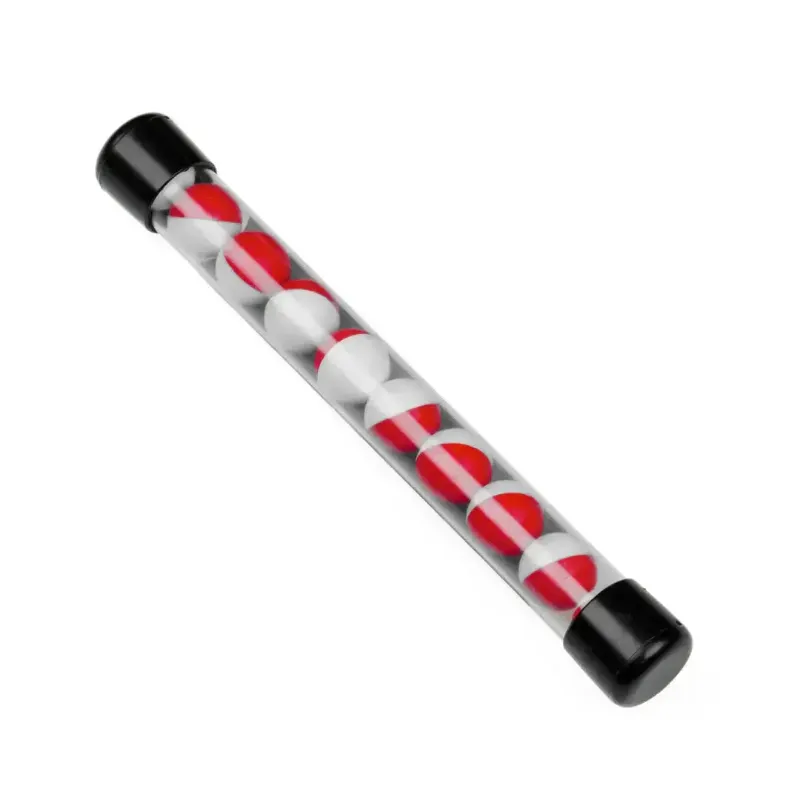
Most standard paintball markers chambered for.50 caliber will physically accept 50 caliber pepper balls, but safe and effective operation requires velocity adjustments, proper barrel fit, and confirmation that your marker can handle the harder shell construction.
The key challenge is that pepper balls are designed for law enforcement and self-defense applications with tougher shells that rupture on impact rather than in the barrel. Standard paintball markers often fire at 280-300 fps, while pepper projectiles typically perform best between 250-280 fps to ensure proper breakage without excess risk.
Caliber Compatibility and Barrel Fit
The term “.50 caliber” in paintball refers to a nominal diameter of approximately 0.50 inches or 12.7mm. Most 50 caliber pepper balls fall within this dimensional range, typically measuring 12.5-13mm depending on manufacturer tolerances.
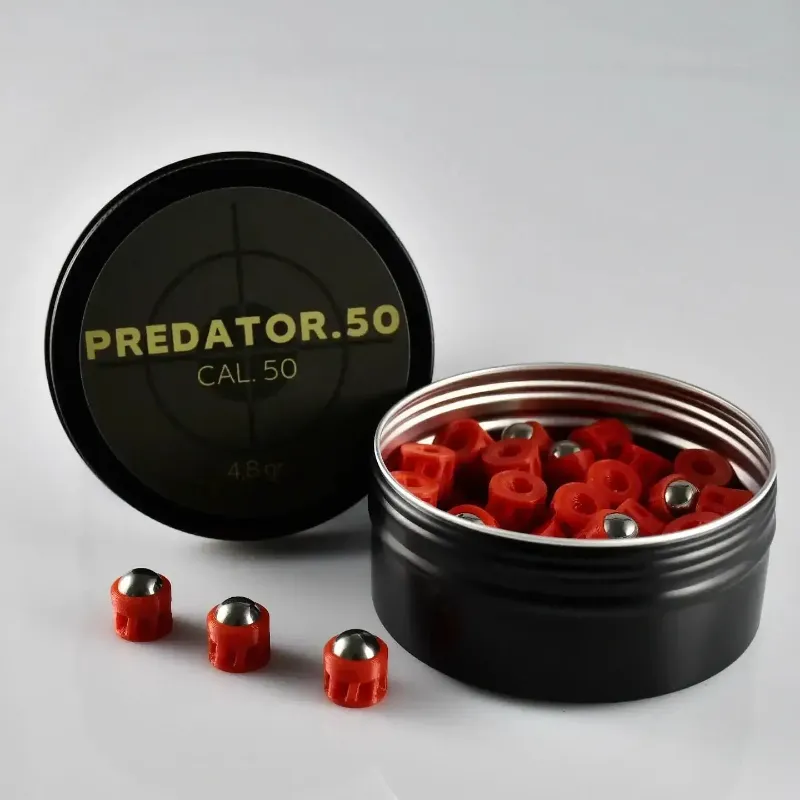
Markers like the ed 50 are built for.50 caliber ammunition and will chamber pepper balls without modification. However, barrel bore matching matters significantly:
- Overbore barrels (larger than projectile diameter) allow pepper balls to rattle, reducing accuracy and potentially causing barrel breaks
- Tight-bore barrels designed for precision paintball may create excessive friction with the harder pepper ball shell
- Mid-bore options (.500-.505 inch) typically provide the best balance for pepper projectile use
Markers originally designed for.68 caliber like the pistelle x68 or umarex hdx.68 40 joules will not work with.50 caliber pepper balls without a complete barrel and breach conversion, making cross-caliber use impractical.
Velocity and Energy Adjustments
Pepper balls require careful velocity tuning to function correctly. Unlike standard paintball fills that burst easily, pepper projectiles need sufficient impact force to rupture and disperse their irritant powder.
Most recreational paintball markers can be adjusted via:
- Inline regulators that control air pressure to the valve
- Velocity adjustment screws that limit bolt travel
- Spring tension modifications in mechanical markers
For safe pepper ball use, we recommend:
- Chronograph testing to verify 250-280 fps output
- Gradual velocity increases from 200 fps baseline
- Test firing into cardboard at 10-15 feet to confirm proper breakage
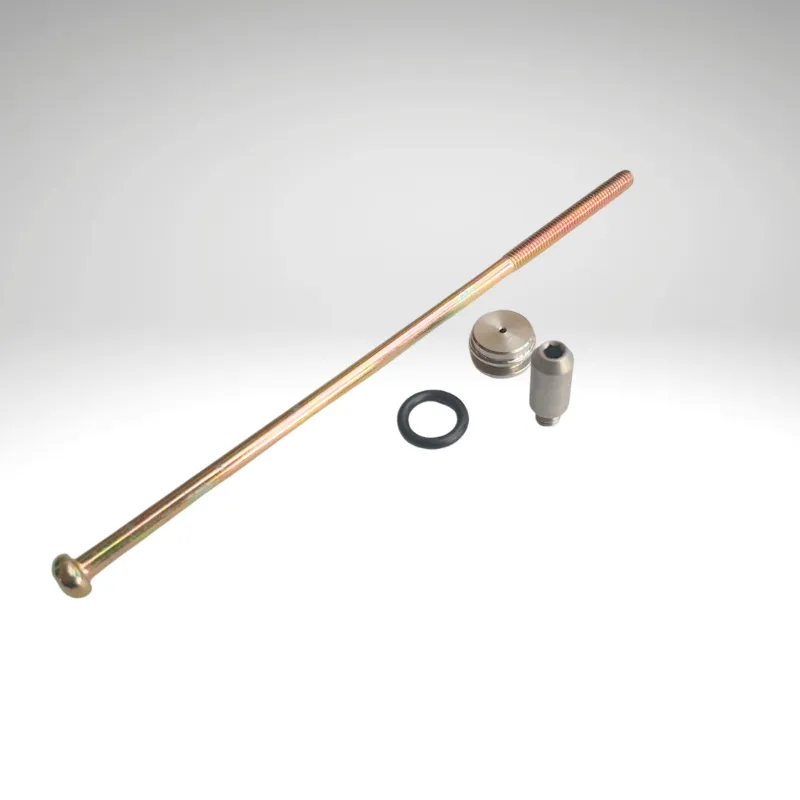
The umarex p2p dr50 how many joules specification becomes relevant here since joule output determines impact energy. Check whether your marker falls within the 7-10 joule range typical for pepper ball launchers, rather than the 12+ joules common in high-velocity paintball.
Feeding System Considerations
Pepper balls differ in weight and surface finish from standard paintball rounds, affecting how reliably they feed through hoppers and magazines.
Gravity-fed hoppers work reasonably well with pepper balls since the harder shells resist deformation. However, the smoother surface coating can cause occasional jams in agitator-style loaders designed to break up paint-to-paint sticking.
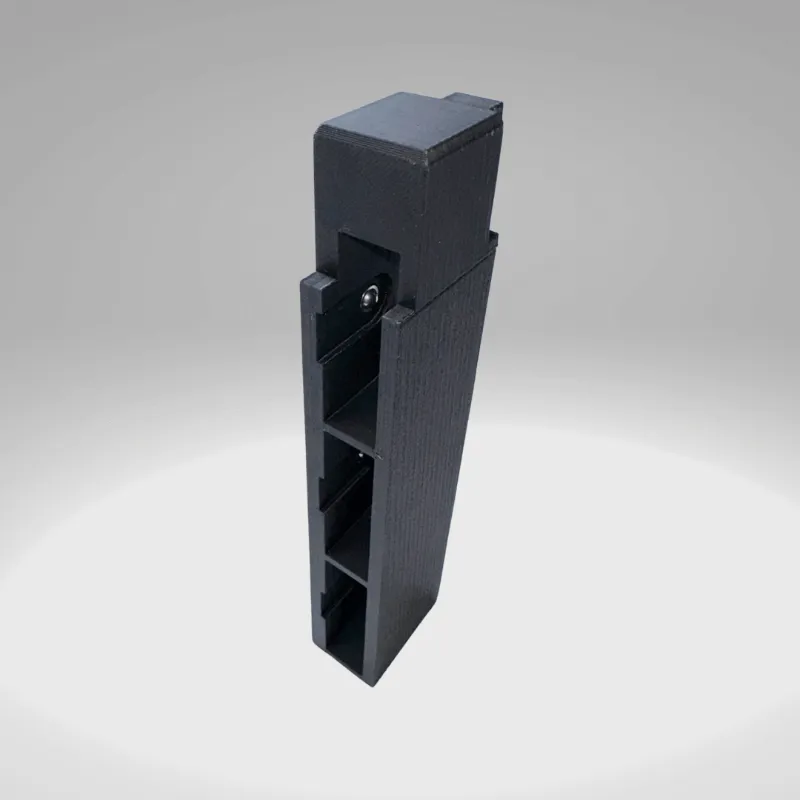
Magazine-fed systems like the tec 9 drum use spring pressure to push rounds into the breech.
Force-fed electronic hoppers may over-agitate pepper balls, potentially cracking shells before they reach the breech. If you’re using one, reduce agitation speed or switch to sound-activation mode rather than force-feed.
Markers Best Suited for Pepper Ball Use
Not all.50 caliber markers handle pepper projectiles equally. Check the manufacturer’s specifications for pepper ball compatibility before you buy.
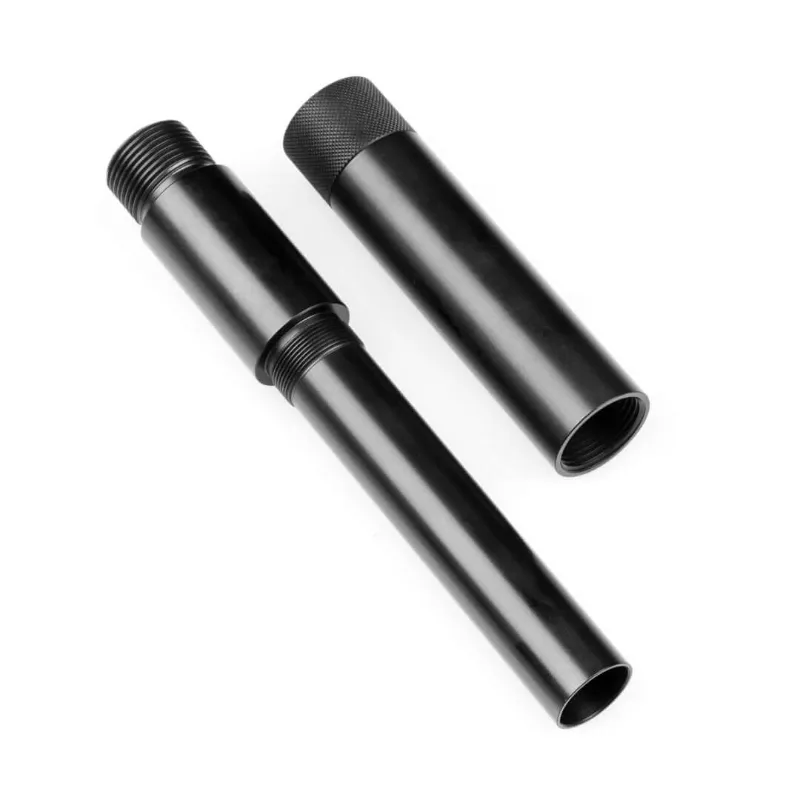
The barrel roll x200 and similar bulk paintball ammunition options work well for practice and velocity tuning before switching to actual pepper balls, since they’re significantly less expensive and share similar dimensional tolerances.
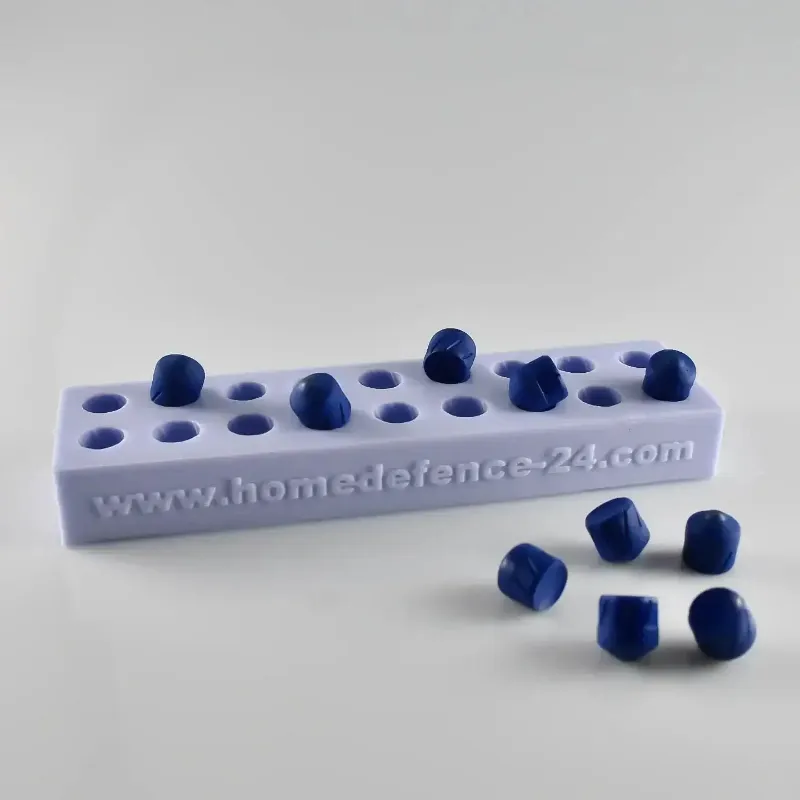
For shooters interested in creating custom practice rounds, the slug maker allows you to mold inert projectiles at home, though commercial pepper balls require specialized filling equipment and safety protocols.
Legal and Safety Considerations
Before using pepper balls in any marker, verify local regulations. Many jurisdictions classify pepper projectile launchers differently from paintball markers, and some require permits or restrict civilian ownership entirely.
We strongly recommend:
- Storing pepper balls separately from paintball ammunition
- Clear labeling of hoppers and magazines containing irritant projectiles
- Eye and respiratory protection for all participants when testing
- Outdoor testing areas with proper ventilation
Never fire pepper balls at targets closer than 10 feet, and always assume they will create an irritant cloud that affects everyone in the vicinity, including the shooter in enclosed spaces.
Where to Buy and Current Pricing
The 50 caliber pepper balls market includes both commercial defense-grade rounds and training variants. Prices fluctuate based on irritant concentration and shell quality, so check the latest price before committing to bulk purchases.
Most 50 cal pepper balls for sale from specialty retailers come in 10-round to 250-round quantities, with per-round costs dropping significantly at higher volumes. At Z-RAM, you can grab the code for an additional discount on your first order.
For comparison shooting between standard paintball and pepper projectiles, consider keeping both .68 caliber traditional rounds and.50 pepper balls on hand, though you’ll need caliber-specific markers for each.
Bottom Line
Standard.50 caliber paintball markers can fire pepper balls with proper velocity tuning and barrel matching, but success depends heavily on your specific marker’s design and adjustability. Always prioritize safety protocols, verify local laws, and test thoroughly with inert rounds before deploying live pepper projectiles.
Questions
Can I use 50 caliber pepper balls in any .50 paintball gun?
Most.50 caliber paintball markers will physically accept pepper balls, but you must reduce velocity to 250-280 fps and ensure your barrel bore matches the projectile diameter. Electronic markers with high bolt speeds often crack pepper ball shells before firing.
What velocity should I set for pepper balls?
Pepper balls perform best at 250-280 fps, lower than the 280-300 fps common in recreational paintball. Start at 200 fps and increase gradually while testing breakage on cardboard targets at 10-15 feet.
Do gravity hoppers work with pepper projectiles?
Yes, gravity-fed hoppers work reasonably well since pepper balls have harder shells that resist deformation.
Are pepper balls legal to use in paintball markers?
Legality varies by jurisdiction. Many regions classify pepper projectile launchers differently from recreational paintball markers and may require permits or restrict civilian ownership. Always verify local laws before purchasing or using pepper balls.
Can I switch between regular paintballs and pepper balls in the same marker?
Yes, if your marker allows velocity adjustment and you re-tune between ammunition types. Lower velocity for pepper balls (250-280 fps) compared to standard paintballs (280-300 fps), and clean your marker thoroughly between uses to avoid irritant contamination.
Will .68 caliber markers work with 50 caliber pepper balls?
No, the diameter difference is too significant. Markers designed for.68 caliber ammunition require complete barrel and breech conversion to accept.50 caliber projectiles, making cross-caliber use impractical.
Products in this guide
 Shopping at Z-RAM? See the discount code
6% OFF All Orders
Shopping at Z-RAM? See the discount code
6% OFF All Orders
More in this series
What to Know Before Buying the Slug Maker Ammo Mold for Custom Paintballs1 Aug 20264 minComplete Guide to Installing and Using the Tec 9 Drum Magazine1 Aug 20265 minHow Many Joules Does the Umarex P2P DR50 Actually Produce?1 Aug 20264 minUmarex HDX .68 vs Pistelle X68: Which Paintball Marker Is Right for You?1 Aug 20265 min How to Choose Between .50 and .68 Caliber Paintball Ammo for Your Marker1 Aug 20264 min