 A Sunny Life Hats guide
Do Patchwork Beanies Really Stay Warm in Fall and Winter?
A patchwork hat delivers real warmth in fall and winter when it's made with the right insulation, fit, and fabric blend.
A patchwork hat delivers real warmth in fall and winter when it’s made with the right insulation, fit, and fabric blend. Here’s what to look for.
Do Patchwork Beanies and Hats Really Insulate?
The short answer: yes, but only if the design includes dense fabric or lining. A lightweight patchwork hat with thin cotton panels won’t trap much heat. Warmth depends on three things: material thickness, lining coverage, and how well the hat seals around your ears and neck.
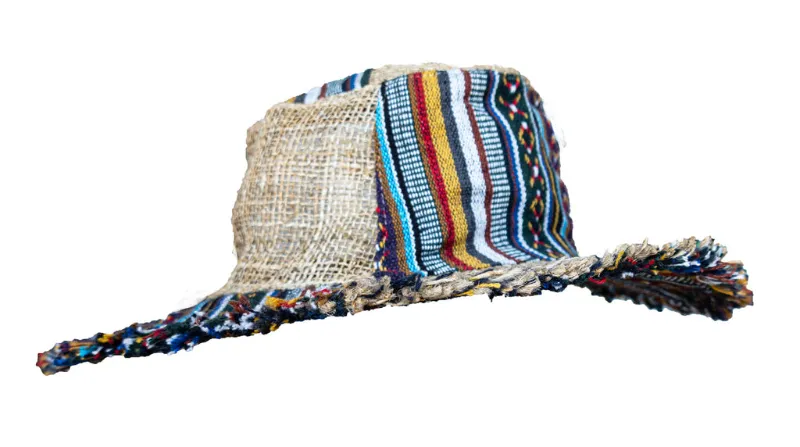
The patchwork beanie performs better than a patchwork baseball cap because it covers more of your head and usually comes with fleece or wool-blend lining. A patchwork hat made from heavier canvas or hemp performs similarly. If the seams are well-constructed and the panels are stitched tight, you lose less warm air through gaps.
Material Matters for Cold-Weather Performance
Not all patchwork hats are built the same. Check the material and lining listed for each style.
| Style | Primary Material | Lining | Best For |
|---|---|---|---|
| patchwork beanie | Wool blend or cotton-polyester | Fleece | Winter and fall |
| hemp hat | Natural hemp fiber | Minimal or none | Mild fall, early spring |
| green bucket hat | Cotton or canvas | Often unlined | Spring, mild weather |
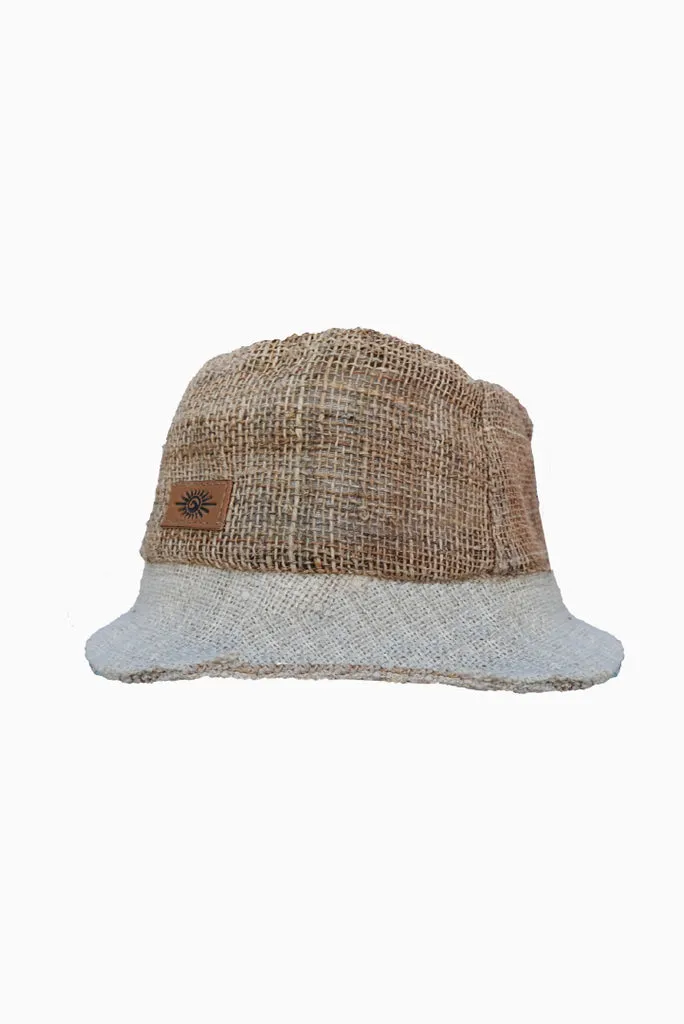
| strap bucket hat | Canvas or cotton blend | Thin lining | Fall transition |
Hemp and dense canvas hold temperature better than thin cotton.
If you need real winter warmth, opt for a beanie or a heavier patchwork style with a brushed-fleece lining. Check the latest price to compare options in stock.
Fit and Coverage: Why They Affect Warmth
A loose patchwork hat lets cold air circulate around your ears and the back of your neck, which is where you lose the most heat. A snug fit makes the biggest difference in perceived warmth, even if the fabric stays the same.
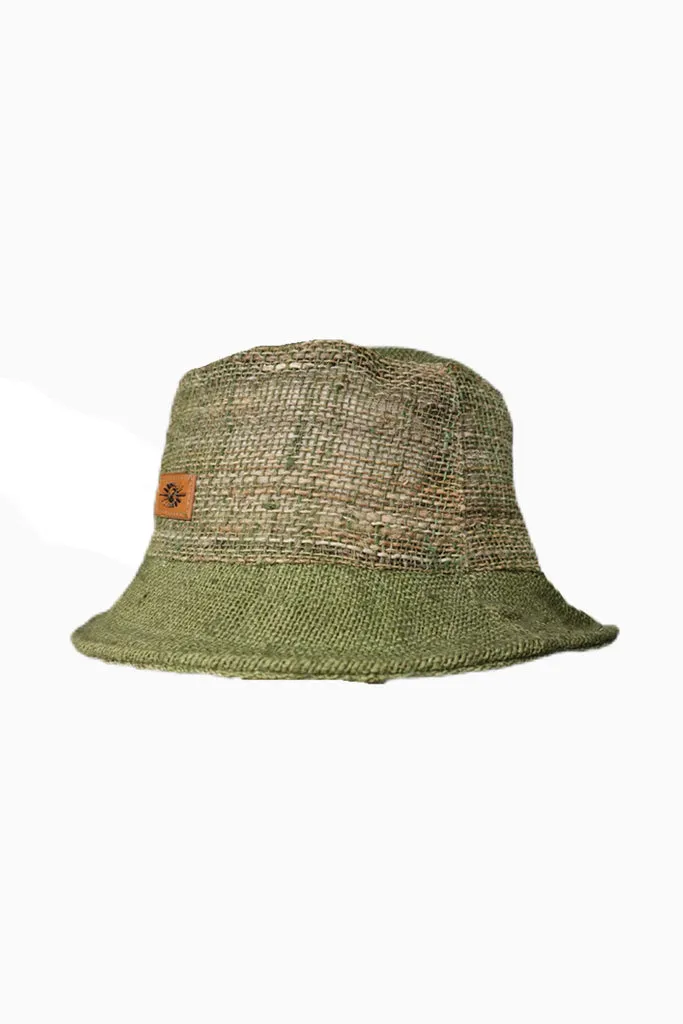
The patchwork beanie and strap bucket hat both offer adjustable or fitted designs that seal better than a loose cap. Bucket styles with a chin strap (like the bucket hat green option) keep wind from lifting the brim and creating drafts.
If you’re between sizes, go smaller for better heat retention in fall and winter.
Layering Your Patchwork Hat with Hairstyles
Your hairstyle matters more than you might think. A bun or knot under a beanie traps more air and creates an additional insulating layer.
If you have short hair or wear it up and tight, a denser fabric becomes even more important. This is where the patchwork beanie or a hemp hat with thick panels makes a real difference.
Season-by-Season Patchwork Hat Recommendations
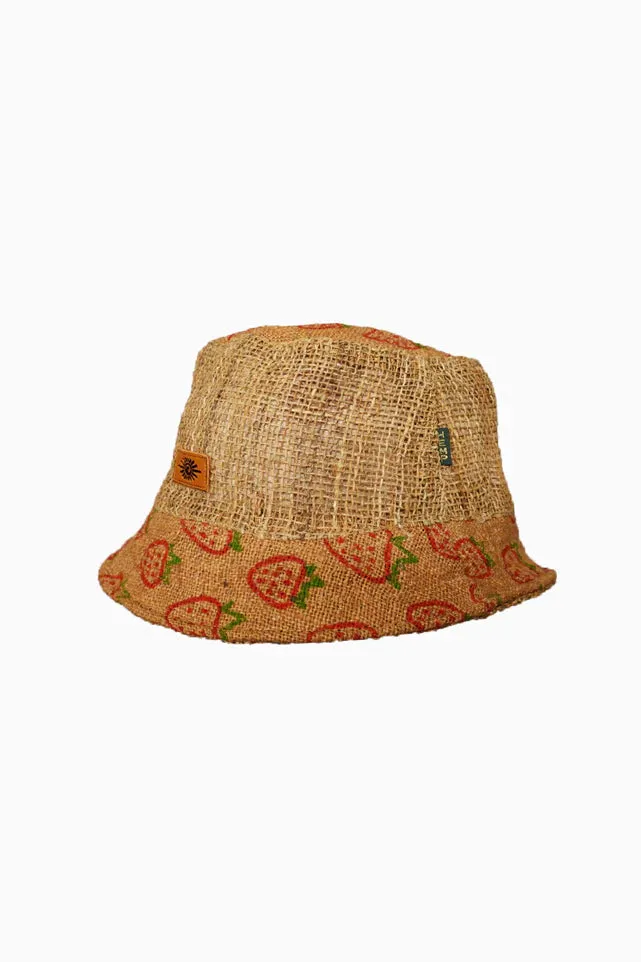
Early Fall (50-60°F): A lightweight patchwork style works fine. The green bucket hat or strawberry bucket hat handle mild days well, especially if worn over hair or a light beanie.
Mid Fall (40-50°F): You need more coverage and a lined option. The patchwork hat with fleece lining or a canvas strap bucket hat is worth a look.
Winter (below 40°F): The patchwork beanie is your best bet. Wool or heavy wool-blend beanies outperform bucket hats in sustained cold. Layer it over a thin balaclava for extra protection if needed.
Late Winter/Early Spring: A medium-weight patchwork hat works as temperatures rise. Avoid the heaviest beanies unless you’re in consistently harsh conditions.
Grab the code to get 10% off when you order, which helps you test multiple styles to find your perfect seasonal rotation.
Comparing Patchwork Hats to Other Winter Hat Styles
A patchwork hat trades specialization for style. A solid wool beanie outperforms a patchwork beanie in pure warmth, but a well-made patchwork style keeps you comfortable while looking more distinctive.
A patchwork baseball cap won’t compete with any beanie for winter warmth, but it suits mild fall days better than you’d expect if the material is dense enough.
Bucket hats like the green bucket hat or bucket hat green option offer better ear coverage than caps and more sun protection than beanies, making them ideal for transitional weather rather than serious winter use.
How to Care for Your Patchwork Hat to Preserve Warmth
Washing and drying matter. Check the care label on your patchwork hat before machine drying, since high heat can flatten fleece linings.
Cold-water hand wash and air drying preserve the insulating properties longest. If your patchwork beanie or hat has a wool blend, avoid hot water and tumble drying. A patchwork hat with synthetic lining tolerates higher temps better than one with natural wool.
Store your patchwork hats flat or rolled, not crushed in a tight bin. Compressed fabric loses some loft and insulating power over time, especially fleece and wool. A breathable storage bag keeps them fresh between seasons.
When you’re ready to refresh your collection or try a new patchwork style, check the latest price at Sunny Life Hats for current stock and our 10% discount code on all orders.
Final Take: Is a Patchwork Hat Worth It for Winter?
A patchwork hat is genuinely worth owning if you prioritize style alongside warmth and you choose the right weight and lining for your climate. It won’t replace a dedicated winter beanie in harsh conditions, but it bridges fall and mild winter perfectly.
The patchwork hat and patchwork beanie from Sunny Life Hats are worth a look; check the material and lining on each listing first.
Questions
What lining should a patchwork hat have for winter warmth?
Fleece or wool-blend lining traps the most heat. For mild fall, minimal or no lining is fine, but once temperatures drop below 45°F, look for a patchwork hat with visible fleece or wool backing.
How does a patchwork hat compare to a solid beanie for cold weather?
Warmth depends mostly on the fabric and fit. Solid beanies have no panel seams, while patchwork hats offer more style variety. Choose based on your preference, both work if the material is dense enough.
Can I wear a patchwork hat in freezing temperatures?
A heavy wool or wool-blend patchwork beanie works fine in freezing temperatures, especially if paired with a neck gaiter or scarf. Lightweight patchwork styles won't be enough on their own below 20°F. For extreme cold, a dedicated insulated winter beanie is safer, but a quality patchwork beanie handles most winter days well.
Does the patchwork pattern create weak points that let cold air in?
No, as long as each panel is at least double-layered and seams are well-stitched. Single-layer patchwork designs can feel drafty. The pattern itself doesn't compromise warmth, material quality and thickness do.
What size patchwork hat should I choose for warmth?
Choose a snug fit rather than oversized; a loose patchwork hat lets cold air circulate around your ears and neck. If you're between sizes, go smaller for better heat retention in fall and winter. An adjustable strap or elastic band helps dial in the right seal.
How do I keep my patchwork hat warm-friendly when washing?
Hand wash in cold water and air dry to preserve fleece and wool-blend linings. Machine drying on high heat can reduce the fluff and insulating power of the lining. Store flat or rolled in a breathable bag to maintain loft between seasons.
Products in this guide
 Shopping at Sunny Life Hats? See the discount code
10% OFF All Orders
Shopping at Sunny Life Hats? See the discount code
10% OFF All Orders
More in this series
Sunny Life Green Sun Hat Review: Durability, Comfort, and Style3 Sep 20265 minHow to Clean and Care for Your Hemp Hat to Last Years3 Sep 20263 minStrawberry Hat vs. Green Bucket Hat: Which Sunny Life Style Wins?3 Sep 20263 minBest Bucket Hats for Sun Protection: A Complete Buyer’s Guide3 Sep 20263 min