 A Essenther Global guide
Do Padded Uplift Bras Actually Work for Small Busts?
Padded uplift bras can add one to two cup sizes for small busts through foam padding, underwire structure, and side-sling design that pushes tissue forward and up.
Padded uplift bras genuinely add one to two cup sizes for small busts by combining graduated foam padding with underwire structure that pushes breast tissue forward and upward. The effect is immediate and works best for A to B cups who want a fuller silhouette under fitted clothing without surgery or extreme discomfort.
If you’re shopping for your first uplift style or wondering whether the hype matches reality, here’s what actually happens when you wear one.
How Padded Uplift Bras Create the Lift Effect
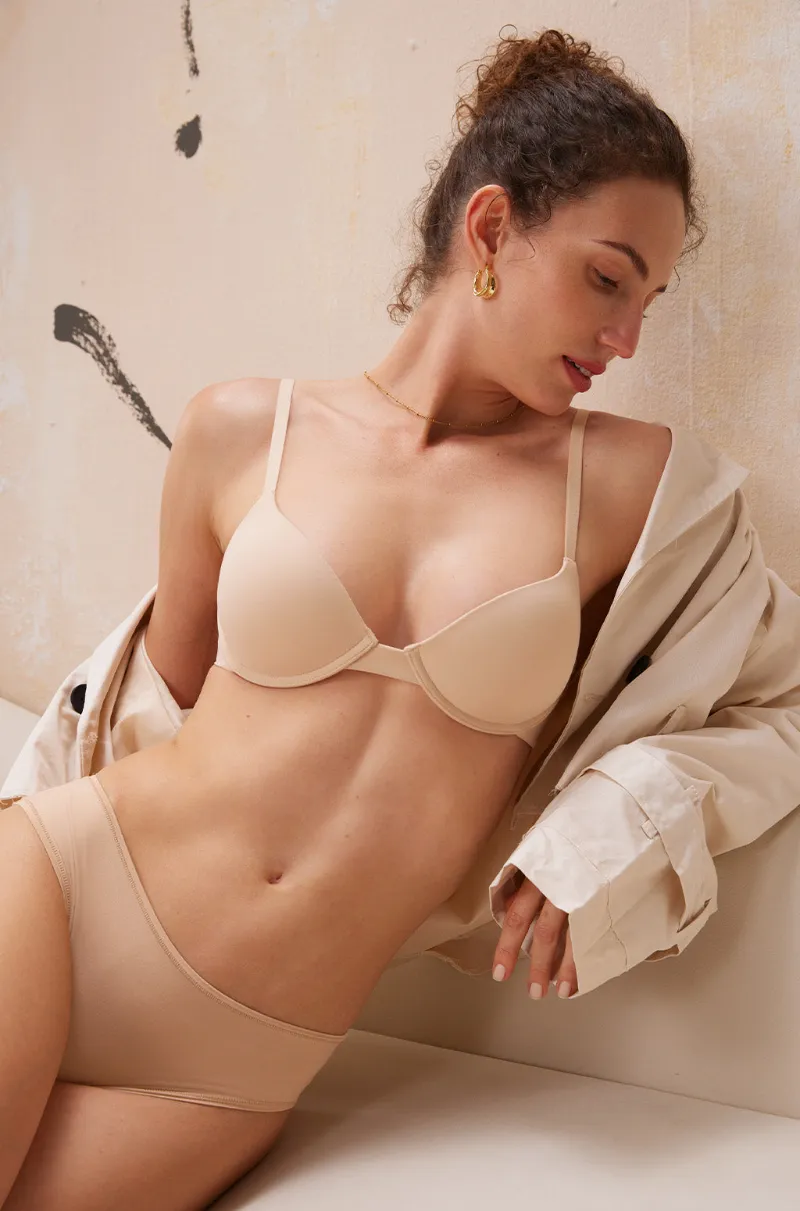
The mechanics are straightforward: thick foam padding at the bottom and sides of each cup creates a shelf that lifts tissue, while angled underwire pushes everything toward the center. Most padded uplift bras use graduated padding, thicker at the base and thinner at the top, so the result looks rounded rather than pointy.
Side-sling panels play a bigger role than most shoppers realize. These fabric or foam inserts run along the inner edge of each cup and guide breast tissue inward, creating cleavage even when you have minimal volume to work with. The combination of lift and push delivers the “add two cups” claim you’ll see on packaging, though the actual increase depends on your starting size and tissue density.
The essenther bra and similar styles layer these features together: molded cups for shape, underwire for structure, and removable padding so you can adjust the boost. For small busts, this means you control how dramatic the effect looks, which matters if you’re alternating between casual and dressy outfits.
Who Sees the Best Results
Women with A or AA cups typically see the most noticeable change because the padding ratio to natural tissue is highest. If you’re currently wearing an aaa bra and want more presence under T-shirts or blazers, an uplift style will add visible fullness without looking cartoonish.
B cups benefit when they want extra projection or cleavage for specific outfits. The lift effect is subtler here but still creates a rounder, higher profile compared to unlined or lightly lined bras. If you’re between sizes or have lost volume after weight changes, the adjustable padding in many uplift bras lets you fine-tune the fit.
Where these bras struggle: larger busts (C and above) often find the padding unnecessary and the underwire uncomfortably tight when scaled up. The design is optimized for smaller volumes, and the same features that create lift in an A cup can cause spillage or flattening in a D cup.
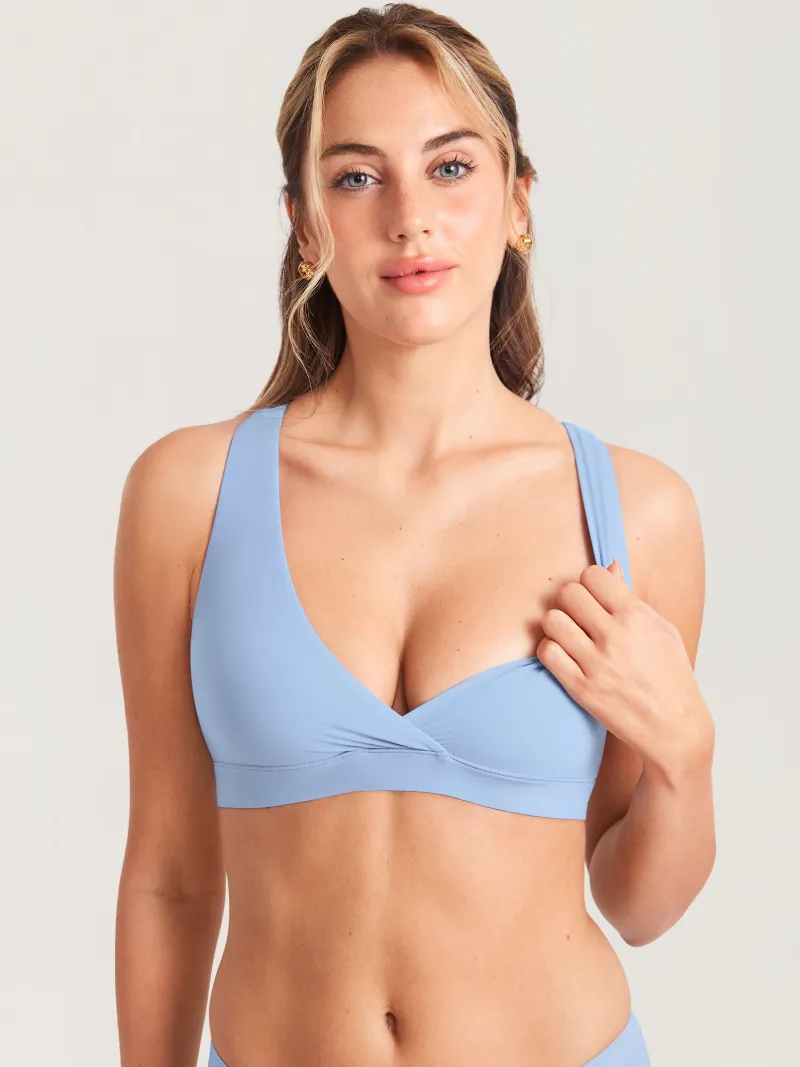
For nursing or postpartum wear, crossover styles like the crossover nursing bra offer easier access, but traditional uplift padding can interfere with breastfeeding. If you’re in that stage, consider waiting or choosing a wireless option like unlined wireless bras instead.
Comparing Popular Uplift Styles
Not all padded uplift bras use the same construction. Here’s how the most-searched styles differ in approach and outcome.
| Style | Padding Type | Best For | Trade-Off |
|---|---|---|---|
| Push-up with gel inserts | Silicone or water-based gel | Maximum cleavage, special events | Heavier, can shift during wear |
| Foam-padded underwire | Molded foam cups | Daily wear, T-shirt smoothing | Less dramatic lift than gel |
| Add-a-cup removable pads | Adjustable foam layers | Customizing boost level | Pads can bunch in the wash |
The Victoria’s Secret Bombshell and similar extreme boost push up bras rely on thick gel or foam inserts that can add up to two full cup sizes. They deliver the most dramatic results but also the most weight and restriction. If you’re wearing one for more than a few hours, expect some digging at the band and underwire.
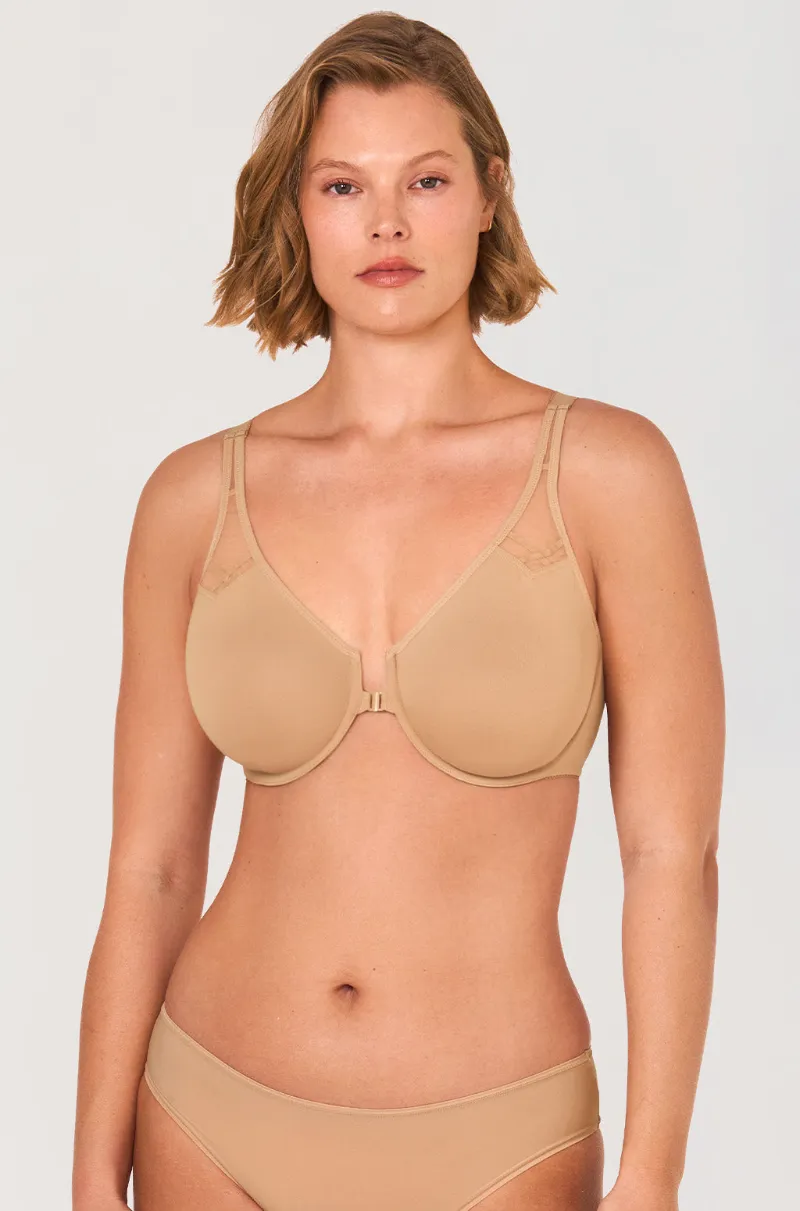
Standard foam-padded styles, including many delmira bra options, balance everyday comfort with moderate lift. The padding is sewn in, so there’s no shifting, and the underwire is typically lighter gauge. You’ll see about one cup size of boost, which is enough to fill out tops without feeling constrained.
Removable-pad designs give you the most flexibility. Pop in both pads for a night out, use one for a subtle boost at work, or go pad-free when you want breathability. The downside: pads can crease or fold if your washer is aggressive, and you need to reinsert them after every wash.
For current pricing on any of these styles, check the latest deals before buying.
What to Expect During Wear
The first time you put on a padded uplift bra, the fit will feel tighter than an unlined style because the padding takes up space inside the cup. That’s normal. The band should sit firm but not dig in, and the underwire should follow your natural breast crease without poking.
Expect a learning curve with strap adjustment. Because the padding and underwire are doing most of the lifting, your straps should be looser than you’re used to. Over-tightening straps on an uplift bra causes the cups to gap at the top and the band to ride up in back.
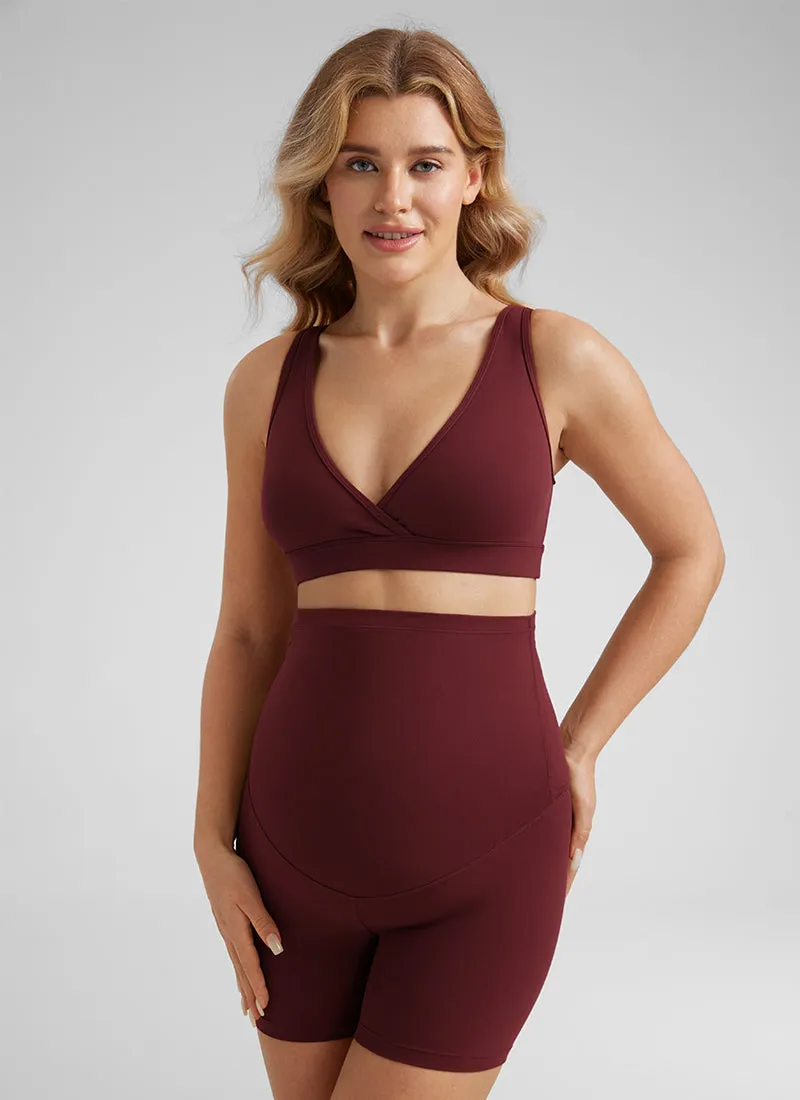
Movement and stability vary by activity. For sitting at a desk or walking, most uplift bras stay put. For anything higher-impact, the added weight of padding can cause bounce that the band and straps struggle to control. If you’re after support for workouts, a crossover maternity bra or dedicated sports bra will perform better than a padded uplift style.
Heat and breathability are legitimate concerns. Thick foam traps warmth, and underwire blocks airflow along the band. In summer or humid climates, you’ll feel the difference compared to mesh or unlined options. Some shoppers rotate between uplift bras for cooler months and unlined wireless bras when temperatures climb.
Sizing and Fit Considerations for Small Busts
Most uplift bras run true to size in the band but smaller in the cup because the padding pre-fills space. If you’re on the edge between two cup sizes, go up one. A 32A in a standard bra often needs a 32B in a padded uplift to avoid quad-boob or spillage at the top.
Measure your underbust and bust at the fullest point, then cross-reference the brand’s size chart. Essenther and similar stores often provide detailed sizing guides, and many offer discount codes for first-time buyers so you can test a size without full-price risk.
Watch for these fit red flags:
- Gaping at the top of the cup: band too tight or straps over-adjusted
- Underwire poking into your armpit: cup too small or style not suited to your breast root width
- Band riding up in back: band too loose or cups too small, forcing tissue to push the bra down
- Padding wrinkling inside the cup: cup too large or padding not shaped for your breast volume
If two or more of these happen, try a different size or style rather than forcing the fit. A poorly fitted uplift bra won’t deliver the boost you’re after and can cause shoulder or back pain over time.
Are They Worth It for Your Wardrobe?
Padded uplift bras solve specific problems: they fill out low-cut tops, create a smoother line under fitted shirts, and add shape when your natural volume doesn’t match the silhouette you want. If those are regular frustrations, one or two uplift bras in your rotation make sense.
They’re less practical as everyday, all-day bras for most small busts. The structure and padding that create the lift also create heat, weight, and restriction. Many of our testers reserve uplift styles for dates, presentations, or outfits where the boosted shape matters, then switch to wireless or lightly lined options for home and casual wear.
For small busts specifically, the return on investment is higher than for larger sizes because the lift effect is proportionally more dramatic. An A cup can look like a full B or small C, which is a meaningful change if you’ve struggled to fill out certain necklines or dress styles.
Grab the current discount if you’re ready to try one, and start with a single bra in your usual size or one cup up. Test it for a full day before committing to multiples, and pay attention to how your body feels at hour four and hour eight. That’s when comfort differences become obvious and when you’ll know whether the boost is worth the trade-offs for your lifestyle.
Questions
Do padded uplift bras work if you have very small breasts?
Yes, padded uplift bras are most effective on A and AA cups because the padding-to-tissue ratio creates the biggest visible change. You can expect one to two cup sizes of added volume and lift.
Can you wear a padded uplift bra all day comfortably?
Most wearers find them comfortable for 4 to 6 hours but notice heat and underwire pressure during longer wear. They work best for specific outfits or events rather than daily all-day use.
How is a padded uplift bra different from a regular push-up?
Padded uplift bras combine thicker graduated foam, angled underwire, and side-sling panels to push tissue up and inward. Regular push-ups typically have thinner padding and less aggressive structure.
Should I size up in the cup when buying an uplift bra?
If you're between sizes, yes. The padding takes up cup space, so many small-busted wearers need one cup size larger than their usual bra to avoid spillage.
Will the padding in an uplift bra shift or bunch during wear?
Sewn-in foam padding stays in place. Removable inserts can shift slightly with movement and may wrinkle after washing, so you'll need to adjust them each time you wear the bra.
Are extreme boost bras uncomfortable for small busts?
Extreme boost styles with gel inserts add the most lift but also the most weight and restriction. For small busts, standard foam-padded uplift bras usually provide enough boost with better all-day comfort.
Products in this guide
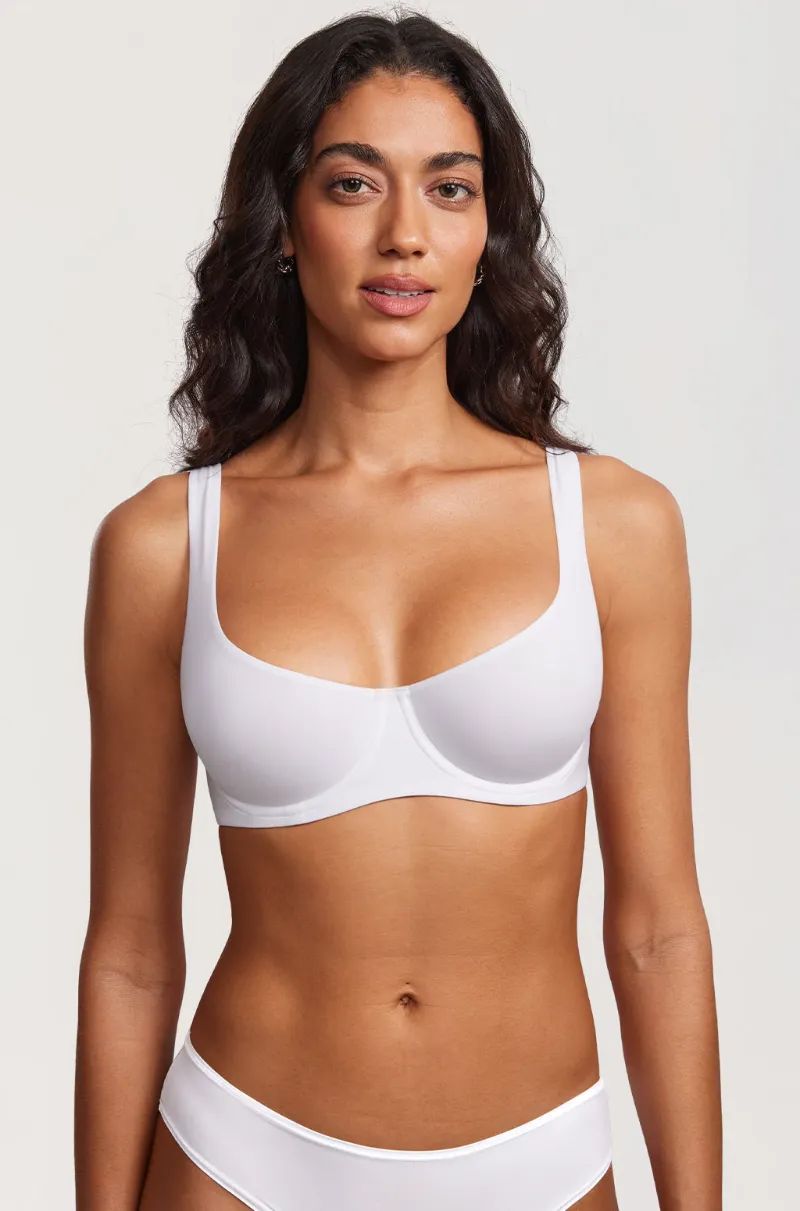
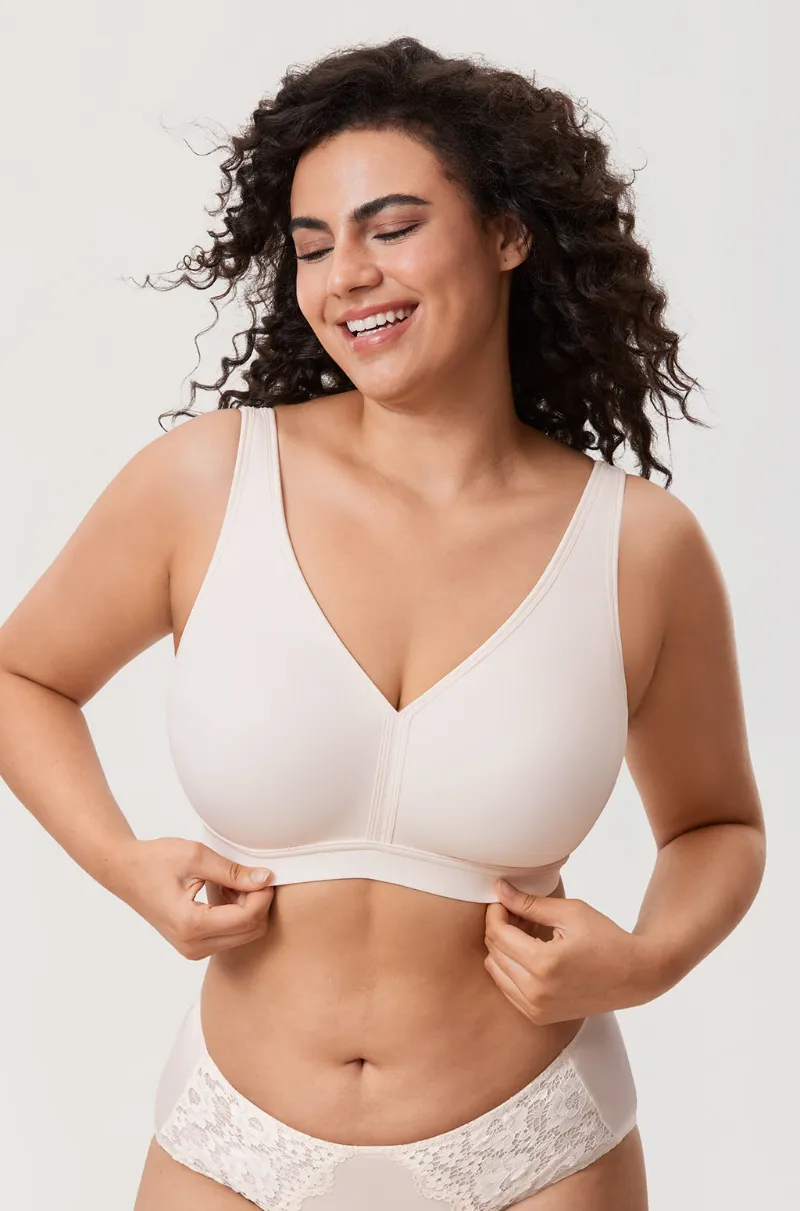 Shopping at Essenther Global? See the discount code
10% OFF Sitewide
Shopping at Essenther Global? See the discount code
10% OFF Sitewide
More in this series
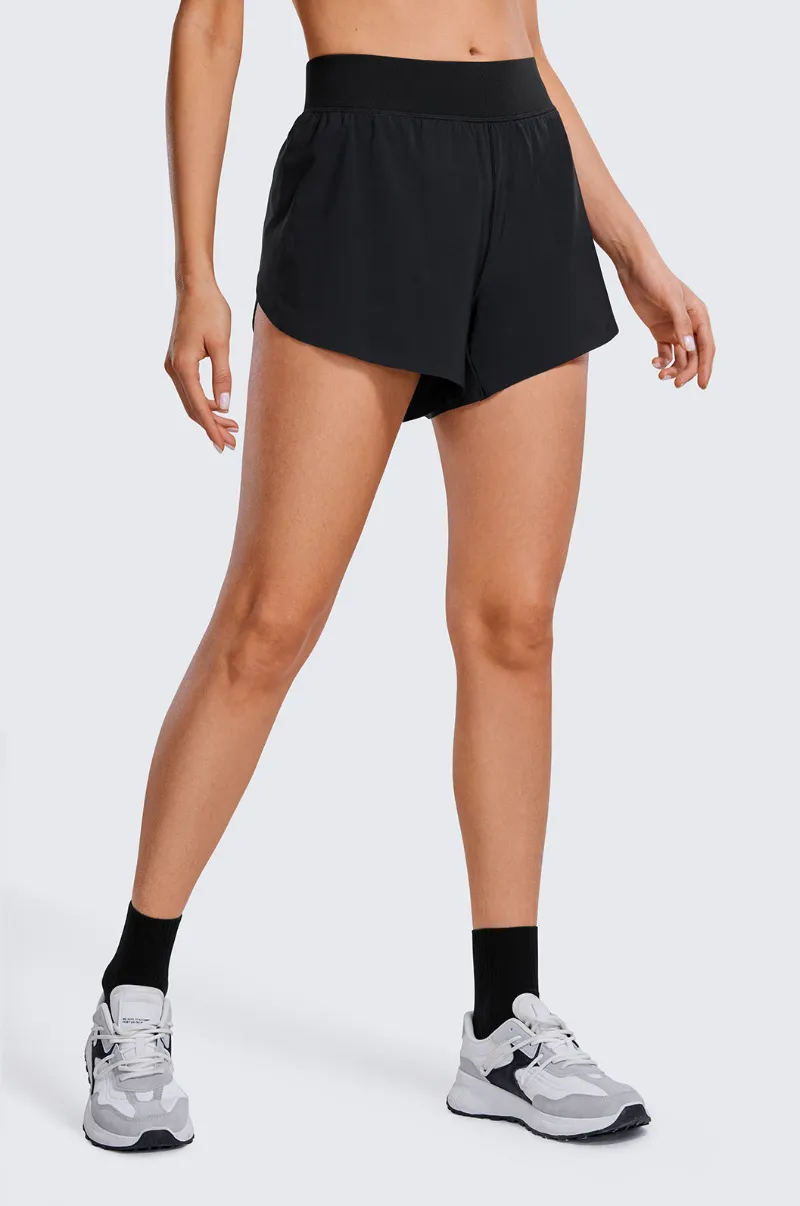 CRZ Yoga Dolphin Shorts Review: Do They Stay in Place During Workouts?24 Aug 20264 min
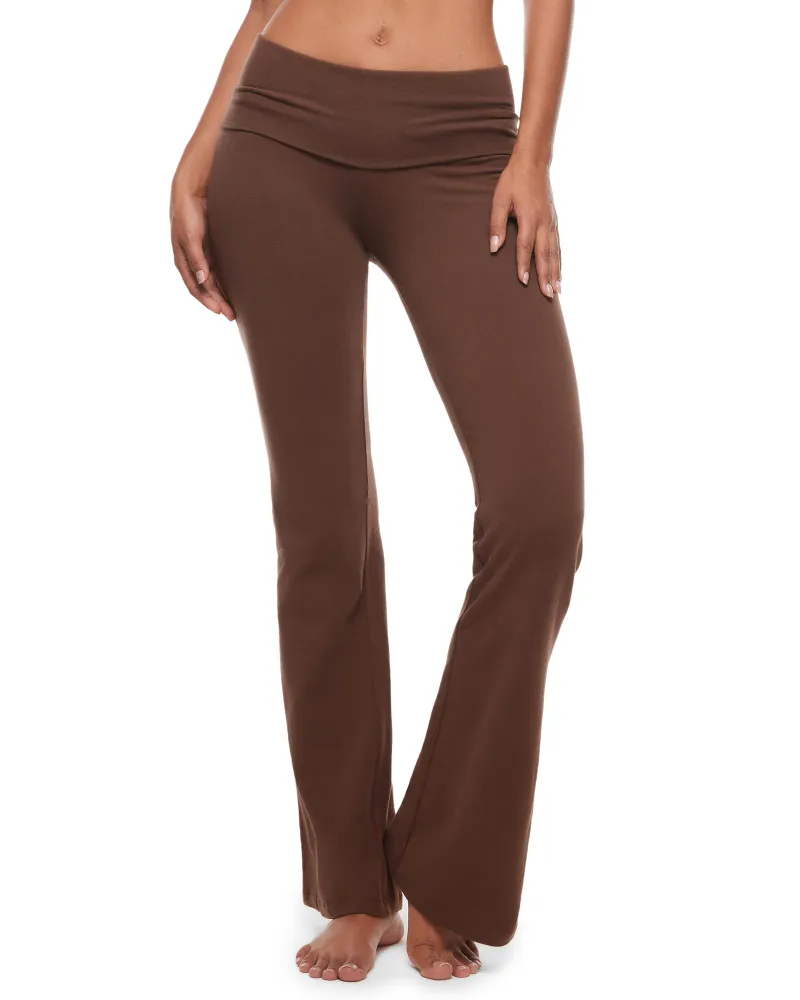 Why Fold Over Cotton Leggings Roll Down (and How to Fix It)24 Aug 20265 min
 Best Backless One Piece Bathing Suits for D Cup and Larger24 Aug 20265 minCrossover Nursing Bra vs Crossover Maternity Bra: What’s the Difference?24 Aug 20264 minHow to Wash and Care for Wireless Bras Without Losing Shape24 Aug 20265 min