 A Petorldog guide
No-Drill Pool Safety Fence Installation: Renters’ Guide to Temporary Protection
A no drill pool safety fence gives renters a way to secure their pool without damaging the property or asking permission.
A no drill pool safety fence gives renters a way to secure their pool without damaging the property or asking permission. Unlike traditional fences that require post holes and concrete, these temporary barriers mount using ground anchors, weights, or clamps. They’re ideal for families and pet owners in rental situations who need immediate pool protection.
Why Renters Need a No Drill Pool Safety Fence
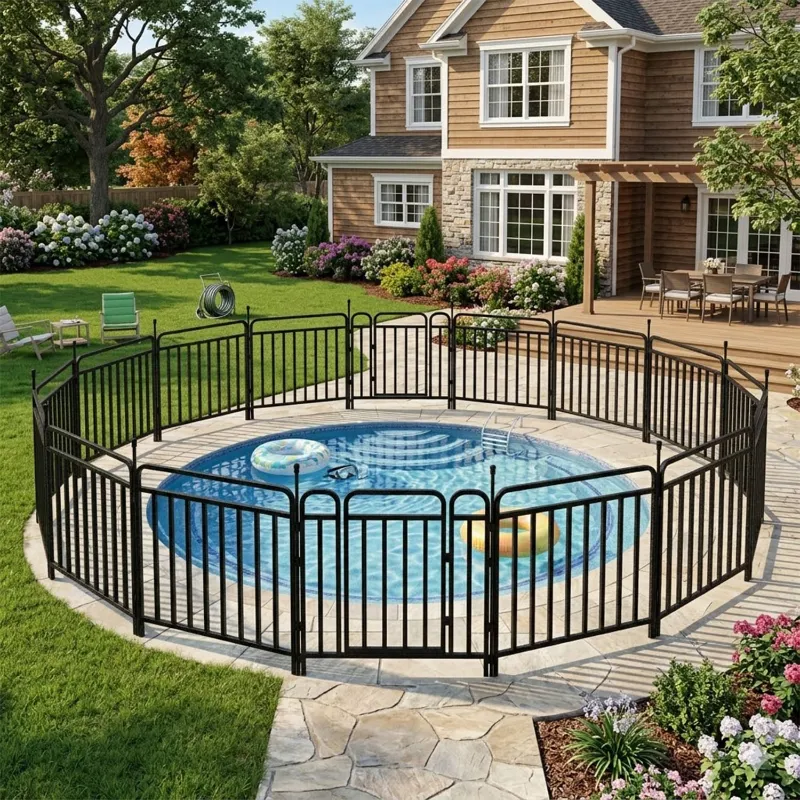
Landlords typically restrict permanent pool modifications, leaving renters stuck between safety and lease compliance. A no drill pool safety fence solves this by requiring zero drilling, cutting, or installation that affects the deck or surrounding area. These fences meet safety codes because they create a physical barrier and, in many designs, include self-closing gates that meet CPSC (Consumer Product Safety Commission) standards.
Renters benefit most when they own the property they’re protecting. If you’re renting and your lease allows temporary structures, a no drilling option protects kids and pets while keeping your security deposit intact. Grab the code to save 5% on portable safety solutions.
How a No Drill Pool Safety Fence Works
These fences sit on the pool deck without penetrating it. Most use one of three anchoring methods:
- Weight-based systems: Heavy feet or platforms hold panels in place; no tools needed.
- Clamp mounts: Adjustable clamps grip the deck edge without drilling holes.
- Ground anchors: Stakes push into soil or soft surfaces around the pool perimeter.
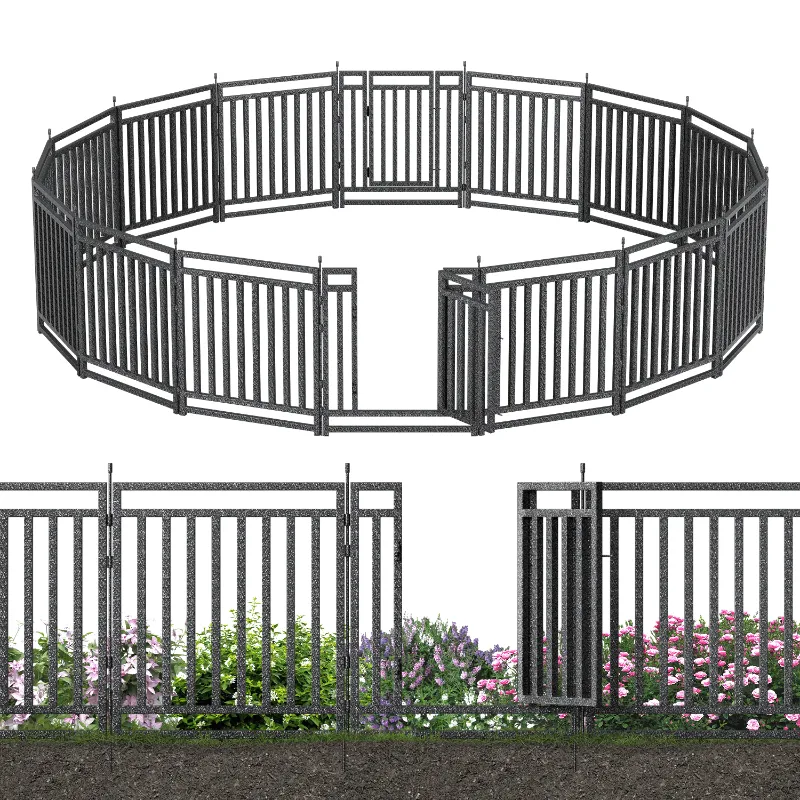
The pool safety fence – no drilling design uses interlocking panels (usually aluminum or vinyl) that connect end-to-end, creating a continuous 4-foot barrier. Gates include spring hinges and self-closing latches to prevent accidental openings. Setup typically takes one to two hours with basic hand tools.
According to guardian pool fence standards, a compliant no drill pool safety fence should include childproof latches at least 54 inches above ground and gates that swing shut automatically. This protects against unsupervised access, which is the leading cause of pool drowning for children under 5.
No Drill vs. Traditional Pool Fencing
| Feature | No Drill Pool Safety Fence | Traditional Fenced Pool |
|---|---|---|
| Installation | 1-2 hours, no tools | Days to weeks, requires contractor |
| Permanence | Temporary or semi-permanent | Permanent |
| Cost | $200-$800 | $2,000-$8,000+ |
| Renter-friendly | Yes | No (requires landlord approval) |
| Removal | Easy, no repair needed | Requires demolition |
If you’re looking at permanent solutions or own your home, traditional fencing offers better aesthetics and durability. But for renters or those testing a setup before committing, the no drill approach is faster and affordable.
Materials and Durability
Most no drill pool safety fences use aluminum, vinyl, or metal components because they resist water damage and UV exposure. Aluminum frames stay lightweight while supporting panel weight, and vinyl-coated finishes prevent rust. Look for powder-coated hardware to avoid corrosion.
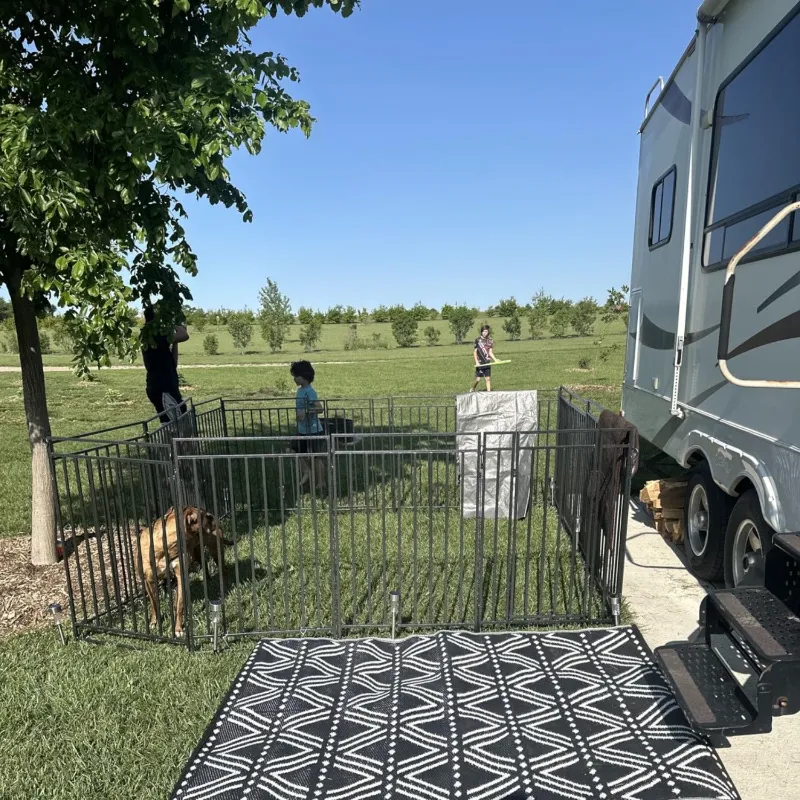
A portable metal dog fence uses similar materials and principles, making it adaptable for pool perimeters if you’re also containing pets. For pool use specifically, check that materials meet pool-rated standards, which means they’re treated to handle chlorine splash and humidity.
Storage matters when the season ends. Modular designs let you remove panels and stack them indoors, extending the fence’s life. Metal components may need light oiling before long-term storage to prevent surface corrosion.
Installation Steps for Renters
Step 1: Check Your Lease
Confirm your lease permits temporary structures. Most rental agreements allow temporary fencing if it’s removable and doesn’t damage the deck. Get permission in writing if possible.
Step 2: Measure Your Pool Deck
Note the pool’s perimeter, including any irregular edges or obstacles. Most no drill systems come in 4-foot or 6-foot sections, so calculate how many panels you’ll need.
Step 3: Gather Materials
A no drill pool safety fence kit typically includes panels, posts, gates, latches, and anchoring hardware. Check the latest price for bundled options that may save money.
Step 4: Lay Out Anchors
Position weight-based feet or ground anchors around the perimeter, spacing them per manufacturer specs. Clamp-based systems attach directly to deck edges.
Step 5: Assemble Panels
Connect modular sections end-to-end, ensuring each joint is tight. Install the gate, ensuring it’s centered for easy access and closes automatically.
Step 6: Test Gates and Latches
Open and close the gate 10 times. It should latch securely every time and never stick or jam. Adjust springs or hinges if needed.
Who Benefits Most from a No Drill Setup
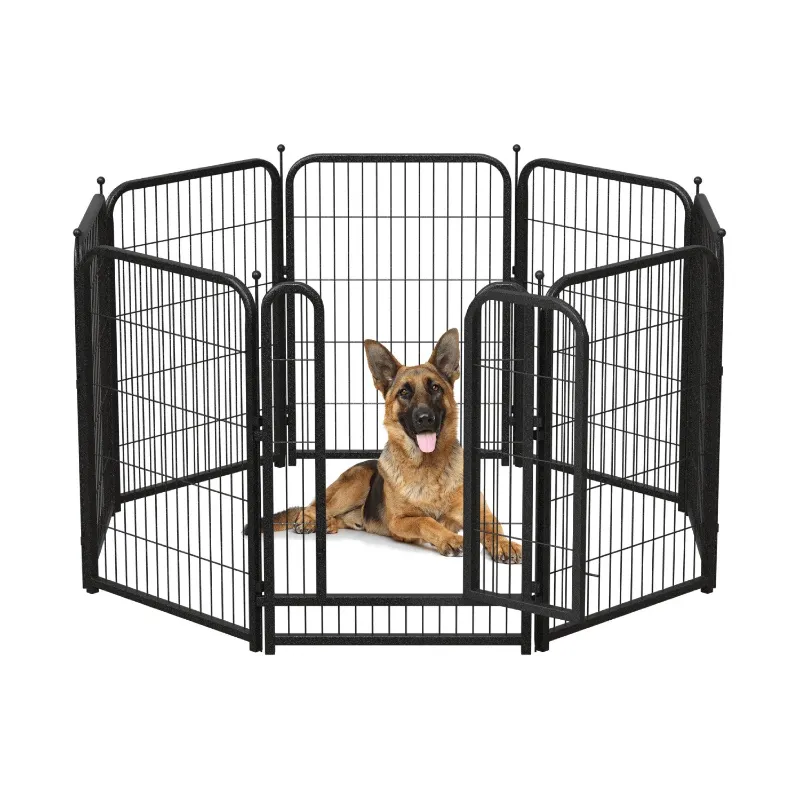
Renters with young children or pets are the primary audience. Parents appreciate that setup happens in hours, not days. Pet owners use designs like the wire dog playpen as temporary barriers, though pool-specific versions include self-latching gates.
Vacation home owners and seasonal residents also benefit; a no drill system deploys each season without permanent marks. Some use a folding dog fence for similar portability, adapting the concept for multiple outdoor spaces.
According to pool safety experts, no drilling requirements allow renters to meet local pool safety ordinances without landlord friction, a key concern in states with strict drowning-prevention laws.
Maintenance and Seasonal Care
Rinse your no drill pool safety fence monthly during pool season to remove chlorine residue and debris. Wipe latches and hinges dry to prevent corrosion. In winter, drain anchoring feet if they hold water, store panels indoors, and apply a light coat of lubricant to metal joints before storage.
Inspect before each season for cracks, loose bolts, or rust spots. Replace any corroded hardware and test latches under load. A well-maintained system lasts 5-10 years depending on climate and material.
Finding the Right No Drill Pool Safety Fence for Your Rental
Start by measuring your deck and defining your budget. Lightweight aluminum systems cost less than heavier steel options but may not suit windy areas. Vinyl-coated finishes look better but weigh more. Most no holes pool fence reviews online highlight ease of assembly and reliability of latches as top priorities.
If you’re also protecting a pet area, explore hybrid designs that secure both. Get the best pricing by grabbing the code before you order, we’ve secured a 5% discount on all orders.
Remember: a no drill pool safety fence is a temporary solution that doesn’t replace active supervision. Always watch children and pets around water, even with a barrier in place.
Questions
Can I install a no drill pool safety fence on any deck surface?
Most no drill systems work on concrete, composite, and pavers. Weight-based models perform best on flat, level surfaces. If your deck is uneven, clamp-based systems adapt better. Check your specific product's guidelines for compatibility with your deck material.
Does a no drill pool safety fence meet local safety codes?
Many do, provided they meet CPSC standards: 4-foot height, self-closing gates, and childproof latches. However, codes vary by state and municipality. Confirm your local requirements before purchasing, and verify that your model meets those specs.
How secure is a no drill pool safety fence against determined kids or pets?
These fences are designed to slow or prevent unsupervised access by small children and pets, not stop determined adults. The combination of height, latch design, and barrier presence is effective for supervision-based safety. Active supervision remains essential.
What's the difference between a no drill pool safety fence and a portable metal dog fence?
A no drill pool safety fence includes self-closing latches and meets pool safety standards, while a dog fence prioritizes containment. Some portable metal designs work for both purposes if they include pool-rated latches, but always confirm the specific model meets pool safety codes.
Can I leave a no drill pool safety fence up year-round?
Most systems tolerate seasonal use well, but winter weather, UV exposure, and freeze-thaw cycles can degrade materials. Storing panels indoors during off-season extends the fence's life by 5-10 years compared to year-round outdoor exposure.
How much does a typical no drill pool safety fence cost?
Prices range from $200 to $800 depending on pool size, materials, and panel count. Smaller pools (under 300 square feet) trend toward the lower end. Check our [store page](/petorldog-discount-code/) for current pricing and available discounts on quality brands.
Products in this guide
 Shopping at Petorldog? See the discount code
5% OFF All Orders
Shopping at Petorldog? See the discount code
5% OFF All Orders
More in this series
Best Portable Metal Dog Fences for Small Spaces and Apartment Patios4 Sep 20264 minFolding Dog Fences: Do They Actually Keep Dogs In?4 Sep 20265 minWire Dog Playpen vs Portable Metal Dog Fence: Which Containment Works Best for Your Yard4 Sep 20264 minHow to Set Up a Folding Dog Fence Without Tools or Permanent Installation4 Sep 20264 min