 A Kansa Organics guide
Neem Wood Comb vs. Regular Plastic Comb: Which Is Better for Hair Health?
A neem comb offers natural antibacterial properties and static-free detangling that plastic simply cannot match.
Why a Neem Comb Wins for Hair Health
A neem comb distributes natural oils from root to tip, eliminates static, and brings antibacterial benefits that plastic combs simply cannot deliver.
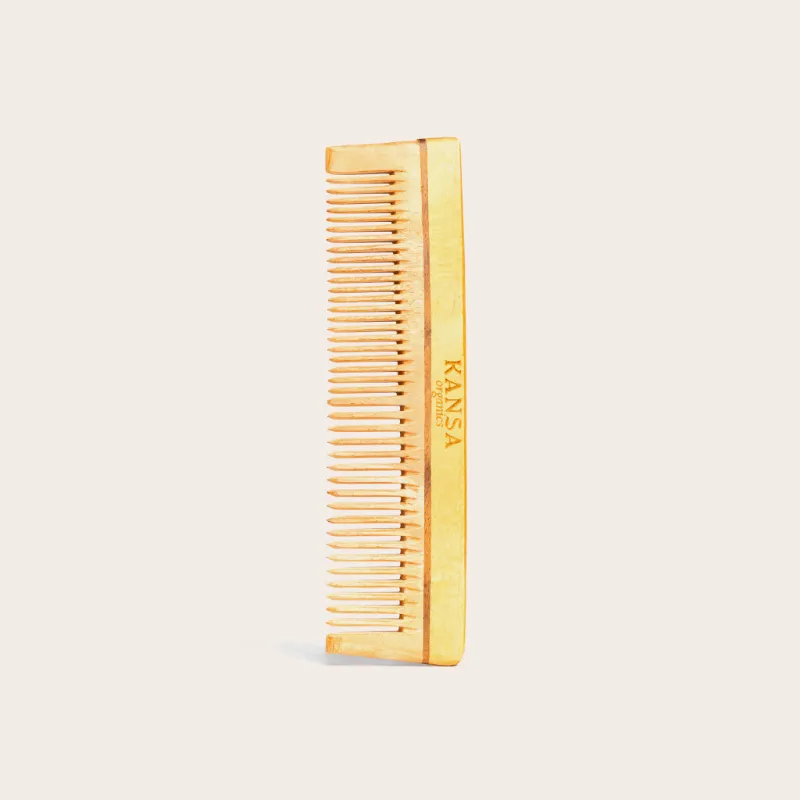
Traditional plastic combs generate friction and static that lifts the hair cuticle and causes breakage. Meanwhile, a wooden comb neem glides smoothly, conditions as you comb, and supports scalp health with natural neem oil residue. The difference becomes obvious within the first week of switching.
Material Differences That Matter
Plastic combs are injection-molded from petroleum-based polymers. They are cheap to manufacture, but the synthetic surface creates static electricity every time you run the comb through dry hair. That static lifts cuticles, invites frizz, and snags strands mid-stroke.
Neem wood combs are hand-carved or precision-cut from the heartwood of the neem tree, which has been valued in Ayurvedic traditions for centuries. The wood naturally contains azadirachtin and nimbidin, compounds with antibacterial and antifungal properties. When you comb, trace amounts of these compounds transfer to your scalp, helping to keep dandruff and irritation at bay.
Wood also has a porous structure that absorbs and redistributes sebum, your scalp’s natural conditioning oil. A neem comb acts like a mini oil-distribution system, carrying moisture from roots to ends without adding synthetic shine sprays or silicones.
Neem Wood Comb Benefits You Will Notice
- Zero static buildup: wood does not conduct electricity, so hair lies smooth instead of flying away
- Scalp stimulation: rounded wooden teeth massage the scalp and boost circulation without scratching
- Natural conditioning: neem wood wicks and spreads sebum, reducing the need for leave-in products
- Antibacterial action: neem’s active compounds help manage dandruff, itching, and minor scalp inflammation
- Durability: a well-made wooden comb lasts years when cared for, while plastic teeth snap under tension
The comb does not fix split ends or reverse chemical damage, but it stops adding new friction-based wear.
How Plastic Combs Fall Short
Plastic combs dominate drugstore aisles because they are waterproof, colorful, and cost under two dollars. But convenience comes with trade-offs:
- Static generation: every pass through dry hair builds charge, lifting cuticles and creating flyaways
- Sharp seams: molded plastic often has flash lines or rough edges that snag and tear strands
- No scalp benefit: plastic is biologically inert and offers zero nourishment or microbial protection
- Fragility under stress: fine plastic teeth crack when they meet a tangle, especially on thick or curly hair
- Environmental cost: single-use plastic combs fill landfills, and petroleum production carries a carbon footprint
If your main concern is washing the comb daily or tossing it in a gym bag, plastic wins on convenience. For long-term hair health and scalp condition, neem wood is the clear winner.
Neem Comb vs Sandalwood Comb
Both neem and sandalwood are traditional Ayurvedic woods used for grooming tools. Sandalwood offers a distinctive fragrance and cooling properties, which some users prefer for relaxation rituals. Neem, however, brings stronger antibacterial and antifungal activity, making it the better choice if you struggle with dandruff, oily scalp, or minor scalp irritation.
Sandalwood combs also tend to be pricier due to the wood’s scarcity and cultural value. A neem comb for hair delivers comparable smoothness and durability at a more accessible price point. Check the latest price to see current deals.
Choosing and Caring for Your Wooden Comb
Look for combs with wide-set teeth if you have thick, curly, or textured hair. Fine, straight hair benefits from closer spacing. The teeth should be rounded or polished, never sharp.
| Feature | What to Look For | Why It Matters |
|---|---|---|
| Tooth spacing | Wide for curls, medium for straight | Prevents snagging and breakage |
| Finish | Smooth, polished surface | Eliminates splinters and drag |
| Handle | Comfortable grip, balanced weight | Reduces hand fatigue during detangling |
To care for your neem wood comb, wipe it weekly with a damp cloth and a drop of mild soap, then dry immediately. Never soak it or run it through the dishwasher, as prolonged moisture will crack the wood. Once a month, rub a tiny amount of coconut or jojoba oil into the teeth to preserve the finish and prevent drying.
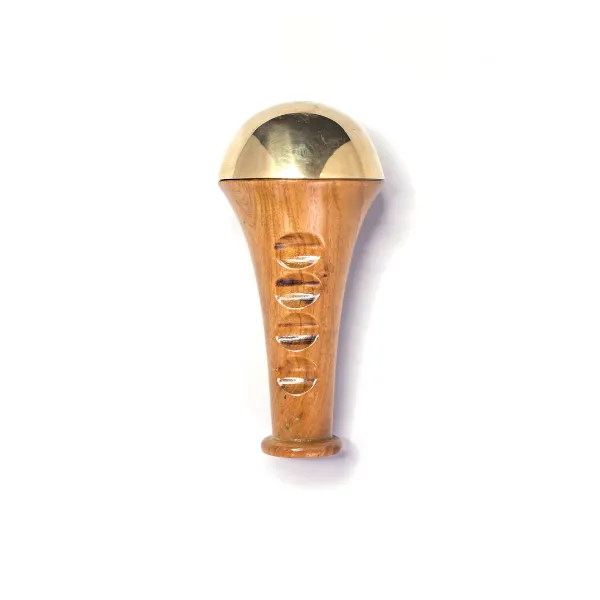
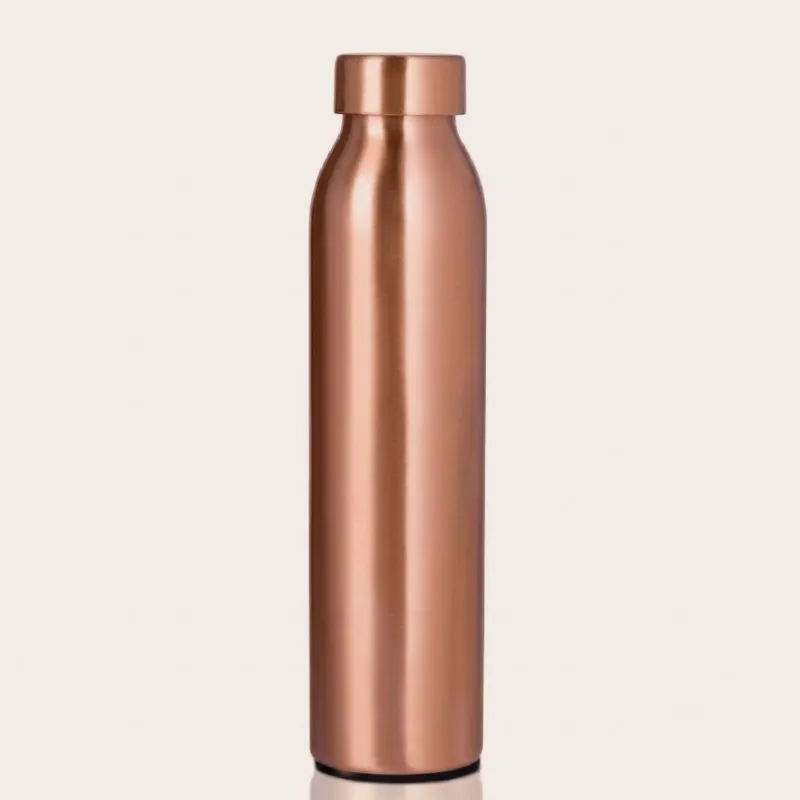
We also carry complementary Ayurvedic tools like ayurvedic massage tools and an ayurvedic copper bottle if you are building a holistic wellness routine.
Who Should Make the Switch
A neem comb suits anyone dealing with static, frizz, dandruff, or breakage from conventional plastic combs. It is especially helpful for:
- Dry or color-treated hair: the natural conditioning action reduces the need for leave-in sprays
- Sensitive or flaky scalps: neem’s antibacterial properties support a calmer scalp environment
- Eco-conscious shoppers: wood is biodegradable and sustainably harvested when sourced responsibly
- Thick or curly textures: wide-tooth wooden designs detangle without ripping through knots
If you swim daily or need to disinfect your comb in clinical settings, stick with plastic for hygiene reasons. For everyday home grooming, neem delivers measurably better results.
Grab the code to save on your first wooden comb and experience the difference yourself. You can also explore the full range at Jasmine Hemsley’s neem comb collection for styling inspiration and care tips.
Switching from plastic to neem wood is one of the simplest upgrades you can make for healthier hair. The comb does the conditioning work while you detangle, and your scalp gets gentle antibacterial support with every stroke. No serums, no static, just smooth, manageable hair.
Questions
How often should I clean my neem comb?
Wipe your neem comb weekly with a damp cloth and mild soap, then dry it immediately. For deep cleaning, use a soft brush to remove hair and buildup, and apply a drop of coconut oil monthly to keep the wood conditioned.
Can a neem comb help with dandruff?
Yes, neem wood contains natural antibacterial and antifungal compounds that help reduce dandruff and scalp irritation. Regular use distributes these compounds across your scalp while you comb.
Will a wooden comb work on wet hair?
You can use a wide-tooth neem comb on damp hair, but avoid soaking the comb itself. Prolonged moisture exposure will crack and warp the wood, so dry the comb immediately after use.
Is neem wood better than sandalwood for combs?
Neem offers stronger antibacterial properties and is typically more affordable, making it ideal for scalp health. Sandalwood provides a pleasant fragrance and cooling sensation, so your choice depends on whether you prioritize function or scent.
Where can I buy a neem comb at a discount?
Visit our Kansa Organics coupon page for the current offer and product selection.
Do wooden combs reduce hair breakage?
Yes, wooden combs eliminate static and glide smoothly without snagging, which significantly reduces friction-based breakage compared to plastic. The rounded teeth also massage rather than scrape your scalp.
Products in this guide
 Shopping at Kansa Organics? See the discount code
$10 OFF All Orders
Shopping at Kansa Organics? See the discount code
$10 OFF All Orders
More in this series
Troubleshooting Common Issues With Ayurvedic Massage Tools3 Sep 20264 minHow Long Does a Copper Ayurvedic Water Bottle Last?3 Sep 20264 min What Are Korean Lymphatic Massage Wands and How Do You Use Them?3 Sep 20265 min
 Do Ayurvedic Face Oils Help Dry Skin?3 Sep 20264 minHow to Clean and Care for Your Copper Water Bottle3 Sep 20264 min