A Discreet Smoker guide
Why Does My Dry Herb Vaporizer Taste Burnt? 5 Common Causes
Five things to check when a dry herb vaporizer tastes burnt: temperature, grind, residue buildup, overpacking and airflow.
A dry herb vaporizer tastes burnt when the heating chamber runs too hot, the herb is ground too fine, residue coats the chamber, the bowl is overpacked, or airflow is restricted. We keep the current code for Discreet Smoker on its store page.
Below we walk through each cause, explain why it ruins your session, and show exactly how to fix it so every draw tastes clean.
Temperature Set Too High for Your Material
Heat is the first thing to check. If the temperature is too high for your material, the device scorches the plant matter and delivers harsh, acrid vapor instead of clean flavor.
How to fix it:
- Start at the low end of your device’s range and raise the heat in small steps between draws.
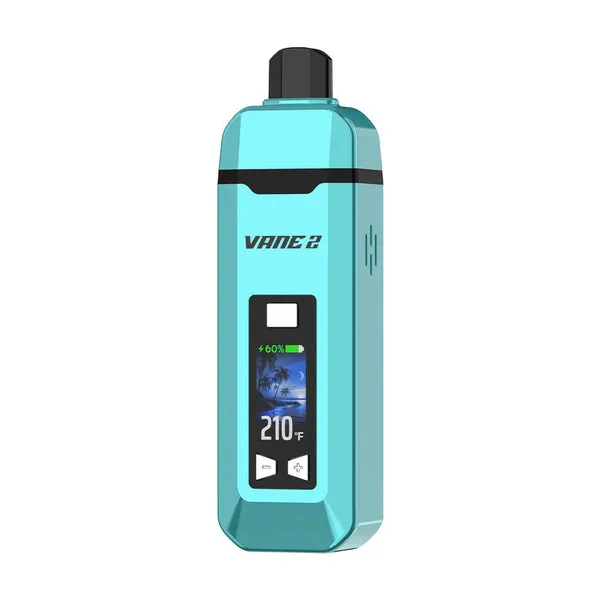
- Check your dry herb vaporizer manual for its recommended settings. The Yocan Vane 2 sold by Discreet Smoker, for example, has an adjustable range of 200°F to 480°F, according to the store.
- Let the chamber cool between back-to-back bowls so residual heat does not push temps over the edge.
Conduction vaporizers in particular can develop hot spots when the herb touches the heating element directly. If you own a conduction unit, stir the bowl halfway through to redistribute material and prevent localized burning.
Poor Grind Consistency Clogs Airflow
Powder-fine herb packs too densely and restricts airflow, forcing hot air through tiny channels that scorch the material. Conversely, chunks leave gaps that unevenly heat the load and create pockets of combustion.
The fix:
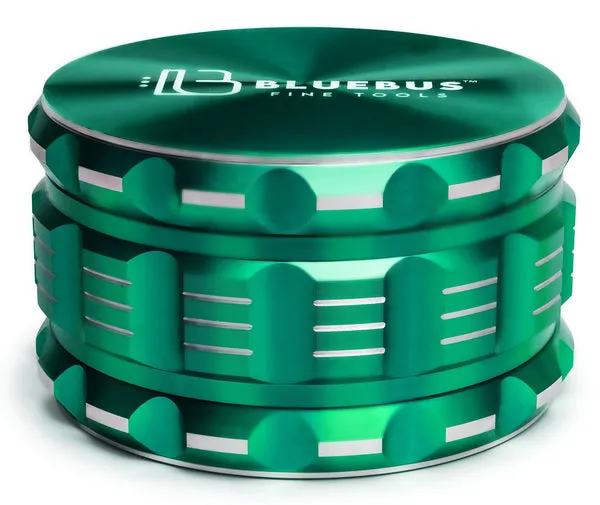
- Use a quality grinder with sharp teeth to achieve a medium, fluffy consistency, think coarse sea salt, not espresso powder.
- Avoid coffee grinders or finger-shredding, both of which produce inconsistent particle sizes.
- For convection vapes, a slightly coarser grind works best; conduction units prefer a finer texture but never powdered.
A three-piece or four-piece grinder has a kief catcher, a bottom chamber that collects the finest particles so fewer of them reach your chamber screen.
Residue Buildup in the Heating Chamber
Old resin and charred plant matter coat the chamber walls and heating element, then re-burn every session. That carbon layer imparts a stale, burnt flavor even when your fresh herb sits at the correct temperature.
Clean your vaporizer regularly:
- Empty the chamber after every session while still warm, residue lifts more easily.
- Brush out loose particles with the included cleaning tool or a small stiff-bristle brush.
- Swab the chamber walls and screen with isopropyl alcohol on a cotton swab whenever you see buildup, or as often as your manual recommends.
- If your manual allows it, soak removable parts (mouthpiece, cooling unit, screens) in iso, rinse with warm water, and air-dry completely.
- Replace screens when they no longer sit flat or show permanent discoloration.
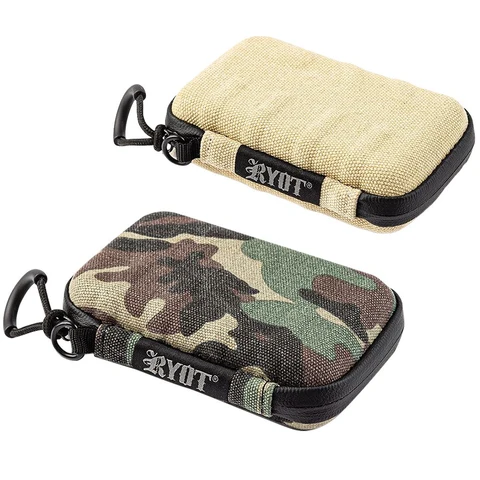
If you carry your device between sessions, a padded case such as the RYOT SmellSafe storage case helps keep dust and pocket lint out of the airpath.
Overpacking the Bowl Chokes Vapor Production
Cramming too much herb into the chamber compresses the material, blocks airflow, and creates uneven heating. The bottom layer scorches while the top stays green, and you taste burnt popcorn on every draw.
How much to load:
- Fill the chamber loosely, leaving room for air to circulate.
- Gently tamp the herb so it sits level but not compressed, you should still see light between particles.
- For session vapes, a smaller load heats more evenly than a large pack.
- On-demand vapes tolerate tighter packs, but airflow should never feel restricted when you take a draw before heating.
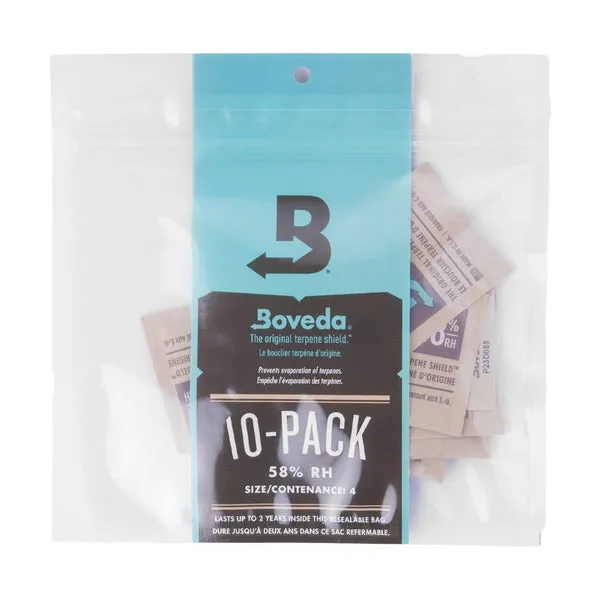
Proper packing also depends on moisture content. Bone-dry herb crumbles into dust and scorches fast, while overly moist material steams instead of vaporizing. Store your herb in a sealed jar with a humidity pack such as Boveda, which the store sells in 58% and 62% versions.
Blocked Airpath or Failing Battery
A clogged airpath forces you to pull harder, which draws excess heat through the chamber and combusts the herb. A worn battery can also make heating slower and less even.
Troubleshooting steps:
- Check draw resistance with the device off. Airflow should feel smooth and unrestricted.
- Inspect the intake vents for resin buildup or debris; clean with a dry brush or compressed air.
- Remove and clean the mouthpiece and any cooling stems; resin condenses here and narrows the vapor path.
- Check battery health: if your vape takes longer to heat up or the session cuts short, the battery may be worn.
- Replace an aging battery if your device allows it, or contact the maker.
For devices that use a usb c type a cable or usb a to c connection, make sure the charging port stays clean and the cable seats fully.
Comparison: Burnt Flavor Fixes at a Glance
| Cause | Symptom | Quick Fix |
|---|---|---|
| High temperature | Harsh, acrid vapor on first draw | Lower the temperature |
| Fine grind | Restricted airflow, hot spots | Use medium-coarse consistency |
| Residue buildup | Stale taste even with fresh herb | Iso-clean chamber and screens |
| Overpacked bowl | Uneven heating, popcorn flavor | Fill loosely, tamp lightly |
| Blocked airpath | Hard draw, inconsistent vapor | Clean vents and mouthpiece |
Which Dry Herb Vaporizer Suits Your Needs?
If you constantly battle burnt flavor on an older unit, it may be time to upgrade. Convection vaporizers heat the air that passes through the herb instead of heating it by direct contact, which lowers the risk of scorching. Whatever you choose, look for adjustable temperature control so you can set the heat to suit your material.
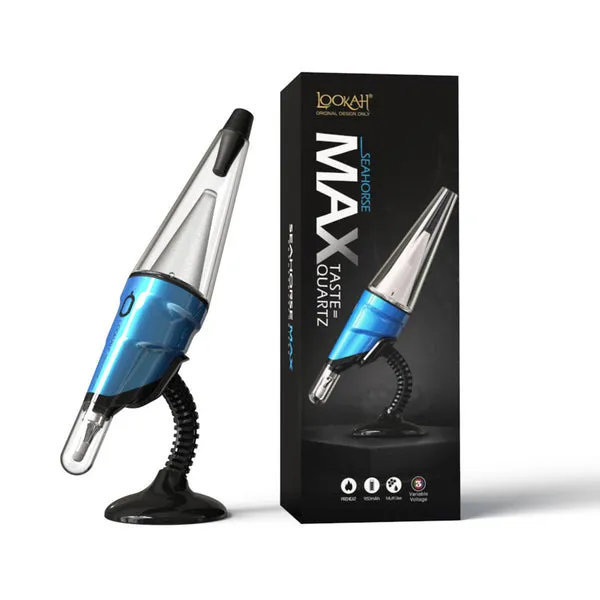
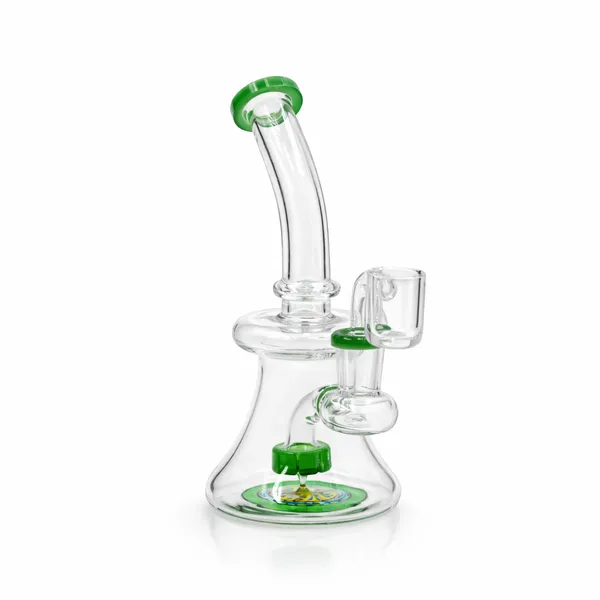
For concentrates, a dedicated seahorse dab pen or dab rig delivers cleaner flavor than mixing wax into a dry herb chamber. If you vape both, keep separate devices or at minimum swap screens between material types.
Final checklist to eliminate burnt taste:
- Start at a lower temperature
- Grind herb to medium consistency with a sharp grinder
- Clean the chamber and screens when you see buildup
- Fill the bowl loosely and tamp lightly
- Check airflow before heating and clear any blockages
- Store herb in a sealed jar with a humidity pack
- Replace screens and batteries when performance drops
Follow these steps and your dry herb vaporizer will deliver smooth, flavorful vapor from the first draw to the last.
Questions
What temperature should I set my dry herb vaporizer to avoid burning?
Start at the low end of your device's range and raise it in small steps between draws. Check the manual for its recommended settings, and turn the heat down if the vapor turns harsh.
How often should I clean my vaporizer chamber?
Empty and brush the chamber after every session, then deep-clean with isopropyl alcohol when you see buildup or as often as your manual recommends. Replace screens when they no longer sit flat or show permanent discoloration.
Can grinding my herb too fine cause a burnt taste?
Yes. Powder-fine herb restricts airflow and creates hot spots that scorch the material. Use a medium-coarse grind similar to coarse sea salt for even heating and smooth vapor.
Why does my vape taste burnt even with fresh herb?
Residue buildup on the chamber walls and heating element re-burns during each session. Clean all surfaces with isopropyl alcohol and replace clogged screens to restore clean flavor.
Does overpacking the bowl make my vaporizer taste burnt?
Yes. Overpacking compresses the herb, blocks airflow, and causes uneven heating. Fill the chamber loosely and tamp lightly so air can circulate between particles.
How do I know if my vaporizer battery is causing burnt flavor?
If your device heats inconsistently, takes longer to reach temperature, or sessions cut short, the battery may be worn. Try it on a fresh charge, and contact the maker about a replacement if performance does not improve.
Products in this guide
 Shopping at Discreet Smoker? See the discount code
10% OFF All Orders