 A CheryLife guide
Do Metal Garden Sheds Rust? Durability and Maintenance Tips
Metal garden sheds, including 12 x 8 garden sheds, resist rust when properly maintained with the right coating, drainage, and seasonal care.
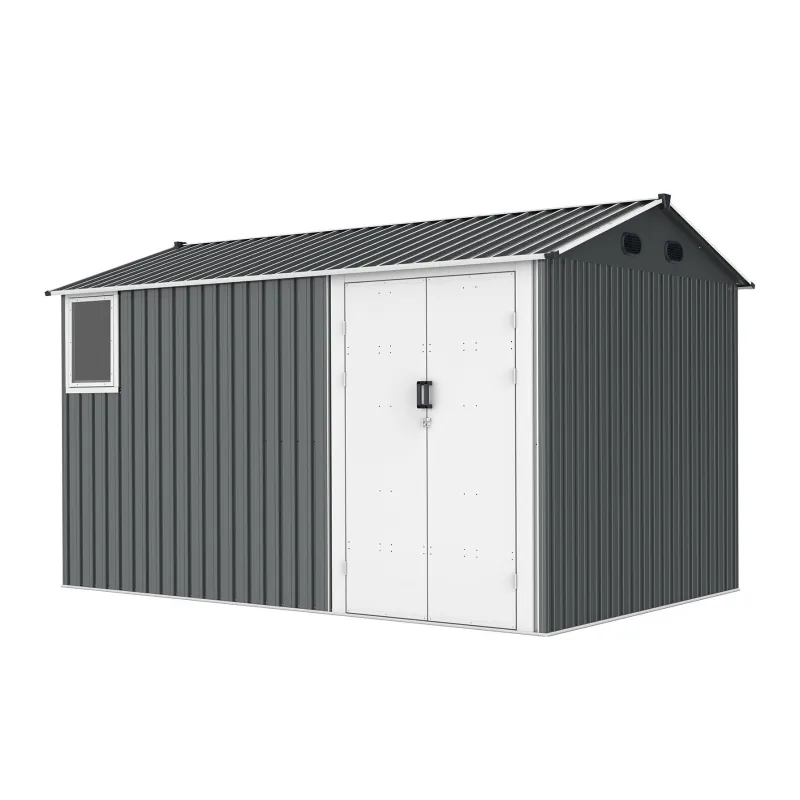
Metal garden sheds, including 12 x 8 garden sheds, do rust over time if left unprotected, but the right maintenance routine stops corrosion before it starts. We’ll walk you through what causes rust, how different metal types hold up, and the specific steps to keep your shed looking solid for years.
Do Metal Garden Sheds Rust?
Yes, bare metal rusts when exposed to moisture and oxygen. However, most quality metal garden sheds come with protective coatings (galvanized zinc, powder-coated finishes, or polyester paint) that prevent rust from forming. The real risk comes after purchase: once that protective layer chips, peels, or wears away, rust develops underneath.
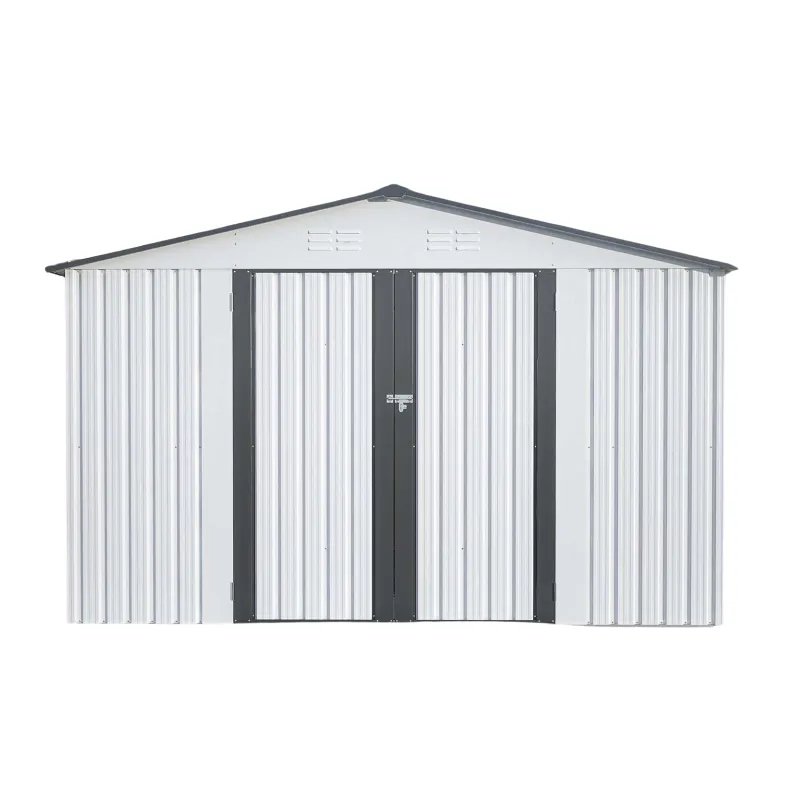
The 8×10 metal shed and other metal options from CheryLife arrive pre-treated, so rust isn’t an immediate concern. But without ongoing care, even coated sheds will eventually show signs of corrosion, especially in humid climates or near coastal areas. Plastic alternatives like a plastic shed skip the rust issue entirely, though they come with their own durability trade-offs.
Understanding Metal Types and Their Rust Resistance
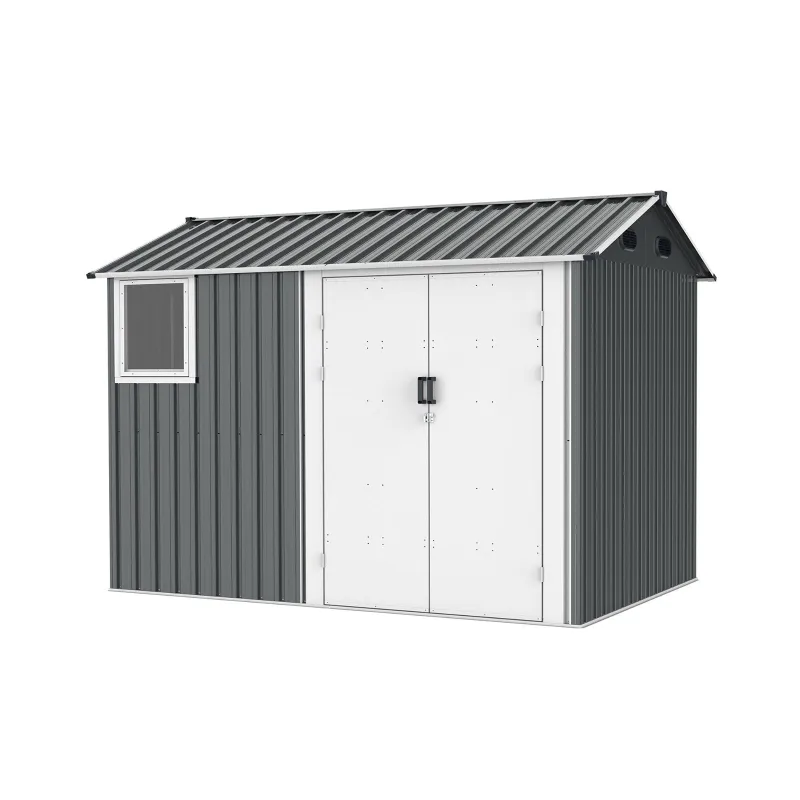
Not all metal sheds are created equal. Galvanized steel is the most common choice for garden sheds because the zinc coating acts as a barrier between the steel and moisture. The storage shed 8×6 and 8×6 shed typically use this standard. Galvanized sheds can last 20 to 30 years with minimal maintenance.
Powder-coated and painted finishes add another layer of defense. These sit on top of the metal and come in various colors to match your garden aesthetic. Some 12 x 8 garden sheds use a combination of both, galvanized steel underneath with a painted or powder finish on top.
Aluminum sheds, less common than steel, naturally resist rust because aluminum doesn’t oxidize the same way. If you’re in a high-moisture environment, aluminum might be worth the extra cost, though most budget-friendly options stick with galvanized steel.
| Metal Type | Rust Risk | Lifespan | Best For |
|---|---|---|---|
| Galvanized steel | Low with care | 20 to 30 years | Most gardens, moderate humidity |
| Powder-coated steel | Very low | 25 to 35 years | Aesthetic appeal, varied climates |
| Aluminum | Minimal | 30+ years | Coastal or very humid areas |
How to Prevent Rust on Your Shed
Start by addressing moisture. Standing water and poor drainage are the fastest routes to rust. Make sure your shed sits on a level, well-draining base, concrete pads or gravel work well. CheryLife offers 10% off sitewide, so now is a good time to grab both a shed and the materials to set it up properly.
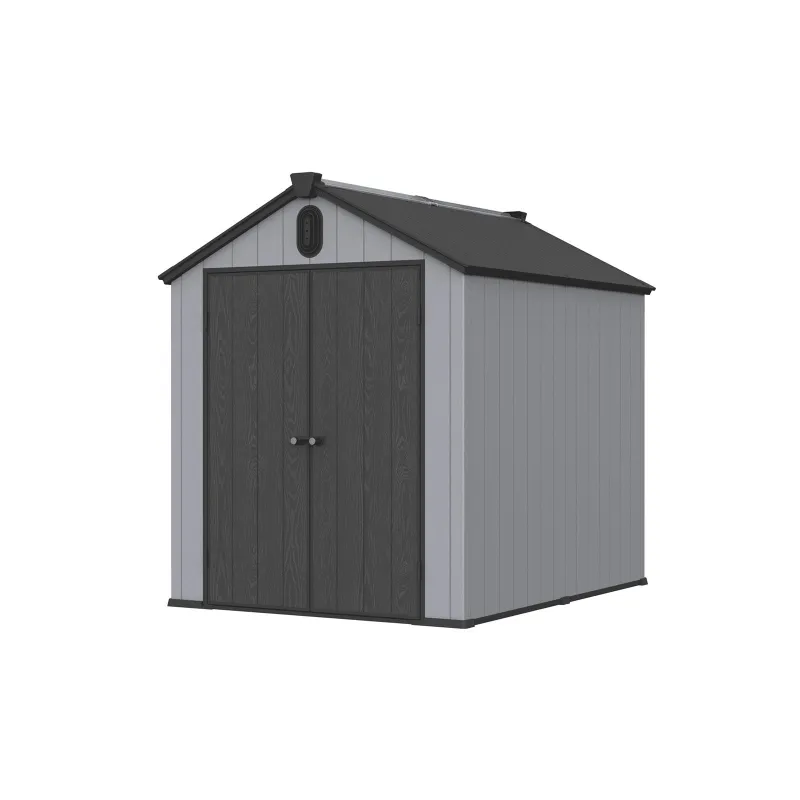
Check your gutters and downspouts regularly. Water pooling along the roof line or running down the walls speeds up corrosion. If your 6×8 storage shed or larger shed doesn’t have gutters, consider adding them to redirect water away from the metal surfaces.
Inspect the roof and seams twice a year, especially after heavy rain or snow. Small gaps let moisture creep in. Use a waterproof sealant on any seams or edges where water might collect. Touch up any scratches or dents in the paint or coating as soon as you notice them, exposed metal is where rust takes hold.
Regular Maintenance Schedule
A little routine maintenance keeps rust at bay. Wash your shed twice yearly with mild soap and water, paying special attention to corners and the roof. Use a soft brush to scrub away dirt and mildew, which trap moisture.
Once a year, inspect for chips, scratches, or rust spots. If you find rust, sand it down to bare metal with medium-grit sandpaper, then apply a rust converter or rust-inhibiting primer, followed by a matching metal-safe paint. For larger sheds like the 20 x 12, break this into sections to stay on top of it.
Ventilation matters too. Ensure vents are clear and open so humid air doesn’t build up inside. Condensation from poor airflow often causes rust on the interior walls, especially in cooler months.
If you live in a coastal area or humid region, apply a fresh coat of protective paint every 5 to 7 years. Standard painted sheds in moderate climates can stretch that to 8 to 10 years. Check the CheryLife discount code page to find current deals on shed treatments and paint products.
Comparing Metal Sheds to Alternatives
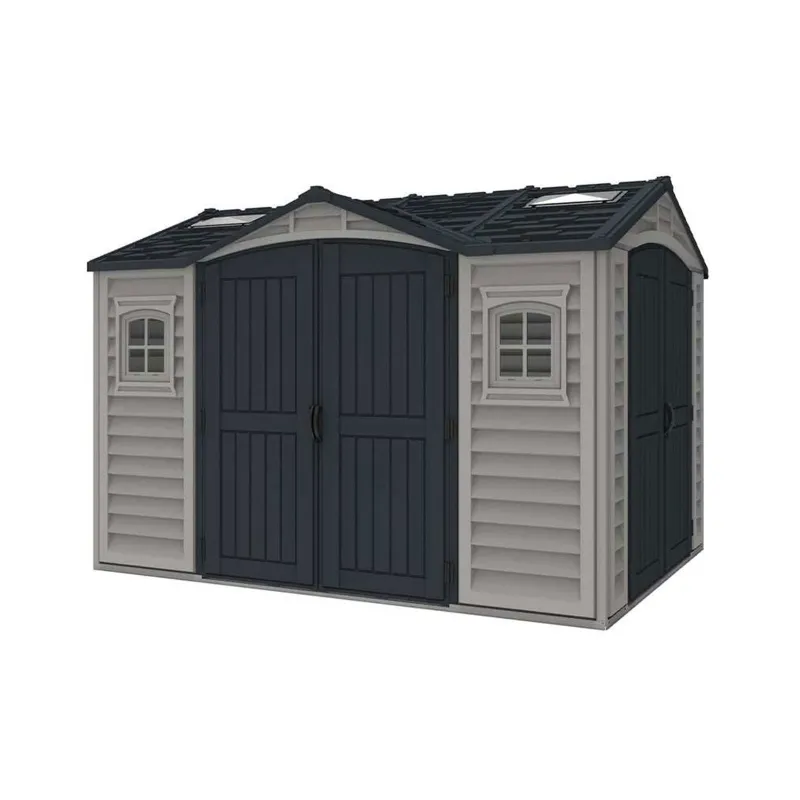
If rust prevention feels like too much work, a plastic shed needs no painting and won’t rust. Plastic sheds are lighter, cheaper, and require almost no maintenance beyond occasional cleaning. The trade-off is durability and appearance, plastic can fade, crack in extreme cold, or warp in direct sun.
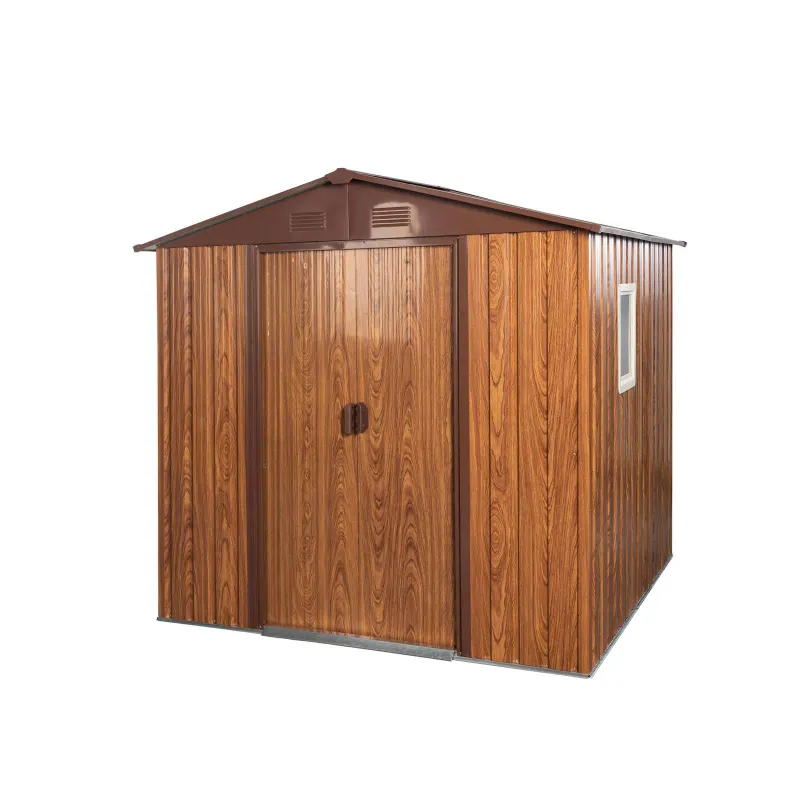
Steel options like the 6×6 shed, shed 6 x6, and storage shed 8×6 look more traditional and last longer if maintained. They’re also stiffer and handle wind and snow loads better than plastic.
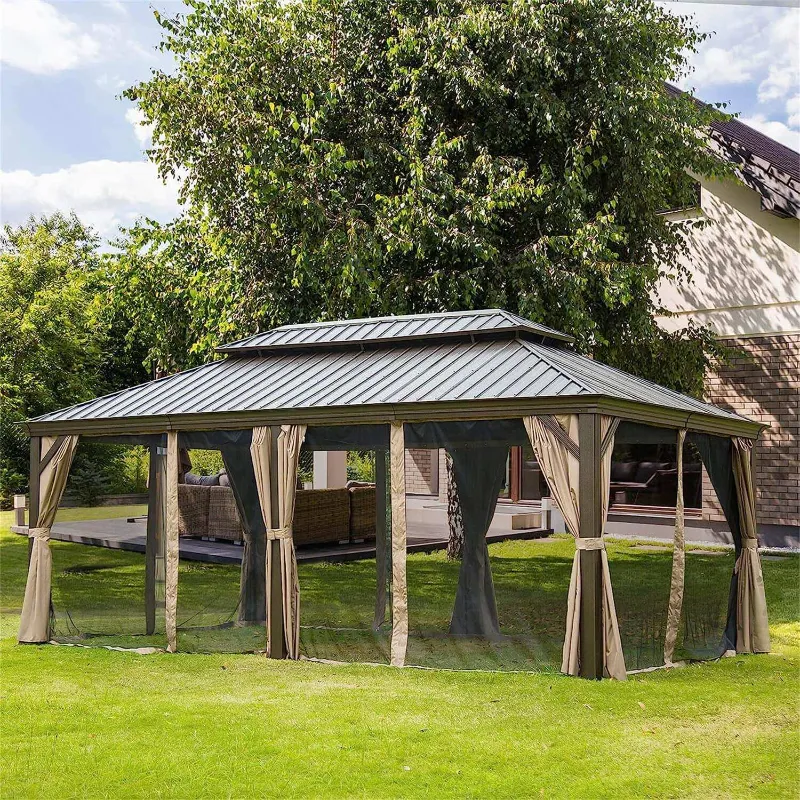
For larger footprints like the 12×20 gazebo or 10 x 10 metal gazebo, metal construction provides better structural support for the span. These are built to last decades with proper care, making them worth the maintenance effort.
When to Replace vs. Repair
Minor surface rust can be sanded, treated, and painted over. Deep rust that’s eaten through the metal is a different story. If you see holes, structural weakness, or rust that returns within a season after repair, the shed is likely nearing the end of its life.
Most quality metal sheds can be repaired and maintained for 20 to 30 years. If yours is showing that kind of corrosion now, replacement might be more practical than constant patching. Check the latest options at CheryLife to compare your current shed against newer models with updated coatings.
Bottom Line
Metal garden sheds, including 12 x 8 garden sheds, don’t have to rust if you keep water off the surface, maintain the protective coating, and catch small problems early. A twice-yearly inspection and annual touch-ups are usually enough to keep galvanized steel sheds looking good and staying strong for decades.
Questions
Do 12 x 8 garden sheds need to be painted?
Most arrive pre-coated with galvanized or powder-coat finishes that protect against rust initially. However, repainting every 8 to 10 years refreshes that protection and prevents rust from forming under chipped paint.
How long does a metal shed last before rusting through?
A well-maintained metal shed lasts 20 to 30 years. With neglect or poor drainage, visible rust can appear within 5 to 7 years. With regular care, you can extend the life well beyond 30 years.
Can I use an 8x6 metal shed in a coastal area?
Yes, but you'll need more frequent maintenance. Salt air accelerates corrosion, so plan for annual inspections, touch-ups, and fresh paint every 5 years. Aluminum sheds are a better choice for coastal climates.
What's the difference between a plastic shed and an 8x10 metal shed?
Metal sheds are more durable and weather-resistant but require maintenance to prevent rust. Plastic sheds need no painting or rust prevention, but they're less durable in extreme weather and can fade or crack over time.
Is it normal to see rust spots on a new metal shed?
Light surface rust can occasionally appear during transport or storage, but it shouldn't be present on a quality shed from the factory. If your new 12 x 8 garden sheds has rust spots, contact the seller, they should provide touch-up paint or a replacement.
How do I know if my shed's rust is repairable?
Surface rust that hasn't eaten through the metal can be sanded, treated, and painted. If you see holes, structural bending, or rust that returns quickly after repair, the damage is too severe and replacement is the better option.
Products in this guide
 Shopping at CheryLife? See the discount code
10% OFF Sitewide
Shopping at CheryLife? See the discount code
10% OFF Sitewide
More in this series
PE Wicker Furniture Care: Keeping Your Outdoor Pieces Looking New28 Aug 20264 minStorage Shed Sizes Explained: Finding the Right Dimensions for Your Needs28 Aug 20264 minForno All’aperto Outdoor Kitchen Setup: What You Need to Know28 Aug 20263 minHow to Choose Between a Gazebo and Storage Shed for Your Backyard28 Aug 20264 minBest Metal Sheds for Small Yards: 6X6, 8X6, and 10X10 Options28 Aug 20263 min