 A Woolove Apparel guide
Merino Wool Base Layers vs Cotton: Which Lasts Longer?
Merino wool underwear womens outlasts cotton in durability, moisture control, and lifespan when properly cared for, making it the better long-term investment for base layers.
Merino Wool Underwear Womens vs Cotton: Which Lasts Longer?
Merino wool underwear womens significantly outlasts cotton base layers in both lifespan and performance. While cotton degrades faster with washing and loses elasticity over time, merino wool maintains its structure, breathability, and temperature regulation through years of wear. The key difference comes down to fiber durability and how each material responds to moisture, friction, and repeated washing.
How Long Merino Wool Base Layers Actually Last
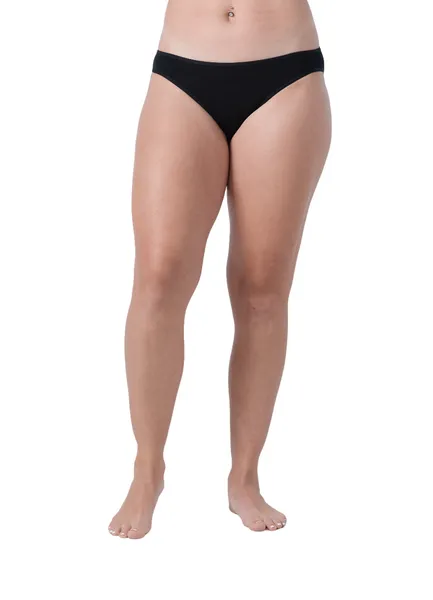
Quality merino wool underwear womens typically lasts 3 to 5 years with regular wear and proper care, and often longer if worn less frequently. Merino fibers are naturally resilient; they return to shape after stretching and resist pilling better than cotton. The wool maintains its antimicrobial properties throughout its lifespan, which means it doesn’t develop odor-trapping issues like cotton does after repeated washings.
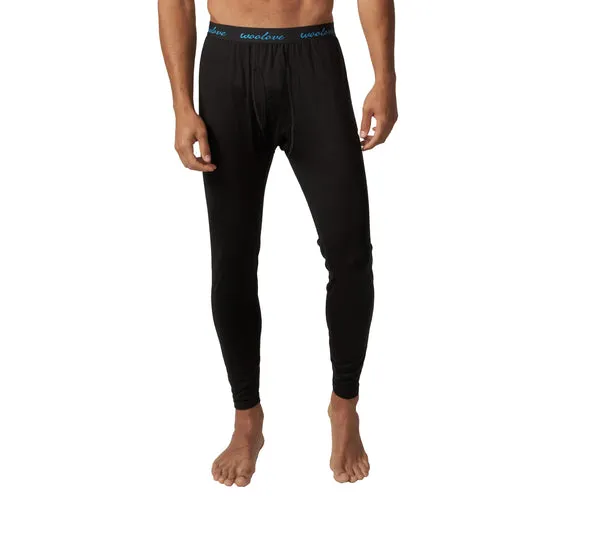
Base layer wool products from Woolove Apparel are engineered specifically for durability. The knit structure of merino base layers resists wear in high-friction areas like the thighs and underarms, whereas cotton begins to thin and weaken in these zones within a year or two of regular activity.
Cotton Base Layers: Why They Don’t Last
Cotton base layers typically wear out in 1 to 3 years of active use. The fibers break down faster when wet, lose elasticity after repeated washing cycles, and are prone to developing permanent odor retention as bacteria embed into the fabric. Cotton also pills more easily and tends to shrink unpredictably, affecting fit over time.
Even “good quality” cotton underwear and tank tops degrade noticeably faster than merino alternatives. The fibers don’t naturally bounce back after stretching, so the garment loses its snug fit and support. If you’re buying replacements every year or two, you’re spending more overall despite the lower upfront cost.
Durability Comparison: Merino vs Cotton
| Factor | Merino Wool | Cotton |
|---|---|---|
| Typical lifespan (regular wear) | 3-5 years | 1-3 years |
| Pilling resistance | Excellent | Poor |
| Shape retention | Maintains stretch | Loses elasticity |
| Moisture resilience | Stronger when wet | Weakens when wet |
| Odor buildup over time | Minimal (antimicrobial) | High (bacteria traps) |
| Shrinkage | Minimal with care | Prone to shrinkage |
Why Merino Fibers Are More Durable
Merino wool fibers are naturally stronger and more flexible than cotton. The protein structure of wool allows it to absorb and release moisture without weakening the way cotton does. When cotton gets wet, it loses up to 50% of its dry strength temporarily. Merino maintains its integrity even when saturated, which is why it performs so well in base layers for active use.
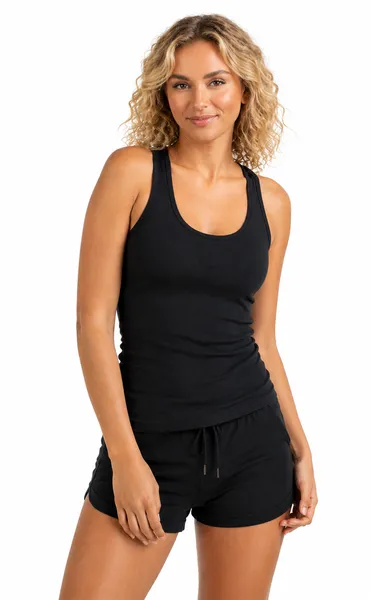
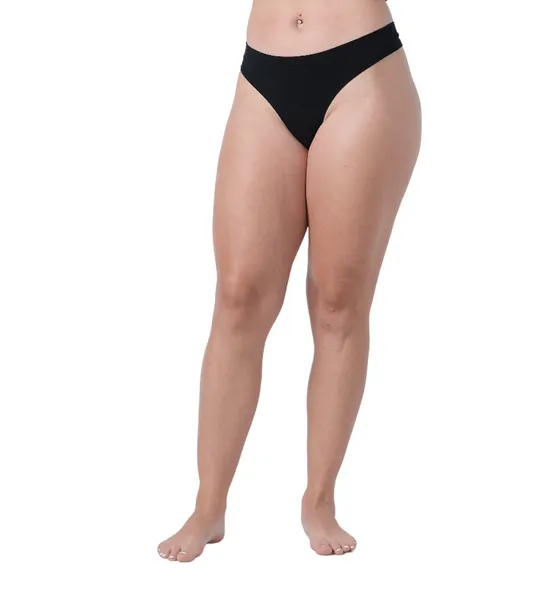
The merino wool racerback tank top and merino thong designs take advantage of this durability. High-stress seams and areas prone to friction hold up because the fiber itself resists breakdown. Over time, this translates to fewer replacements and better value.
Care Tips to Maximize Lifespan
Your merino base layers last longer when you follow these care guidelines:
- Wash in cold water on a gentle cycle to prevent fiber stress
- Use wool-specific detergent or a gentle soap (skip bleach and fabric softener)
- Air dry whenever possible; heat weakens merino over time
- Fold rather than hang to prevent stretching
- Wash after 3-4 wears instead of after every use, since merino’s antimicrobial properties mean it stays fresher longer
Proper care can extend your merino wool underwear womens lifespan by 1-2 additional years, making the investment even stronger.
Who Should Choose Merino Over Cotton
If you’re active (hiking, running, gym work) or live in a humid climate, merino wool underwear womens is the smarter choice. The durability advantage compounds with regular use. You’ll replace cotton multiple times in the span that one set of merino lasts. Over 5 years, you’ll likely spend less on merino despite the higher per-unit cost.
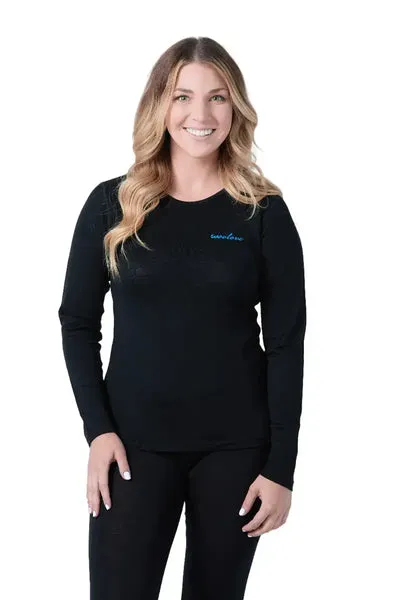
For everyday wear and less frequent washing, cotton is acceptable, though it still degrades faster. But if you’re building a base layer wardrobe for travel, sports, or variable weather, options like sustainable women’s merino tops, wool briefs, and the merino henley will serve you far longer.
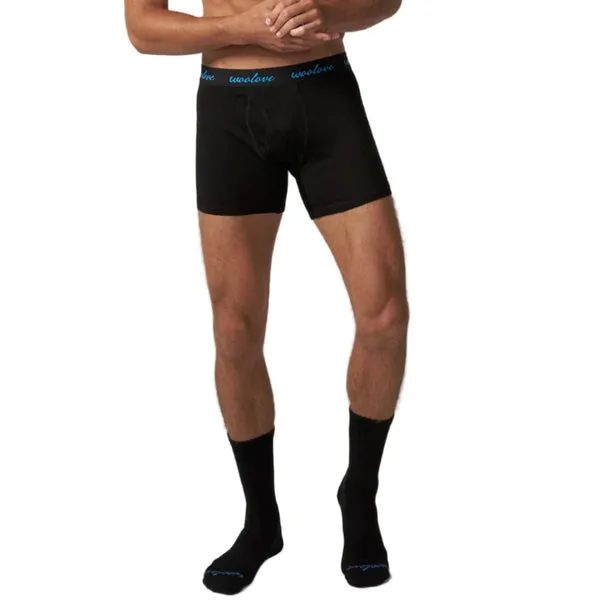
Men’s merino options like the men’s merino boxers brief rusty orange and 180 windsor men’s merino t-shirt follow the same durability advantage, proving the material difference matters across the board.
The Real Cost of Durability
Yes, merino costs more upfront. Check the latest price to see current offers, Woolove Apparel offers 10% off all orders, which softens that initial investment. But when you factor in replacement frequency, the math shifts. A $60 merino piece lasting 4 years costs $15 per year. A $20 cotton piece lasting 1.5 years costs $13 per year, and you’re stuck buying new ones constantly.
Beyond cost, there’s the environmental angle. Fewer replacements means less waste and fewer manufacturing emissions. Merino is also biodegradable, so its end-of-life impact is lower than synthetics.
Best Merino Base Layer Options
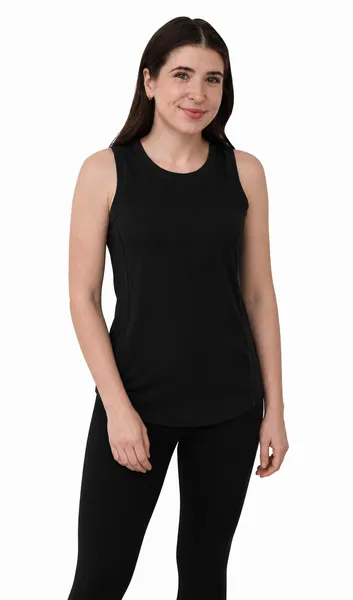
For the best long-term value, pair performance with durability. Merino wool racerback tank top and wool tank top styles are versatile for layering. Base layer wool pieces like the merino wool 1 4 zip add flexibility for temperature shifts without needing multiple layers. For underwear specifically, merino wool thong and merino thong options eliminate VPL while delivering the durability edge.
Grab the code when you’re ready to invest in pieces that last. The 10% discount makes the durability advantage even clearer on the calculator.
Reference: Au Natural Merino Wool Underwear explains how merino’s natural properties contribute to longevity, and Merino Wool Women’s Briefs and Boxers | REI Co-op shows how performance retailers prioritize merino for durability.
Questions
How long does merino wool underwear womens actually last compared to cotton?
Merino wool base layers typically last 3 to 5 years with regular care, while cotton usually wears out in 1 to 3 years. Merino fibers remain stronger when wet, resist pilling, and maintain elasticity far better than cotton, which loses shape and strength with repeated washing.
Why does merino wool underwear womens cost more if it lasts longer?
Merino is a premium fiber that's more expensive to produce than cotton. However, the higher upfront cost is offset by durability. A merino piece worn for 4 years costs less per year than replacing cotton multiple times, plus you avoid the environmental waste of constant replacements.
Does merino wool underwear womens shrink like cotton?
Merino shrinks minimally when cared for properly (cold water, gentle cycle, air dry). Cotton is far more prone to unpredictable shrinkage, which is one reason it loses fit over time even if the fibers don't wear out.
Can I wear merino wool base layers every day without them wearing out quickly?
Yes. Merino's antimicrobial properties mean you can wear it 3-4 times before washing, so you actually wear it less frequently than cotton. This reduces overall stress on the fibers and extends lifespan. Rotate between two or three pieces to let each recover between wears.
What's the best way to care for merino wool underwear womens to keep it lasting?
Wash in cold water on a gentle cycle with wool-specific detergent, air dry, and avoid bleach and fabric softener. These steps prevent fiber breakdown and help your merino maintain its stretch and durability for years.
Products in this guide
 Shopping at Woolove Apparel? See the discount code
10% OFF All Orders
Shopping at Woolove Apparel? See the discount code
10% OFF All Orders