 A Saguaro Shoes guide
What to Look for When Buying Water Shoes and Aqua Shoes for Kids
When you buy water shoes for kids, look for quick-dry uppers, a sole that grips on wet ground, and a secure fit that stays on during play.
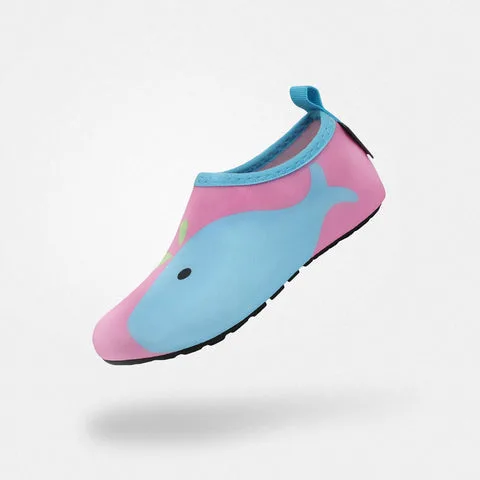
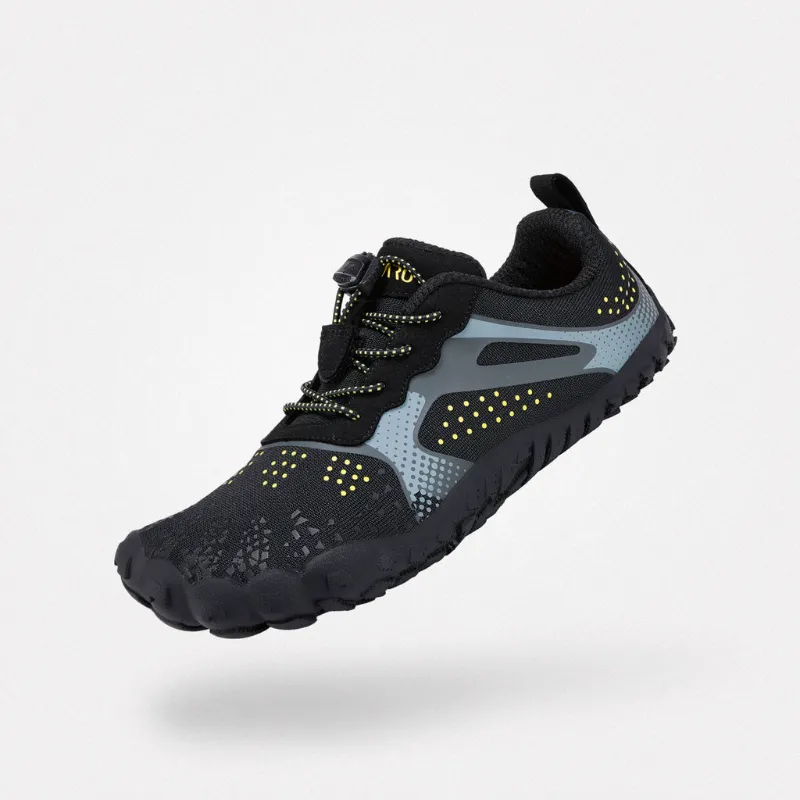
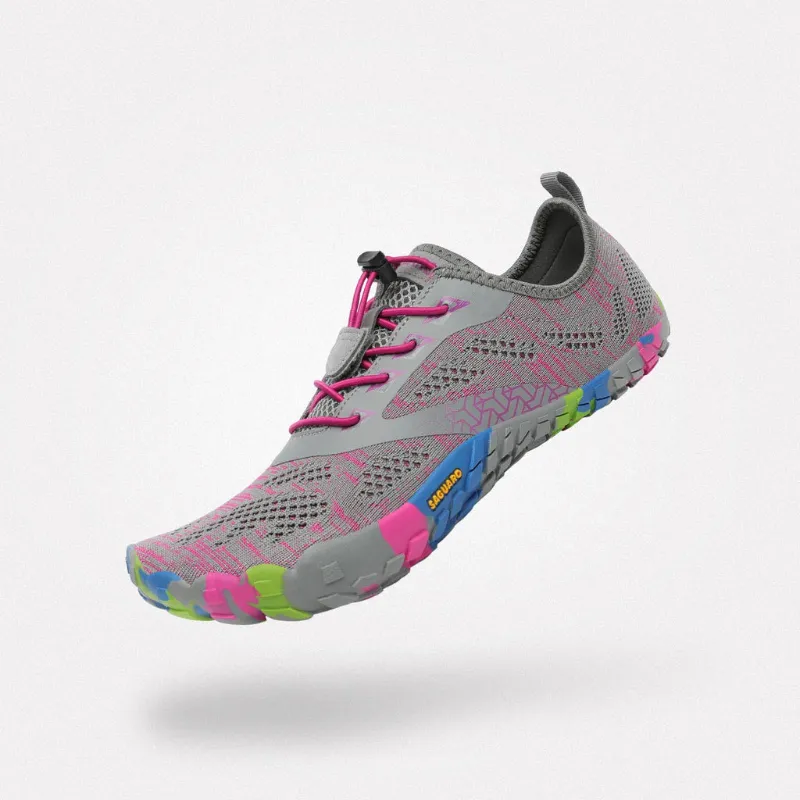
When you buy water shoes or aqua shoes for kids, look for an upper that drains and dries quickly, a sole that grips on wet ground, and a fit that stays on during play. Saguaro sells kids’ aqua shoes such as the Kid’s Aural IV, which its product page describes as a soft microfiber shoe with a flexible sole, and adult water shoes such as the Fast I Aqua for older kids who fit adult sizes. Our Saguaro Shoes discount code page lists the current code and how to use it.
Quick-Dry Materials and Drainage Ports
Look for uppers made from breathable mesh, neoprene, or perforated synthetic fabric. Mesh lets water drain out; a solid rubber upper holds it in.
Drainage ports in the sole let water escape with every step. Several small holes are less likely than one large opening to trap pebbles. The mesh should be tight enough to keep out sand but open enough to release water when your child lifts their foot.
Neoprene offers more warmth for cold lake water, but it takes longer to dry than open mesh. For warm-weather play and quick transitions from water to land, choose a lightweight mesh design. If you are buying several pairs for the season, check our Saguaro code first.
Sole Grip and Traction for Wet Surfaces
A rubber outsole with a textured, multidirectional tread grips wet rocks, boat ramps, and pool tile better than a smooth one. Smooth soles are fine on sand but slippery on wet stone and smooth concrete.
A sole that wraps slightly up the toe and heel adds cover against stubbed toes on rocky ground. Thicker soles put more material between feet and sharp shells or hot pavement, while thinner barefoot-style soles let kids feel the ground.
Check the sole by bending it in your hands. It should flex at the ball of the foot but resist twisting. A sole that folds in half too easily offers no structure, while an overly stiff sole restricts natural movement.
Secure Fit: Adjustable Closures and Toe Protection
Water shoes need to stay on through waves, jumping, and running without rubbing. Elastic laces, hook-and-loop straps, or toggle closures let you set a snug fit that you can adjust when feet are wet.
Avoid slip-on styles with no adjustment for active kids. They slide off in deep water or bunch up uncomfortably when wet. A heel pull tab makes it easier to get shoes on over damp feet, and a closed-toe design covers the toes against rocks and submerged debris.
Look for seamless or flat-seam construction inside the shoe. Raised seams can rub when sand gets trapped between fabric and skin.
Sizing and Barefoot-Friendly Design
Kids’ feet grow fast, but water shoes should fit snugly now rather than a size up. A loose shoe can slip off in the water and rub at the heel. Measure your child’s foot later in the day, then compare it to Saguaro’s size chart. Barefoot styles have a wide toe box so toes can spread, so leave a little room in front of the longest toe.
Barefoot-friendly designs feature a wide toe box, zero heel-to-toe drop, and minimal cushioning. If your child already wears barefoot shoes on land, a barefoot water shoe will feel familiar.
Brands use “aqua shoes,” “swim shoes” and “water shoes” for similar footwear. Focus on the material, sole, and fit rather than the name on the tag.
Age-Appropriate Features: Toddlers vs. Older Kids
Toddlers need maximum toe protection and easy-on closures, since they are more likely to trip on uneven rocks and less able to adjust their own shoes. Look for a reinforced rubber toe cap and a wide opening with a hook-and-loop strap or elastic that stretches over the foot. Bright colors help you spot a wandering toddler on a crowded beach.
Older kids prioritize style and performance. They want shoes that look less “babyish,” often preferring neutral colors or patterns similar to what they see in athletic footwear. Older children also benefit from more aggressive tread if they are hiking rocky trails or exploring tide pools.
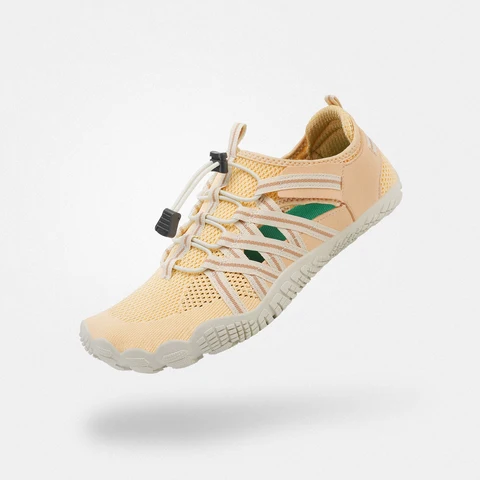
Teenagers who have outgrown kids’ sizes can look at adult styles. For warm days in and out of the water, Saguaro also sells open sandals such as the Breeze IV barefoot sandals.
When to Replace and How to Care for Water Shoes
Replace water shoes when the sole tread wears smooth, the upper fabric develops holes, or the fit becomes too tight. A pair that is rinsed and dried after each use is more likely to last long enough to hand down.
Rinse water shoes in fresh water immediately after use to remove salt, chlorine, and sand. Squeeze out excess water, then air-dry them in a shaded, ventilated spot. Direct sunlight can fade colors and wear down neoprene, and damp shoes left in a bag can grow mold and smell.
For stubborn odors, hand-wash with mild soap and water. Always check the care label before you put water shoes in a washing machine.
Store clean, dry water shoes in a mesh bag or open bin so air circulates. Sealed plastic bags trap moisture. If you are shopping for next season or need several pairs for camp and vacations, check our Saguaro code page before you order.
Quick Comparison: Features by Activity Type
| Activity | Sole | Closure Type | Key Feature |
|---|---|---|---|
| Beach & pool | Thin | Elastic or slip-on | Fast drainage |
| Rocky streams | Thicker | Adjustable strap | Toe protection |
| Boat & dock | Medium | Toggle or lace | Non-marking sole |
| All-day wear | Barefoot zero-drop | Hook-and-loop | Wide toe box |
The right pair depends on where your child spends the most time. For families who split time between sand and rocks, a medium-sole design with adjustable closures covers the widest range of conditions without needing multiple pairs.
Questions
Can kids wear water shoes for swimming in a pool?
Yes, water shoes can be worn for pool swimming if the pool allows footwear. Choose a lightweight mesh design that drains quickly and has a non-marking sole so it does not scuff the pool deck.
How do I know if aqua shoes fit my child correctly?
The shoe should feel snug across the midfoot with no heel slipping, and there should be a little space in front of the longest toe. A good fit stays on during active play without rubbing.
Are barefoot water shoes better for kids than regular water shoes?
Neither is right for every child. Barefoot water shoes have thin, flexible soles and more ground feel, while thicker soles put more material between feet and sharp rocks. Barefoot styles suit kids already used to barefoot footwear, or softer ground like sand and grass. If your child has a foot condition, ask your doctor or a podiatrist first.
How often should I replace my child's water shoes?
Replace water shoes when the sole tread wears smooth, the upper fabric tears, or your child outgrows them.
Can water shoes be worn all day or just in the water?
Water shoes with mesh uppers dry quickly, so they can be worn on land between swims. Look for breathable mesh and a comfortable footbed if your child will wear them for hours at a time.
Do I need different water shoes for toddlers versus older kids?
Toddlers need extra toe protection, easy-on closures, and bright colors for visibility. Older kids prioritize style, aggressive tread for varied terrain, and features similar to athletic shoes.
Products in this guide
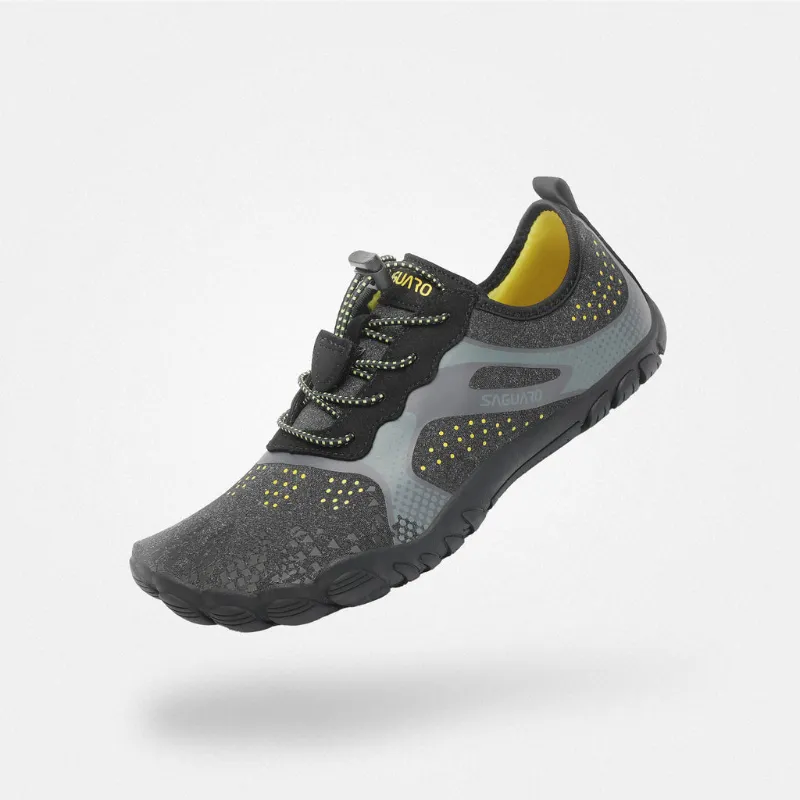 Shopping at Saguaro Shoes? See the discount code
10% OFF Sitewide
More in this series
 Are Barefoot Dress Shoes and Loafers Right for Work? What to Know Before You Buy29 Jul 20264 min
 What to Know About Saguaro Brisk Barefoot Rain Boots29 Jul 20263 minSaguaro Fast I Pro vs Smart II vs Vitality III: Which Is Right?29 Jul 20263 min
 What Do Zero Drop and Wide Toe Box Mean? Saguaro Barefoot Shoes Explained29 Jul 20263 minHow Do You Pick Your Size in Saguaro Barefoot Shoes?29 Jul 20263 min