 A Fortis guide
What to Look for When Buying a Predator Pullover for Fight Training
A predator pullover built for fight training needs moisture-wicking fabric, reinforced seams, and a fit that moves with you during drills.
A predator pullover designed for fight training should prioritize moisture management, durability, and unrestricted movement over fashion-first design. Whether you’re drilling combinations on the heavy bag or warming up before sparring, the right pullover keeps you comfortable without adding bulk or restricting your shoulders and arms.
Fabric and Moisture Management
The fabric determines whether your pullover becomes a second skin or a sweat-soaked distraction halfway through your session.
- Polyester blends with spandex (typically 85/15 or 90/10) offer the best combination of moisture-wicking and stretch for fight training
- Avoid heavy cotton that absorbs sweat and adds weight as you work
- Look for brushed fleece interiors that trap warmth during outdoor runs without overheating during pad work
- Antimicrobial treatments reduce odor buildup when you’re training multiple sessions per day
- Lightweight constructions (6 to 8 oz fabric weight) dry faster and pack easily in your gym bag
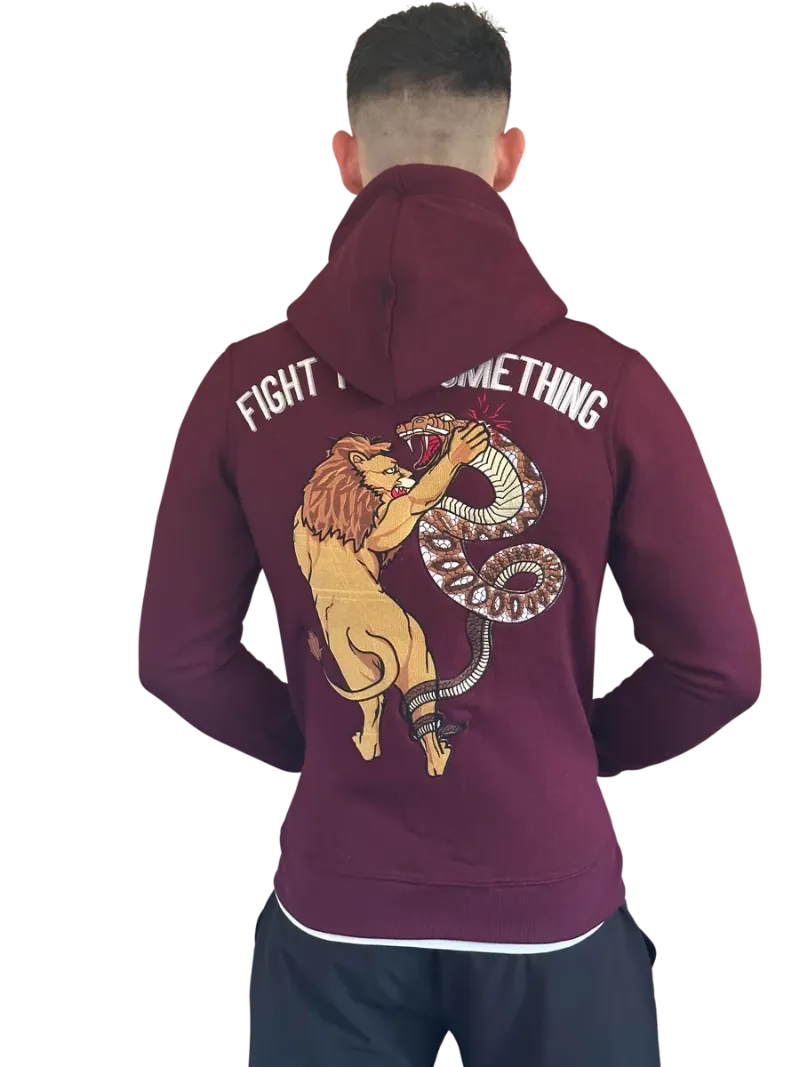
The predator pullover we’ve reviewed uses a technical poly-blend that wicks moisture during warm-ups and stays light even after intense rounds. For complete MMA training setups, explore the full fortis mma range that pairs pullovers with matching training pants and shorts.
Fit and Range of Motion
A pullover that rides up during sprawls or restricts your jab wastes money and focus.
- Raglan or set-in sleeves with gusseted underarms prevent binding when you throw hooks or shoot takedowns
- The hem should hit mid-hip to low-hip so it stays tucked or covers your waistband without bunching
- Slim or athletic cuts reduce excess fabric that catches on gloves or gear, but avoid skin-tight fits that limit shoulder rotation
- Thumbholes keep sleeves in place during shadow boxing and add wrist coverage in cold gyms
- Check that the hood (if included) sits flat and won’t obstruct peripheral vision during partner drills
We recommend trying the pullover through a full shadow boxing round before committing. Stretch the shoulders forward, throw uppercuts, and check for any pulling across the back. If you’re shopping online, check the latest price and confirm the return policy so you can test the fit at home.
Durability and Construction
Fight training is harder on gear than casual gym work, so construction quality directly impacts lifespan.
| Feature | Why It Matters | What to Check |
|---|---|---|
| Flatlock seams | Prevent chafing and resist tearing during grappling | Run your thumb along seams to feel for raised stitching |
| Reinforced elbows | High-wear zones last longer with double-layer fabric or bar-tacking | Look for visible reinforcement patches or denser stitching |
| YKK or quality zippers | Cheaper zippers snag or separate after a few washes | Test the zipper pull several times for smooth operation |
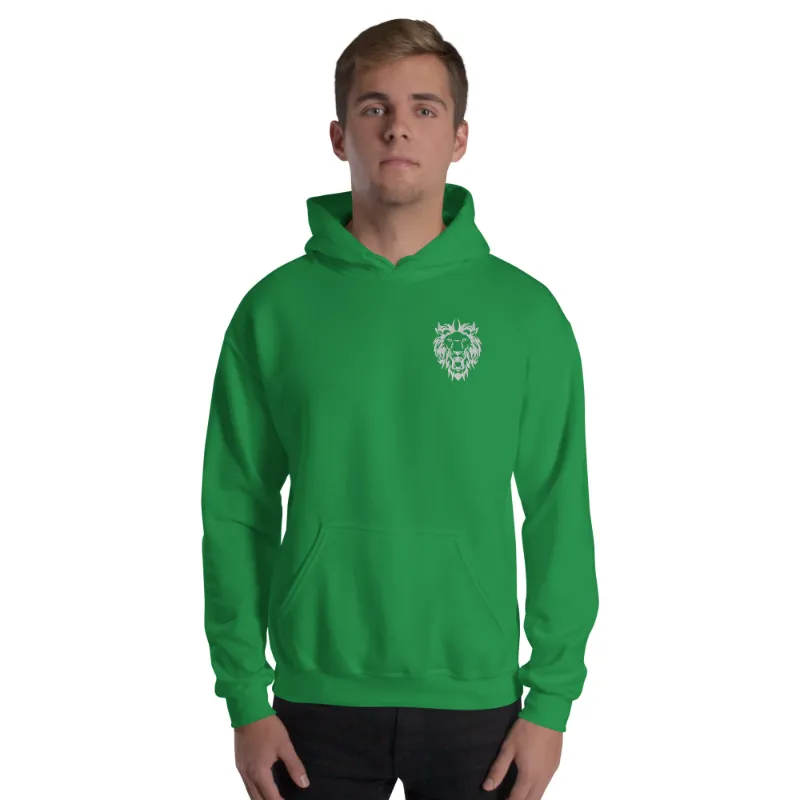
The fortis sports line emphasizes reinforced stress points that hold up to daily training. Before your first session, wash the pullover inside-out in cold water to set the seams and check for any loose threads that need trimming.
Hood Design and Practical Features
The hood can be a training asset or a liability depending on design.
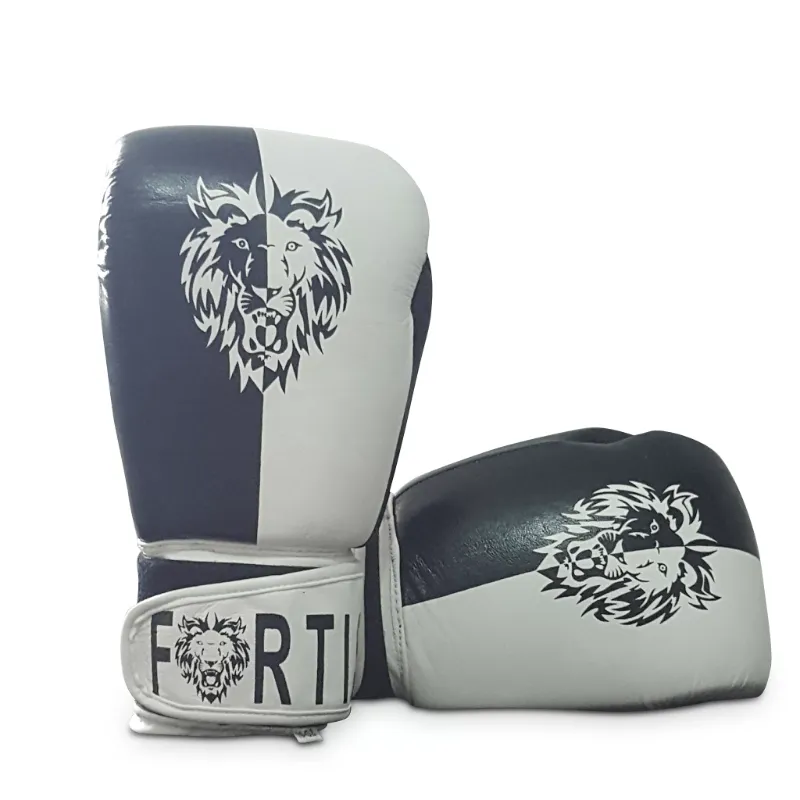
- Three-panel hoods with adjustable drawcords stay in place during movement and provide better coverage than two-panel designs
- A media pocket with a headphone port lets you stay motivated with boxing music during solo bag work or roadwork
- Kangaroo pockets should sit high enough that they don’t interfere with your stance or hand positioning
- Avoid metal grommets or hard plastic tips on drawcords that can scratch you or training partners during clinch work
- Some fighters prefer zip-neck pullovers over full hoodies for easier ventilation adjustments between rounds
If you train outdoors in cold weather, a well-designed hood becomes essential. The pullover should layer easily over a base layer without adding so much bulk that you lose the feel of your guard position.
Sizing and Care Considerations
Most training pullovers run true to athletic sizing, but fabric content affects how they wear over time.
- Poly-blends typically maintain their shape and size through dozens of washes with minimal shrinkage
- Order your normal size for a standard athletic fit, or size up if you want room for layering over a rash guard or compression shirt
- Wash in cold water and hang dry or tumble on low to maximize fabric lifespan and prevent pilling
- Turn the pullover inside-out before washing to protect any printed graphics or logos from abrasion
- Store it dry and avoid leaving it balled up in your gym bag where mildew can develop
Grab the code for 10% off your order and consider buying two pullovers so you always have a clean one ready. Rotating between two extends the life of both by reducing wear frequency.
Who Should Choose a Predator Pullover
This style works best for specific training contexts and athlete preferences.
- Strikers who spend most of their time on bags, mitts, and footwork drills benefit from the unrestricted shoulder mobility
- Cold-weather trainers who run outdoors or train in unheated gyms need the added coverage without overheating during technique work
- Warm-up and cool-down focused athletes who want a layer to throw on between rounds or after stretching
- Fighters who prefer minimal branding and neutral colors that transition from gym to casual wear
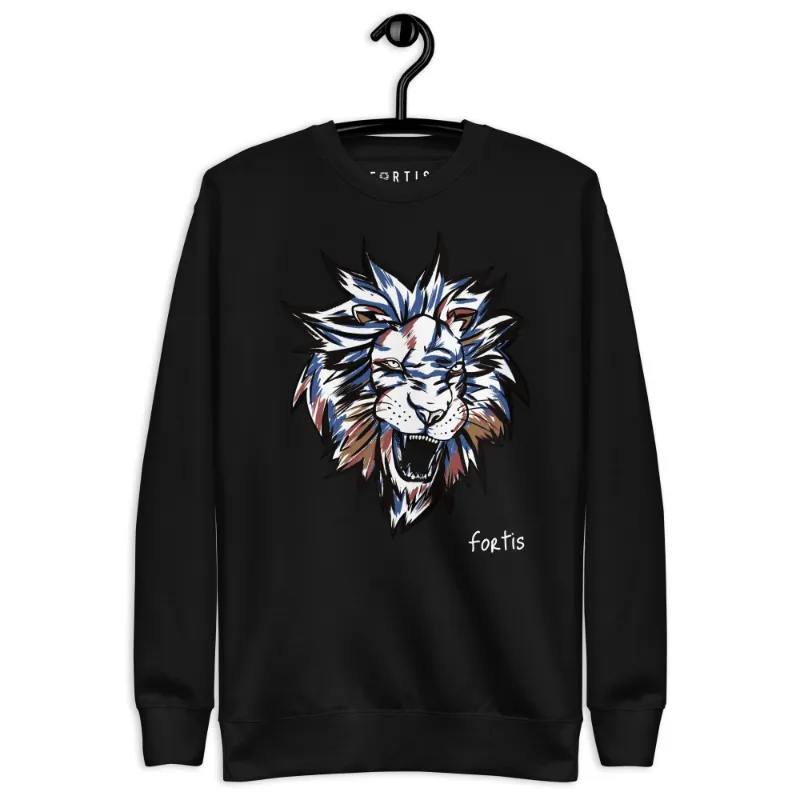
If you’re primarily a grappler or spend most of your time on the mats, a pullover adds unnecessary fabric that can get grabbed during rolls. In that case, stick with fitted base layers or short-sleeve options from fortishe that offer the same moisture management without the bulk.
The right predator pullover becomes an extension of your training routine, reliable enough that you stop thinking about your gear and focus entirely on the work.
Questions
What fabric works best for a predator pullover during intense training?
Polyester blends with 10 to 15 percent spandex offer the best moisture-wicking and stretch for fight training. Avoid heavy cotton that absorbs sweat and adds weight as you work through rounds.
Should I size up or down for a training pullover?
Order your normal size for a standard athletic fit. Size up only if you plan to layer over a rash guard or compression shirt, since most training pullovers already account for movement with athletic cuts.
Can I wear a pullover during grappling and ground work?
Pullovers add fabric that partners can grab during rolls, making them better suited for striking drills, warm-ups, and bag work. Grapplers should choose fitted base layers or short-sleeve options instead.
How do I prevent a training pullover from smelling after multiple sessions?
Look for pullovers with antimicrobial treatments and wash them in cold water after every session. Hang dry or tumble on low, and never leave them balled up wet in your gym bag where bacteria thrive.
What construction features make a pullover last longer?
Flatlock seams, reinforced elbows with double-layer fabric, and quality zippers resist the wear from daily training. Check for bar-tacking at stress points and test zippers for smooth operation before buying.
Are hooded pullovers better than zip-neck styles for training?
Hooded pullovers offer more coverage for outdoor training and cold gyms, while zip-neck styles allow faster ventilation adjustments between rounds. Choose based on your training environment and whether you need quick temperature control.
Products in this guide
Shopping at Fortis? See the discount code
10% OFF All Orders
More in this series
How Long Does Quality MMA Gear Last With Regular Use?2 Sep 20264 minThe Best Workout Music Playlists for Boxing and MMA Training2 Sep 20264 min Do Boxing Movies Actually Improve Your Training Motivation?2 Sep 20265 minFortis MMA vs Other Combat Sports Brands: What Sets It Apart?2 Sep 20265 minHow to Choose the Right MMA Gear for Your First Training Session2 Sep 20264 min