 A Tonum guide
How Long Does Organic Protein Powder Stay Fresh After Opening?
Organic protein powder typically stays fresh for 3 to 6 months after opening when stored properly in a cool, dry place with the container tightly sealed.
Organic protein powder typically stays fresh for 3 to 6 months after opening when stored properly. The exact timeframe depends on the protein source, whether it contains added probiotics or enzymes, and how well you protect it from moisture, heat, and air exposure. Most containers of organic protein powder include a “best by” date that assumes proper storage, but once you break that seal, the clock starts ticking faster than the printed expiration suggests.
What Affects Shelf Life After Opening
Several variables determine how long your protein powder maintains its quality after you first pop the lid.
Protein source plays a major role. Whey and casein powders typically last 3 to 5 months after opening because dairy proteins are more prone to oxidation. Plant-based options like pea, hemp, or brown rice protein often stretch to 5 to 6 months since they lack the same moisture sensitivity.
Ingredient complexity matters too. The best organic protein powder formulas that include probiotics, omega-3s, or digestive enzymes have shorter post-opening windows, often 2 to 4 months, because these active ingredients degrade faster than basic protein isolates.
Storage conditions make or break longevity:
- Temperature stability (cool pantry, not above the stove)
- Humidity control (never store in the bathroom or near the dishwasher)
- Light exposure (opaque containers beat clear plastic)
- Air contact (reseal tightly after every scoop)
Grab-and-go options like protein bars offer more shelf stability than loose powder because they’re individually sealed.
Signs Your Protein Powder Has Gone Bad
You don’t need a lab test to know when your powder is past its prime. Watch for these clear indicators that it’s time to replace your tub.
Smell changes are the most obvious red flag. Fresh protein powder has a neutral, slightly sweet, or earthy aroma depending on the flavor. Rancid powder develops a sharp, sour, or paint-like odor caused by oxidized fats. If your organic protein powder chocolate variety smells like old cardboard or chemicals, toss it.
Texture and appearance also tell the story:
- Clumping or hard chunks (moisture got in)
- Color shifts, especially darkening or yellowing
- Visible mold, which appears as fuzzy spots or discoloration
- Oily film on the surface
Taste is your final checkpoint. Spoiled protein tastes bitter, metallic, or off compared to when you first opened it. According to research on organic protein powders, oxidation affects flavor before it impacts safety, so if it tastes wrong, your body is telling you something.
Best Storage Practices to Maximize Freshness
Proper storage can push your powder toward the 6-month mark instead of forcing you to toss it at 3 months. We recommend these practical steps.
Keep it sealed and dry. Transfer your powder to an airtight container if the original packaging isn’t resealable, or use a bag clip designed for powder products. Every time you open the container, you introduce oxygen and potential moisture.
Choose the right location. Store your organic protein powder in a pantry or cupboard away from the stove, dishwasher, and windows. The ideal temperature range is 60 to 75°F with low humidity. Never refrigerate protein powder unless the manufacturer specifically instructs it, because condensation forms when you pull a cold container into room temperature.
Use clean, dry scoops. Wet or dirty scoops introduce bacteria and moisture directly into your powder. Keep a dedicated scoop inside the container or wash and thoroughly dry your scoop between uses.
Buy the right size. If you only use one scoop per day, a 2-pound container will last roughly 30 servings and sit open for about a month, which is well within the safe window. Bulk 5-pound tubs from organic protein powder costco runs may seem economical, but you’ll waste product if you can’t finish them in time. Check the latest pricing and grab our code to find sizes that match your consumption rate.
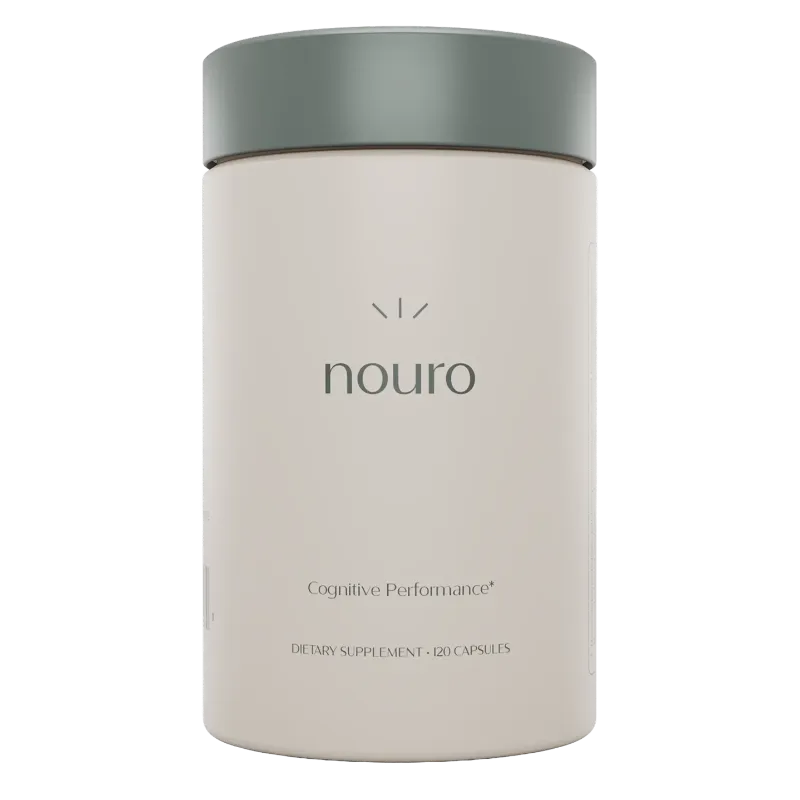
Consider supplements with shorter shelf life separately. Products like vitamin d3 k2 or Tonum totum often come in capsule or liquid form with different storage needs, so keep them in their original containers rather than mixing supplements.
Organic vs. Conventional: Does It Change Shelf Life?
Many shoppers wonder whether choosing organic impacts how long their powder stays fresh. The short answer is yes, but not dramatically.
Organic protein powder benefits from the absence of synthetic preservatives, which means it can have a slightly shorter shelf life than conventional versions loaded with stabilizers. However, the difference is usually just a few weeks, not months. Brands that prioritize quality, like those featured in top organic protein powder reviews, use natural preservation methods such as vitamin E (mixed tocopherols) or rosemary extract to extend freshness without synthetic additives.
The bigger variable is whether you choose whey-based or plant-based protein. Orgain organic protein powder benefits include plant-based formulas that naturally resist moisture and oxidation better than whey, giving you a longer post-opening window regardless of organic certification.
If you’re buying from retailers like vitamin shoppe, compare the manufacturing date on the container (sometimes printed on the bottom) rather than just the expiration date. Fresher stock gives you more time before and after opening.
Extending Freshness for Bulk Buyers
If you stock up during sales or check our Tonum discount page for bulk deals, use these strategies to avoid waste.
Freeze portions you won’t use immediately. Divide a large container into smaller airtight bags or jars, then freeze the extras. Protein powder stays stable in the freezer for up to 12 months. Thaw one portion at a time in the pantry, and use it within the normal 3 to 6 month window after opening.
Track opening dates. Write the date you first opened the container on the lid with a permanent marker. This simple habit prevents guesswork and helps you rotate stock if you have multiple containers.
Prioritize powders with shorter shelf life. If you have both a basic organic protein powder for muscle gain formula and a probiotic-enhanced blend, open and finish the probiotic version first since it degrades faster.
Share with workout partners. Split bulk purchases with friends or gym buddies so everyone gets fresh product without the pressure to consume 5 pounds solo before it spoils.
The key is balancing cost savings against realistic consumption. A great deal becomes expensive if you throw away half the container because it went rancid.
Questions
Can I use organic protein powder after the expiration date?
You can often use protein powder for 1 to 2 months past the printed date if it was stored properly and shows no signs of spoilage like off smells, clumping, or taste changes. The date reflects peak quality rather than sudden spoilage, but always inspect the powder carefully before consuming.
How do I know if my protein powder has gone bad?
Check for a rancid or sour smell, visible clumping or mold, color changes, or a bitter or metallic taste. Any of these signs mean the powder has degraded and should be discarded for safety and quality reasons.
Does refrigerating protein powder make it last longer?
No, refrigeration usually does more harm than good because condensation forms when you move the cold container to room temperature, introducing moisture that causes clumping and spoilage. Store it in a cool, dry pantry instead.
Is plant-based organic protein powder more shelf-stable than whey?
Yes, plant-based proteins like pea, hemp, and rice typically last 5 to 6 months after opening compared to 3 to 5 months for whey-based powders. Plant proteins resist moisture and oxidation better than dairy-derived options.
Can I freeze protein powder to extend its shelf life?
Yes, freezing protein powder in airtight containers or bags extends its life up to 12 months. Thaw one portion at a time and use it within the normal post-opening window of 3 to 6 months.
What size container should I buy to avoid waste?
Choose a size you can finish within 3 to 6 months after opening. If you use one scoop daily, a 2-pound container lasts about a month and stays well within the freshness window, while 5-pound bulk options work best for multiple users or if you can freeze portions.
Products in this guide
Shopping at Tonum? See the discount code
10% OFF Sitewide
More in this series
Why Vitamin D3 and K2 Are Paired Together in Supplements10 Aug 20264 minBest Protein Bars for Post-Workout Recovery That Don’t Taste Like Cardboard10 Aug 20264 minWhat Is Tonum Totum and Does It Actually Work?10 Aug 20264 minVitamin Shoppe vs GNC: Which Health Store Has Better Prices and Selection?10 Aug 20264 minDoes Vitamin D3 K2 Need to Be Taken With Food?10 Aug 20263 min