 A Mauv Studio guide
How Long Do Y2K Belts Last? Chain vs Leather Durability Compared
Y2K belts typically last one to five years depending on material, with chain styles outlasting leather when cared for properly.
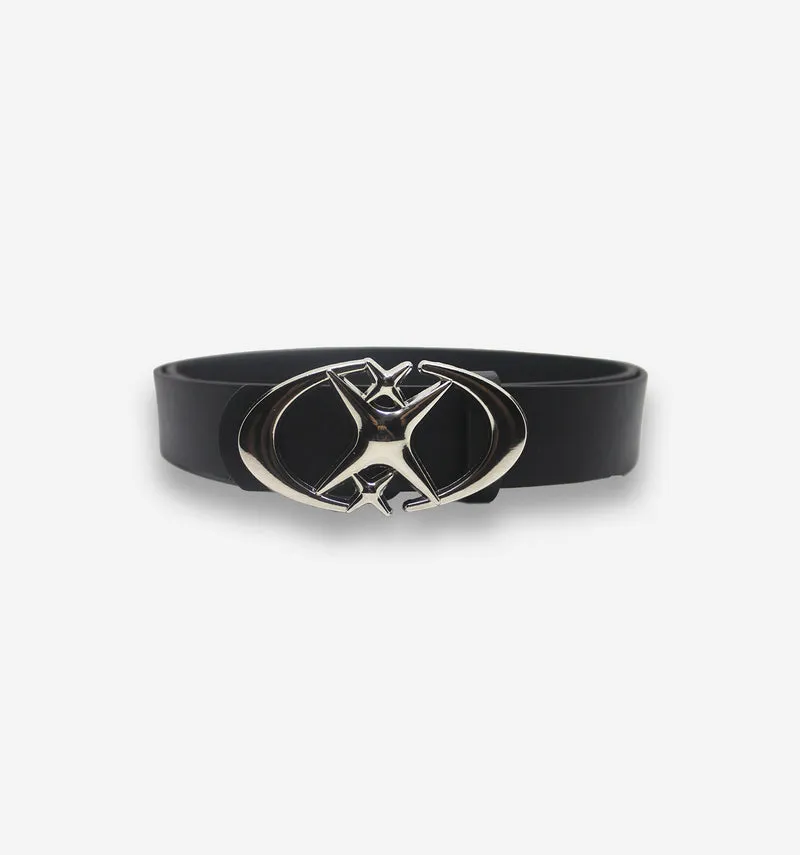
A y2k belt typically lasts between one and five years, depending on the material and how often you wear it. Chain belts can last three to five years with minimal maintenance, while genuine leather versions often reach four to six years if you care for them correctly. Synthetic leather and lower-grade materials usually wear out within one to two years of regular use.
Whether you’re pairing a chain belt with low rise jeans y2k or layering leather over goth outfits, understanding durability saves you money and keeps your look consistent.
Chain Belt Longevity and What Affects It
Chain belts are the workhorses of y2k fashion. Most metal chain designs last three to five years because the material resists stretching, cracking, and moisture damage. Stainless steel and brass chains hold up longest, while plated zinc alloy may show tarnish or flaking after 12 to 18 months of daily wear.
Factors that extend chain belt life:
- Link quality: Welded or soldered links stay intact longer than open jump rings
- Plating thickness: Thicker gold or silver plating delays oxidation
- Clasp design: Lobster clasps and spring rings outlast simple hooks
- Storage habits: Hanging belts prevents tangling and link stress
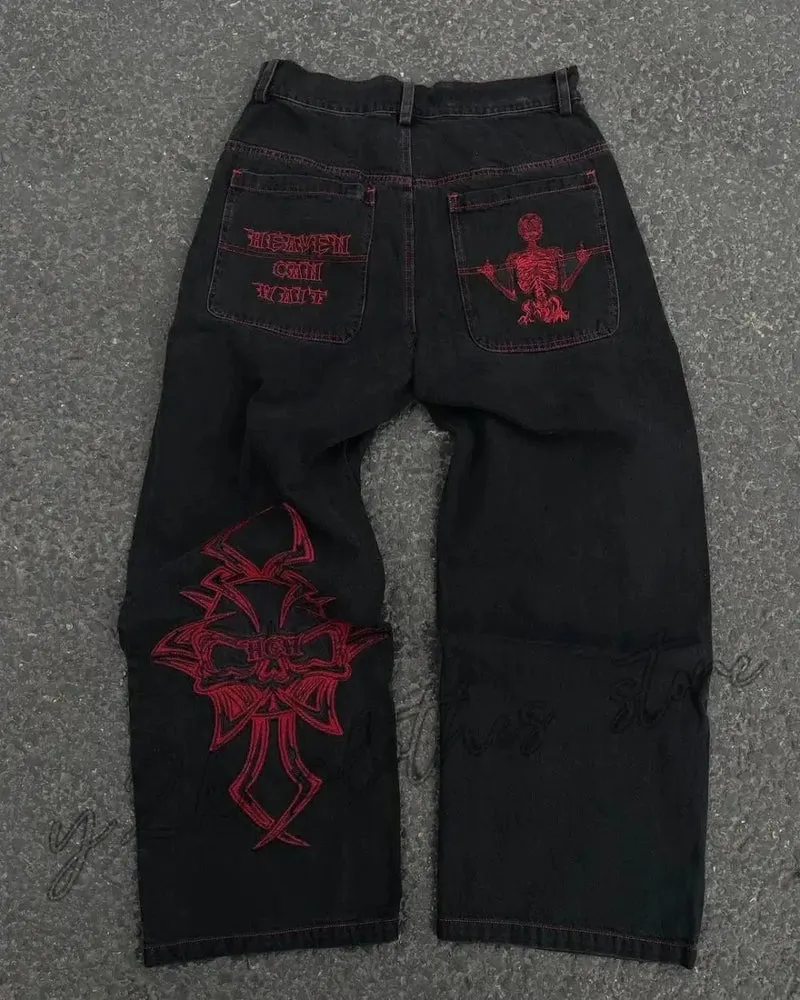
If you wear a chain belt several times a week, check the link welds and plating thickness before you buy, whether you pair it with y2k jeans or y2k tops. The biggest issue is clasp failure, not chain breakage. If you want to grab the code for current styles, you’ll find options in both heavy-duty and decorative weights.
Leather Y2K Belt Durability by Grade
Genuine leather belts outlast synthetic versions by a wide margin. Full-grain leather develops a patina over time and can last four to six years with conditioning. Top-grain leather offers three to five years of solid wear, while bonded or synthetic leather typically fails within one to two years as the surface cracks and peels.
Leather belt lifespan by type:
| Leather Grade | Expected Lifespan | Common Failure Point |
|---|---|---|
| Full-grain | 4-6 years | Buckle hardware |
| Top-grain | 3-5 years | Edge wear |
| Bonded/Synthetic | 1-2 years | Surface cracking |

Leather belts pair beautifully with indie sleaze and dark academia fashion layered over oversized shirts and vintage denim. The natural material breathes better than synthetic options and molds to your waist shape over time, which improves comfort but can stretch the belt by half an inch to a full inch after a year of daily wear.
Conditioning leather every two to three months with a neutral cream prevents drying and cracking. Avoid soaking leather belts or leaving them in direct sunlight, which accelerates deterioration.
Comparing Chain vs Leather for Daily Wear
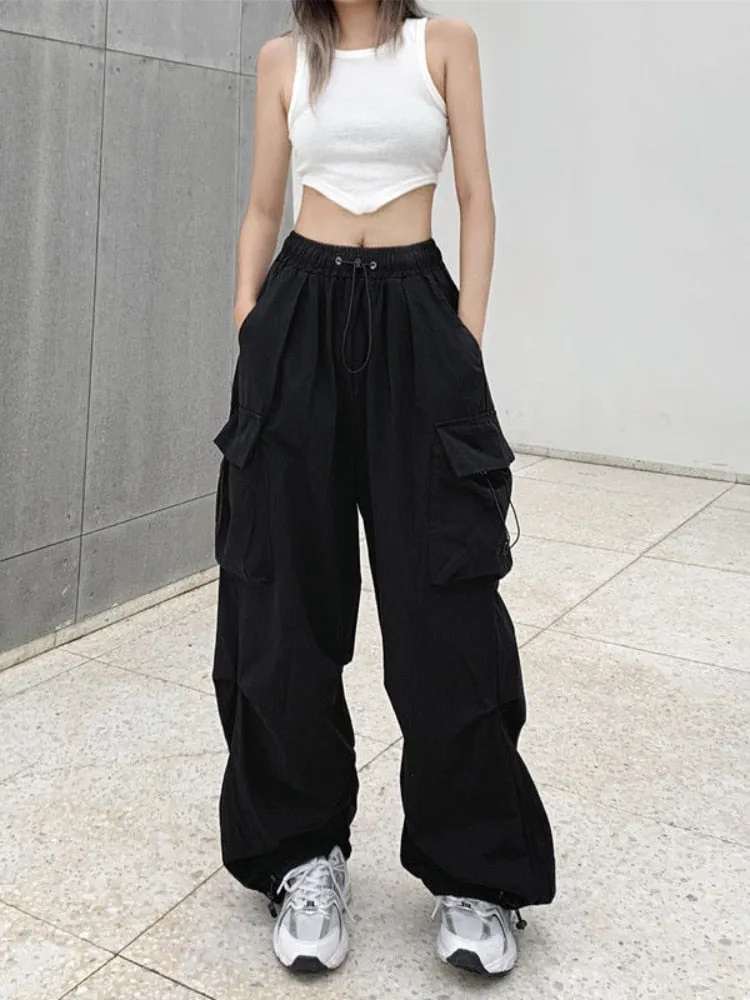
Chain belts win for low-maintenance durability. They tolerate humidity, sweat, and temperature swings without damage, making them ideal if you wear your y2k wardrobe year-round or live in a humid climate. Leather belts require more care but offer a softer, more versatile look that transitions from casual to semi-formal.
When to choose chain:
- You want a statement piece for y2k fashion layered over hoodies or tees
- You live in a humid or rainy environment
- You prefer zero-maintenance accessories
- You layer belts over clothing rather than through loops
When to choose leather:
- You thread the belt through jean or trouser loops
- You want a belt that molds to your body shape
- You prefer a classic look that works with multiple styles
- You’re willing to condition the leather regularly
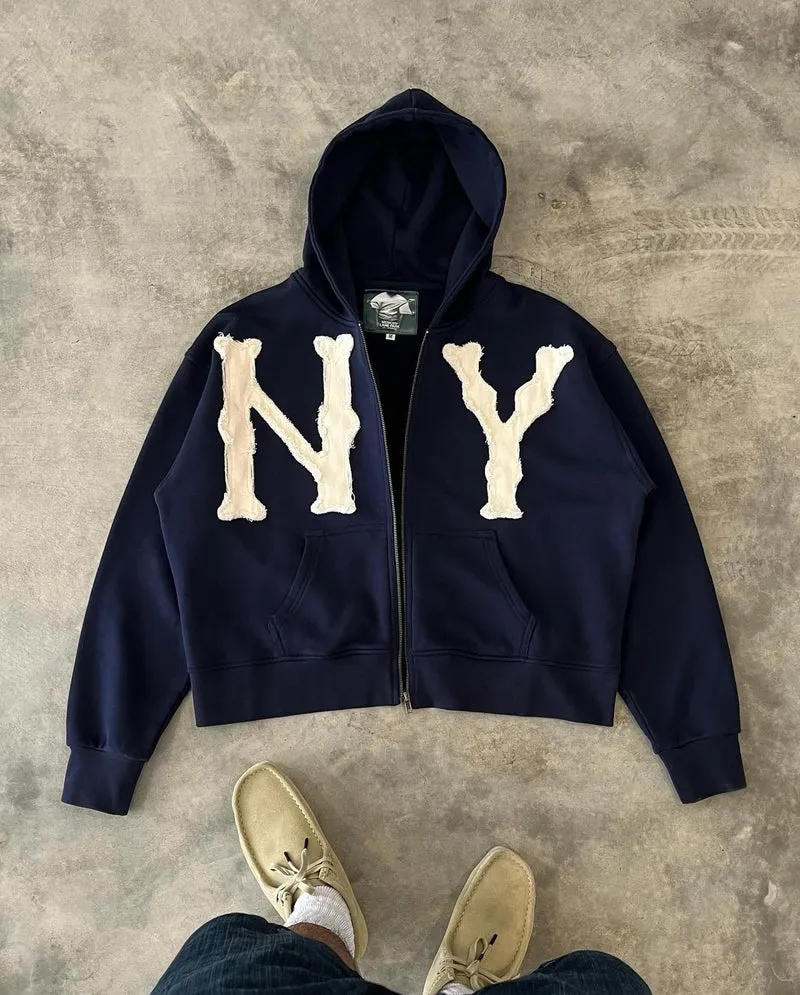
We recommend owning one of each. A chain belt elevates casual y2k tops and a y2k hoodie, while a leather version anchors dressier outfits or completes the low-rise-jean-and-fitted-shirt combination that defines the era.
Signs Your Belt Needs Replacement
Even well-made belts eventually wear out. Recognizing failure points early prevents wardrobe malfunctions and helps you budget for replacements.
Chain belt warning signs:
- Tarnish or plating flakes that won’t polish off
- Broken or stretched links near the clasp
- A clasp that pops open unexpectedly
- Sharp edges where plating has worn through
Leather belt warning signs:
- Cracking along the fold line or edges
- Belt holes that have torn or stretched
- A buckle that no longer holds position
- Surface peeling on bonded or synthetic leather
If you notice any of these issues, it’s time to replace the belt. Continuing to wear a damaged accessory can snag clothing or break at an inconvenient moment. Check the latest price on replacement styles so you can refresh your accessories without waiting for a total failure.
How to Extend Belt Lifespan Across Materials
Simple care habits double or triple the life of most belts.
Universal care tips:
- Rotate your belts: Wearing the same belt daily accelerates wear; rotate between two or three styles
- Store properly: Hang belts on hooks or coil them loosely in a drawer; avoid tight knots
- Clean regularly: Wipe chain belts with a dry cloth after sweating; brush dirt off leather before it sets
- Match weight to outfit: Heavy chain belts stress lightweight fabrics; save them for denim and heavier materials
Chain-specific care:
- Polish tarnished metal with a jewelry cloth every few weeks
- Check clasp function monthly and replace weak clasps immediately
- Avoid chlorine and saltwater, which corrode plating
Leather-specific care:
- Condition every two to three months with leather cream
- Let wet leather air-dry naturally; never use heat
- Punch new holes instead of forcing a stretched belt through the buckle
These steps apply whether you’re styling a y2k shirt with a delicate chain or pairing a leather belt with structured trousers. The effort is minimal and the payoff is significant.
Choosing the Right Belt Material for Your Wardrobe
Your lifestyle and styling preferences should guide your choice. If you wear y2k fashion daily and prefer low-maintenance pieces, a stainless steel or brass chain belt delivers years of reliable service. If you rotate between styles and enjoy the ritual of caring for quality materials, a full-grain leather belt rewards that attention with exceptional longevity.
We also recommend considering how each material pairs with your existing wardrobe. Chain belts add edge to casual y2k clothing and amplify the early-2000s aesthetic that’s central to the trend. Leather belts ground more eclectic looks, working equally well with vintage-inspired goth outfits or minimalist modern pieces.
Budget matters too. While chain belts have a lower upfront cost and longer lifespan, leather belts offer better value if you already own conditioning products and enjoy the evolving patina. Either way, investing in a quality belt from a retailer with a solid return policy protects your purchase.
The Year 2000 problem may have inspired the era’s name, but the fashion has staying power. Choose belts that match that durability and your outfits will stay sharp season after season.
Questions
How long does a y2k belt last with daily wear?
A quality chain belt lasts three to five years with daily wear, while genuine leather belts last four to six years. Synthetic materials typically wear out within one to two years.
Do chain belts tarnish over time?
Yes, plated chain belts can tarnish or flake after 12 to 18 months depending on plating thickness and exposure to moisture. Stainless steel and brass resist tarnish much longer than zinc alloy.
Can I repair a broken chain belt clasp?
Yes, most jewelry supply shops sell replacement clasps that you can attach with pliers. Replacing a clasp extends the belt's life by two to three years if the chain itself is intact.
Should I condition leather belts and how often?
Yes, condition leather belts every two to three months with a neutral leather cream to prevent cracking and drying. This simple step can double the belt's lifespan.
Which belt material works best with low rise jeans?
Both chain and leather work well with low rise jeans. Chain belts create a statement layered look, while leather belts thread through loops for a classic fit. Choose based on your styling preference.
Why does my synthetic leather belt crack so quickly?
Bonded and synthetic leather lack the fiber structure of genuine leather, so they crack and peel within one to two years of regular wear. Upgrading to top-grain or full-grain leather solves this issue.
Products in this guide

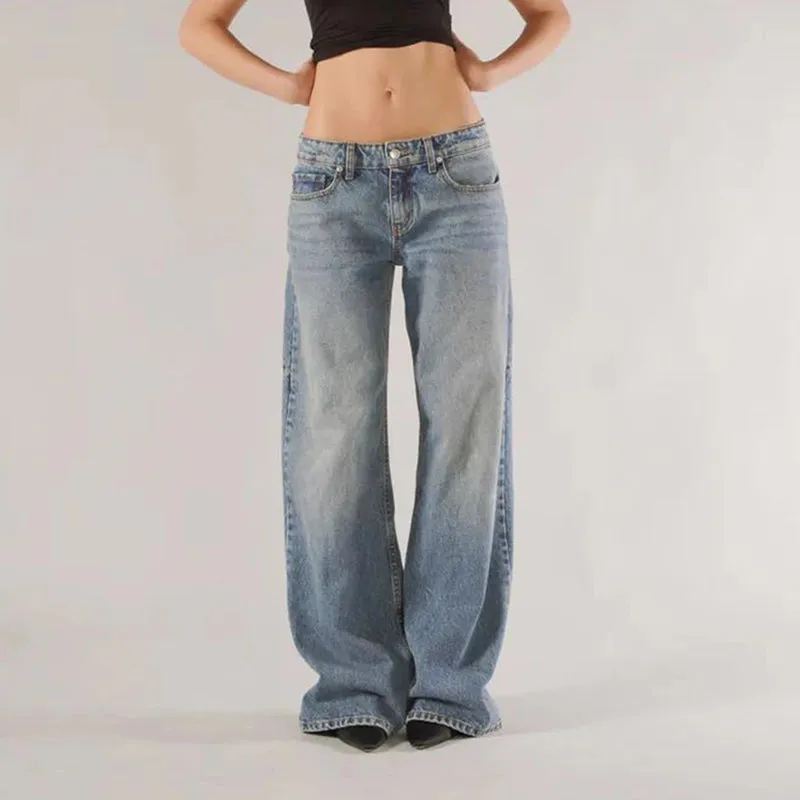


 Shopping at Mauv Studio? See the discount code
20% OFF Sitewide
Shopping at Mauv Studio? See the discount code
20% OFF Sitewide
More in this series
What to Wear With a Coquette Dress: Styling Tips for Different Occasions14 Aug 20265 minBuilding a Dark Academia Wardrobe on a Budget: Essential Pieces to Start With14 Aug 20264 minDo Y2K Baggy Jeans Run True to Size? Fit Guide for Online Shoppers14 Aug 20264 minY2K vs Indie Sleaze: What’s the Difference and Which Style Suits You?14 Aug 20264 minHow to Style Low Rise Jeans Without Showing Too Much Skin14 Aug 20264 min