 A Ashimary Hair guide
Why Your Lace Wig Tape Keeps Slipping (and How to Fix It)
A wig lace wig stays in place when your tape is applied correctly, but moisture, sweat, and improper prep are the main culprits behind adhesive failure.
Why Your Wig Lace Wig Tape Keeps Slipping
A wig lace wig stays secure when your tape is applied correctly, but moisture, sweat, and improper prep are the main culprits behind adhesive failure. The good news: with the right approach, tape slip is preventable.
The Real Reason Your Tape Isn’t Holding
Most wig lace wig slippage happens because of one of three issues: inadequate scalp prep, exposure to moisture, or using low-quality tape. Your hairline naturally produces oils and sweat, and if the skin isn’t clean and dry, even premium adhesive won’t bond properly. Humidity, rain, and swimming all compromise tape grip within minutes.
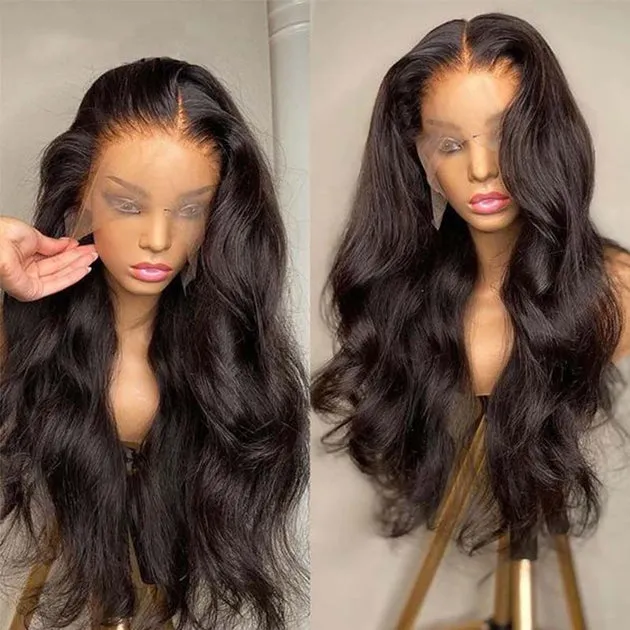
The second factor is tape quality itself. Cheap adhesive loses its tack quickly, especially in warm weather. A wig lace wig with a delicate lace base demands an adhesive that’s specifically formulated for lace, not just any wig tape you find online.
Prep Your Hairline (This Is Non-Negotiable)
Before any tape touches your scalp, your hairline must be clean, dry, and free of product residue.
- Use a gentle cleanser or rubbing alcohol on the hairline to remove oils and old adhesive
- Pat completely dry with a soft towel; moisture kills any adhesive’s hold
- Wait at least 5 minutes after cleaning before applying tape to let your skin normalize
- Avoid serums, moisturizers, or sunscreen on the area where tape will go
- If you have sensitive skin, use a thin barrier balm designed for wig adhesive instead of skipping prep

Your lace front wig or full lace lace wigs depends on this foundation. No tape works on an oily or damp hairline.
Choose the Right Tape for Your Lace Wig
Not all wig tape is created equal. Lace-specific tape is thinner and more flexible than edge control tape, so it conforms to the delicate mesh without tearing it.
| Tape Type | Best For | Durability | Application |
|---|---|---|---|
| Lace wig tape (thin) | Lace wigs, daily wear | 5-8 hours in dry conditions | Edges, perimeter |
| Extra-strong athletic tape | Active wear, outdoor events | 8-12 hours, sweat-resistant | Full perimeter or problem spots |
| Water-resistant adhesive strips | Swimming, humid climates | 4-6 hours wet, longer dry | Strategic reinforcement points |
| Liquid adhesive (glue) | Secure permanent hold | 1-2 weeks | Full hairline (harder to remove) |
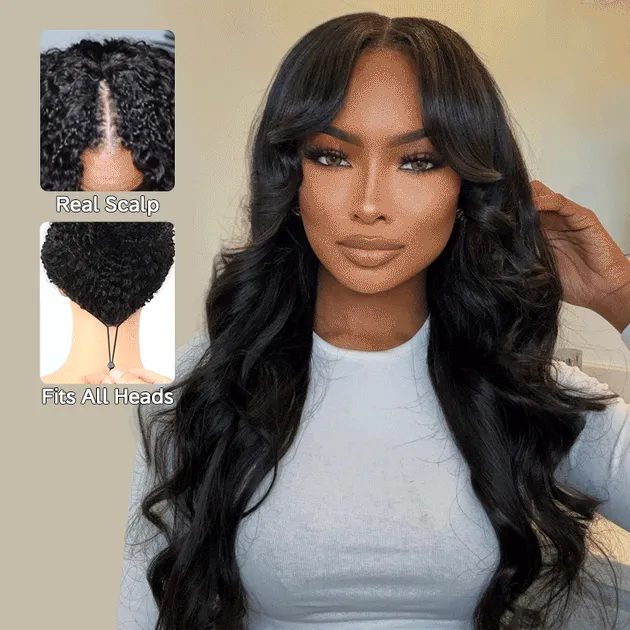
For styles like a v part wig or headband wig, lighter tapes work fine since less surface area is exposed to stress. But for full-coverage styles like a lace front wig, invest in lace-specific strips that won’t damage the base.
The Right Application Technique
Even premium tape fails when applied badly. Here’s how to apply it so it actually holds.
- Cut tape strips 1 to 1.5 inches long; shorter pieces are easier to control and less likely to wrinkle
- Apply tape to the wig base first (not your skin), pressing firmly for 10 seconds per strip
- Starting at one ear, work your way around the perimeter, overlapping slightly
- Leave no gaps; a single exposed area becomes the weak point that causes the whole wig to shift
- Press down on each section one more time after the full hairline is taped
- Wait 2-3 minutes before putting the wig on; adhesive needs time to set
- Once on your head, apply gentle pressure around the edges for another minute to ensure full contact
This method distributes stress evenly and prevents the “peeling from one corner” scenario that triggers cascade failure.
Protect Your Tape from Moisture and Sweat
Even if you apply tape perfectly, sweat and humidity are still the enemy. A wig lace wig won’t stay put if you’re at the gym or outside in summer without a plan.

- Use a sweat-resistant powder or setting spray along the hairline before taping
- Wear a silk or satin scarf under the wig to absorb moisture and reduce friction
- Keep a travel-size blotting paper in your bag to dab away sweat without lifting the wig
- If you’re swimming or in water for extended periods, opt for a pink wig, 613 hair color, or other style you don’t mind getting wet; fully remove the lace wig instead
- In humid climates, reapply tape every 6-8 hours instead of stretching it past its limit
Strategic moisture management extends tape life significantly, especially if you’re active during the day.
When to Replace Your Tape
Tape doesn’t last forever, and knowing when to replace it prevents mid-day slip emergencies.
- If you notice any part of the tape peeling at the edges, the whole strip’s seal is compromised; remove and reapply
- After 8-10 hours of wear, most standard lace wig tape has lost 30-40% of its hold; if you’re going out longer, plan to refresh it
- If your tape has been exposed to rain, sweat, or humidity, replace it before the next wear
- Creasing or wrinkling in the tape means air pockets have formed; peel it back and smooth it down or replace it
Don’t wait until your wig is actively slipping. A quick tape refresh takes 10 minutes and saves you from embarrassment.
Consider Your Wig Style and Coverage
Different wig constructions need different taping strategies. A headband wig or v part wig has a smaller scalp contact area, so tape needs to be precise. A full lace lace wigs option requires coverage across the entire hairline, which means more tape, more prep time, and a stronger adhesive formula.

Similarly, longer, heavier styles like blonde wig wigs or wigs blonde bob create more tension on the tape because the weight of the hair pulls downward. These styles need either extra-strong tape or more frequent reapplication.
For texture-heavy styles like burmese curly crochet hair, the added bulk means extra pressure on the hairline, so your prep and tape choice become even more critical.
Where to Get Quality Tape and Codes
Ashimary Hair carries reliable lace wig tapes and all the products we’ve mentioned, including lace front wig, honey blonde bundles, and 6/13 hair color styles. Grab the code for $40 off all orders and stock up on quality tape and wigs together.
For deeper context on lace wig construction and care, Affordable lace wigs & hair extensions for beginners and Human Hair HD Lace Wigs offer solid technical breakdowns. Understanding how your lace wig is built helps you tape it smarter.
Final Takeaway
Your wig lace wig will stay in place when your hairline is clean, your tape is quality, and your application is precise. Sweat and moisture are your real enemies, not the tape itself. Invest in lace-specific adhesive, prep properly, and refresh your tape before it fails, not after. With this routine, you’ll get the full hold you expect from your lace wig all day long.
Questions
How long does wig lace wig tape usually last before it needs replacing?
Standard lace wig tape typically holds securely for 8-10 hours under normal conditions. Heat, sweat, and humidity reduce that to 4-6 hours. If any edges start peeling, replace the entire strip rather than trying to patch it.
Can I reuse the same tape strips on my wig multiple times?
No. Once tape is removed, it loses its adhesive strength and won't bond the same way. Always use fresh strips for each wear. Reusing tape is a common reason for mid-day slippage.
What's the difference between regular wig tape and lace-specific tape?
Lace-specific tape is thinner and more flexible to protect delicate lace mesh, while regular wig tape is thicker and better for dense cap bases. Using regular tape on a fine lace base can tear or damage the lace.
Should I apply tape to my scalp or to the wig base first?
Apply tape to the wig base first, then position the wig on your head. This ensures even contact and prevents wrinkles or air pockets that weaken the bond.
Why does my lace front wig slip even when I use quality tape?
Slippage usually means your hairline isn't clean enough or was damp when you applied the tape. Oils and moisture are the tape's main enemies. Always cleanse and fully dry your hairline before taping.
Is liquid adhesive better than tape strips for a wig lace wig?
Liquid adhesive provides a stronger, longer-lasting hold (1-2 weeks) but is harder to remove and can irritate sensitive skin. Tape strips are easier to apply and remove daily. Choose based on your comfort level and how long you wear wigs between removals.
Products in this guide

 Shopping at Ashimary Hair? See the coupon code
$40 OFF All Orders
Shopping at Ashimary Hair? See the coupon code
$40 OFF All Orders
More in this series
Caring for 613 Hair Color Wigs: Keeping Blonde Shades Vibrant1 Sep 20265 min Kinky Straight Hair Bundles vs. Crochet Hair: Which Lasts Longer?1 Sep 20264 minDo HD Lace Wigs Really Blend Seamlessly with Your Hairline?1 Sep 20264 minBest Blonde Wig Styles: Lace Front vs. V Part vs. Headband Wigs1 Sep 20266 minHow to Install and Maintain Lace Front Wigs for Natural-Looking Results1 Sep 20265 min