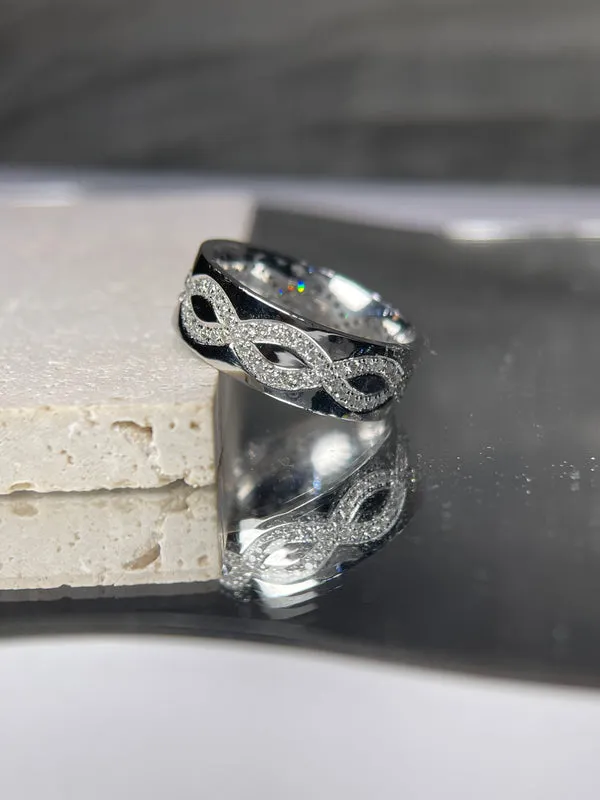
 A North and South Jewelry guide
Lab Grown vs. Natural Diamonds: What North and South Jewelry Customers Should Know
Lab grown diamond rings have the same optical and physical properties as mined diamonds. Here is how they compare on price, resale and care.
Lab grown diamond rings have the same optical and physical properties as mined diamonds, at a different price. Whether you’re shopping for an engagement ring, wedding band, or statement piece, understanding the real differences between lab grown and natural diamonds helps you make a choice that matches your values and budget. You can find the current code on our North and South Jewelry discount code page.
What Are Lab Grown Diamond Rings?
Lab grown diamonds are real diamonds created in controlled laboratory environments rather than mined from the earth. They have the same crystal structure, hardness, and brilliance as natural diamonds. The main differences are origin, availability, and price.
Two methods produce lab diamonds. High Pressure High Temperature (HPHT) mimics the conditions deep in the earth, while Chemical Vapor Deposition (CVD) builds diamonds layer by layer from carbon gas. Both produce stones that are chemically identical to mined diamonds.
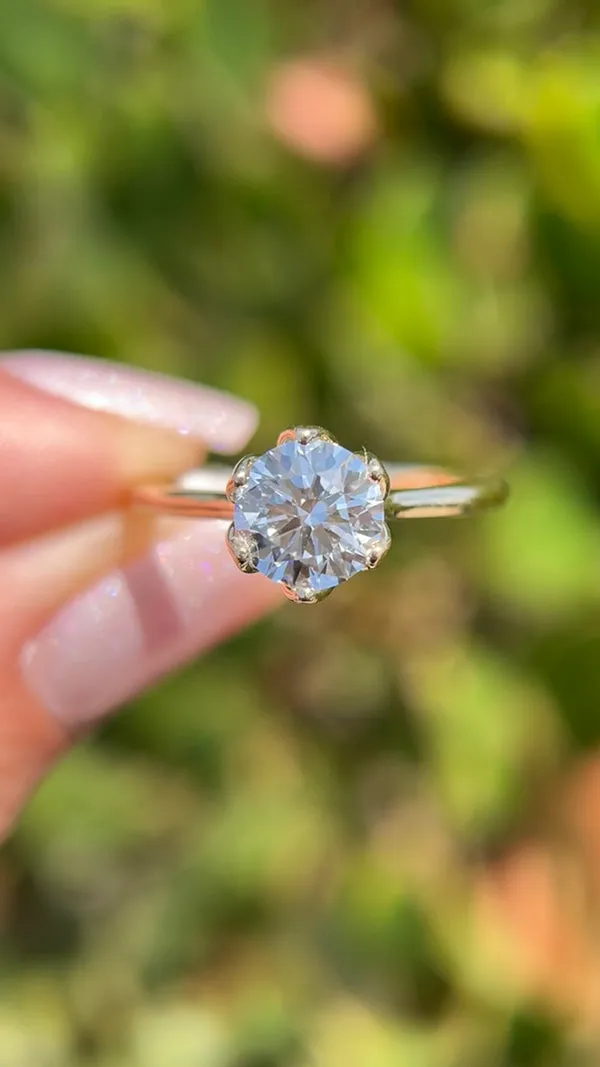
North and South Jewelry carries lab grown diamond rings, including engagement rings, wedding bands, and statement pieces. You’ll find options like the 3.05ct ashley engagement ring alongside other cuts and settings.
Lab Grown Diamond Rings vs. Natural Diamonds: The Real Comparison
| Aspect | Lab Grown | Natural Mined |
|---|---|---|
| Chemical composition | Pure carbon, identical structure | Pure carbon, identical structure |
| Hardness | 10 on Mohs scale | 10 on Mohs scale |
| Cost | Check current prices | Check current prices |
| Environmental impact | Depends on the lab’s energy source | Large-scale mining operation |
| Sourcing transparency | Ask for the grading report | Ask for origin documentation |
| Resale value | Lower secondary market | Established resale market |
Lab grown diamonds are chemically and physically real diamonds. A jeweler’s loupe and standard gemological tools cannot distinguish them from mined stones. The only way to tell is specialized equipment that detects lab origin.
Compare the prices of Lab grown diamond rings against comparable natural stones; any savings can go toward carat weight, cut quality, or the metal setting.
Why Choose Lab Grown Diamond Rings for Engagement and Wedding Rings
For engagement rings and wedding ring sets, weigh lab grown diamonds on two fronts: origin and value. Ask the store for the stone’s grading report so you know its origin.
Compare the color and clarity grades of lab grown diamond rings with natural stones at the same budget.
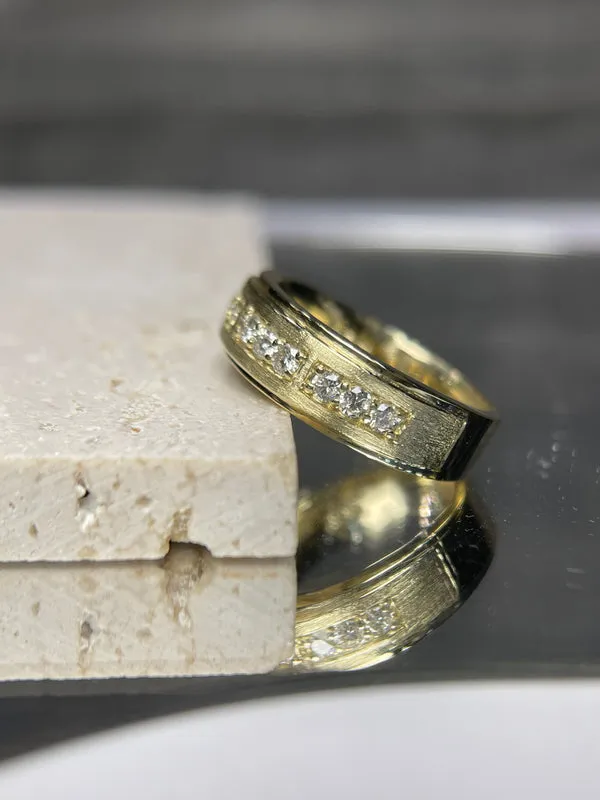
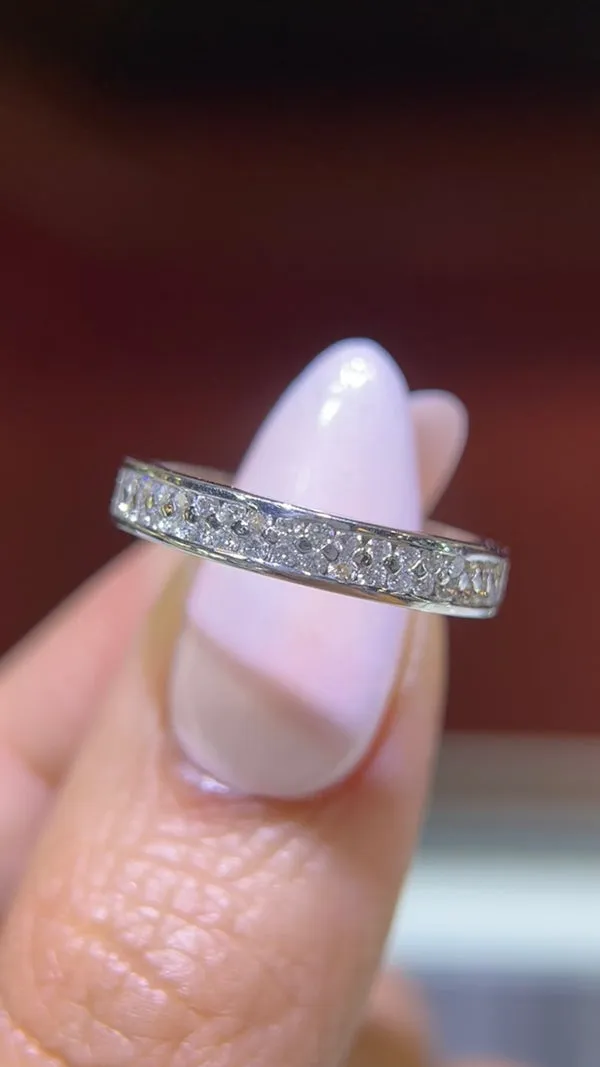
Marriage rings and wedding ring sets pair beautifully with lab grown stones. Whether you want a classic solitaire or a channel set diamond band with accent stones, lab grown diamonds have the same hardness as natural diamonds.
Lab Grown Diamond Rings in Gold: Metal Choices and Styling
Lab grown diamond rings shine in every metal. Gold is one option, with a warm finish.
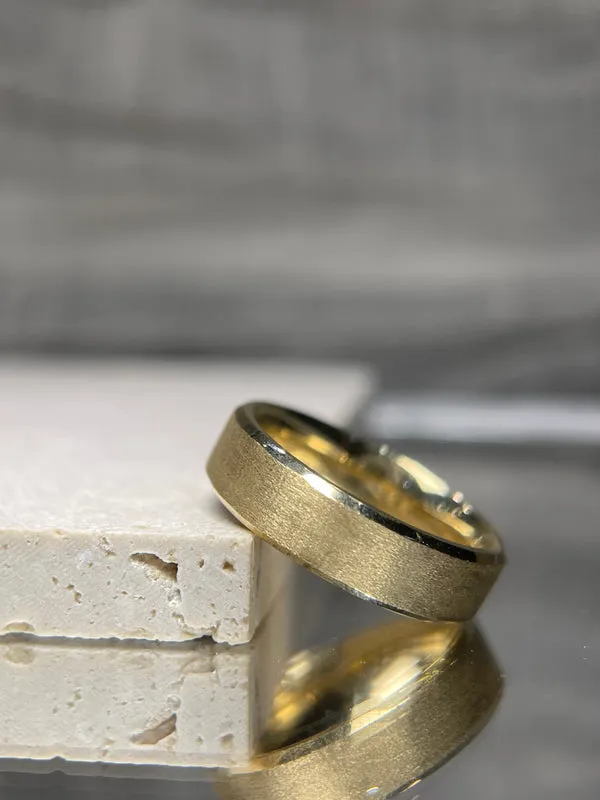
Mens gold wedding bands are another option to compare. The mens 14k gold ring style combines durability with a classic finish. For a modern edge, mens wedding rings with diamonds in white or yellow gold work equally well.
Male gold wedding bands with diamonds range from subtle accent stones to bold statement designs. Platinum and white gold are other options; each metal influences how the diamond’s light plays across the surface.
Consider your lifestyle when choosing metal. 14k gold is harder and more resistant to daily scratching than 18k. Ask the store about care for each metal.
Princess Cut and Statement Styles
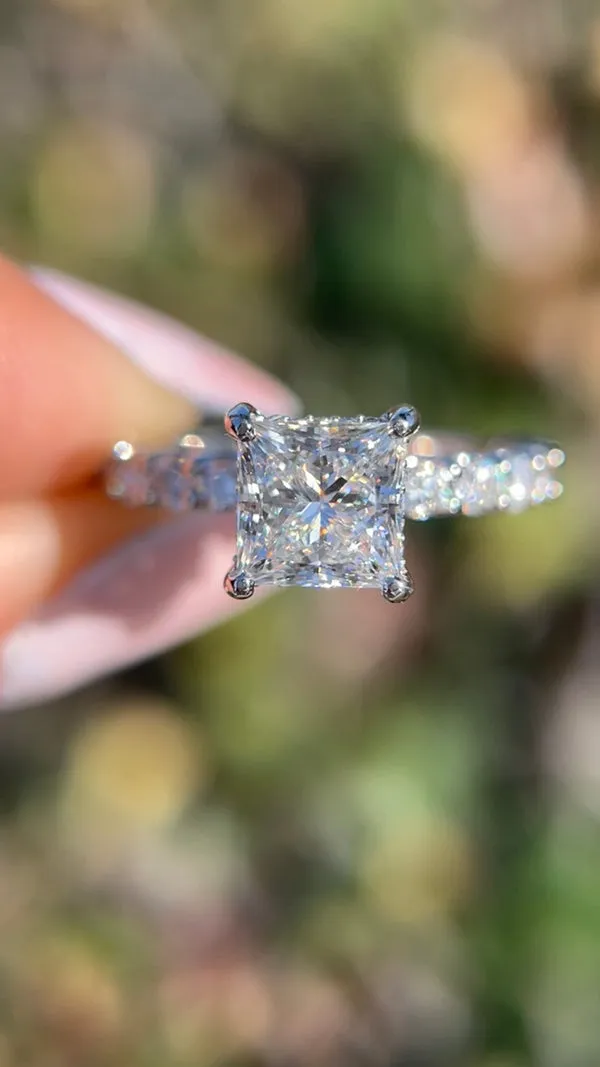
Princess cut rings have a square shape with brilliant faceting.
For a bolder look, cuban link ring and cuban ring styles offer distinctive designs that stand out. These textured, chunky chains pair beautifully with lab grown diamond accents.
Sizing, Durability, and Long-Term Care
Lab grown diamond rings require the same care as natural diamond rings. Both rate 10 on the Mohs hardness scale and resist scratching under normal wear. You can clean them with warm soapy water and a soft brush, or have a jeweler professionally clean them annually.
If your ring needs to be resized, ask the store or a jeweler whether that style can be resized. Have your jeweler check the setting every few years to ensure the stone is secure.
A lab grown diamond has the same hardness as a mined one. The metal setting wears with use, so have it checked, refinished or replated as needed.
Where to Buy Lab Grown Diamond Rings: North and South Jewelry
North and South Jewelry sells lab grown options. Whether you’re shopping for a budget-friendly wedding ring set or a premium 3.05ct ashley engagement ring, browse the lab grown diamond rings to compare styles.
That makes lab grown diamond rings even more accessible, whether you’re buying an engagement ring, a mens 14k gold ring, or a matching channel set diamond band as a wedding gift.
Check each listing for the cut, carat, color and clarity, and read the store’s shipping and returns policy before you buy.
North and South Jewelry describes its lab diamonds as certified, and the 3.05ct ashley engagement ring listing names an IGI graded center stone. Check each listing for its report.
The Bottom Line on Lab Grown vs. Natural
Lab grown diamond rings have the same durability and optical properties as natural mined diamonds. If price matters more to you than resale value, compare lab grown stones first.
If resale value is your top priority, compare the resale market for each type before you buy. If you are buying to wear, decide how much resale matters to you.
North and South Jewelry makes it easy to explore lab grown diamond rings in every style, from engagement rings to mens wedding rings with diamonds.
For deeper background on lab diamond standards, Lab Grown Diamond Rings – Luxury Rings and Lab Diamond Engagement Rings | Austen & Blake USA both offer detailed information on lab certification and quality grading.
Questions
Are lab grown diamond rings as durable as natural diamonds?
Yes. Lab grown diamonds have the same hardness (10 on the Mohs scale) and physical properties as mined diamonds, so they're equally durable for everyday wear.
Can a jeweler tell the difference between lab grown and natural diamonds?
Standard gemological tools cannot distinguish them. Only specialized equipment can detect lab origin. North and South Jewelry describes its lab diamonds as certified, so check each listing for the grading report.
What's the price difference between lab grown diamond rings and natural diamonds?
Prices vary by stone, so compare a lab grown ring with a natural one of the same carat, cut, color and clarity. Any savings can go toward a higher carat weight, better clarity, or a premium setting.
Do lab grown diamond rings hold resale value?
Lab grown diamonds have a smaller secondary market than natural diamonds, so resale value is lower. If you're buying for personal wear rather than investment, decide how much resale matters to you.
What metals work best with lab grown diamond rings?
Lab grown diamonds look stunning in any metal: 14k and 18k gold, platinum, white gold, and rose gold all complement lab diamonds beautifully. Choose based on your lifestyle and style preference.
Where can I find lab grown diamond rings under $500?
North and South Jewelry carries lab grown options at multiple price points, so check current prices on the store. Our North and South Jewelry discount code page lists the current code.
Products in this guide
 Shopping at North and South Jewelry? See the discount code
12% OFF All Orders