 A XIFEI CIGAR ACCESSORIES guide
Does Your Jet Flame Lighter Need a Pipe Cleaner Filter? Maintenance Tips for Torch Lighters
A lighter filter pipe cleaner is essential maintenance gear for keeping your jet flame lighter firing cleanly and reliably.
Does Your Jet Flame Lighter Need a Lighter Filter Pipe Cleaner?
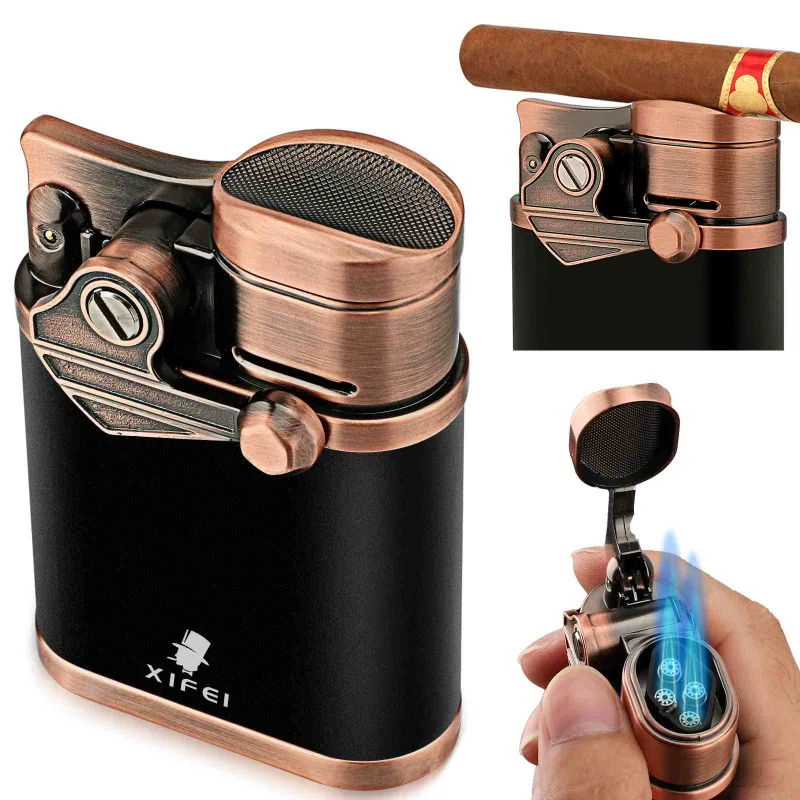
A lighter filter pipe cleaner is essential maintenance gear for keeping your jet flame lighter firing cleanly and reliably. If you own a jet flame lighter or other torch lighters, the filter and internal passages collect debris and carbon buildup over time, which can cause inconsistent ignition, weak flames, or complete failure. We’ll walk you through why this simple tool matters and how to use it correctly.
Why Torch Lighters Collect Debris
Jet flame lighters work by forcing pressurized butane through a fine nozzle to create an intense, windproof flame. That same pressure also draws in microscopic particles of dust, lint, and residual carbon from previous fuel loads. Over weeks or months, this buildup clogs the lighter’s internal filter and fuel valve. A pipe cleaner filter lighter design specifically targets these tight passages, clearing blockages that would otherwise force you to replace a perfectly good lighter.
The problem compounds if you refuel frequently or use lower-quality butane. Each refill introduces a small amount of moisture and particulate matter that can deposit inside the chamber.
How a Lighter Filter Pipe Cleaner Works
The lighter filter pipe cleaner is a thin, flexible brush made of wire core wrapped in absorbent nylon fibers. You gently insert it into the fuel valve or air intake port of your lighter and rotate or push it back and forth to dislodge carbon and debris. The nylon catches particles while the flexibility lets you navigate the narrow fuel passages without forcing or damaging the valve assembly.
Unlike harsh solvents or compressed air, this manual method gives you control and visibility. You can feel resistance and see exactly what’s coming out. Most jet flame lighter owners find a quick 30-second cleaning every 3-4 refuels keeps performance optimal.
Step-by-Step Cleaning Process
- Empty the lighter – Use the fuel purge valve to release all butane. Wait a few minutes to ensure pressure is fully released.
- Locate the intake port – Most torch lighters have a small air intake hole near the fuel valve; some have both. Check your manual for the exact location.
- Insert the lighter filter pipe cleaner – Gently push the pipe cleaner into the port; it should slide in with light resistance.
- Work it gently – Rotate and push the cleaner back and forth for 10-15 seconds. Do not force it; if you feel hard resistance, stop and try a different angle.
- Inspect the cleaner – When you withdraw it, you’ll often see black residue on the nylon, which means it’s working.
- Repeat if needed – For heavily used lighters, pass the cleaner through 2-3 times until it comes out mostly clean.
- Refuel and test – Refill with premium butane and test the flame. It should be noticeably hotter and more consistent.
Materials and Build Quality Matter
Not all lighter filter pipe cleaners are equal. Cheaper versions use stiff wire that can actually scratch or damage the valve seat, creating a fuel leak. Quality options use a softer brass or stainless steel core with dense nylon bristles that clean without scratching.
When you grab the code at XIFEI, you’re getting versions designed for precision work. The bristles are packed tightly enough to catch fine carbon particles but loose enough to flex around valve geometry.
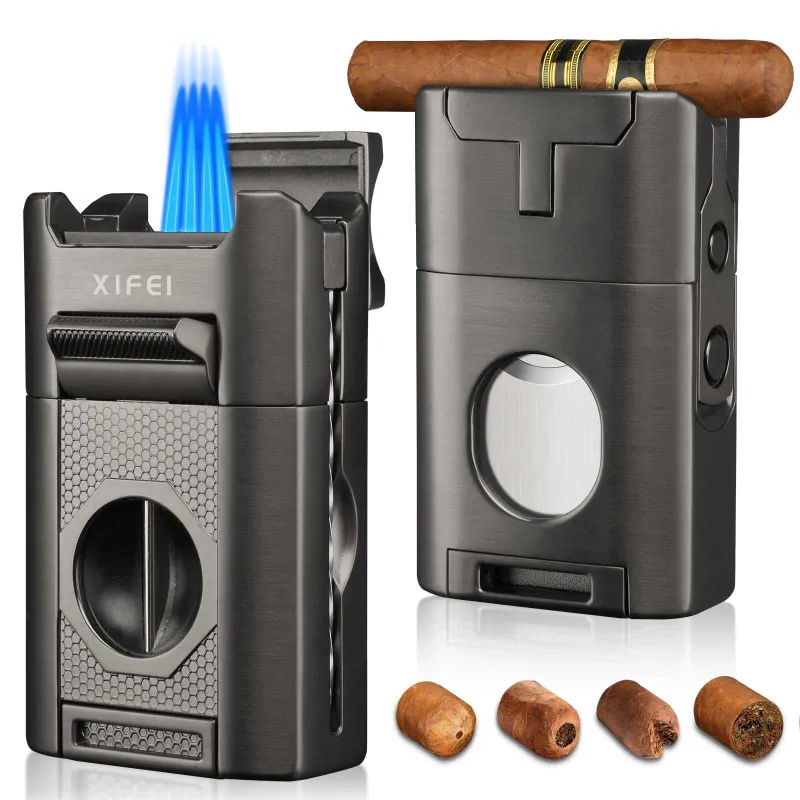
Pair your cleaner maintenance with a quality cigar lighter from the start, and you’ll avoid many problems before they begin.
When to Replace vs. Clean
A lighter filter pipe cleaner extends the life of your lighter, but it cannot resurrect a damaged valve. If you clean regularly and the lighter still produces a weak, inconsistent, or sideways flame, the valve seat may be eroded or the fuel line may have a micro-crack. In those cases, replacement is more economical than continued troubleshooting.
However, if you’ve never cleaned your lighter and it’s misfiring, cleaning often restores it to like-new performance. The distinction is clear: new carbon buildup responds to cleaning. Worn valve components do not.
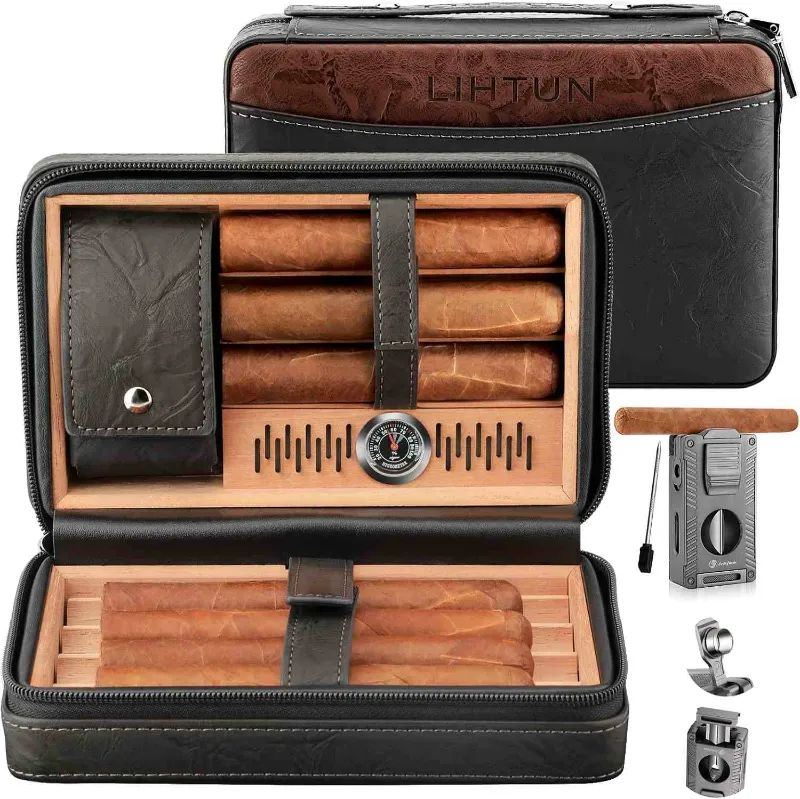
For cigar enthusiasts who travel, a travel humidor and a well-maintained jet flame lighter are a matched pair. Keep both in good condition, and you’ll have reliable tools wherever you go.
Prevention Tips for Long-Term Reliability
- Use premium butane only. Bargain brands contain more moisture and sediment.
- Store lighters in a cool, dry place. Heat and humidity accelerate corrosion.
- Refuel before the lighter runs completely empty. Running dry can pull air and moisture into the chamber.
- Use your lighter regularly if you own several. Stagnant fuel inside a lighter can gum up the valve.
- Keep your lighter filter pipe cleaner in an accessible spot so you actually use it. A tool in a drawer is useless.
Learn more about cleaning techniques from experienced lighter users who share their own maintenance routines.
Who Benefits Most from Regular Cleaning
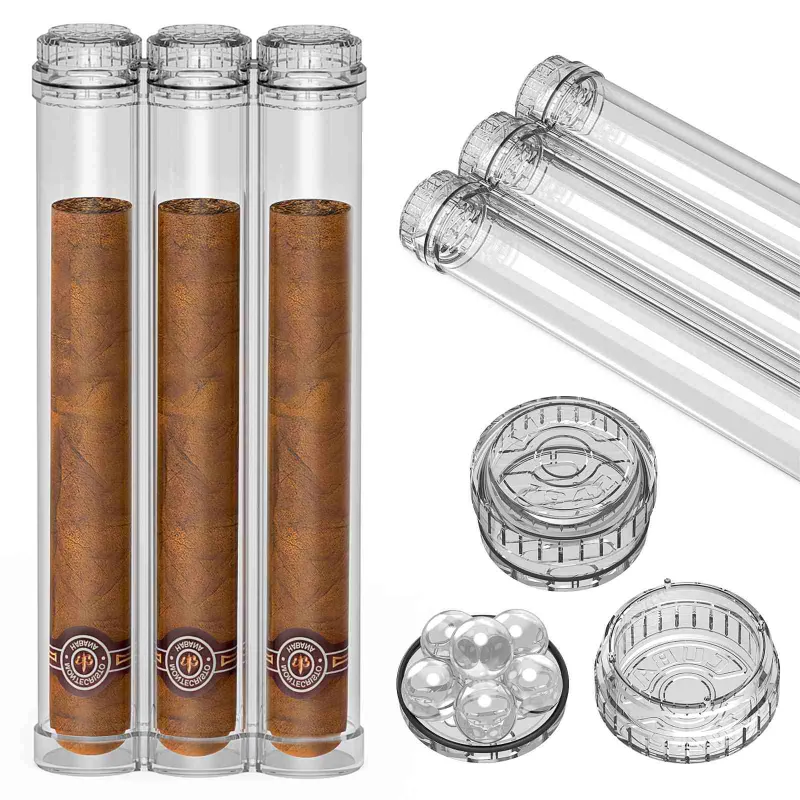
Daily cigar smokers and anyone who refuels their lighter more than once a week will see the biggest payoff from routine cleaning. If you own multiple torch lighters or travel frequently with a cigar tube and lighter, keeping them clean becomes part of your regular ritual.
Professional cigar shops often include a lighter filter pipe cleaner with lighter purchases because they know their customers will use them, and satisfied customers buy again. You can check the latest price on these accessories and grab a discount code in one place.
Even occasional users benefit. A single session with a lighter filter pipe cleaner every few months prevents the slow creep of buildup that eventually kills a lighter. It’s preventive maintenance that costs almost nothing and takes seconds.
Questions
Can a lighter filter pipe cleaner damage my jet flame lighter?
No, if used gently. Quality pipe cleaners have soft bristles designed not to scratch valve seats. Avoid forcing the cleaner or using excessive pressure; if you feel hard resistance, stop and try a different angle.
How often should I use a lighter filter pipe cleaner on my torch lighters?
Light users can clean every 3-4 refuels or monthly. Heavy users should clean every 1-2 refuels. If you notice a weaker or inconsistent flame, clean before refueling.
What's the difference between a lighter filter pipe cleaner and a regular pipe cleaner?
Lighter filter pipe cleaners are made from softer metal and denser bristles to avoid scratching precision valve components. Regular pipe cleaners are thicker and stiffer, designed for tobacco pipes, and can damage lighter internals.
Will cleaning with a pipe cleaner fix a lighter that won't ignite at all?
Often yes, if the problem is carbon buildup blocking the fuel valve. Clean, refuel with premium butane, and test. If it still doesn't ignite after cleaning, the valve or fuel line may be damaged and replacement is recommended.
Do I need to empty my lighter before using a lighter filter pipe cleaner?
Yes. Use the fuel purge valve to release all butane, wait a few minutes for pressure to drop completely, then insert the cleaner. Never attempt to clean a pressurized lighter.
Can I use a lighter filter pipe cleaner on all lighter types, including a cigar lighter?
Most lighters benefit from cleaning, but check your specific lighter's manual first. Some specialty lighters have sealed designs. A standard cigar lighter or jet flame lighter always has an accessible fuel valve where a pipe cleaner fits safely.
Products in this guide
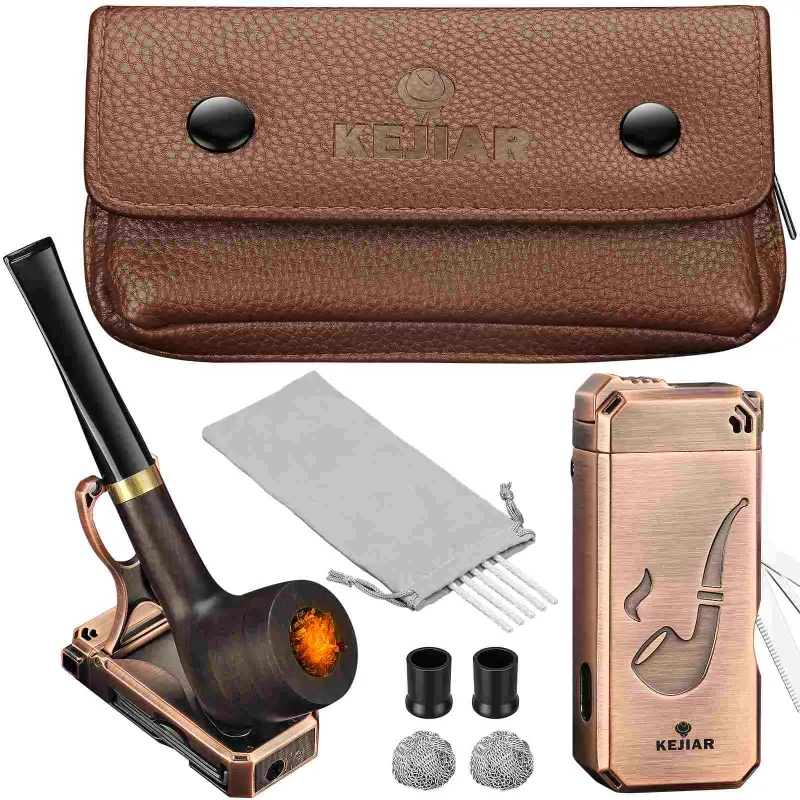 Shopping at XIFEI CIGAR ACCESSORIES? See the discount code
10% OFF All Orders
Shopping at XIFEI CIGAR ACCESSORIES? See the discount code
10% OFF All Orders
More in this series
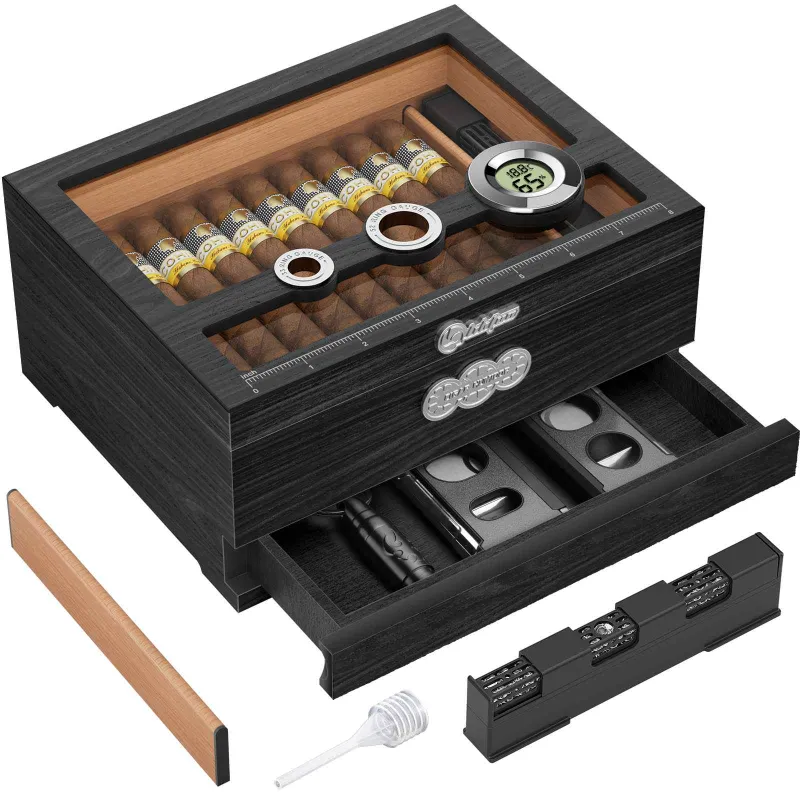 Portable Humidors for Travel: What Size Keeps Cigars Fresh for a Weekend Trip28 Aug 20264 minWhy Your Cigar Punch Keeps Clogging (and How to Fix It)28 Aug 20264 minCigar Accessories That Actually Last: Acrylic vs Glass Tubes for Storage and Protection28 Aug 20265 min
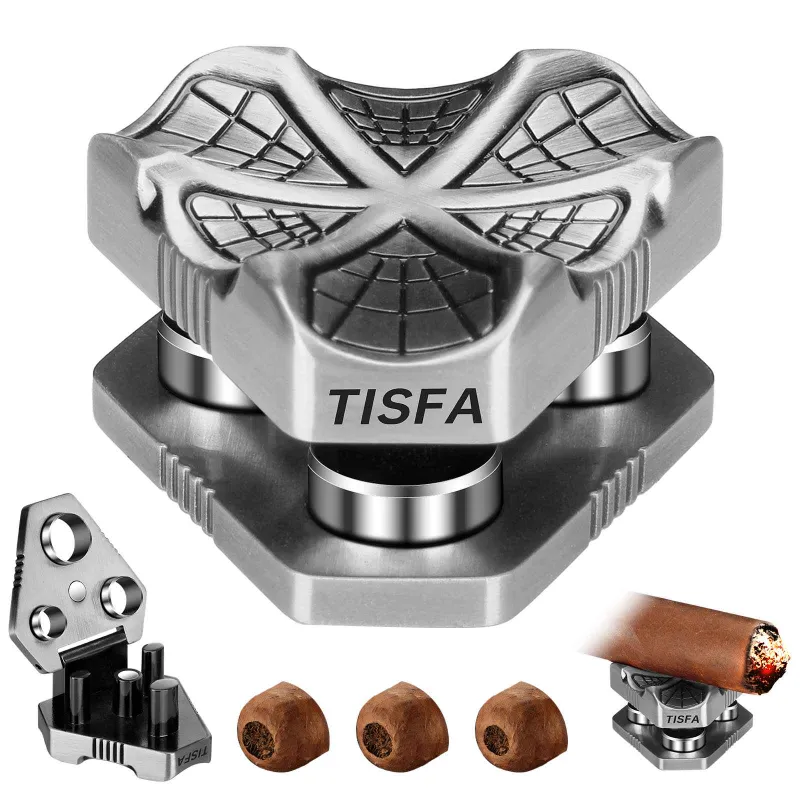 V-Cut vs Guillotine vs Punch: Which Cigar Cutter Suits Your Ring Gauge?28 Aug 20264 minHow to Keep Cigars Fresh: Choosing Between Travel Humidors and Humidor Boxes28 Aug 20266 min