 A iVYVERDURE guide
iVYVERDURE Vivy Tan Gel vs. Traditional Self-Tanners: What’s the Difference?
Vivy tan gel offers a lightweight, water-based alternative to traditional self-tanners with faster drying times and a more natural finish.
What Makes Vivy Tan Gel Different from Traditional Self-Tanners
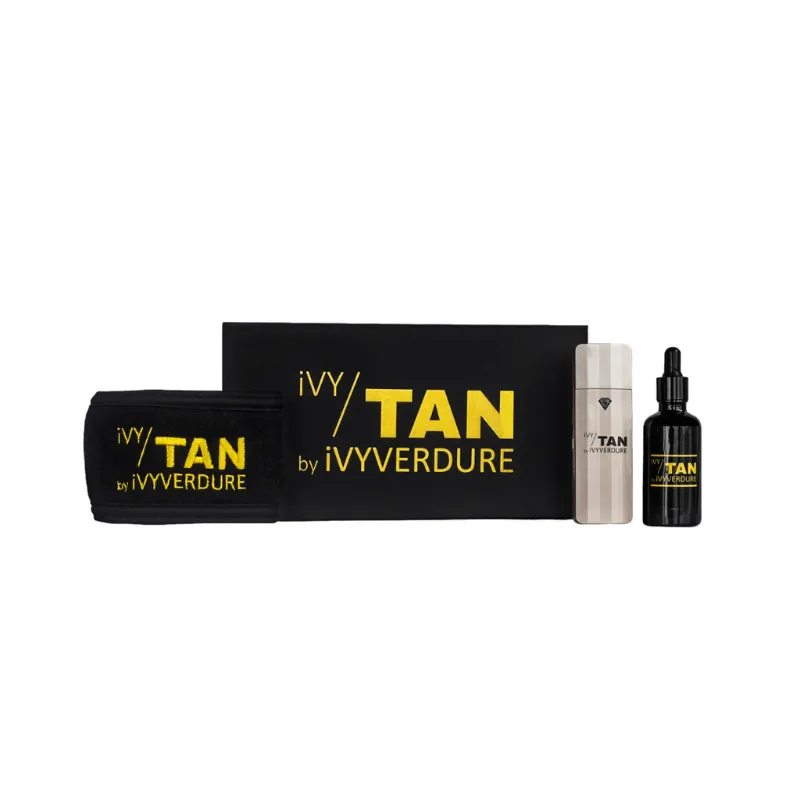
The vivy tan gel delivers a water-based, fast-absorbing formula that sets it apart from the heavier creams and mousses most people associate with self-tanning. Traditional self-tanners typically rely on oil or lotion bases that can feel thick on skin and require longer drying times, while this gel formula absorbs quickly and leaves minimal residue. If you’ve ever avoided self-tanner because of the sticky wait time or greasy feel, the gel approach solves both problems without sacrificing color payoff.
Below we break down how gel-based tanners compare to traditional options across the factors that matter most to buyers.
Formula and Texture Comparison
Traditional self-tanners come in three main formats: lotions, mousses, and sprays. Each has trade-offs in coverage, control, and skin feel.
| Format | Texture | Best For |
|---|---|---|
| Gel (vivy tan gel) | Lightweight, water-based, transparent | Fast absorption, minimal transfer, oily or combination skin |
| Lotion | Rich, creamy, opaque | Dry skin, full-body hydration, gradual build |
| Mousse | Airy, tinted, fast-drying | Visible guide color, even application, all skin types |
The vivy tan gel sits in the gel category, which means it glides on clear and dries down in minutes rather than the 10 to 15 minutes most mousses and lotions require. Because it’s water-based, it won’t clog pores or leave a greasy film, a common complaint with lotion formulas that blend oils and DHA (dihydroxyacetone, the active tanning agent).
Traditional creams often include moisturizing oils and butters to counteract DHA’s drying effect, but that richness can feel heavy in humid weather or on naturally oily skin. Gel formulas skip the heavy emollients and rely on humectants like glycerin to keep skin comfortable without the weight.
Application and Drying Time
One of the biggest frustrations with conventional self-tanners is the waiting period before you can dress or touch anything. Lotions can take 15 to 20 minutes to dry fully, and even “quick-dry” mousses often leave a tacky layer for 10 minutes.
The vivy tan gel absorbs in 3 to 5 minutes, which means you can apply it and get dressed almost immediately. This speed comes from the gel’s high water content and absence of oils that need time to penetrate the skin barrier.
Application tips for gel tanners:
- Apply to clean, exfoliated skin for even color development
- Use a tanning mitt or gloves to avoid staining palms
- Work in sections (legs, arms, torso) and blend as you go
- Because the gel is clear, pay extra attention to ankles, knees, and elbows where product can pool
Traditional mousses have a visual advantage here: most are tinted brown or bronze, so you can see exactly where you’ve applied product. The vivy tan gel goes on transparent, which requires a bit more care to ensure full coverage. However, the tradeoff is no guide color to wash off later and no temporary bronzer staining your sheets.
If you’re new to clear gels, apply in good lighting and use your hands to feel for any missed spots before the product dries.
Color Development and Longevity
Both gel and traditional formulas rely on DHA to develop color, so the underlying chemistry is the same. You’ll see initial color appear within 4 to 6 hours, with full development by 24 hours.
Where gels and traditional tanners diverge is in how the color wears over time. Heavier lotion formulas often include extra moisturizers that help extend tan life by preventing the dry, flaky skin that causes uneven fading. Gel formulas are lighter, so they require consistent daily moisturizing to keep color looking fresh for the full 5 to 7 days.
To extend your tan with any formula:
- Moisturize daily with a fragrance-free lotion (fragrance can interfere with DHA)
- Avoid long, hot showers that strip skin
- Pat dry instead of rubbing with a towel
- Reapply every 4 to 6 days for continuous color
For current pricing and to grab the discount code, visit the iVYVERDURE store page.
Who Should Choose Gel vs. Traditional Formulas
Choose a gel tanner like vivy tan gel if you:
- Have oily, combination, or acne-prone skin
- Want the fastest possible drying time
- Prefer a lightweight, barely-there feel
- Live in a humid climate where heavy lotions feel uncomfortable
- Need a formula that won’t transfer to clothes quickly
Stick with traditional lotions or mousses if you:
- Have very dry skin and want built-in hydration
- Prefer a tinted guide color to see your application
- Are new to self-tanning and want maximum control
- Don’t mind waiting 10 to 15 minutes before dressing
For most people, the choice comes down to skin type and lifestyle. If you’re rushing out the door in the morning, a gel’s 3-minute dry time is hard to beat. If you have the time and want extra moisture, a lotion delivers both color and skin care in one step.
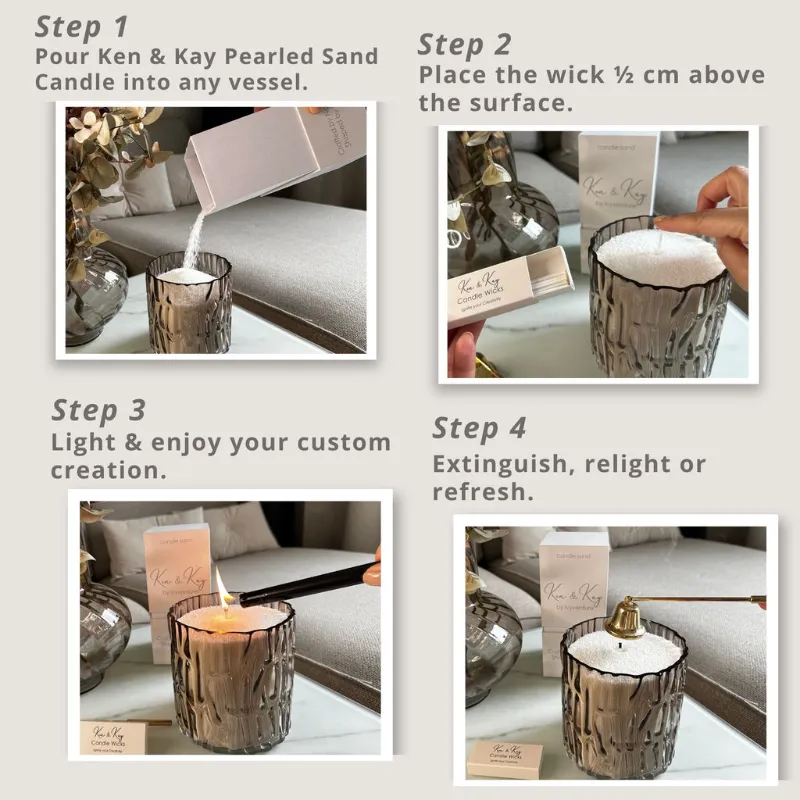
The iVYVERDURE store also carries complementary products like the Pearled Sand Candle for a calming post-application ritual and iRELIEF 60 GR for soothing any skin sensitivity. You can check the latest pricing and apply the current 10% discount across all orders.
Ingredient Considerations and Skin Compatibility
Traditional self-tanners often pack in added fragrances to mask DHA’s naturally biscuit-like smell, plus thickeners, preservatives, and emulsifiers to stabilize the cream or mousse texture. These extras can irritate sensitive skin or trigger breakouts in acne-prone users.
Gel formulas typically have shorter ingredient lists because they don’t need the same structure-building agents. The vivy tan gel formula focuses on DHA, water, and a few stabilizers, which reduces the chance of reaction for most skin types.
If you’ve experienced irritation with traditional tanners, a streamlined gel formula is worth trying. Always patch-test any new self-tanner on your inner arm 24 hours before full-body application, regardless of format.
For additional context on self-tanning products and formulations, B.TAN’s gel range offers a comparable water-based approach in the broader market.
Final Verdict: Which Format Fits Your Routine
The shift from traditional creams to gel tanners represents a real improvement in convenience and wearability, especially for anyone who’s been frustrated by long drying times or greasy residue. The vivy tan gel trades the hand-holding of a tinted guide color for speed and a lightweight finish that works beautifully under makeup or for everyday wear.
If you value quick absorption and a formula that disappears into skin, gel is the clear winner. If you need extra hydration or the security of seeing exactly where you’ve applied product, a traditional mousse or lotion still has its place.
We recommend starting with a gel formula for legs and arms, where application is straightforward, then deciding whether you want the same texture for your face and décolletage. Either way, the key to a natural tan is consistent exfoliation, careful blending, and daily moisturizing after color develops.
For the best deal on vivy tan gel and the full iVYVERDURE range, visit the store’s discount page to access the current 10% off offer on all orders.
Questions
How long does vivy tan gel take to dry compared to lotion tanners?
Vivy tan gel dries in 3 to 5 minutes, while traditional lotion formulas typically need 15 to 20 minutes. The water-based gel absorbs faster because it contains no heavy oils or emollients that require extra time to penetrate skin.
Can I use gel self-tanner on my face?
Yes, gel tanners work well on the face, especially for oily or combination skin types. Apply a small amount and blend carefully around the hairline, eyebrows, and jawline to avoid pooling in fine lines.
Does gel tanner last as long as mousse or lotion?
Gel tanners last 5 to 7 days, the same as most mousses and lotions, but they require daily moisturizing to prevent uneven fading. The lighter formula doesn't include the extra emollients that help traditional tanners extend wear on their own.
Will a clear gel tanner streak more than a tinted mousse?
Clear gels don't streak more, but they require more attention during application because you can't see where the product has been applied. Work in good lighting and blend thoroughly at joints and dry areas like elbows and knees.
Is gel self-tanner better for acne-prone skin?
Yes, water-based gel formulas are generally better for acne-prone skin because they don't contain the heavy oils and butters found in lotions that can clog pores. Gel tanners absorb quickly and leave minimal residue.
Can I apply moisturizer right after using vivy tan gel?
Wait at least 4 to 6 hours after application before moisturizing to allow the DHA to fully develop color. Applying moisturizer too soon can dilute the tanner and result in lighter, uneven color.
Products in this guide
Shopping at iVYVERDURE? See the discount code
10% OFF All Orders
More in this series
How Long Does the Pearled Sand Candle Scent Last?17 Sep 20264 min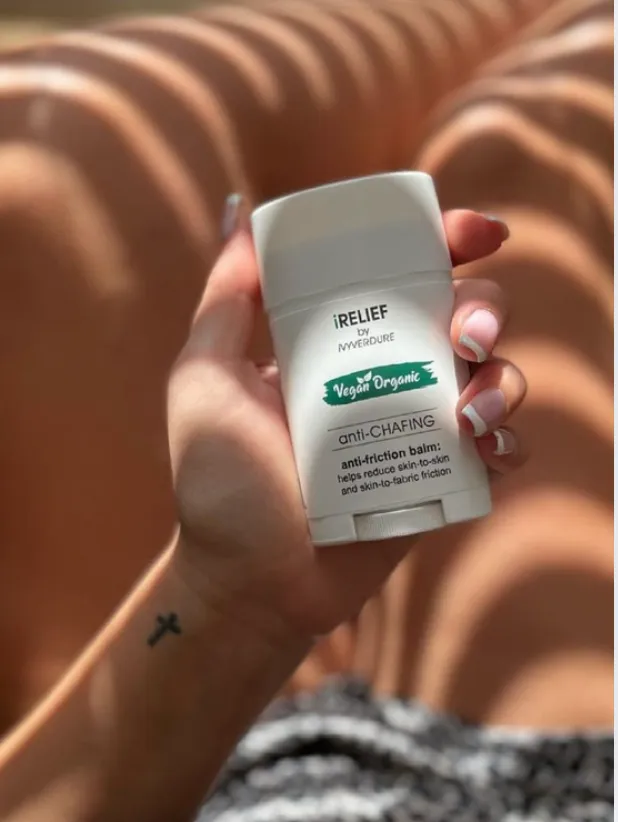 What Ingredients Are in iRELIEF 60 GR Relief Product?17 Sep 20263 minPearled Sand Candle Burn Time and Care Tips17 Sep 20264 minDoes iRELIEF 60 GR Work for Muscle Pain and Joint Stiffness?17 Sep 20264 minHow to Apply Vivy Tan Gel for Even, Streak-Free Color17 Sep 20264 min