 A SwissChems guide
Cardarine (GW-501516): What the Research Actually Says
Cardarine (GW-501516) long-term use requires understanding what actual research shows about safety, efficacy, and the risks involved.
Cardarine (GW-501516) long-term use requires understanding what actual research shows about safety, efficacy, and the risks involved. The research on this PPAR agonist is limited but serious, and this guide walks through what studies actually tell us, what gaps remain, and how people approach extended cycles responsibly.
What Cardarine Is and How It Works
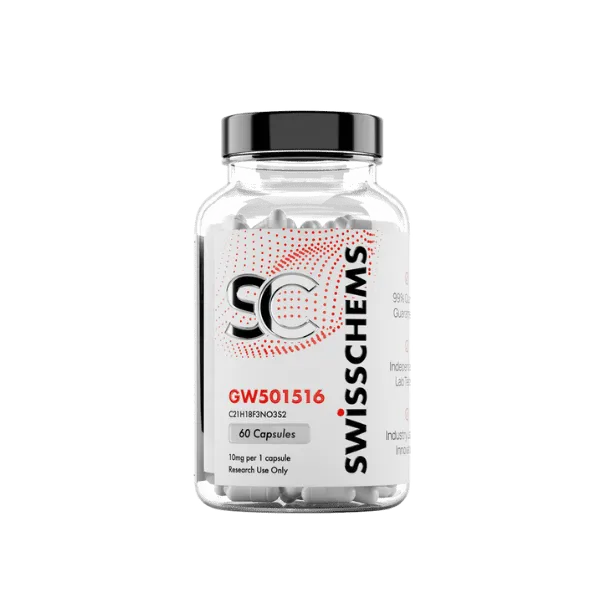
Cardarine, also called GW-501516 or gw501516, is a PPAR delta agonist that was originally developed for metabolic and cardiovascular research. It’s not a SARM like rad 140 or yk11, though it’s often grouped with them in research communities. The compound activates peroxisome proliferator-activated receptors, which influence how the body processes fats and glucose. This mechanism is why it gained attention for endurance, fat loss, and metabolic support in research settings.
The distinction matters for understanding long-term use safety. Cardarine operates through a different pathway than SARMs, so the risk profile and research base are entirely separate.
The Core Research Problem with Long-Term Cardarine Use
The biggest issue with long-term cardarine use is that human data simply doesn’t exist. Most available research comes from animal studies, in vitro work, or theoretical extrapolation from shorter human trials. Five Novel Polymorphs of Cardarine/GW501516 and Their… documents chemical structures and properties, but long-term safety in humans remains unknown.
Animal studies showed concerning results:
- Rodent studies at high doses revealed multiple organ toxicity, particularly carcinogenic signals in liver, stomach, tongue, and other tissues
- These findings led to the suspension of clinical development for cardarine in the mid-2000s
- The leap from animal models to human risk is uncertain; dose scaling, species differences, and individual variation all affect interpretation
Without controlled human trials spanning months or years, claims about “safe” long-term use are not evidence-based.
Current Use Patterns and Reported Timelines
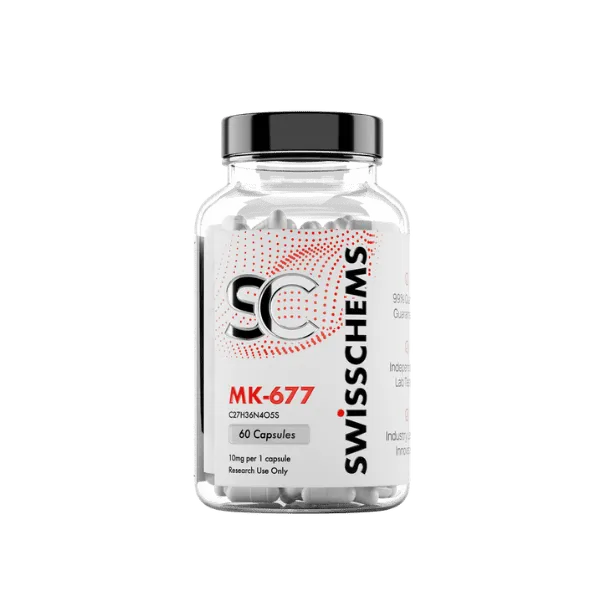
In practice, users typically run cardarine for 8-16 weeks rather than indefinitely. Some stack it with other compounds like mk 677 (for recovery) or rad-140 (for strength). Others use it standalone for metabolic support or endurance work.
Extended cycles, defined as 16+ weeks or multiple consecutive cycles per year, are less common and less documented. The reasoning users cite:
- Shorter cycles reduce cumulative exposure and organ burden
- Time off between cycles allows the body to clear the compound
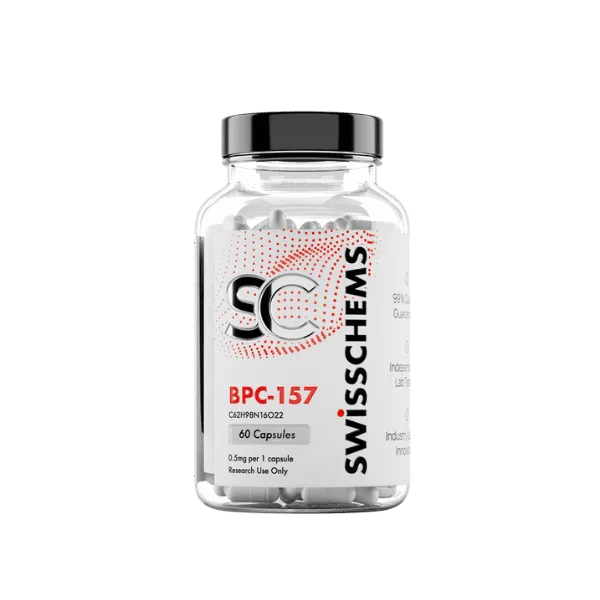
- Combining it with supportive compounds like hcg peptide or bpc-157 capsules is an attempt at risk mitigation, though this is not evidence-based
None of these approaches have been validated in controlled settings. They’re harm-reduction guesses, not safety protocols.
What We Actually Know from Research
Cardarine: Benefits, Side Effects, Dosage, and More covers reported side effects and the research gap. The consensus points are:
- Short-term use (up to 12 weeks) in humans has shown tolerability in limited trials, with improvements in lipid profiles and endurance markers
- Long-term safety is untested in humans
- Organ function, cancer risk, and metabolic effects over months or years are unknown
- Individual variation in genetics, dosing, and stacking compounds makes broad statements unreliable
The carcinogenic signals in animal work are serious enough that development stopped, but they don’t directly predict human outcomes at lower doses or shorter durations.
Responsible Approaches to Extended Use
If you’re considering longer cardarine cycles, the research-backed approach involves:

- Medical monitoring: Liver and kidney function tests before, during, and after cycles. This is the minimum standard for any compound with organ concerns.
- Dose moderation: Higher doses in animal studies drove toxicity; lower doses may carry lower risk, but this is inference, not proof.
- Cycle discipline: Shorter cycles with genuine time off between them reduce total exposure. A 12-week cycle followed by 12 weeks off is more defensible than back-to-back runs.
- Stacking logic: Adding compounds like semax or prl-8-53 for cognitive support doesn’t reduce cardarine’s risk; it only adds more unknowns. Keep stacks minimal if extending use.
- Individual health baseline: Pre-existing liver or kidney issues, high blood pressure, or metabolic problems increase risk. Your starting point matters.
None of these steps eliminate the unknown. They reduce it slightly.
Where to Buy It
If you decide to proceed, source matters. Check the latest price at SwissChems, where you can find gw-501516 and other research compounds the store checks for purity. Grab the code for 10% off all orders. Buying from a lab that checks its products for purity doesn’t fix the safety gap in the research, but it means you’re getting what the label says.
The long-term picture with cardarine remains incomplete. The research says the compound works for what it’s designed to do in short cycles, but long-term safety is genuinely unknown. Approach extended use with clear eyes about what we don’t know, prioritize monitoring, and keep cycles conservative.
Questions
Is cardarine safe for long-term use?
Long-term safety data in humans doesn't exist. Animal studies raised carcinogenic concerns that led to development suspension. Short-term use (8-12 weeks) has shown tolerability in limited trials, but extended cycles move into untested territory. Medical monitoring is essential if you extend use.
How long can I safely run cardarine cycles?
Research supports 8-12 week cycles. Some users run 16 weeks, but this moves beyond what's studied in humans. Taking equal or longer time off between cycles reduces cumulative exposure and is the most conservative approach.
Can I stack cardarine with other SARMs like rad-140 or mk 677?
Yes, people commonly stack cardarine with rad 140, mk 677, and other compounds for combined effects. Stacking adds to your total compound load, which is a reason to keep individual cycles shorter and monitoring more frequent, not longer.
Does cardarine cause cancer?
Animal studies at high doses showed carcinogenic signals in multiple organs, which is why clinical development stopped. The risk at lower human doses and shorter durations is unknown. This uncertainty is why long-term use remains a major concern without human data.
What tests should I get before and after cardarine use?
Liver function (AST, ALT, bilirubin), kidney function (creatinine, BUN), lipid panel, and blood pressure are baseline checks. Repeat these mid-cycle and post-cycle if running longer cycles. These won't predict cancer risk, but they catch acute organ stress.
Where can I buy cardarine?
SwissChems lists cardarine and gw501516 among its research compounds and checks them for purity. Check the current SwissChems coupon code for 10 percent off before you order.
Products in this guide
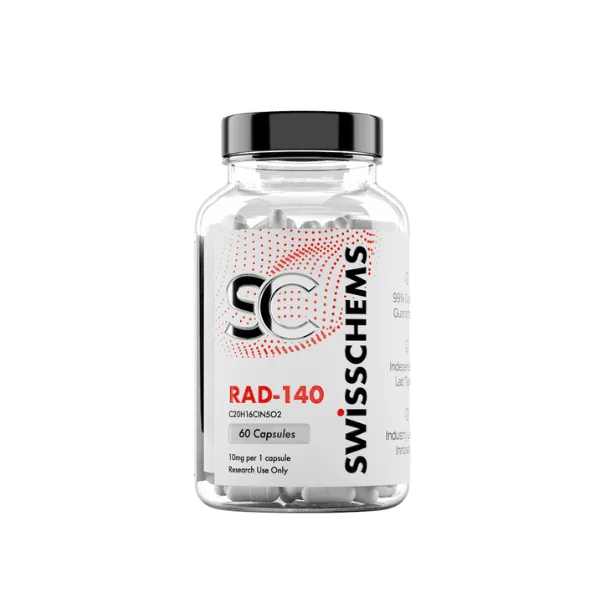
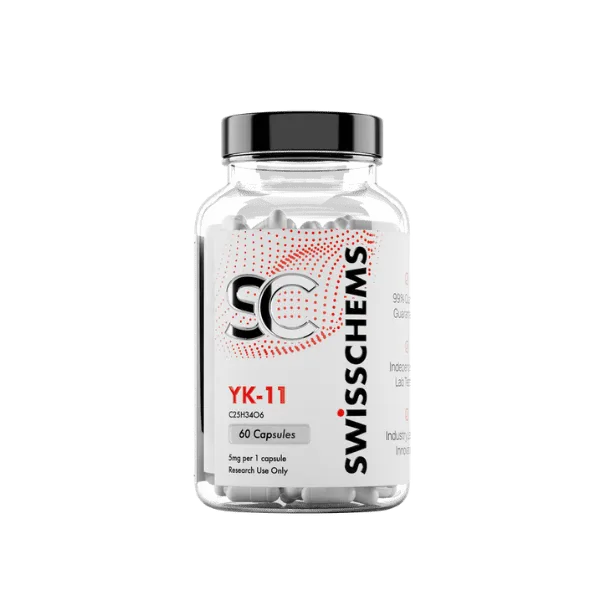

 Shopping at SwissChems? See the coupon code
10% OFF All Orders
Shopping at SwissChems? See the coupon code
10% OFF All Orders