 A JEFOO guide
Gradient vs. Tinted JEFOO Sunglasses: Which Lens Style Lasts Longer?
Gradient and tinted sunglasses each offer different durability profiles; here's what you need to know to choose the lens style that lasts.
Gradient vs. Tinted Sunglasses: Which Holds Up Better
Gradient and tinted sunglasses each have distinct durability characteristics that affect how long they perform before fading or degrading. Gradient lenses darken toward the bottom, while uniform tinted sunglasses maintain consistent color throughout, and this structural difference impacts their lifespan. Understanding the trade-offs between these two styles helps you pick the pair that matches both your lifestyle and longevity expectations.
What’s the Difference Between Gradient and Tinted Lenses
Gradient lenses fade from a darker top to a lighter bottom, designed to block overhead sun while letting more light through at eye level for reading or dashboard visibility. Uniform tinted sunglasses apply the same color density across the entire lens surface, providing consistent UV protection and a cohesive aesthetic.
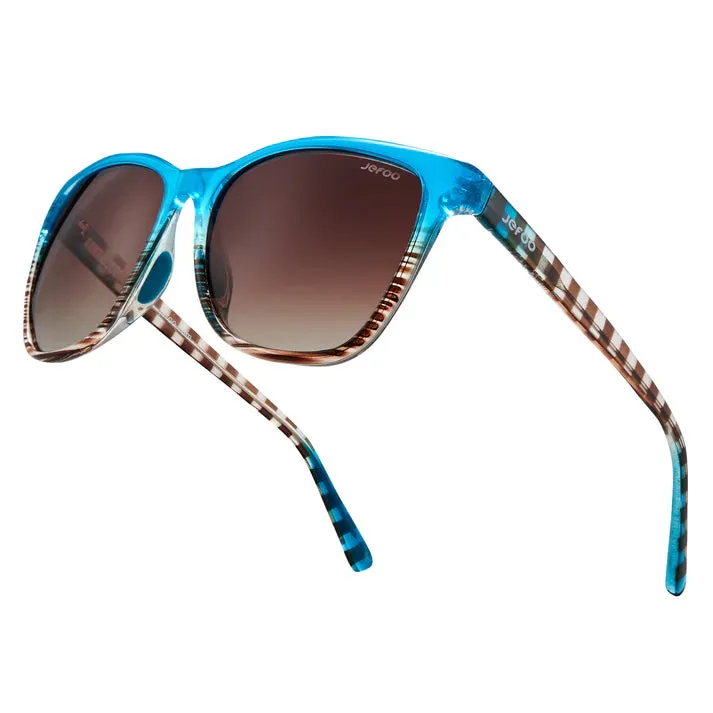
The key durability distinction lies in how dye or coating is applied. Gradient lenses require a softer transition zone where dye concentration changes, making the mid-lens area slightly more prone to wear if the coating degrades unevenly. Tinted sunglasses with solid coloring distribute stress more uniformly across the lens, potentially extending fade resistance over years of use.
For options that balance durability with style, JEFOO offers both types. Gradient sunglasses suit anyone who prioritizes versatility, while solid tinted sunglasses work for those who want consistent protection.
How UV Coatings Affect Lifespan
Both gradient and tinted sunglasses rely on UV-blocking coatings or tinted materials to protect your eyes and skin around the orbits. Higher-quality coatings maintain their effectiveness longer because they resist oxidation and don’t break down as quickly under UV exposure.
Tinted sunglasses with embedded dye (rather than surface coating) often last longer because the color is integrated into the lens material itself. Gradient lenses, since they require a color transition, sometimes use surface treatments that can fade or yellow over time if exposed to harsh conditions or poor storage.
The longevity advantage goes to solid tinted styles in most cases, though premium gradient lenses with UV-stabilized materials close the gap significantly.
Durability by Tint Color and Style
Darker tints generally hold their color longer because the dye molecules are more stable in deeper concentrations. Light tinted sunglasses for indoors and lightly tinted sunglasses tend to show fading more visibly because any color loss is immediately apparent.
Consider JEFOO’s range for different wear patterns:
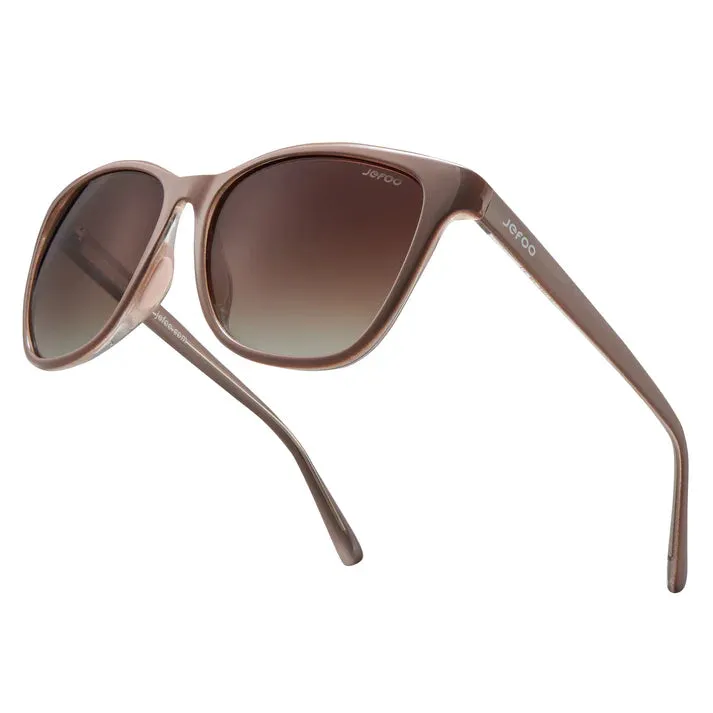
- Gray sunglasses maintain their neutral tone well and show minimal fading even after extended use.
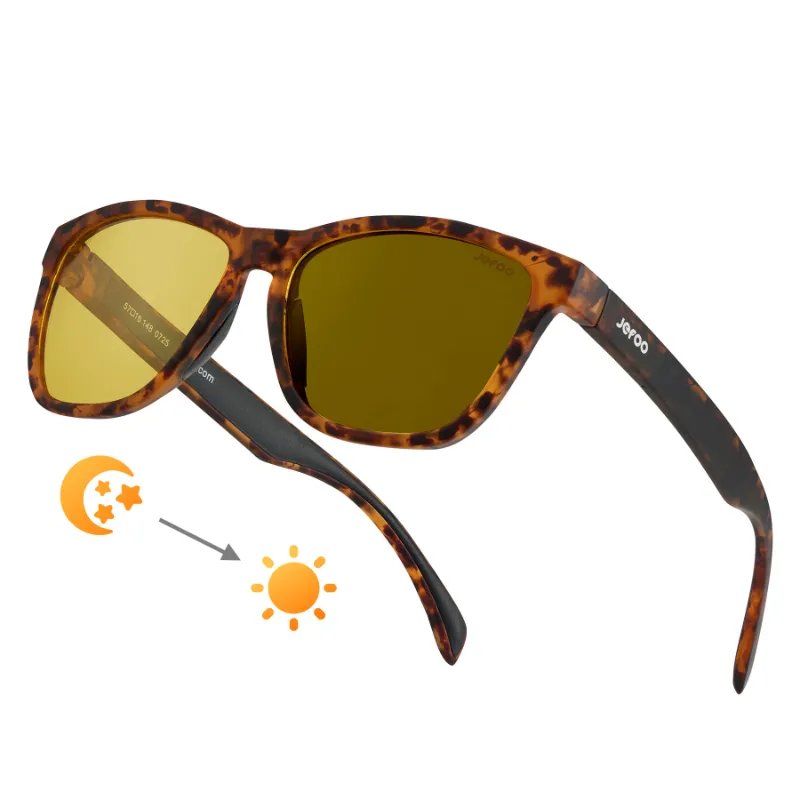
- Yellow glasses can appear faded faster due to the lighter pigment, though they remain functional longer than the visual change suggests.
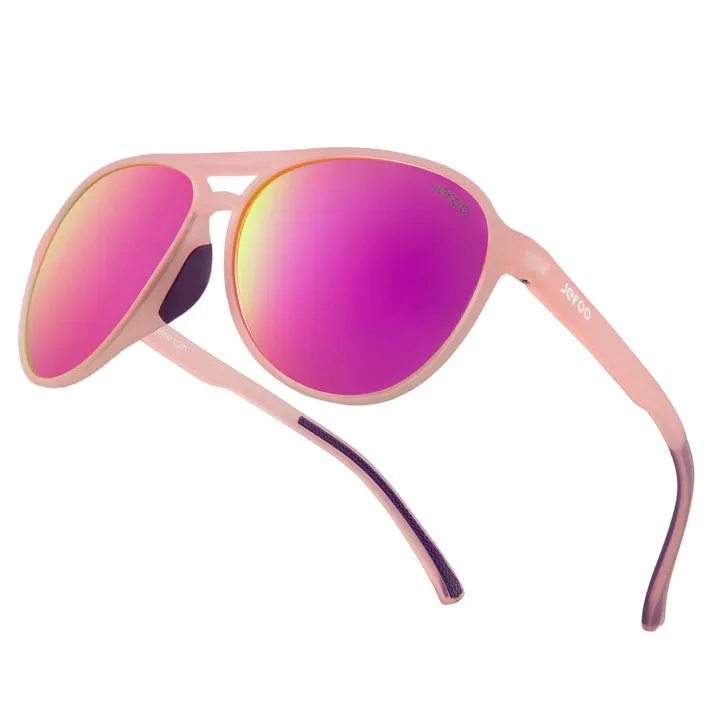
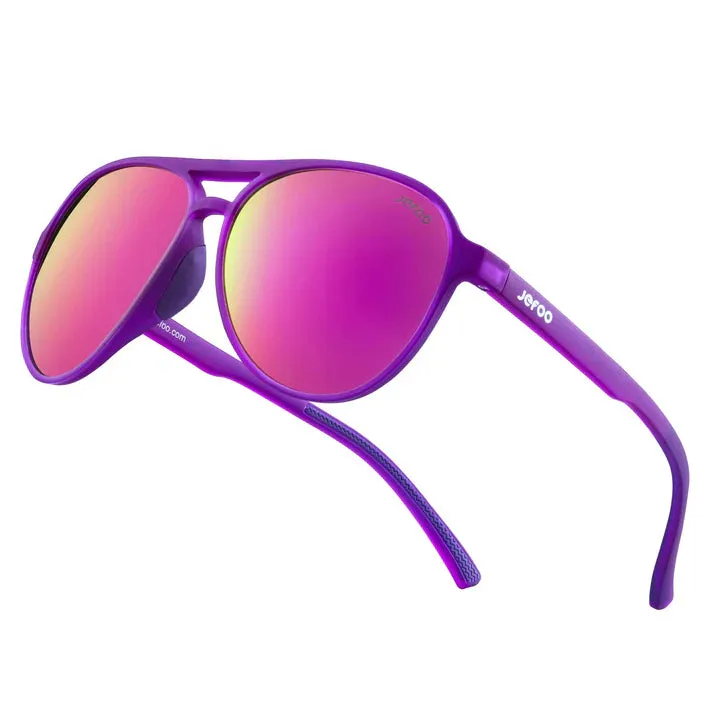
- Barbie sunglasses and purple aviators with deeper, saturated hues resist noticeable color shift.
- Cool sunglasses and beach sunglasses optimized for outdoor durability often use reinforced tinting.
For tinted sunglasses women’s and tinted sunglasses men’s styles, mid-tone options like tortoise aviator sunglasses balance aesthetic appeal with fade resistance.
Material Matters for Long-Term Wear
Polycarbonate and CR-39 plastic lenses take tint differently than glass or premium polymers. Polycarbonate tinted sunglasses are lighter and more impact-resistant, but the tint can shift over time in direct UV. Glass lenses hold color longer because the material is more chemically stable, but they’re heavier and break more easily.
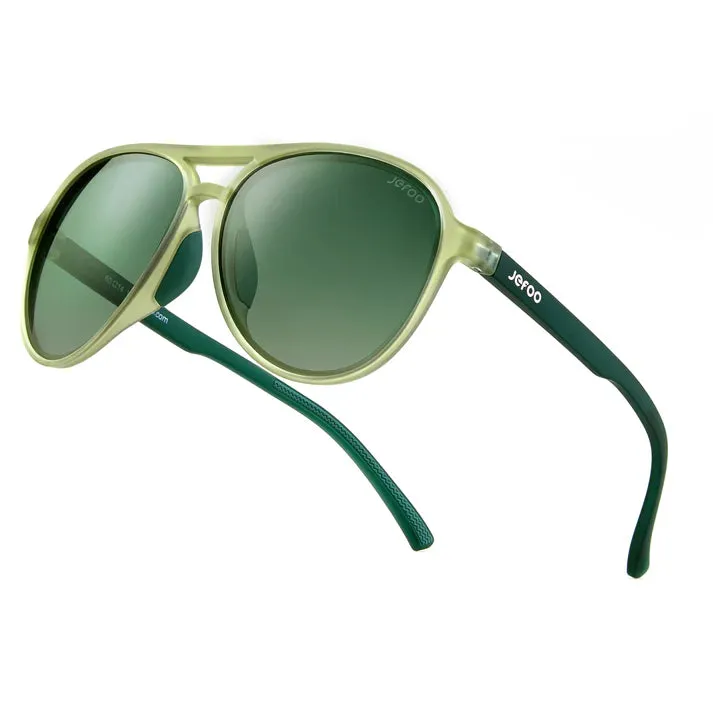
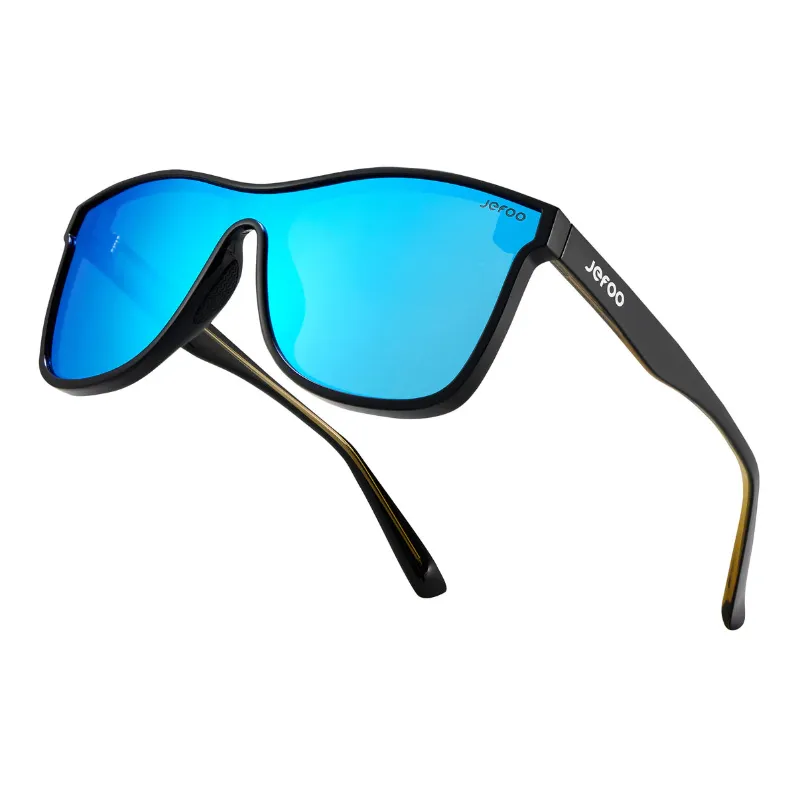
JEFOO’s lineup uses materials chosen for balance. Lighter-weight tints in green aviator sunglasses and one lens sunglasses prioritize comfort and style without sacrificing a reasonable lifespan, while thicker materials in premium tinted styles extend durability another 1 to 2 years.
Storage and Care: Extending Durability
Even the most durable tinted sunglasses fade faster without proper care. Heat, humidity, and direct sunlight break down coatings and accelerate dye degradation. Store your tinted sunglasses in a cool, dry case away from car dashboards and direct heat sources.
Follow these habits to maximize lifespan:
- Rinse lenses with lukewarm water before wiping to avoid grinding debris into the coating.
- Use a microfiber cloth, never paper towels or clothing.
- Avoid extreme temperature changes.
- Store in a protective case when not in use.
Even with perfect care, expect gradient lenses to show visible color shift after 3 to 4 years, while quality tinted sunglasses often remain vibrant for 4 to 5 years or longer. Grab the code to refresh your collection affordably.
Which Style Lasts Longer for Your Needs
Solid tinted sunglasses generally outlast gradient styles by 12 to 18 months before noticeable fading appears. However, gradient lenses offer practical advantages for driving or daily wear that many wearers prioritize over maximum durability.
Choose tinted sunglasses if you:
- Spend most time outdoors in consistent lighting.
- Want the longest possible color retention.
- Prefer a uniform, professional look.
- Use lightly tinted sunglasses for indoors and transitional light.
Choose gradient if you:
- Drive frequently or need variable light adaptation.
- Value the aesthetic of a top-to-bottom fade.
- Don’t mind replacing your sunglasses every 3 to 4 years.
- Want a single pair that handles multiple lighting conditions.
JEFOO’s tinted sunglasses men’s and tinted sunglasses women’s collections span both types, so you can test which durability profile matches your lifestyle. Check the latest price to compare options within your budget.
The Real-World Durability Test
In practice, wear patterns matter as much as lens design. Sunglasses stored carelessly fail faster regardless of tint type. Conversely, well-maintained gradient lenses can outperform neglected solid tints.
The initial material quality and coating process separate long-lasting pairs from those that fade noticeably within a year. JEFOO’s tinted sunglasses and gradient sunglasses are engineered to resist premature fading, though genuine durability depends on your care routine and storage habits.
For authoritative guidance on tint selection, How to Choose the Perfect Sunglasses Tint for You breaks down the science behind color durability and UV performance.
Questions
Do tinted sunglasses fade faster than gradient lenses?
No. Solid tinted sunglasses generally resist fading longer because the color is uniformly distributed throughout the lens. Gradient lenses, with their color transition zone, can show uneven fading over 3 to 4 years, while quality tinted styles remain vibrant for 4 to 5 years or longer.
Can I use lightly tinted sunglasses indoors?
Yes, lightly tinted sunglasses are designed for indoor use and transitional lighting. They reduce glare and eye strain without the heavy darkness of outdoor tints. Just confirm the UV protection is adequate for occasional outdoor exposure.
Which JEFOO tinted sunglasses last the longest?
Darker, solid tints like gray sunglasses and purple aviators hold color longer than lighter options. For durability combined with style, cool sunglasses and tortoise aviator sunglasses offer proven fade resistance with everyday wearability.
What makes tinted sunglasses fade?
UV exposure, heat, humidity, and improper storage degrade the dye molecules and coatings. Storing your tinted sunglasses in a cool case away from direct sunlight and heat sources significantly slows fading.
Should I choose gradient or tinted sunglasses for driving?
Gradient lenses are better for driving because the lighter bottom lets you see your dashboard clearly while the dark top blocks overhead sun. Solid tinted sunglasses work for driving but offer less dynamic light adaptation.
Are designer tinted sunglasses more durable than other brands?
Designer status doesn't guarantee durability. Material quality, UV coating process, and storage matter more. JEFOO's tinted sunglasses use durable materials and coatings at accessible prices, matching or exceeding durability in higher-priced pairs.
Products in this guide
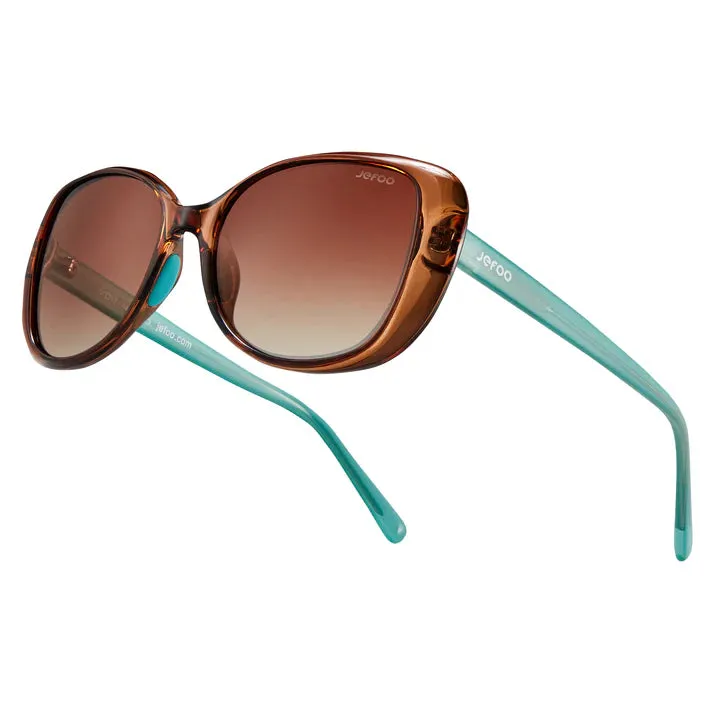
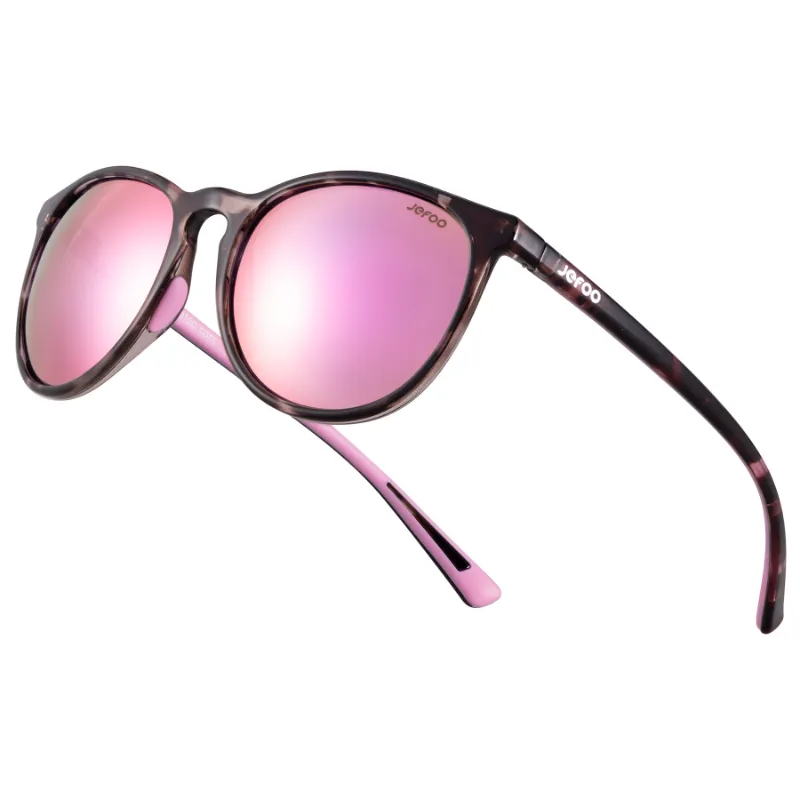 Shopping at JEFOO? See the discount code
10% OFF All Orders
Shopping at JEFOO? See the discount code
10% OFF All Orders
More in this series
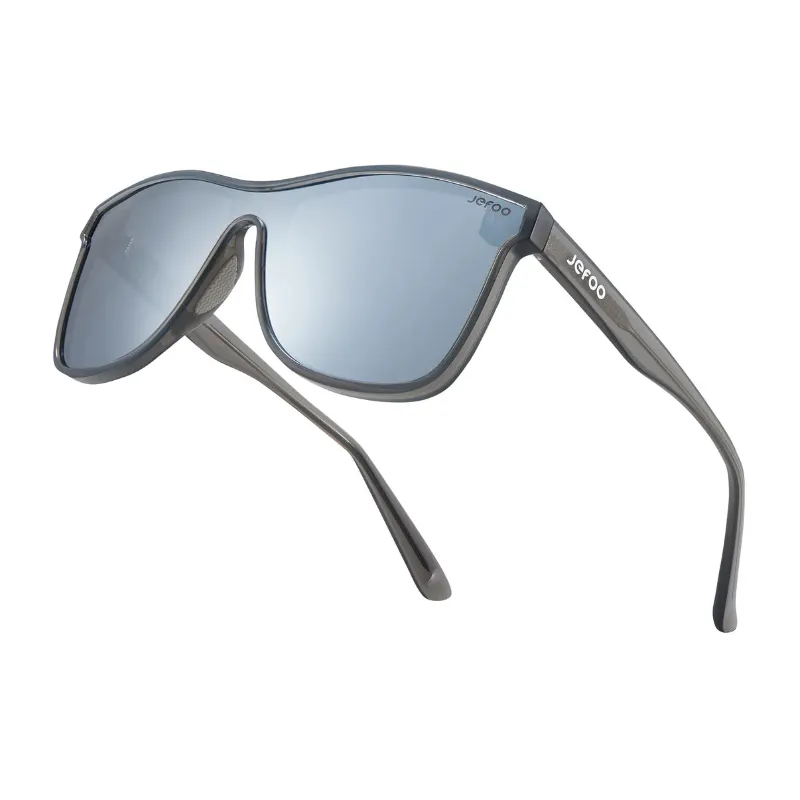 Why One-Lens Sunglasses Are Having a Moment (and If They Actually Work)1 Sep 20264 min
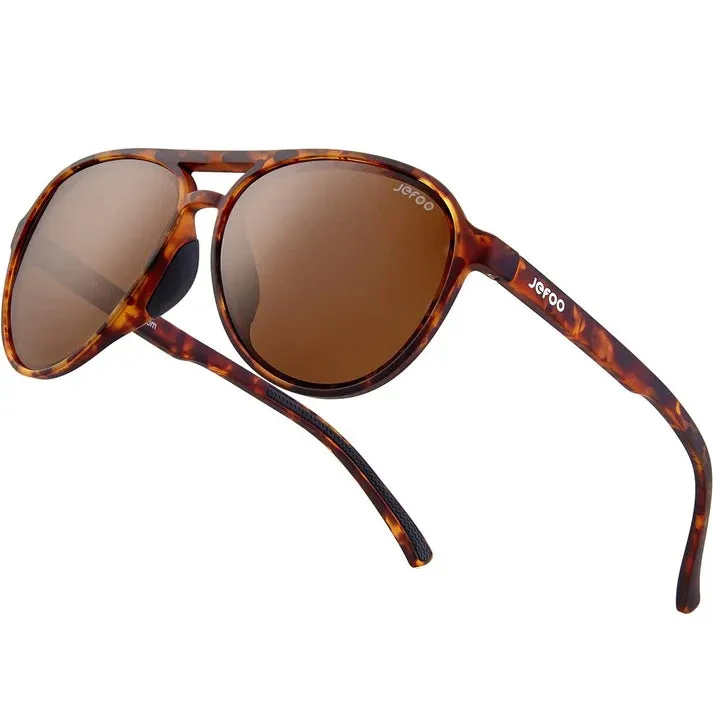 How to Choose the Right Sunglasses Frame Shape for Your Face1 Sep 20264 minBarbie Sunglasses by JEFOO: Are They Worth the Hype?1 Sep 20263 minDo JEFOO Sunglasses Have UV Protection? What We Found1 Sep 20263 minBest Aviator Sunglasses for Men: Green, Purple and Tortoise Styles1 Sep 20264 min