 A Gogogo Sport guide
Golf Net vs. Hitting Bay: When to Use Each for Practice
A golf net and a hitting bay serve different practice needs, so choosing between them depends on your space, budget, and what you're training.
A golf net and a hitting bay serve different practice needs, so choosing between them depends on your space, budget, and what you’re training. We’ll walk you through the tradeoffs so you can pick the right practice tool for your situation.
What’s the Difference Between a Golf Net and a Hitting Bay?
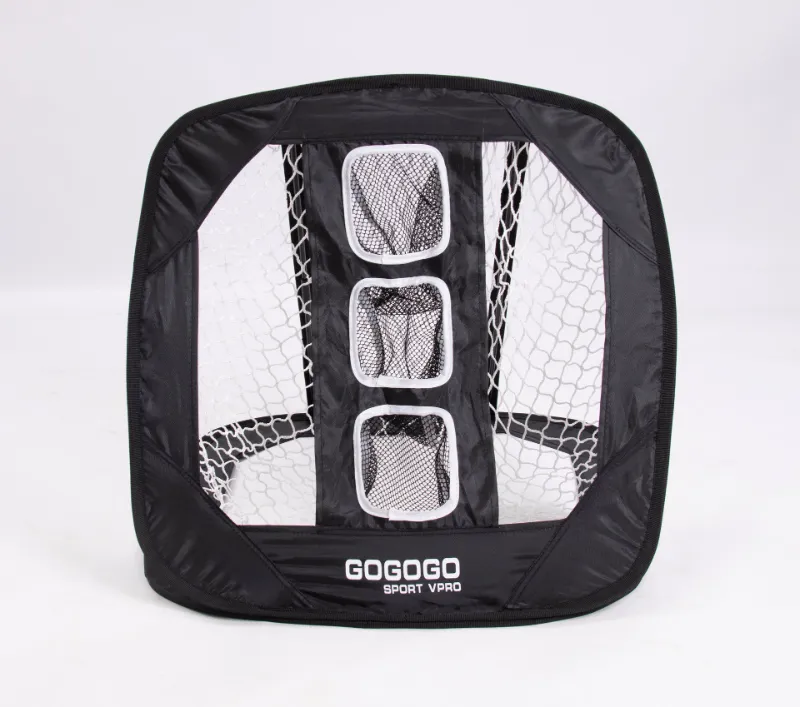
A golf net is a portable or semi-permanent setup that captures your shots in a contained area, usually in your yard or garage. The golf net catches balls mid-flight without measuring distance or impact data. It’s straightforward: you hit, the net stops the ball, you retrieve and repeat.
A hitting bay is typically an indoor facility or a more elaborate home setup with side barriers, a hitting mat, and often integrated technology like launch monitors and ball tracking systems. Hitting bays give you feedback and measured data but cost significantly more and require dedicated space or a membership.
The core difference is feedback and convenience. A golf net prioritizes portability and simplicity. A hitting bay prioritizes data and control. Both have their place depending on your goals and constraints.
Space and Setup Considerations
Your available space is the first deciding factor. A golf net pop up takes up roughly 7×7 feet, though golf net and mat combos can expand or shrink based on your yard. Most backyards can accommodate one without issue.
Hitting bays require more real estate. Indoor bays typically need 15-20 feet of depth and controlled climate. If you’re building one at home, you’re looking at a dedicated room or garage renovation, which means construction, electrical work, and permanent commitment.
- Golf net: flexible, fits most spaces, portable between locations
- Hitting bay: fixed installation, requires more square footage, climate-controlled advantage in cold weather
For apartment dwellers or those with limited outdoor space, a golf net is the only realistic option. For golfers with a finished basement or spare garage, a hitting bay becomes viable.
Cost Breakdown
A quality golf net ranges from budget-friendly to mid-range. You can find solid options at various retailers, and grab the code for Gogogo Sport products to save 5% sitewide.
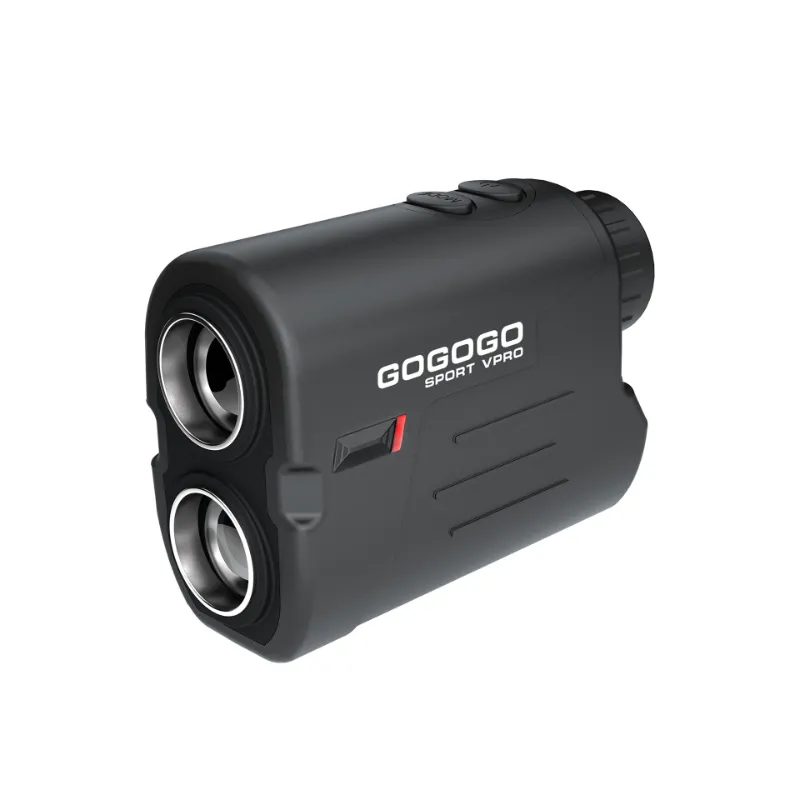
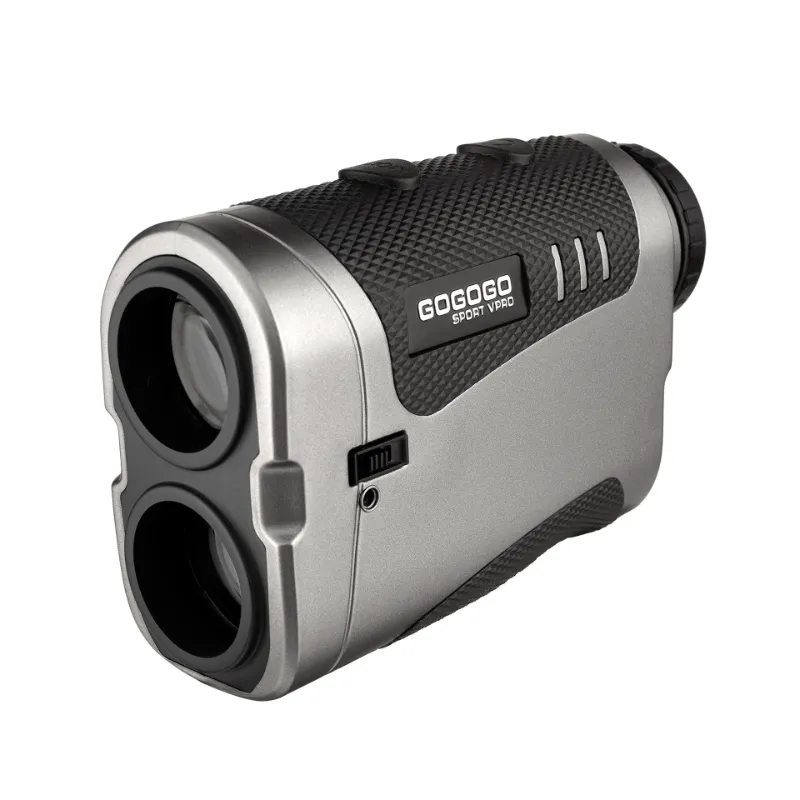
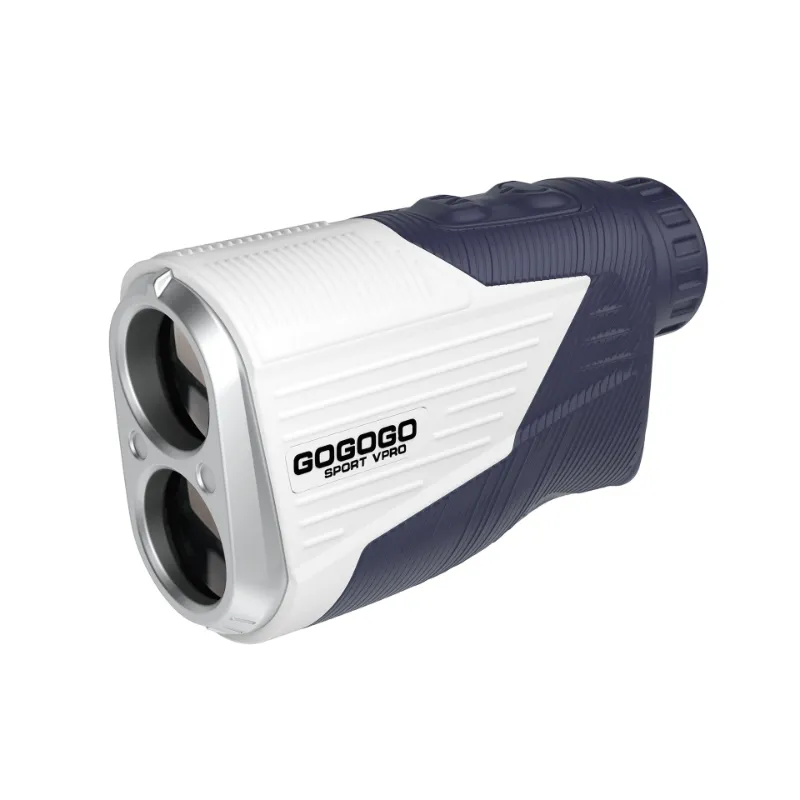
Hitting bays cost substantially more. A basic home setup with a mat, netting, and frame runs $2,000-$5,000. Adding a launch monitor like a gogogo rangefinder or gogogo sport vpro rangefinder bumps you into $5,000-$10,000+ territory. Professional facility memberships range from $100-$300 per month.
If budget is your primary concern, a golf net wins decisively. If you’re willing to invest for premium feedback and year-round covered practice, a hitting bay justifies the spend.
What You Can Practice With Each
A golf net lets you work on swing mechanics, tempo, and consistency. You can hit full swings, pitch shots, and chips. The constraint is that you don’t get distance feedback, so you’re relying on feel and video analysis to measure progress.
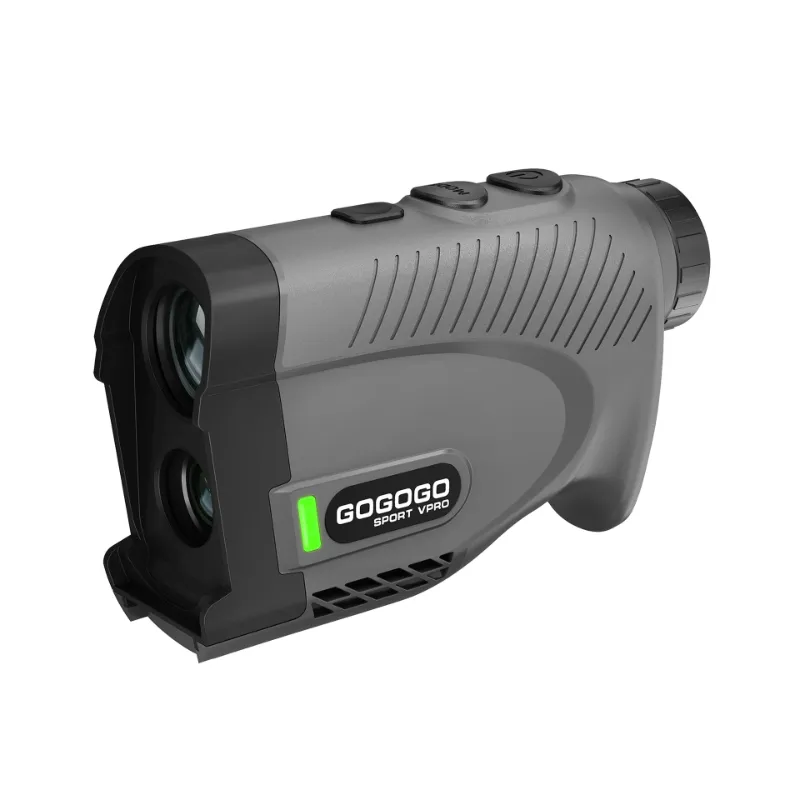
A hitting bay adds layers of practice. With a launch monitor like the gs26 or golf range finder, you track ball speed, launch angle, spin rate, and carry distance. This data transforms practice from mechanical repetition into targeted skill work. You can dial in a specific yardage, see real-time feedback, and measure improvement numerically.
Hitting bays also protect you from weather. Rain, wind, and extreme heat don’t interrupt your session. For golfers in harsh climates or those training during off-season months, this is significant.
For pure swing development and feel-based learning, both work. For shot-making accuracy and distance control based on measurable data, a hitting bay pulls ahead.
Durability and Maintenance
A golf net requires periodic inspection of the netting for tears and frame integrity. A golf net pop up setup is easier to inspect and replace than a fixed installation. You’ll want to check seams and anchor points before heavy use. Most nets last 2-3 years with regular play before sections need repair or replacement.
Hitting bays require more maintenance. Hitting mats wear down over time and eventually need replacement. Netting and frame connections loosen with vibration. Launch monitors and sensors need calibration. A hitting bay demands more attention to keep operating smoothly.
If you prefer low-touch maintenance, a golf net is lighter work. If you enjoy tinkering and are willing to manage more moving parts, a hitting bay is manageable.
Which One Should You Choose?
Choose a golf net if:
- You have limited space or budget
- You want portability and flexibility
- You’re focused on swing mechanics and feel
- You don’t have a covered area year-round
- You prefer minimal maintenance
Choose a hitting bay if:
- You have dedicated indoor space available
- You want feedback-driven practice with data
- You’re committed to improving measurable metrics like distance control
- You live in a climate with severe weather
- You’re willing to invest in setup and upkeep
Many golfers use both. A golf net handles frequent casual practice and travel. A hitting bay becomes the destination for focused winter training or serious scoring work. If you’re starting out, begin with a golf net to see what works for your schedule. You can always upgrade to a hitting bay later.
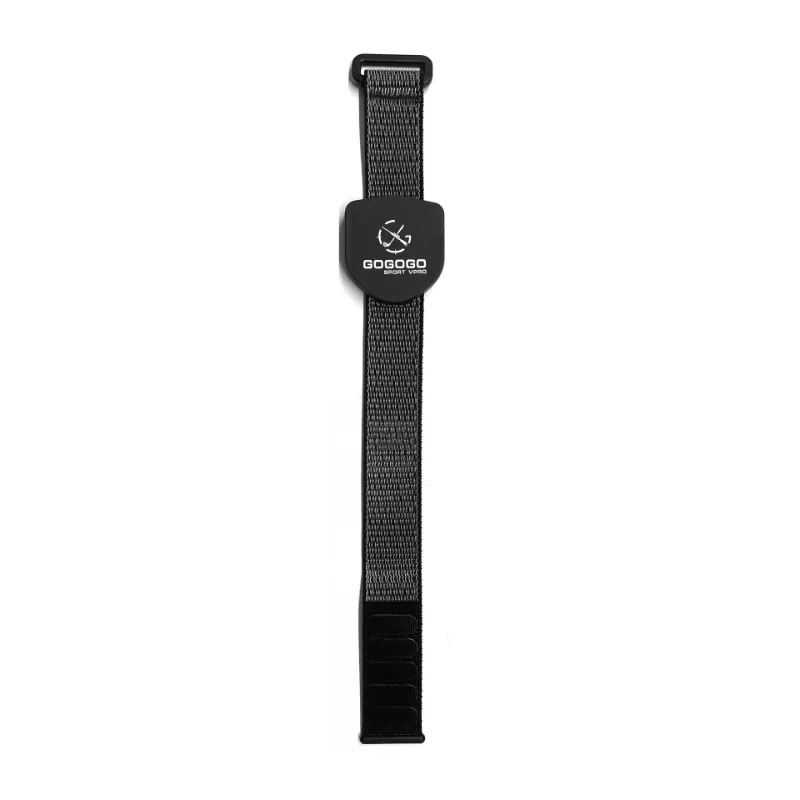
For Gogogo Sport products, check the latest price to compare options in both categories. Pair your setup with accessories like a magnetic rangefinder strap or magnetic range finder to enhance your practice data, whether you choose a net or a bay.
For deeper research on net options, check out [The Best Golf Nets: 7 Options for Every Budget [2021 Guide]](https://practical-golf.com/golf-nets) and this golf practice nets comparison for independent reviews.
Questions
Can a golf net give you distance feedback?
A golf net alone captures shots but doesn't measure distance. To add feedback, pair it with a [golf range finder](/go/p/6391) or [gogogo sport vpro rangefinder](/go/p/6394) to estimate carry distance based on launch angle and observed flight.
What size golf net do I need for my yard?
Most [golf net pop up](/go/p/6393) setups fit in a 7x7 foot area, though some are smaller or larger. Measure your available space first, then choose a net that fits comfortably with room on the sides for safety.
Is a golf net pop up easier to set up than a fixed hitting bay?
Yes. A [golf net pop up](/go/p/6393) sets up in minutes and requires no tools. A hitting bay requires framing, netting installation, and often professional setup, making it a day or weekend project.
Can I use a golf net indoors?
Yes, if you have garage space or a covered area. A [golf net](/go/p/6390) can be set up indoors, though you'll need at least 15 feet of depth and protection from ricochets if balls hit the frame or escape the net.
What's the long-term cost difference between a golf net and a hitting bay?
A quality [golf net](/go/p/6390) costs $100-$400 upfront and may need replacement after 2-3 years of heavy use. A hitting bay costs $2,000-$10,000+ to build or $100-$300 monthly for a membership, making it a much larger investment.
Products in this guide
 Shopping at Gogogo Sport? See the discount code
5% OFF Sitewide
Shopping at Gogogo Sport? See the discount code
5% OFF Sitewide