 A Ugritone guide
How to Get Professional Metal Drum Tones With Ugritone Samples
A heavy metal drum kit needs punchy samples, tight MIDI programming, and the right processing to cut through walls of distortion.
A professional heavy metal drum kit sound starts with samples that capture the aggression and clarity modern metal production demands. The right samples eliminate the guesswork of mic placement and room acoustics, giving you studio-grade raw material from the first hit.
Choosing the Right Ugritone Drum Library for Metal
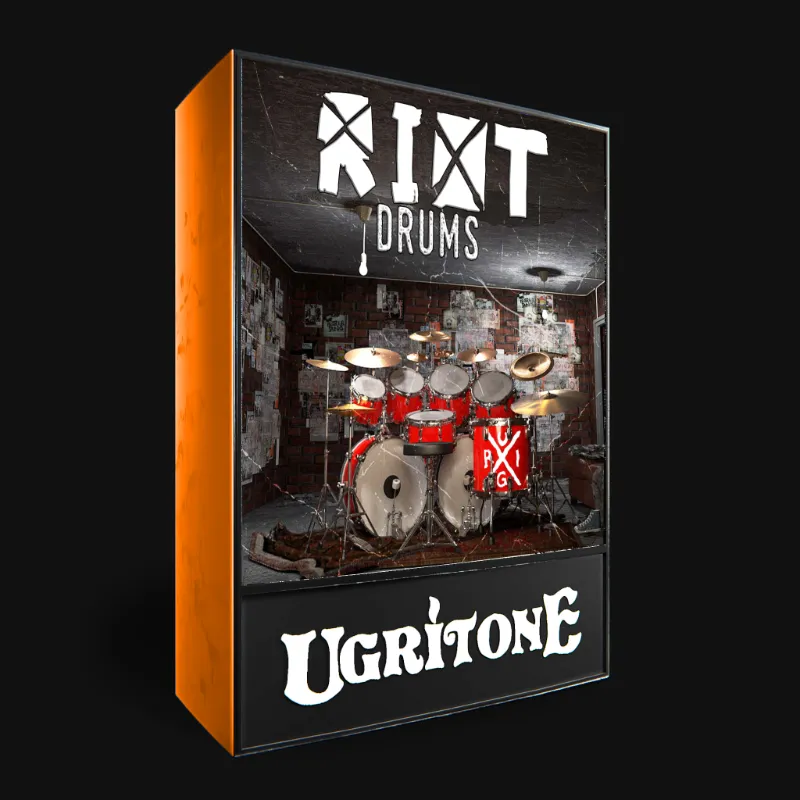
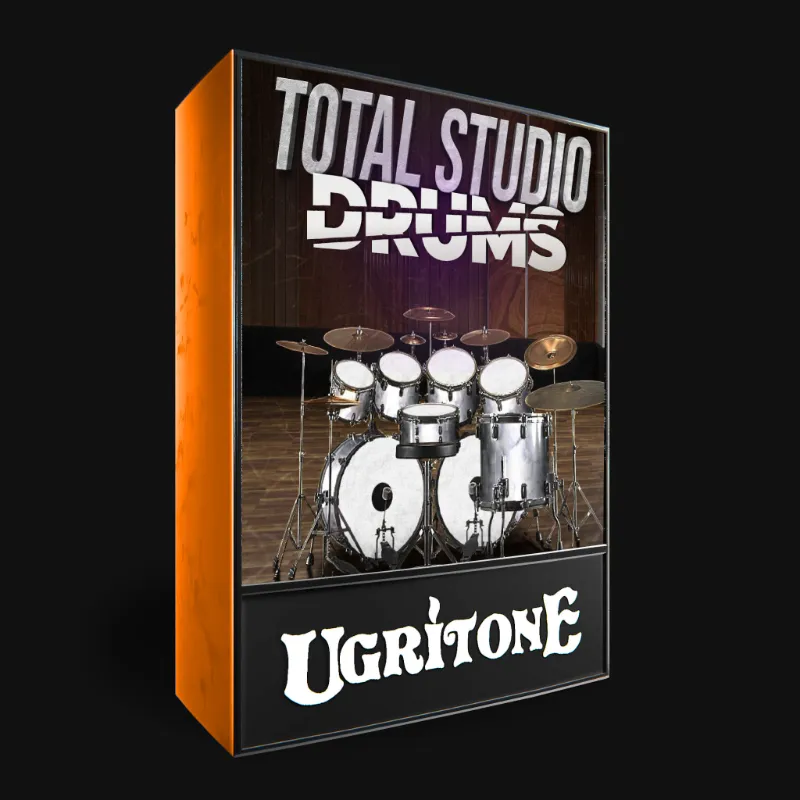
Ugritone offers several drum sample packs tailored to different metal subgenres, and picking the right starting point matters. The heavy metal drum kit delivers the classic aggressive punch suited for everything from thrash to modern metalcore, with close-mic’d shells that sit forward in dense mixes. If you’re working on djent or progressive metal with downtuned guitars, juggernaut type drums capture the low-end thump and cymbal clarity that complement extended-range instruments.
For straightforward hard rock and traditional metal, the rock drum kit provides a slightly more open room sound with less extreme processing baked in.
Key features to look for in any metal drum sample library:
- Multiple velocity layers per drum for realistic dynamics
- Separate close, room, and overhead mic positions you can blend
- Round-robin sampling to avoid machine-gun repetition on fast hi-hat or snare rolls
- Pre-processed and raw versions so you control the tone chain
Most Ugritone libraries include both dry and processed versions, letting you either drop them straight into a mix or build your own chain from scratch. Check the current pricing and grab our discount code before you commit to a library.
Programming MIDI for Tight Metal Drum Patterns
Even the best samples fall flat with lazy MIDI programming. Metal demands velocity variation, humanized timing, and intentional ghost notes to sound convincing. We map kick and snare to separate MIDI tracks whenever possible, giving us independent control over groove quantization and dynamics.
Kick drum programming: For fast double-kick sections, quantize to 16th or 32nd notes but leave a slight swing or humanize function active (5-10 ms is enough). Hard-quantized kicks sound robotic, especially at 180+ BPM. Vary velocity between 100 and 127 on accented beats to match the natural push and pull of a live drummer’s foot.
Snare and toms: Metal snares sit best when they hit consistently hard on backbeats (velocity 115-127), with occasional ghost notes around 60-80 velocity on off-beats. We keep tom fills slightly behind the grid (3-5 ms late) to add weight and prevent them from rushing ahead of the guitars.
Cymbals and hi-hats: Round-robin samples shine here. Program hi-hat patterns with alternating velocities and slight timing shifts. Crash hits should land exactly on downbeats or the mix loses its anchor, but ride patterns benefit from subtle groove delays.
If you need a starting point for complex patterns, the bjork an army of me midi and metal guitar lead midi packs include grooves you can adapt or layer with your own drum MIDI. These save hours of programming time and teach you how professionals structure fills and transitions.
Mixing Ugritone Samples for Maximum Punch
Raw samples are only half the battle. We use a three-stage approach to make Ugritone drums cut through heavily distorted rhythm guitars and bass without sounding overcompressed.
Layering and blending mic positions
Most Ugritone libraries include close, overhead, and room mics. We start by balancing the close mics for attack and definition, then blend in 20-30% overheads for cymbals and air. Room mics add dimension but can muddy the low end in metal, so we high-pass them at 200-300 Hz and keep them low in the mix (10-15% at most).
EQ and transient shaping
Metal kicks need a sharp click around 3-5 kHz for the beater attack and a solid thump at 60-80 Hz. We carve out 200-400 Hz to avoid boxiness. Snares benefit from a boost at 200 Hz for body and another at 3-4 kHz for crack. Always notch out any resonant frequencies that clash with your guitar tone, usually somewhere between 400-800 Hz.
Transient shapers are essential. We add 2-4 ms of attack to kick and snare to ensure they poke through palm-muted chugs. Overdo it and drums sound clicky; underdo it and they disappear behind the guitars.
Parallel compression for glue
We send all drum tracks to a parallel bus with heavy compression (8:1 ratio, fast attack, medium release) and blend it at 30-40% under the dry signal. This fattens the kit without squashing the original transients. A second parallel bus with saturation or distortion (the maim plugin works well here) adds harmonic grit that helps drums compete with distorted guitars.
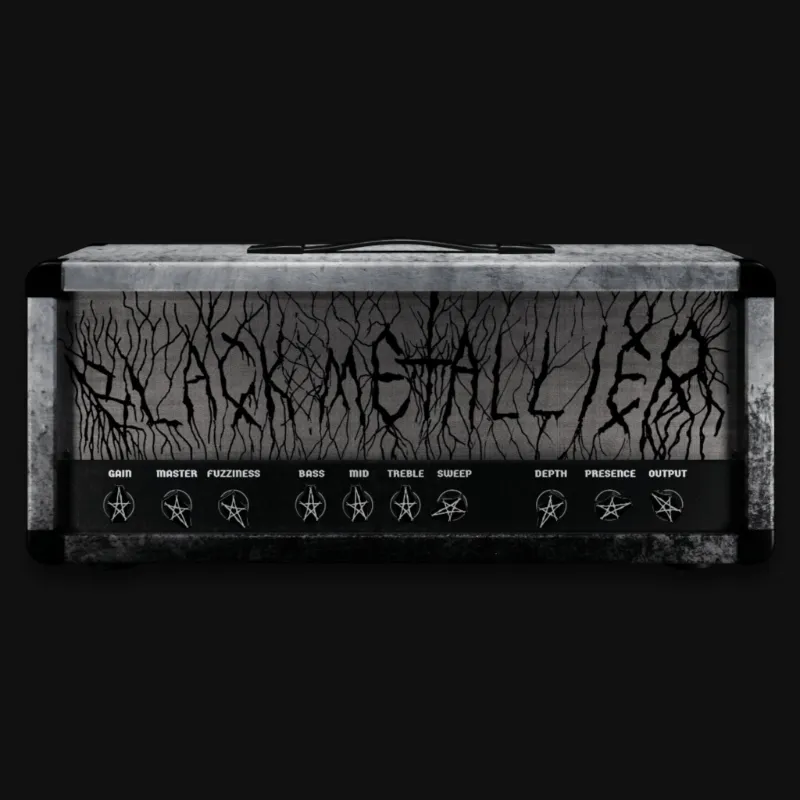
For more control over your entire signal chain, pair your drum samples with a guitar amp sim so your guitar and drum tones develop together instead of fighting for space.
Pairing Drum Samples With Other Ugritone Tools
Ugritone’s ecosystem extends beyond drums, and we’ve found their plugins integrate naturally when building full metal productions. The Ugritone warhorn delivers thick, scooped guitar tones that sit perfectly under the drum samples’ midrange punch, while Ugritone kvlt offers raw, lo-fi textures for black metal or atmospheric interludes.
If you’re scoring for heavier ambient sections or industrial-leaning tracks, the dark texture library layers drones and noise beds that complement aggressive drums without clutter. We use these sparingly in breakdowns or intros to build tension before the full drum kit enters.
When you’re building a complete metal production workflow, buying multiple Ugritone products together often makes sense. Visit our Ugritone discount code page to see the current bundle offers and save on your full setup.
Who These Samples Work Best For
Ugritone’s metal drum libraries suit bedroom producers, mixing engineers, and songwriters who need professional drum sounds without access to a tracking studio. If you’re programming demos for a band, these samples are indistinguishable from well-recorded live drums in a final mix, especially once you layer guitars and vocals over them.
We also recommend these for mixing practice. Loading a heavy metal drum kit into your DAW and building a mix from scratch teaches you how to balance transients, control dynamics, and shape tone in a genre that demands precision. You’ll learn faster with clean, multi-track samples than with poorly recorded live drums that need extensive repair.
However, if you prefer the feel of triggering samples in real time via electronic pads, make sure your MIDI controller supports high-resolution velocity (0-127) and low latency. Ugritone samples respond to velocity changes, so a basic controller with limited dynamics won’t let you take full advantage of the programming detail these libraries offer.
Metal production moves fast, and having reliable, road-tested drum samples lets you focus on songwriting and arrangement instead of fighting with recording logistics. Ugritone’s libraries consistently deliver the tone and flexibility we need to finish mixes that translate across streaming platforms, car stereos, and club PA systems.
Questions
Can I use Ugritone heavy metal drum kit samples in any DAW?
Yes, Ugritone drum samples are typically delivered as WAV files that load into any DAW that supports audio samples, including Ableton, FL Studio, Logic, Reaper, and Pro Tools. You can drag them directly into your sampler or drum plugin of choice.
Do I need special plugins to make metal drums punch through the mix?
You don't need expensive plugins, but a transient shaper, EQ, and parallel compression bus will make a huge difference. Most DAWs include these stock tools, and Ugritone samples respond well to basic mixing techniques.
How do juggernaut type drums differ from a standard metal drum kit?
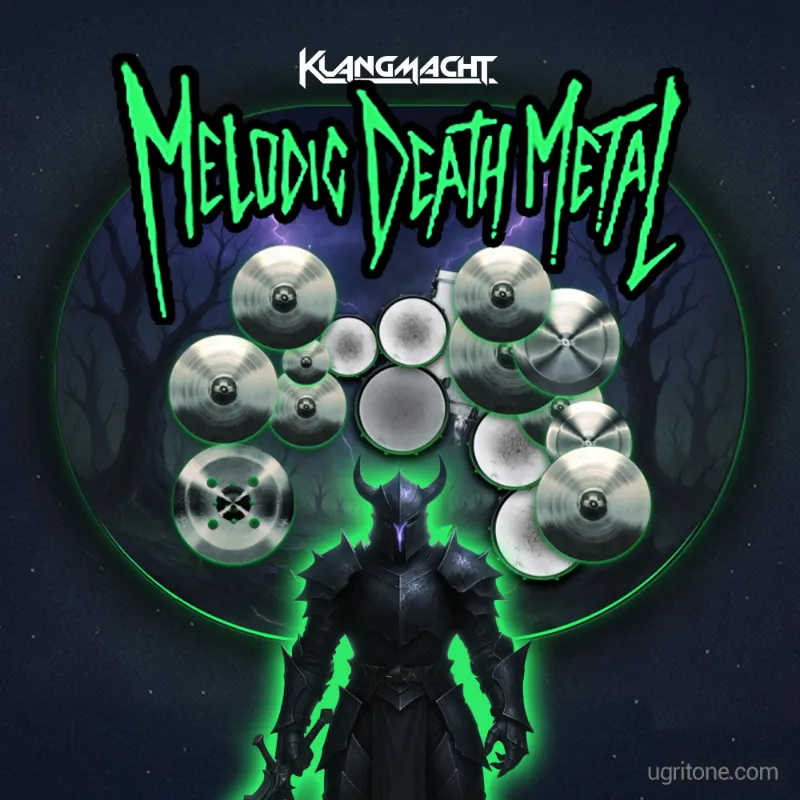
Juggernaut type drums are voiced for modern progressive and djent styles, with deeper kick tuning, tighter snare damping, and brighter cymbals that cut through downtuned seven- and eight-string guitar tones. Standard metal kits work better for traditional thrash and melodic death metal.
Can I layer Ugritone samples with live drums I've already recorded?
Absolutely. Layering a punchy Ugritone kick or snare sample under a live drum track is a common mixing trick to add consistency and attack without replacing the human feel of your original performance.
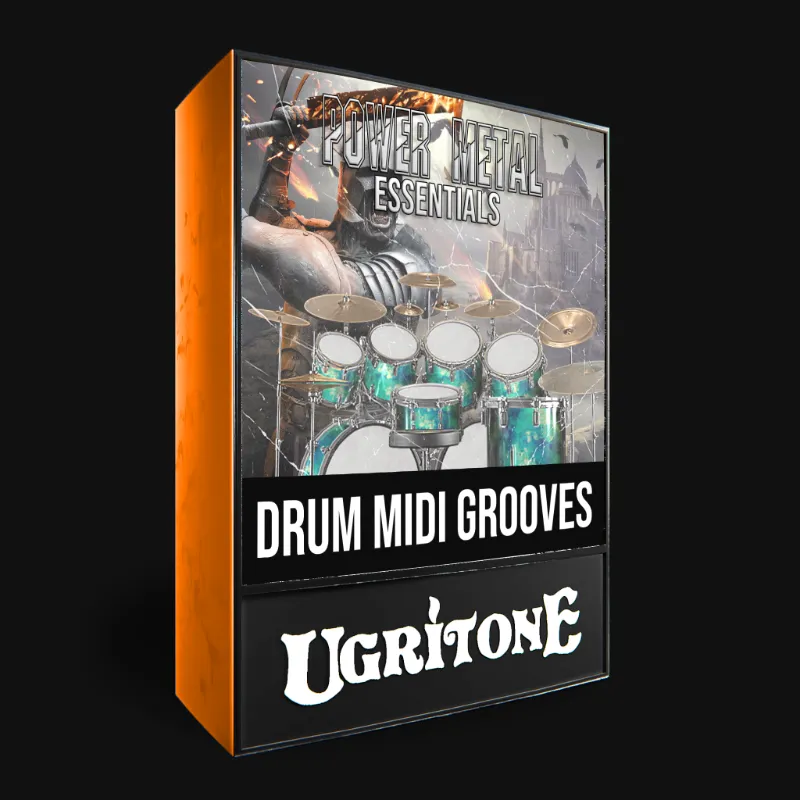
Are there MIDI grooves included with Ugritone drum libraries?
Some Ugritone products include MIDI patterns, but the core drum sample packs focus on multi-sampled audio. You can grab separate MIDI packs or program your own patterns to fit your song structure and tempo.
Will these samples work for recording a full album, or just demos?
Ugritone samples are album-ready. Many commercial metal releases use programmed or sample-reinforced drums, and with careful MIDI programming and mixing, listeners won't distinguish them from a live kit tracked in a professional studio.
Products in this guide
 Shopping at Ugritone? See the discount code
10% OFF All Orders
Shopping at Ugritone? See the discount code
10% OFF All Orders