 A Gate Operators Directusa guide
Gate Motor vs. Gate Operator: Which One Do You Need?
A gate motor and gate operator do different jobs, and understanding the distinction helps you pick the right automated gate system for your property.
A gate motor and gate operator serve distinct roles in an automated gate system, and the one you need depends on your gate type and setup. The gate motor is the engine that powers movement, while the gate operator is the control system that manages when and how the gate opens or closes. We’ll walk you through the differences, what each does, and how to pick the right setup for your driveway. We keep the current code for Gate Operators Directusa on its store page.
What Is a Gate Motor?
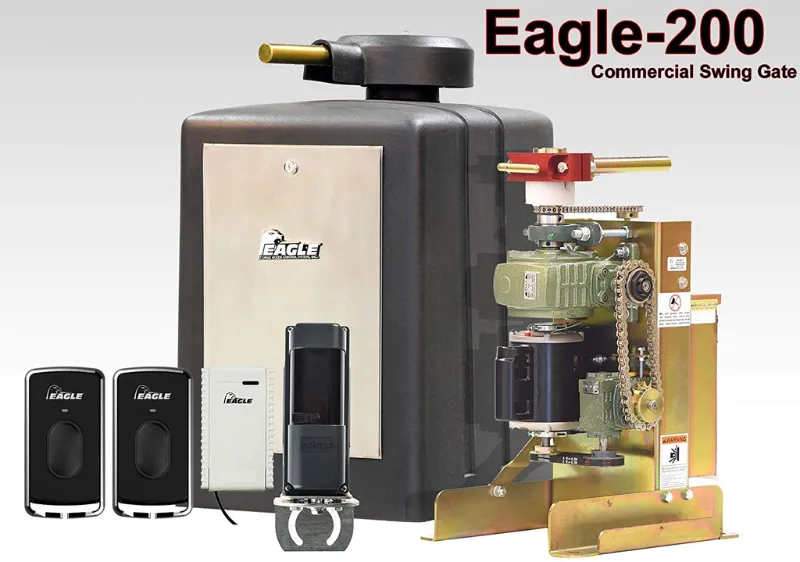
A gate motor is the electromechanical component that actually moves your gate. It converts electrical power into physical motion, pushing or pulling your gate open and closed on a fixed schedule. The gate motor does the heavy lifting, literally. For driveways with sliding gates, an electric gate motor handles horizontal movement along a track. For swing gates, it provides the rotational force needed to pivot the gate on its hinges.
Gate motors vary by power rating, speed, and duty cycle. Heavy-duty models are built for frequent use and larger gates, while standard versions suit lighter residential traffic. The motor sits either at the base of the gate (for sliding systems) or near the hinge point (for swing gates) and works continuously when activated.
What Is a Gate Operator?
A gate operator is the brain of your automated gate setup. It’s the control and automation system that tells the motor when to start, stop, and reverse. A gate operator houses the electronics, logic circuits, and safety features. It manages signals from remote controls, keypads, motion sensors, and access systems, then instructs the motor to perform the right action.
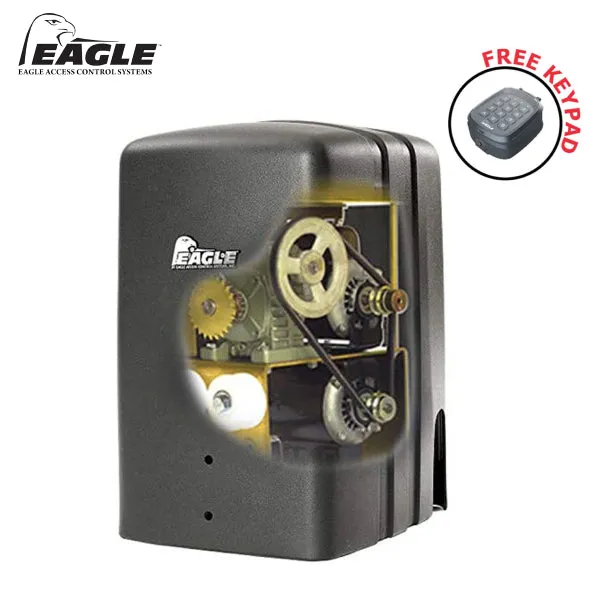
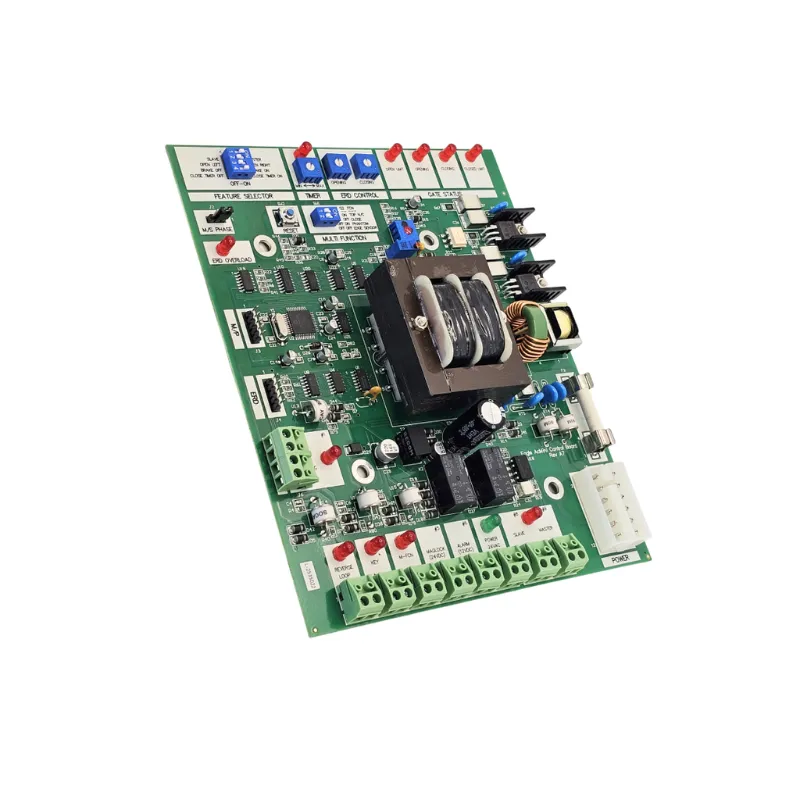
The gate opener is another name for the operator in simpler systems, bundling the motor and control logic together. A remote control gate opener is one type of operator that responds to wireless signals. More complex setups, like those using an eagle circuit board: allow you to integrate multiple access methods, timers, and safety protocols into one system.
Gate Motor vs. Gate Operator: Key Differences
| Feature | Gate Motor | Gate Operator |
|---|---|---|
| Role | Provides motion power | Controls when and how gate moves |
| Location | At gate mechanism | In a control box or pedestal |
| Replaces | Motor burned out or weak | Whole control system malfunctioning |
| Examples | Electric motor for sliding gates | Gate opener, gate motor controller |
Check whether your sliding gate opener system bundles the motor and operator into one unit. Knowing the difference matters when you’re troubleshooting, upgrading, or replacing a component. If your gate opens slowly or doesn’t stop at the right position, the motor might be fine, the operator’s timing circuits could be the issue.
Choosing the Right System for Your Gate Type
Sliding Gates
A sliding gate opener uses a motor that pushes the gate horizontally along a track. This type suits flat, level driveways. Look for models rated for your gate’s weight and the width of your driveway. Check the listing for the voltage and opening speed.
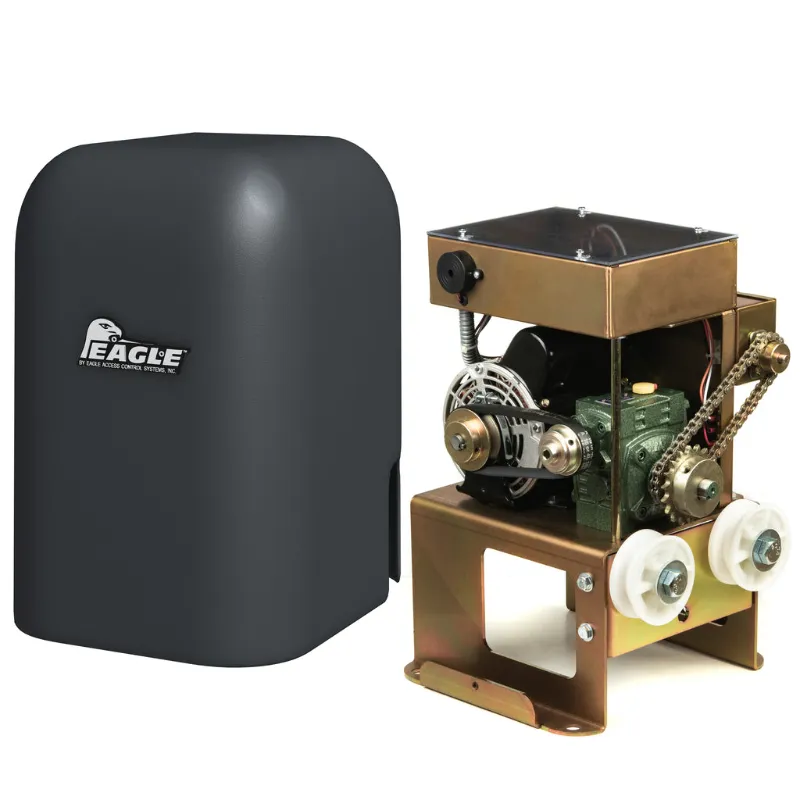
The slide gate operator controls the open/close cycle and safety functions like auto-reverse if an obstacle is detected. For high-traffic areas or gates that operate frequently, look at a heavy duty sliding gate opener.
Swing Gates
A swing gate swing or standard swing setup rotates on hinges. The heavy duty swing gate opener suits larger gates, sloped driveways, or frequent use. Swing operators are simpler mechanically than sliding systems but must handle the full weight of the gate on a pivot point, so they need strong motors and robust hinges.
A swing gate motor provides the rotational force. Check the listing for the power supply and opening time, which depend on gate size and motor power.
How to Pick: Motor Only vs. Complete Operator System
If your gate is already moving smoothly but the control electronics are failing (the remote doesn’t work, the timing is off, or the safety sensors don’t respond) you likely need a new operator, not necessarily a new motor.
If your gate moves slowly, struggles to start, or doesn’t fully open and close, the motor is probably the culprit. A weak or worn gate motor will strain under load and may overheat.
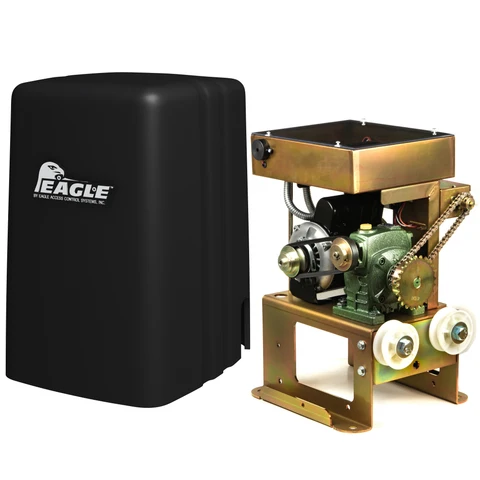
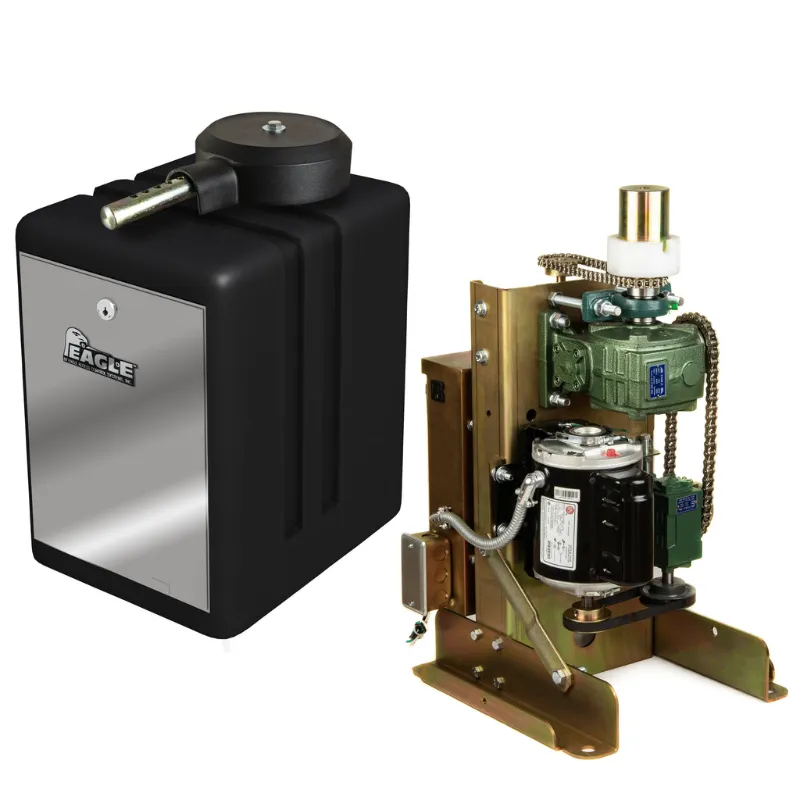
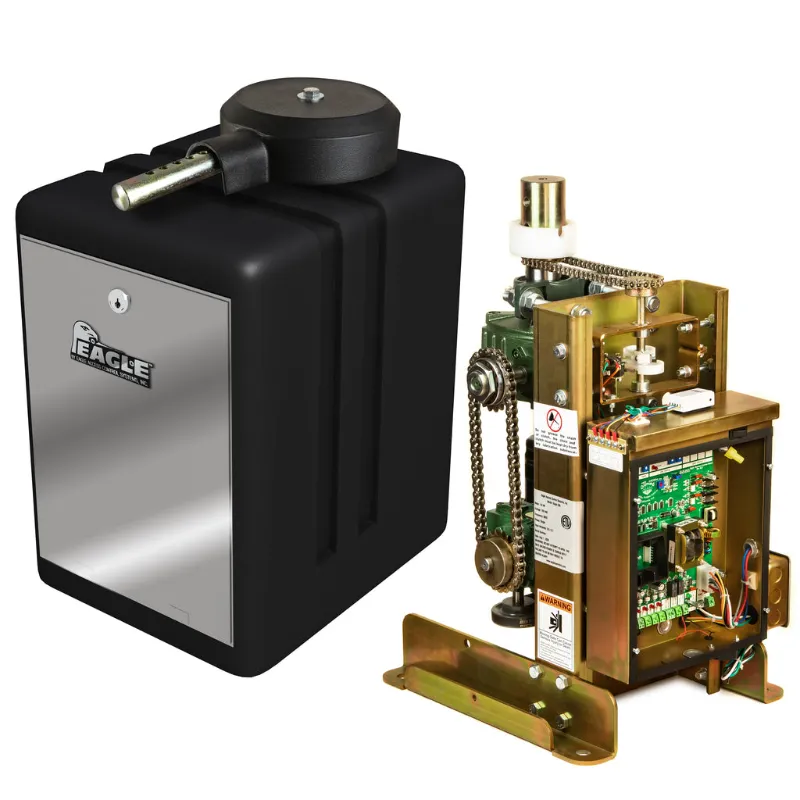
For new installations, buy a complete package. An eagle gate or eagle gate opener package pairs the motor and operator, so you are not matching parts yourself. Check the listing for what is included.
Installation and Maintenance Tips
Check whether your motor runs on low-voltage DC power supplied by the operator. Make sure your electrical setup can handle the amperage your motor draws, since undersized wiring or a weak transformer can damage the motor.
Check your motor and operator at least once a year. Listen for unusual noise, watch for sluggish movement, and test your remote control and safety sensors. Lubricate any moving parts according to the manufacturer’s guide, and clear the gate track or hinges of dirt and debris.
When to Upgrade
There is no fixed lifespan for a gate motor or operator. It depends on how often it’s used, how well it’s maintained and how well it’s protected from weather. If your gate motor is starting to lag, or if your operator no longer reliably controls the gate, compare the cost of repair with replacement.
Upgrading to a heavy duty gate motor or a modern operator with better safety features, smartphone control, or integration with your home automation system is also worth considering if your current setup is nearing end-of-life.
For more on how electric systems power gates, explore how gate motors work. And to understand the full range of residential gate operators and systems, check what major manufacturers offer in your category.
Questions
Can a gate motor work without a gate operator?
No. A gate motor needs a gate operator to control it. The operator sends the electrical signal that tells the motor when to start, stop, and reverse. Without an operator, the motor won't know what to do.
What's the difference between an electric gate motor and a sliding gate motor?
An electric gate motor is a general term for any motor powered by electricity. A sliding gate motor is a specific type designed for horizontal movement along a track. Swing gates use a different motor design optimized for rotational force.
How do I know if I need a heavy duty gate motor?
Compare the weight and duty cycle ratings on the listing with your gate's weight, how often it runs and the slope it sits on. Heavy duty models are built for heavier, busier gates.
Can I replace just the gate motor and keep my current operator?
You can, if the operator is still working well. Make sure the new motor is rated for the same voltage and control type as your operator. Mixing incompatible components can cause control issues.
Where can I buy a gate motor and gate operator?
Gate Operators Directusa stocks gate motors, operators, and complete systems. The current code is on our Gate Operators Directusa store page, linked at the top of this guide.
What does an eagle circuit board do in a gate motor system?
The [eagle circuit board](/go/p/8341) is the control electronics that manages the motor's timing, safety features, and response to input signals like remote controls or motion sensors. It's the logic center of a modern gate operator.
Products in this guide
 Shopping at Gate Operators Directusa? See the discount code
5% OFF All Orders
More in this series
How Long Do Eagle Gate Openers Last? Warranty, Ratings and Care8 Sep 20263 minWhy Your Gate Opener Remote Control Isn’t Working and How to Fix It8 Sep 20264 minHeavy Duty Swing Gate Opener: Which Eagle Model Fits Your Gate?8 Sep 20263 minHow to Install a Sliding Gate Opener: Step-by-Step Guide8 Sep 20264 min